
Introduction: Challenges of Air Travel with Mobility Aids
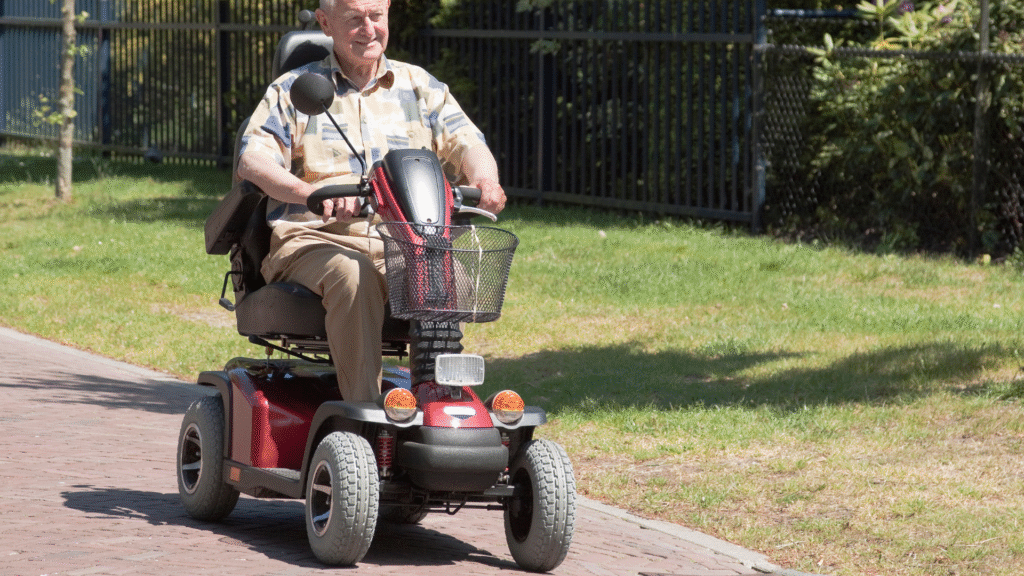
Travelling by air can be an exciting experience, but for people using heavy mobility aids such as electric wheelchairs, mobility scooters, or specialised walkers, it also brings unique challenges. Concerns about airline handling, damage during transport, and accessibility at airports can make travel feel stressful — especially for first-time flyers with assistive equipment.
Fortunately, with the right preparation and understanding of airline policies, you can enjoy a smooth and worry-free journey. At Assistive Tech Hub, we understand how important your mobility device is to your independence. That’s why we’ve created this guide to help travellers, caregivers, and airline staff ensure that every mobility aid arrives safely at your destination.
If you’re planning a trip soon, you can also browse our range of lightweight, travel-friendly mobility aids at the Assistive Tech Hub store, designed for easy folding, disassembly, and safe transport.
Understanding Airline Policies for Mobility Equipment
Each airline has its own guidelines on transporting mobility aids by air, including how they handle wheelchairs, scooters, and batteries. Being informed about these requirements will help prevent last-minute issues at check-in.
Airline-Specific Requirements
Most airlines in Australia — such as Qantas, Virgin Australia, and Jetstar — allow passengers to carry mobility equipment free of charge, provided it’s used for personal mobility. However, size and weight restrictions can vary. Electric or powered devices may require advance notice, especially if they contain lithium batteries.
Before your flight, contact your airline or visit their accessibility page to confirm:
- Accepted battery types (dry cell, wet cell, or lithium-ion)
- Disconnection or packing procedures for batteries
- Weight or size limits for wheelchairs and scooters
- Whether the equipment will be carried in the cabin or cargo hold
To make things easier, our Assistive Tech Hub team can help you identify airline-compatible mobility aids and provide specifications you can show during check-in.
Documentation and Notifications
Always inform your airline at least 48–72 hours before departure if you’re travelling with a large or powered mobility device. You may be asked to fill out a mobility aid transport form or provide equipment details such as:
- Make and model
- Dimensions (folded and unfolded)
- Battery type and wattage
Keep a copy of your device’s manual or technical data sheet handy. This ensures smoother coordination with airline staff, especially during safety inspections or handling.
Preparing Your Mobility Aid for Transport
Proper preparation can make a huge difference in keeping your equipment safe and functional upon arrival.
Disassembly and Packing Tips
If your mobility aid can be partially dismantled, remove small detachable components such as footrests, cushions, or arm supports. Use labeled bags or containers to keep these parts secure.
For foldable designs like travel mobility scooters or lightweight manual wheelchairs, lock any moving parts and wrap the frame in protective materials such as bubble wrap or foam padding. You can find foldable travel-ready mobility aids in our store, perfect for air transport and compact storage.
Protective Measures and Safety
Protect your device from potential bumps or scratches by:
- Wrapping control panels or joystick areas with padding
- Using a rigid case or protective cover for battery terminals
- Labeling your device clearly with your name and contact number
If you use a powered wheelchair, disconnect and secure the battery according to airline and manufacturer safety instructions. Some airlines may request that you carry the battery in the cabin, especially for lithium models.
You can always contact us at Assistive Tech Hub for guidance on safe packing and battery management before your flight.
Airport Procedures and Assistance
Knowing what to expect at the airport helps you stay organised and confident throughout your journey.
Check-in and Gate Support
Arrive early — at least two hours before domestic flights or three hours before international flights. When checking in, inform staff that you’re travelling with a mobility aid and whether it’s powered or manual.
Airlines typically provide gate-to-gate assistance, allowing you to use your mobility aid until boarding time. You’ll then be transferred to an aisle wheelchair, and your equipment will be safely loaded by trained handlers. Some airports in Australia even offer pre-boarding services for passengers with accessibility needs — a great way to ensure your comfort.
To make travel even easier, consider choosing air-travel-approved equipment from Assistive Tech Hub. Many of our models are lightweight, foldable, and easy to maneuver through busy terminals.
Security Screening Considerations
Security officers are trained to handle mobility aids respectfully, but you can request alternative screening methods if standing or walking is difficult. For example, a manual pat-down or hand-held detector screening can be done while you remain seated in your device.
If your mobility aid must be inspected separately, ask staff to handle it carefully and explain any sensitive areas (e.g., controls or detachable parts). Keeping calm and communicative ensures both safety and respect.
Upon Arrival: Retrieving and Reassembling Your Mobility Aid
After landing, your mobility aid will typically be returned to you at the arrival gate or the oversized baggage area, depending on the airport. Inspect it immediately for any visible damage or loose parts.
If something seems off, report it right away to the airline’s mobility assistance or baggage service team. Airlines are responsible for repair or replacement costs if the damage occurred during handling.
Reassemble any removed parts and test your device before leaving the airport. If you need professional advice on post-flight adjustments or equipment servicing, the Assistive Tech Hub team can connect you with local repair partners and service providers.
Conclusion: Ensuring Safe and Stress-Free Air Travel with Mobility Equipment
Travelling with a mobility aid doesn’t have to be complicated. With proper preparation, airline coordination, and a reliable travel-ready device, you can enjoy your journey confidently — whether you’re flying interstate or overseas.
At Assistive Tech Hub, we’re passionate about making accessible travel easier for everyone. Explore our wide range of mobility aids built for travel — from lightweight wheelchairs to foldable scooters and portable ramps — in our store.
Need personalised guidance? Contact us to get expert advice on preparing your equipment for air travel, battery safety, and mobility support options at Australian airports.
Because when accessibility meets preparation, your next flight can truly be stress-free, safe, and empowering.