Introduction: The Need for Accessible Assistive Tech Trials
Choosing the right mobility aid can make a world of difference in a person’s independence and comfort. But for many Australians, trying out mobility aids before purchase can be challenging — especially for those with limited transportation, health concerns, or who live far from assistive tech showrooms.
That’s where accessible mobility aid trials come in. These trials bring assistive technology closer to patients, caregivers, and rehabilitation specialists — ensuring that every user gets the chance to see, test, and feel how a product fits into their daily life.
Challenges in Traditional Mobility Aid Trials
Travel Barriers for Patients
For many patients and caregivers, the biggest challenge is simply getting to the showroom. Travelling with mobility equipment or without proper transportation can be exhausting and inconvenient. Some may even skip trials entirely and purchase devices online — only to find out later that they’re not suitable for their needs.
Limited Access to Demonstration Equipment
Another common issue is the lack of variety available for testing. Some clinics or suppliers only offer a few models, limiting a patient’s ability to compare and find the right fit. Without trying multiple options, users risk choosing a device that doesn’t match their height, condition, or home environment.
Innovative Approaches to Bringing Trials Closer
In-Clinic Demonstrations
Some medical centres and rehabilitation clinics now partner with assistive tech providers like Assistive Tech Hub to conduct in-clinic demonstrations. Patients can try mobility aids during therapy or consultation sessions, with guidance from clinicians who understand their physical capabilities.
This approach ensures that every trial is clinically supervised, improving safety and accuracy in selecting the most appropriate device — whether it’s a lightweight wheelchair, a powered mobility scooter, or a daily living aid.
Mobile Trial Units and Home Visits
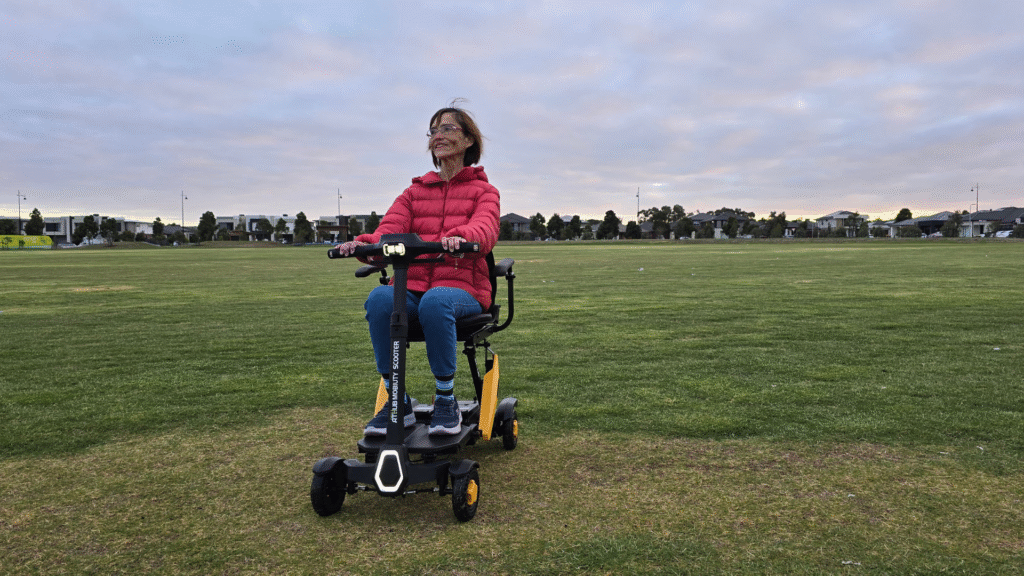
To make trials even more accessible, mobile trial units and home-based demonstrations are becoming more common. These allow patients to test equipment right in their homes or communities — an environment where they’ll actually be using the device.
This model removes transportation barriers and helps both users and therapists evaluate how a mobility aid performs on real-world surfaces, such as ramps, tiles, or grass. It’s a more personalised, realistic way of finding the perfect fit.
Benefits of Accessible Mobility Aid Trials
Improved Patient Confidence
When users can physically test and understand how a mobility aid works, they gain confidence in their decision. They can evaluate comfort, ease of use, and manoeuvrability — factors that are difficult to judge from online descriptions alone.
Accessible trials empower users to make informed, safe choices, reducing the frustration and cost of unsuitable purchases.
Better Equipment Fit and Safety
An accessible mobility trial ensures that devices are tailored to the user’s specific body measurements, lifestyle, and health needs. This not only enhances comfort but also promotes long-term safety and rehabilitation success.
For example, a patient recovering from a stroke may need a different frame height or handle type than someone with arthritis. By testing equipment in advance, therapists can make precise adjustments and recommend the right features before purchase.
How Assistive Tech Hub Facilitates Accessible Trials
At Assistive Tech Hub, accessibility isn’t just a goal — it’s our standard. We understand that every individual deserves the chance to experience mobility aids first-hand before making a decision.
We collaborate with clinics, rehabilitation centres, and care organisations to bring assistive technology closer to users through:
- In-clinic demonstrations guided by healthcare professionals.
- Home trial options that allow users to experience products in their everyday environment.
- A disability-friendly showroom for those who wish to visit in person.
Whether you’re a patient, caregiver, or therapist, our team ensures a stress-free, hands-on experience so you can confidently select the best product for your mobility needs.
Conclusion: Making Mobility Aid Trials Convenient Enhances Choice and Outcomes
Accessible mobility aid trials redefine how assistive technology is chosen — making the process more inclusive, convenient, and personalised. When patients can test devices comfortably and safely, they’re more likely to find equipment that truly supports their lifestyle and recovery journey.
At the end of the day, accessibility isn’t just about reaching more people — it’s about giving every individual the freedom to move, live, and choose confidently.
Key Takeaways
- Accessible trials reduce barriers for patients.
- They improve confidence and ensure better equipment fit.
- They promote safer, more effective use of mobility aids.
- They encourage wider adoption of assistive technology in everyday life.
Explore our store for trial-ready mobility aids: Assistive Tech Hub Store. Contact us to arrange an accessible trial near you: Get in Touch with Us,