Introduction: Living with Quadriplegia and the Need for Hands-Free Support
Living with quadriplegia brings daily challenges that many people never have to think about. Simple movements like adjusting bed height, raising the head section, or changing sleeping positions often rely on carers, family members, or support workers. For Australians with spinal cord injuries, long-term paralysis, or severe mobility limitations, independent bed positioning is not just about comfort—it is about dignity, safety, and control over daily routines.
With assistive technology now widely available across Victoria, products like voice-operated adjustable beds are creating new pathways for independence at home. Australians can explore these solutions through platforms like the Assistive Tech Hub homepage, where a range of hi-low beds, rental options, and disability support equipment are accessible for NDIS participants and families.
What Are Voice-Control Adjustable Hi-Low Beds?
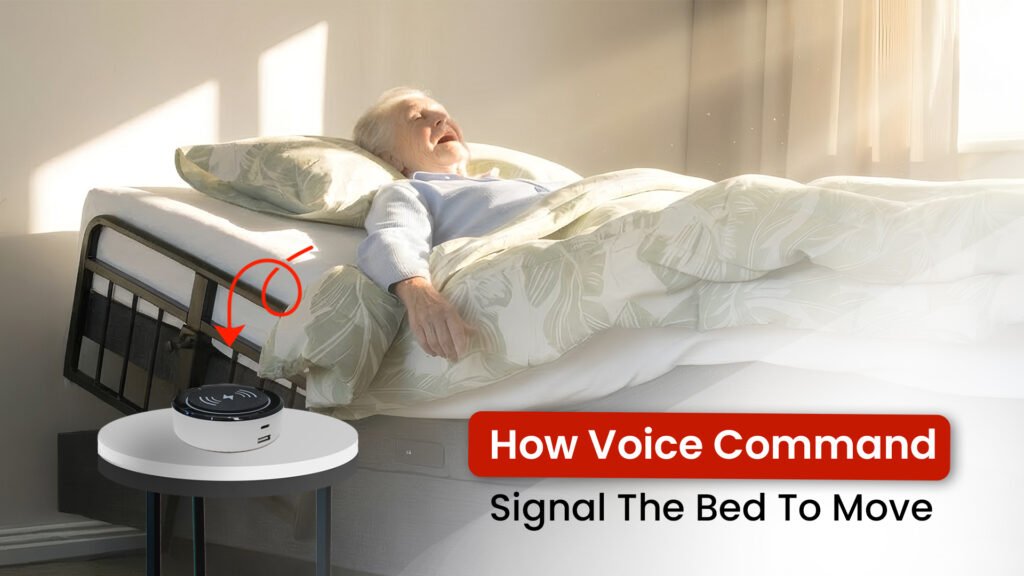
Voice-control adjustable hi-low beds are electric homecare beds designed to move using spoken commands. Instead of using a handheld remote—which can be difficult or impossible for someone with limited or no hand function—these beds respond to simple voice instructions like “raise the bed,” “lower the legs,” or “sit me up.”
One of the most popular models is the Voice-Control Homecare Hi-Low Bed, which combines electric height adjustment, head lift, foot lift, and safety features in a fully voice-operated system. These beds fall under the broader category of assistive technology beds in Victoria, designed for safer and more independent home living.
Why Bed Positioning Is Essential for Quadriplegic Users
Comfort and pain relief
Many people with quadriplegia experience persistent discomfort, tightness, or difficulty maintaining one position throughout the day. Regular bed adjustments can help reduce discomfort and improve rest.
Breathing support
Positioning the head and upper body can make breathing easier for some users. Being able to elevate the bed independently gives more control over comfort and respiratory ease.
Pressure care and skin protection
Changing positions helps relieve pressure areas that can become sore or irritated. Voice-operated adjustments allow users to shift posture without waiting for a carer.
Safer transfers
Bed height plays a major role in safe transfers to wheelchairs, commodes, or mobility aids. A hi-low bed lets users and carers set an ideal height with a simple voice command.
How Voice Commands Make Bed Positioning Easier
Hands-free height adjustment
For someone who cannot use their hands, the ability to raise or lower a bed using only their voice can be life-changing. This feature improves independence during morning routines, medication times, and evening preparations.
Independent head and leg elevation
Users can choose exactly how they want the bed positioned—upright, slightly raised, reclined, or with legs elevated—without needing to call for assistance.
Quick movements during emergencies
If discomfort, breathing difficulty, or sudden pain occurs, fast voice-operated controls allow immediate repositioning without waiting for help.
Reducing reliance on carers
Voice control supports autonomy. Carers still provide support, but users gain more control over their environment, reducing daily dependence and physical strain on support workers.
Key Features That Support Quadriplegic Users
Hi-low mechanisms
The bed can be raised high for carer access or lowered near the floor for user safety. You can also explore more hi-low adjustable beds through the Assistive Tech Hub range:
Hi-Low Adjustable Beds Collection.
Electric controls
Every function—height, head, knees—operates electrically, ensuring smooth movement without manual effort.
Rail compatibility
Side rails and support rails can be added to assist with repositioning, safety, and night-time comfort. Many other electric adjustable bed options are available here:
Electric Adjustable Beds.
Emergency stop and safety features
Built-in safety mechanisms ensure that movements stop immediately when required, supporting safe use for both quadriplegic users and carers.
Benefits for Family Members and Support Workers
Carers and family members often manage heavy workloads in homecare settings. Frequent repositioning, lifting, or bending over a bed can contribute to fatigue or injuries.
A voice-controlled bed helps by:
• reducing manual handling
• improving transfer safety
• decreasing the number of daily repositioning tasks
• allowing users to adjust themselves without waiting for assistance
This leads to safer, more sustainable care at home—especially for families providing 24/7 support.
How Voice-Control Beds Fit into NDIS and SWEP Applications
NDIS approved adjustable beds
Voice-operated hi-low beds often align with NDIS goals related to independence, reduced reliance on carers, and improved home safety. Many users access these beds as part of Assistive Technology funding.
SWEP approved assistive beds
In Victoria, SWEP also supports access to suitable assistive beds, particularly when recommended by an occupational therapist.
OT assessment pathways
Occupational therapists play a key role in the assessment process. They determine individual needs, recommend bed features, and support applications with quotes and clinical justification. Trials and demonstrations may also be part of the process.
Users can start exploring options by visiting the Voice-Control Hi-Low Bed page to gather information for their OT.
Hire vs Buy: What Works Best in Victoria
Depending on how long a user needs the equipment, hiring or purchasing may be more practical.
Hiring a bed
Hiring is ideal for:
• temporary needs
• trial periods
• fast delivery after discharge
• short-term support after injury
Assistive Tech Hub offers hire options through the Bed Hire page, with flexible weekly and monthly plans.
Users can also submit a request directly through the Rental Enquiry page.
Buying a bed
Buying is ideal for long-term homecare needs. A purchased bed can be customised with accessories and used indefinitely without weekly hire costs.
Many families in Victoria choose to trial a bed through hire first, then move to a permanent solution.
How to Access a Voice-Control Bed in Australia
The easiest way to begin is to explore the available models and speak with the Assistive Tech Hub team for support. Users can browse voice-control options, compare hire and purchase pathways, or discuss NDIS/SWEP considerations.
To get started:
• Explore the Voice-Control Hi-Low Bed
• View other mobility and hi-low bed options
• Consider hire choices
• Submit a Rental Enquiry
• Reach the team via Contact Us
Conclusion
For Australians living with quadriplegia, voice-operated bed positioning is more than a convenience—it is a pathway to independence, comfort, and safer daily living. With hands-free control, users can manage their bed height, posture, and comfort without needing constant physical assistance. These beds reduce carer strain, support better quality of life, and fit well into NDIS and SWEP funding pathways.
Across Victoria and beyond, voice-operated hi-low beds are becoming a practical, accessible solution for homecare. Families, carers, and occupational therapists can now explore options directly through Assistive Tech Hub and find the right setup for their needs.
If you’re ready to explore the next step, you can view the Voice-Control Hi-Low Bed, explore hire options, submit a Rental Enquiry, or reach out via Contact Us for guidance tailored to your home environment.