Introduction: Living with Cerebral Palsy and the Importance of Safe Positioning
For many Australians living with cerebral palsy, safe bed positioning isn’t just about comfort — it directly affects breathing, muscle tone, posture, sleep, and overall daily function. Manual remotes can be difficult to operate, especially for people with limited hand control or involuntary movements. That’s why many families, carers, and NDIS participants are now turning to voice control adjustable beds as a practical assistive technology option. These beds allow users to change their position hands-free using simple voice commands, supporting independence while promoting safer, more comfortable rest at home.
Voice-controlled beds, especially hi-low models, are becoming increasingly popular across Victoria through providers like Assistive Tech Hub, where families can explore assistive technology beds in Victoria without the complexity of medical jargon.
What Are Voice-Controlled Hi-Low Adjustable Beds?
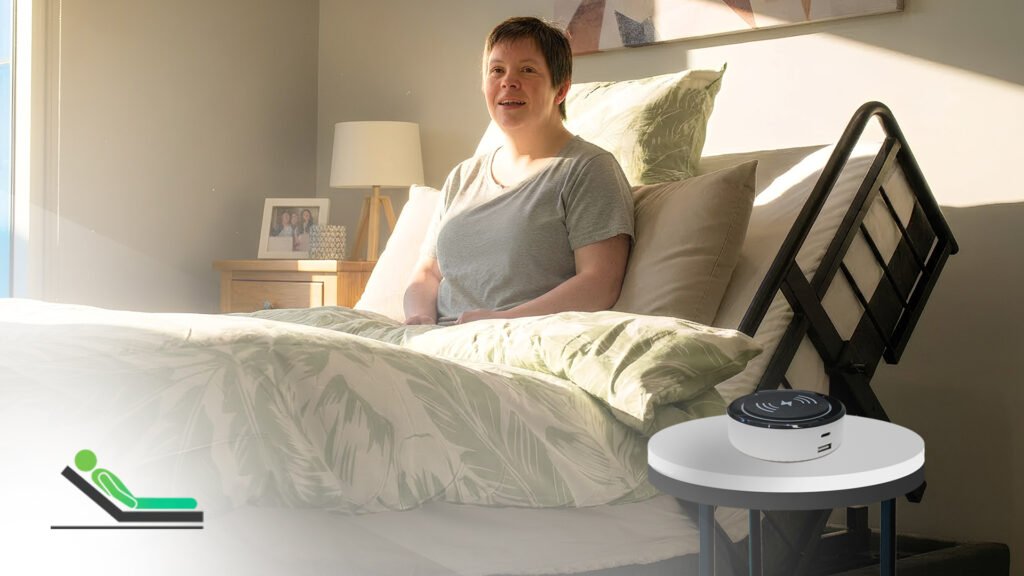
A hi low adjustable bed is an electric bed that raises, lowers, and adjusts the head and leg sections. When combined with voice control, the bed becomes fully hands-free — users simply speak the command, and the bed moves.
At Assistive Tech Hub, the Voice-Control Homecare Hi-Low Bed offers a smart, simple, and safe option for people with cerebral palsy who require reliable positioning support at home, in supported accommodation, or in aged care environments.
These beds are not just for older adults — they’re now widely used by children, young adults, and families managing CP and similar mobility conditions.
Why Safe Positioning Matters for People with Cerebral Palsy
Reducing muscle stiffness and pain
Cerebral palsy often comes with spasticity, muscle tightness, and involuntary movements. Being able to adjust positions frequently helps reduce stiffness, ease discomfort, and settle muscle tone throughout the day.
Supporting breathing and swallowing
The ability to elevate the head and torso is essential for:
- Reducing reflux
- Supporting safer swallowing
- Clearing the airway
- Improving chest expansion and breathing
Voice commands allow quick adjustments without waiting for assistance.
Preventing pressure injuries
Frequent repositioning helps protect the skin — especially for users with reduced mobility. A voice-controlled bed encourages movement throughout the day and night, which is important for pressure care and long-term health.
Improving sleep and daily comfort
Comfortable, accessible positioning supports better sleep quality, which influences mood, behaviour, learning, and overall participation.
How Voice Commands Improve Bed Positioning for CP Users
Hands-free control for limited hand mobility
Many people with cerebral palsy have difficulty holding or pressing small remote buttons. Voice commands remove that barrier completely.
Independent adjustments without waiting for a carer
A user can raise the head, lower the height, or adjust their legs whenever they choose — a huge shift toward independence.
Fine-tuned elevation for comfort and therapy
Users can choose specific angles that support:
- Therapy routines
- Breathing techniques
- Feeding
- Rest
- Reading or screen time
Small adjustments become effortless.
Features That Support Safer Movement and Stability
Hi-low height control
Users and carers can raise or lower the bed for transfers, care tasks, or safety checks. This reduces fall risks and improves carer ergonomics.
Adjustable head and leg elevation
Essential for pressure care, posture support, comfort, and respiratory needs.
Side rail compatibility
Rails help prevent falls and assist with repositioning — particularly helpful at night or during involuntary movements.
Smooth, quiet electric operation
Quiet movements reduce sensory overload and help maintain calm during adjustments.
Benefits for Parents, Carers, and Support Workers
Voice-controlled beds don’t just help the person with cerebral palsy — they also make life easier for the people supporting them.
A hi-low adjustable bed:
- Reduces heavy lifting
- Supports safer transfers
- Makes overnight care easier
- Allows carers to focus on quality support rather than constant manual adjustments
Parents often feel more confident leaving their child or young adult resting independently when they can adjust their own position safely.
NDIS and SWEP Funding Pathways for Voice-Control Beds
Assistive Tech Hub supports families, OTs, and support coordinators through the entire funding process.
NDIS approved adjustable beds
Because they support independence, pressure care, posture, and safety, these beds can align with many common NDIS goals for CP users.
Families can explore disability beds Australia, NDIS approved adjustable beds, and similar options directly on the site.
OT assessment requirements
Most NDIS applications require an OT report explaining:
- Functional need
- Safety concerns
- Daily living challenges
- Benefits of voice-controlled adjustments
SWEP approved assistive beds (Victoria)
Victorian families can apply for funding through SWEP for eligible assistive technology, including hi-low beds and positioning equipment.
Should You Hire or Buy a Voice-Control Bed?
For some families and participants — especially after surgery, during rapid growth, or when trialling new assistive technology — hiring is the best first step.
Assistive Tech Hub offers both pathways:
- Hire a bed in Victoria through the Hire Page
- Request support through the Rental Enquiry page
Long-term users can consider full purchase when the equipment becomes a permanent part of home life.
How to Get a Voice-Controlled Bed in Australia
Whether you’re an NDIS participant, a parent, an OT, or a support coordinator, accessing a voice-control adjustable bed is simple:
- Explore the Voice-Controlled Hi-Low Bed online.
- Arrange a trial, hire, or full purchase through the Hire Page or Rental Enquiry.
- For NDIS or SWEP paperwork assistance, reach out through the Contact Us page.
- Visit the homepage to browse other assistive technology beds in Victoria, mobility products, and homecare solutions.
Conclusion
Voice-controlled hi-low beds are transforming daily life for Australians with cerebral palsy. They offer hands-free safety, support independence, reduce carer strain, and make positioning easier throughout the day and night. Whether used for breathing, comfort, therapy, feeding, or sleep, these beds provide practical, reliable assistance for both users and carers across Victoria and beyond.
If you’re ready to explore options, you can view the Voice-Control Hi-Low Bed, begin with a hire or trial, submit a Rental Enquiry, or contact our team for personalised support.