Introduction: Understanding ALS and Muscle Fatigue
Amyotrophic Lateral Sclerosis (ALS) is a progressive neurological condition that affects muscle control, strength, and mobility. Even simple daily movements, such as adjusting your position in bed, can become physically exhausting. This fatigue can lead to discomfort, reduced independence, and increased reliance on carers.
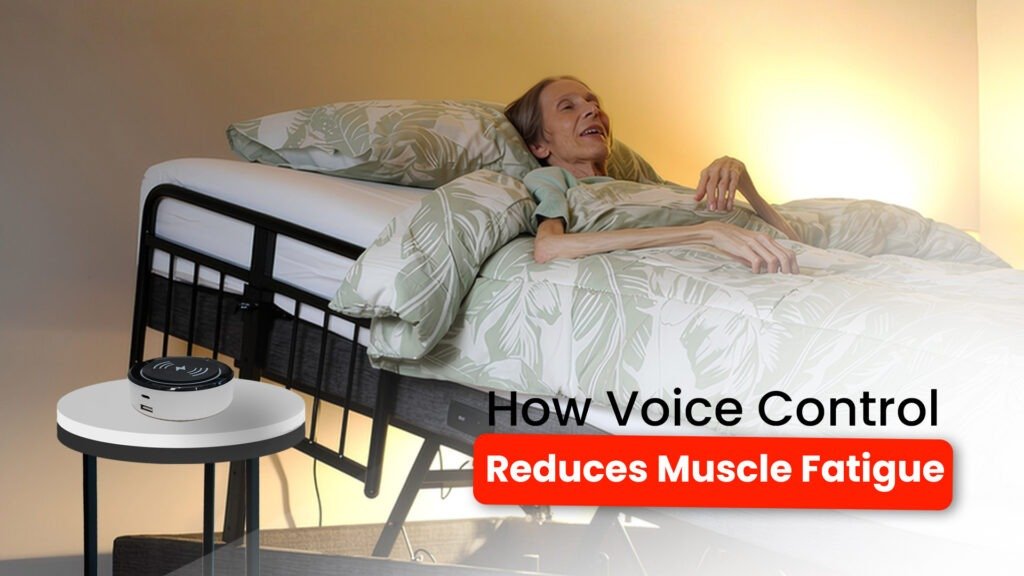
For Australians living with ALS, voice control adjustable beds offer a practical solution. By enabling hands-free bed positioning, these beds reduce the physical effort required to adjust the head, feet, or overall height. Families, carers, and NDIS participants in Victoria are increasingly adopting this technology for safer and more comfortable home care.
Learn more about assistive technology beds in Victoria and explore options through the Assistive Tech Hub homepage.
Why Position Changes Are Physically Challenging for ALS Users
ALS affects voluntary muscle control, meaning even small movements require significant energy. Daily repositioning in bed can be physically demanding due to:
- Weak arm, hand, and leg muscles
- Muscle fatigue from repetitive movements
- Difficulty maintaining breathing and posture while adjusting
- Increased risk of pressure injuries without regular position changes
Manual remotes or caregiver-assisted repositioning can be exhausting for both users and carers, highlighting the need for hands-free solutions like voice-controlled hi-low beds.
How Voice-Control Beds Work
A hi low adjustable bed with voice control integrates a motorised frame with a voice recognition system. Users can:
- Raise or lower the bed height
- Adjust the head and foot sections
- Stop movement instantly using safety commands
- Operate the bed without relying on hand or arm strength
These beds are suitable for both homecare and aged care environments. Families and NDIS participants can explore hire options for long-term use or submit a rental enquiry to trial beds before committing to purchase.
Key Benefits: Reducing Muscle Fatigue with Voice-Control Support
Gentle elevation and lowering
The bed moves smoothly and quietly, allowing users to reposition themselves without sudden movements that strain muscles.
No need for arm or hand strength
Voice control eliminates the need to press buttons, pull levers, or push remotes, making adjustments achievable even with severe muscle weakness.
Safe repositioning for breathing and pressure relief
Regularly changing positions supports respiratory function, reduces the risk of aspiration, and prevents pressure injuries — all without added fatigue.
Clinical Advantages for ALS Patients
OT/Physio recommended features
Occupational therapists and physiotherapists often recommend electric hi-low beds for allied health use because they:
- Support proper positioning
- Facilitate therapy routines at home
- Reduce carer injury risk during manual handling
Reduced caregiver strain
Carers benefit from easier transfers, safer handling, and decreased physical stress. This allows them to focus on providing high-quality support rather than exerting energy on manual repositioning.
Consistent pressure-area management
Automatic and hands-free adjustments encourage frequent repositioning, helping maintain skin integrity and preventing complications like pressure ulcers.
NDIS & SWEP Funding Options in Victoria
ALS patients who are NDIS participants or eligible for SWEP funding can access voice-controlled beds as part of their funded assistive technology package.
Eligibility
Funding typically depends on:
- Diagnosis of ALS or similar progressive neuromuscular conditions
- Functional need for independent positioning
- Recommendation from an occupational therapist
Required OT reports
Occupational therapists provide detailed reports supporting the bed’s benefits, including:
- Daily living challenges
- Muscle fatigue and mobility limitations
- Safety, pressure care, and therapy requirements
Benefits of choosing NDIS-approved beds
Opting for NDIS-approved adjustable beds ensures:
- Compliance with safety and accessibility standards
- Easy documentation for funding approval
- Ongoing support from suppliers like Assistive Tech Hub
Choosing the Right Voice-Control Hi-Low Bed
Safety rails, height adjustment, and tilt features
Essential features include:
- Adjustable head and foot sections for comfort and respiratory support
- Height adjustment to aid transfers and caregiver ergonomics
- Side rails to prevent falls
Homecare vs aged care models
Beds are available in models suitable for:
- Homecare settings, with trial and rental options
- Aged care facilities, with professional installation and ongoing maintenance
Smart controls and customisations
Voice recognition, programmable positions, and emergency stop features ensure safe and responsive operation for ALS users with progressive muscle weakness.
Hire or Buy Options for Long-Term ALS Care
Families can trial or hire beds to determine suitability before purchase. Assistive Tech Hub offers:
- Long-term hire for ongoing support at home
- Rental enquiry options for trial periods
- Full purchase for permanent home use
This flexibility is particularly helpful for ALS patients whose functional needs may change over time.
When to Consult an Occupational Therapist
Before selecting a voice-controlled bed, consult an OT to:
- Assess functional needs
- Recommend suitable models and features
- Document the clinical justification for NDIS or SWEP funding
- Provide guidance on safe transfer techniques and positioning
Conclusion: Voice Control Helps Reduce Fatigue, Improves Independence & Enhances Care at Home
For Australians living with ALS, voice control adjustable beds transform daily care. They reduce muscle fatigue, support independent positioning, prevent pressure injuries, and relieve carer strain. With NDIS and SWEP pathways, these beds are accessible across Victoria, enabling families to create safer, more comfortable home environments.
Explore options today by viewing the Voice-Control Hi-Low Bed, arranging a hire or trial, submitting a rental enquiry, or contacting our team for OT-guided support.