Introduction: Understanding Myasthenia Gravis and Daily Weakness
Myasthenia Gravis (MG) is a neuromuscular condition that causes significant muscle weakness, often worsening with activity and improving with rest. Everyday tasks, including repositioning in bed, can become exhausting and sometimes unsafe.
For Australians with MG, a voice control adjustable bed offers a practical solution, allowing hands-free adjustments, safer transfers, and improved independence. These assistive technology beds in Victoria are suitable for NDIS participants, carers, allied health teams, and families seeking support for daily living. Flexible options include hire, rental enquiries, or direct purchase.
Why Muscle Weakness Makes Bed Adjustments Difficult
MG often limits strength in the arms, legs, and core, making manual bed adjustments challenging. Key difficulties include:
- Difficulty lifting arms or legs: Even small movements can require considerable effort.
- Fatigue from minimal exertion: Daily repositioning quickly depletes energy reserves.
- Risk during transfers: Moving in or out of bed can be unsafe without proper height adjustment or support.
Traditional manual or electric beds may not fully address these challenges. A hi low adjustable bed with voice control provides an essential hands-free alternative.
How Voice-Control Hi-Low Beds Work
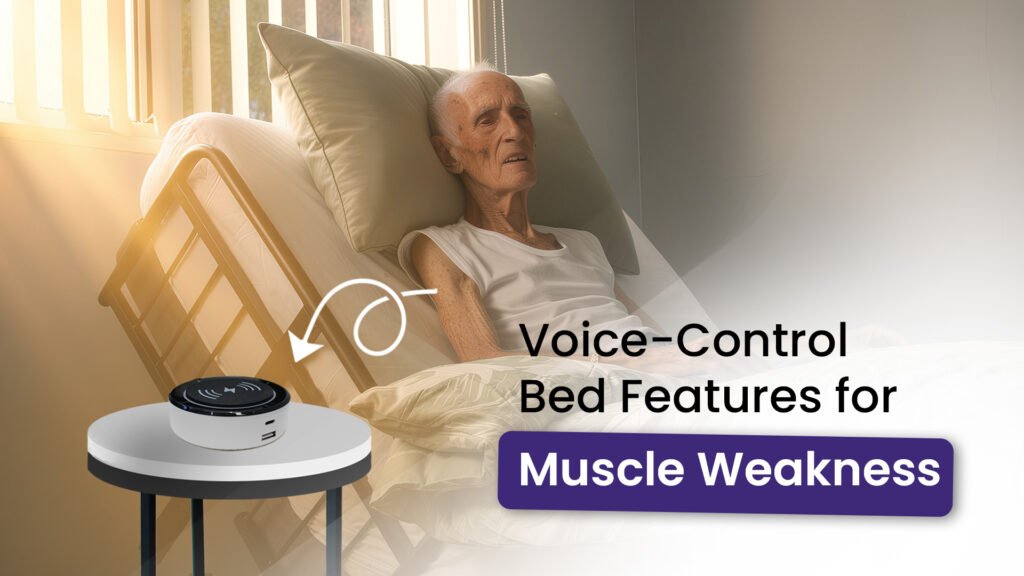
Voice-controlled beds use simple commands to adjust height, tilt, and elevation. Features include:
- Hands-free operation: Users can control bed movements without physical effort.
- Hi-low height adjustment: Raises or lowers the bed for safer transfers with carers or independently.
- Tilt features: Head, leg, and zero-gravity positioning improve comfort and circulation.
These beds are especially helpful for those with progressive muscle weakness, allowing them to maintain independence and control over their daily routines.
Benefits for People with Myasthenia Gravis
Reduced physical strain and fatigue
Voice commands eliminate the need to manually press buttons or lift limbs, conserving energy for daily activities.
Safer positioning and transfers
Hi-low adjustments and tilt functions ensure users can safely get in and out of bed, reducing the risk of falls or strain injuries.
Supports independence and comfort
Voice-controlled beds empower users to adjust their positions without waiting for carers, promoting autonomy and daily functional capacity.
Pressure relief and circulation support
Adjusting the head and legs can help redistribute pressure, supporting skin health and circulation, which is critical for long-term comfort and safety.
Learn more about disability care beds for home use suitable for people with neuromuscular conditions in Victoria.
Allied Health Recommendations
Occupational therapists and physiotherapists often recommend voice control adjustable beds for patients with MG because:
- Hi-low features improve safe transfers and postural alignment.
- Tilt and zero-gravity functions reduce muscle fatigue and support respiratory function.
- Voice control enhances independence and reduces carer workload.
Selecting assistive beds with these features ensures compliance with clinical and safety standards for progressive conditions.
NDIS and SWEP Funding in Victoria
Australians with Myasthenia Gravis may be eligible for funding to access voice-controlled beds:
- Eligibility and OT assessments: Required to determine functional need.
- NDIS-approved adjustable beds: Ensure beds meet safety, accessibility, and therapeutic requirements.
- SWEP-approved assistive beds: Useful for short-term needs or hospital discharge support.
Families can explore hire options or submit a rental enquiry to trial beds before committing to purchase.
Choosing the Right Voice-Controlled Bed
Key considerations when selecting a bed for MG patients:
- Safety rails: Reduce fall risks during night-time or transfers.
- Tilt options: Head and leg elevation for comfort, breathing support, and pressure relief.
- Electric hi-low adjustments: Allow carers or users to safely manage transfers.
- Homecare vs aged care applications: Choose a model that suits the living environment and long-term needs.
A voice control hi-low bed with these features ensures comfort, independence, and safety for people with MG.
Hire or Trial Options for Long-Term Care
Assistive Tech Hub provides flexible access options:
- Hire: Short- or long-term rental to trial suitability.
- Rental Enquiry: Request a quote or discuss trial periods.
- Purchase: Full ownership for long-term homecare or aged care settings.
Trial and hire options let families assess suitability and ensure the bed meets safety, independence, and comfort needs before purchase.
Conclusion: Voice-Control Beds Enhance Independence, Safety, and Quality of Life
For Australians living with Myasthenia Gravis, daily repositioning can be exhausting and unsafe due to muscle weakness. Voice-controlled hi-low beds:
- Reduce fatigue and physical effort
- Enable safer transfers and positioning
- Support independence, comfort, and pressure relief
- Minimise carer strain and improve daily living outcomes
Funding options through NDIS and SWEP in Victoria make these beds accessible for homecare or aged care. Families can explore hire, rental enquiry, or purchase to ensure safe and supportive living for people with MG.
For guidance or OT-supported recommendations, contact our team today.