
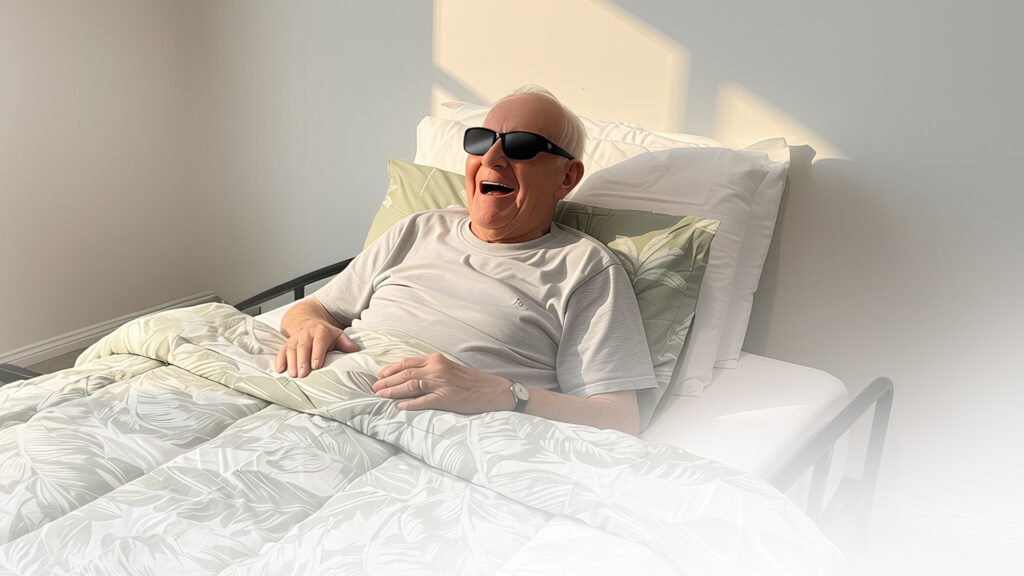
Introduction: Understanding Visual Impairments and Sleep Challenges
For Australians with visual impairments, simple tasks like adjusting a bed can be difficult, especially at night. Locating remote controls, pressing buttons accurately, or remembering bed positions may increase reliance on carers and raise the risk of injury. Voice control adjustable beds provide a hands-free, accessible solution that empowers users to independently manage bed adjustments, ensuring safety, comfort, and quality sleep.
Difficulties Using Traditional Bed Controls
Traditional manual or remote-controlled beds present several challenges for visually impaired users:
- Locating buttons in the dark: Remotes or bed panels may be difficult to find without visual cues.
- Risk of misoperation and injury: Pressing the wrong button could result in unsafe bed positions or falls.
- Increased reliance on carers: Users may need assistance for even minor adjustments, limiting independence.
These challenges highlight the need for technology that is intuitive and safe for visually impaired individuals.
How Voice-Controlled Hi-Low Beds Work
Voice-controlled beds combine accessibility with functionality:
- Hands-free voice commands: Users can adjust the bed simply by speaking, eliminating the need to locate and operate a remote.
- Adjustable height and tilt features: Beds can be raised or lowered for safe transfers, and head or leg tilt can improve comfort, circulation, and pressure relief.
Explore our Voice-Control Hi-Low Bed to see these features in action.
Key Benefits for Users with Visual Impairments
Voice-controlled beds provide significant advantages for visually impaired users:
- Safe, independent bed adjustments: Reduce reliance on carers and enhance personal autonomy.
- Reduced risk of falls or injury: Hi-low and tilt features allow controlled, safe repositioning.
- Increased comfort and sleep quality: Optimal positioning improves circulation and alleviates pressure points.
These benefits contribute to both physical safety and overall wellbeing.
Clinical and OT Recommendations
Occupational therapists (OTs) recommend beds with features tailored to visually impaired users:
- Best features: Hi-low height, head and leg tilt, voice control, and safety rails.
- Integration with assistive technologies: Compatibility with smart home devices and alert systems enhances accessibility.
Selecting an OT-recommended model ensures safe, independent use for long-term benefit.
NDIS and SWEP Funding Options in Victoria
Voice-controlled beds may be funded for eligible users:
- Eligibility and provider guidance: NDIS participants or those under SWEP may access assistive beds after clinical assessment.
- NDIS-approved adjustable beds and providers: Ensure beds meet regulatory standards for funding and safety.
For advice on funding, visit our Rental Enquiry or Contact pages.
Selecting the Right Voice-Controlled Bed
When choosing a bed, consider:
- Safety rails: Support safe transfers.
- Tilt and hi-low options: Essential for safe, independent repositioning.
- Smart homecare integration: Seamlessly connects with other accessibility devices for enhanced control.
Our team can assist in selecting the ideal bed for home, aged care, or NDIS-supported use.
Hire or Trial Options Across Victoria
Assistive Tech Hub offers flexible testing options:
- Hire options: Short-term rentals for home trials or temporary needs.
- Trial services: Experience features firsthand to choose the best fit.
Visit our Hire page or submit a Rental Enquiry to explore these options.
Conclusion
Voice-controlled beds provide Australians with visual impairments a safe, independent, and comfortable way to manage bed adjustments. Hands-free operation combined with hi-low and tilt functionality reduces fall risk, enhances comfort, and empowers users to sleep better with confidence.
Key Takeaways:
- Voice-controlled beds improve safety and independence.
- Hi-low and tilt features reduce fall risk.
- NDIS and SWEP funding available for eligible users in Victoria.
- Hire and trial options allow testing before commitment.
Take Action Today: Explore our Voice-Control Hi-Low Bed, hire or request a trial, or contact us for OT-guided advice to find the best solution for your needs.