
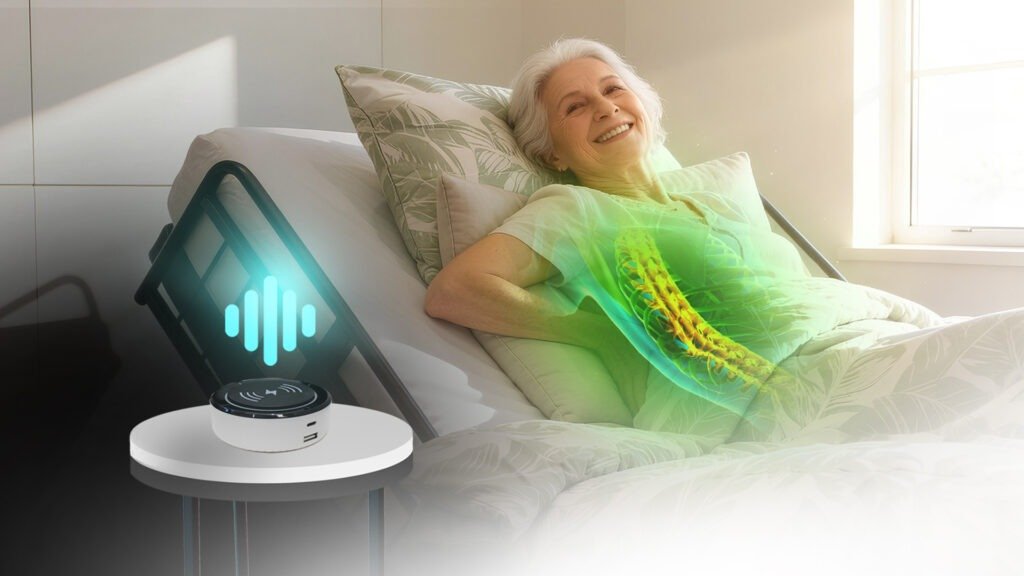
Introduction: The Challenge of Chronic Back Pain at Night
For Australians living with chronic back pain, night-time can be one of the hardest parts of the day. Finding a comfortable sleeping position often takes repeated adjustments—rolling, lifting, or sitting up—each movement placing extra strain on already sensitive muscles and joints.
Many people with long-term back pain also experience:
- Difficulty repositioning without pain
- Sleep disruption due to stiffness or pressure
- Increased discomfort when lying flat
- Dependence on carers for repositioning
Traditional beds offer little flexibility, and even standard electric beds still rely on handheld remotes that may be difficult to use during pain flare-ups. This is where a voice control adjustable bed can make a meaningful difference—allowing users to reposition safely and comfortably without physical effort.
Understanding Voice-Controlled Hi-Low Beds
A voice-controlled hi-low adjustable bed enables users to change their sleeping or resting position using spoken commands instead of buttons or remotes. These beds are increasingly used across aged care, disability support, and homecare settings in Victoria.
Key features typically include:
- Head and foot tilt to support spinal alignment
- Zero-gravity positioning to reduce pressure on the lower back
- Hi-low height adjustment for safer transfers
- Hands-free voice activation for pain-free control
- Smooth electric motors designed for daily therapeutic use
A practical example is the Voice Control Homecare Hi-Low Bed, which is designed to meet the needs of Australians managing chronic pain, limited mobility, or disability-related conditions.
Benefits for Australians Living with Chronic Back Pain
Pain-Free Repositioning
One of the biggest challenges for people with chronic back pain is repositioning without triggering discomfort. Voice control allows users to adjust their bed without twisting, reaching, or engaging painful muscle groups.
This is especially helpful during:
- Night-time stiffness
- Morning flare-ups
- Periods of fatigue or inflammation
Improved Sleep Quality and Comfort
Elevating the head or legs can significantly reduce pressure on the spine. Many users find that gentle elevation helps:
- Reduce lumbar strain
- Improve spinal alignment
- Minimise morning stiffness
By maintaining comfortable positions throughout the night, users experience deeper, more restorative sleep.
Maintained Independence and Safety
Chronic pain often leads to increased reliance on others. A voice control adjustable bed allows users to manage their comfort independently—without needing to call for help just to change position.
Combined with hi-low height adjustment, these beds also support safer transfers, reducing fall risk and enhancing confidence.
Occupational Therapist Recommendations for Back Pain Support
Occupational therapists frequently recommend electric hi-low beds for allied health use when managing chronic back pain at home. From a clinical perspective, voice-controlled beds support:
- Neutral spine positioning
- Pressure redistribution
- Reduced physical exertion
- Energy conservation strategies
OTs often suggest:
- Slight head elevation to reduce spinal compression
- Gentle knee or leg elevation to relieve lower back tension
- Zero-gravity positioning during flare-ups
Voice-controlled beds also integrate well with other assistive technology beds, including pressure-relief mattresses and mobility aids.
Funding Options: NDIS and SWEP in Victoria
NDIS Approved Adjustable Beds
For eligible participants, NDIS approved beds may fund a voice control adjustable bed when it:
- Improves functional independence
- Reduces pain-related limitations
- Minimises carer assistance
These beds are commonly recommended as disability care beds for home use, particularly when chronic pain affects daily functioning.
SWEP Approved Assistive Beds (Victoria)
Victorian residents may also be eligible for SWEP approved assistive beds, depending on clinical need and assessment outcomes. This funding pathway supports access to assistive technology beds Victoria for individuals with long-term conditions.
Funding eligibility varies, and professional documentation is usually required.
Hire, Trial, or Purchase Options Across Victoria
Choosing the right bed for chronic back pain is a personal decision, and many users prefer to experience the benefits before committing.
Assistive Tech Hub offers flexible options, including:
- Short-term hire during flare-ups or recovery
- Rental options while awaiting NDIS or SWEP approval
- Long-term purchase for ongoing pain management
You can explore options here:
These options are particularly valuable for elderly users, carers, and families seeking practical solutions without immediate long-term commitment.
Why Voice-Controlled Beds Are Ideal for Homecare and Aged Care
For aged care electric beds, mobility beds for elderly in Victoria, and homecare beds with voice control for NDIS, voice activation offers clear advantages:
- Reduces strain during repositioning
- Enhances comfort without physical effort
- Supports independence despite pain limitations
- Improves safety during night-time adjustments
For carers, it also means fewer manual interventions and reduced physical load.
Conclusion: A Smarter Way to Manage Chronic Back Pain at Home
Living with chronic back pain shouldn’t mean sacrificing comfort, independence, or sleep quality. A voice control adjustable bed offers Australians a safer, more supportive way to manage pain—especially during rest and recovery.
By allowing hands-free positioning, reducing strain, and supporting therapeutic alignment, voice-controlled hi-low beds play a vital role in modern homecare and disability support.
If you’d like help choosing the right bed, understanding funding pathways, or arranging a trial, the Assistive Tech Hub team is here to support you.
Contact Us for personalised advice and expert guidance.
Key Takeaways
- Voice-controlled beds allow pain-free repositioning
- Hi-low and tilt features improve comfort and spinal support
- Ideal for Australians living with chronic back pain
- NDIS and SWEP funding may be available
- Hire or trial options are available across Victoria