Introduction: Managing Fibromyalgia and Sleep Discomfort
Living with fibromyalgia means living with widespread pain, heightened pressure sensitivity, fatigue, and disrupted sleep. For many Australians with this condition, bedtime is not restorative—it’s another challenge. Even small movements like turning in bed or sitting up can trigger pain flares, muscle stiffness, or exhaustion.
Common night-time difficulties for people with fibromyalgia include:
- Pressure sensitivity across joints and soft tissue
- Pain when changing positions
- Difficulty using remotes or controls during flare-ups
- Poor sleep quality leading to increased daytime fatigue
Traditional beds often force the body into static positions that increase discomfort. A voice control adjustable bed with zero-gravity positioning offers a more responsive and supportive solution—allowing the body to rest with less pressure and strain, without physical effort.
How Voice-Controlled Hi-Low Beds Work
A voice-controlled hi-low adjustable bed allows users to change their bed position using spoken commands rather than buttons or remotes. This is particularly helpful for people with fibromyalgia, where hand strength, endurance, or tolerance for movement may fluctuate daily.
Key features include:
- Zero-gravity positioning to evenly distribute body weight
- Head and leg elevation for personalised comfort
- Hi-low height adjustment for safer transfers
- Hands-free voice activation to avoid painful movements
- Smooth, low-noise motors suitable for frequent repositioning
The Voice Control Homecare Hi-Low Bed is designed for homecare, disability support, and aged care use, making it suitable for Australians managing chronic pain conditions like fibromyalgia.
Benefits for People Living with Fibromyalgia
Reduced Pressure and Muscle Strain
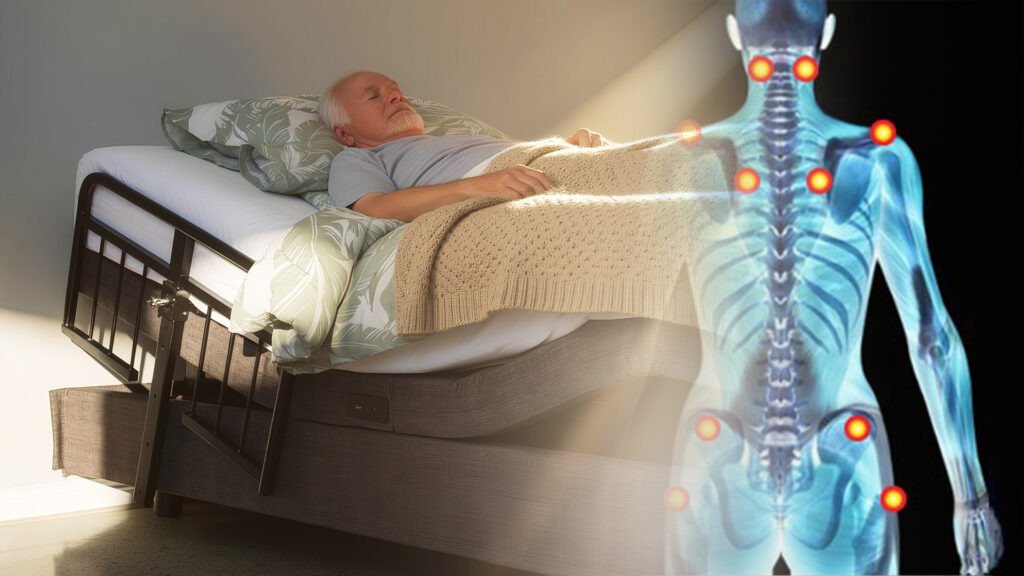
Fibromyalgia is closely linked to pressure sensitivity. Zero-gravity positioning gently elevates the head and legs, allowing the spine to rest in a neutral alignment while redistributing weight away from pressure-prone areas such as the hips, shoulders, and lower back.
This positioning can help:
- Minimise pressure points
- Reduce muscle tension
- Decrease pain during prolonged rest
Improved Sleep Quality
Disrupted sleep often worsens fibromyalgia symptoms. Being able to make small, precise adjustments through voice commands allows users to stay comfortable throughout the night—without fully waking or aggravating pain.
Many users report:
- Fewer night-time awakenings
- Less morning stiffness
- Improved overall rest quality
Greater Independence and Safety
Pain flare-ups can make even simple movements exhausting. A voice-controlled bed reduces reliance on carers for repositioning, giving users more control over their comfort.
Combined with hi-low height adjustment, these beds also support safer transfers—particularly important for people experiencing fatigue, dizziness, or reduced balance.
Occupational Therapist Recommendations
Occupational therapists often recommend electric hi-low beds for allied health use when supporting people with fibromyalgia, especially when pain impacts sleep, mobility, or independence.
From an OT perspective, voice-controlled zero-gravity beds support:
- Energy conservation
- Pain-minimising positioning strategies
- Reduced physical load during daily routines
Common recommendations include:
- Zero-gravity positioning during pain flares
- Gentle leg elevation to reduce muscle tension
- Voice control to limit repetitive or forceful movements
These beds also integrate well with other assistive technology beds and pressure-relief accessories commonly prescribed in homecare settings.
NDIS and SWEP Approved Options in Victoria
NDIS Approved Adjustable Beds
For eligible participants, NDIS approved adjustable beds may be funded when they:
- Support functional independence
- Reduce pain-related limitations
- Minimise the need for informal or paid care
Voice-controlled beds are increasingly considered appropriate disability care beds for home use when chronic pain significantly impacts daily living.
SWEP Approved Assistive Beds (Victoria)
Victorian residents may also qualify for SWEP approved assistive beds, depending on clinical need and assessment outcomes. This pathway supports access to assistive technology beds Victoria for individuals with long-term or complex conditions.
Funding criteria vary, and professional assessment is usually required.
Hire, Trial, and Purchase Options Across Victoria
Choosing a bed for fibromyalgia is highly personal. Comfort, responsiveness, and positioning tolerance differ from person to person, which is why trying before committing can be valuable.
Assistive Tech Hub offers:
- Short-term hire during symptom flare-ups
- Rental options while awaiting funding approval
- Long-term purchase for ongoing support
Explore flexible options here:
These options are ideal for NDIS participants, carers, and families across Victoria seeking practical, low-risk solutions.
Why Voice-Controlled Zero-Gravity Beds Suit Homecare and Aged Care
For aged care beds, mobility beds for elderly in Victoria, and homecare beds with voice control for NDIS, voice activation combined with zero-gravity positioning offers clear benefits:
- Less physical effort during repositioning
- Reduced pain during rest
- Improved comfort without assistance
- Safer night-time adjustments
For carers, this also means fewer manual repositioning tasks and reduced physical strain.
Conclusion: Comfort, Control, and Relief for Fibromyalgia
Fibromyalgia requires thoughtful, flexible support—especially during rest. A voice control adjustable bed with zero-gravity positioning offers a practical way to reduce pressure, ease muscle strain, and support better sleep without added effort.
By combining hands-free control, therapeutic positioning, and homecare-ready design, these beds help Australians with fibromyalgia regain comfort, independence, and confidence at home.
If you’d like guidance on choosing the right bed, exploring funding options, or arranging a trial, Assistive Tech Hub is here to help.
📞 Contact Us for personalised advice and professional support.
Key Takeaways
- Voice-controlled beds allow repositioning without physical strain
- Zero-gravity positioning reduces pressure and muscle tension
- Ideal for Australians living with fibromyalgia and chronic pain
- NDIS and SWEP funding options may be available
- Hire or trial options allow real-world testing before purchase