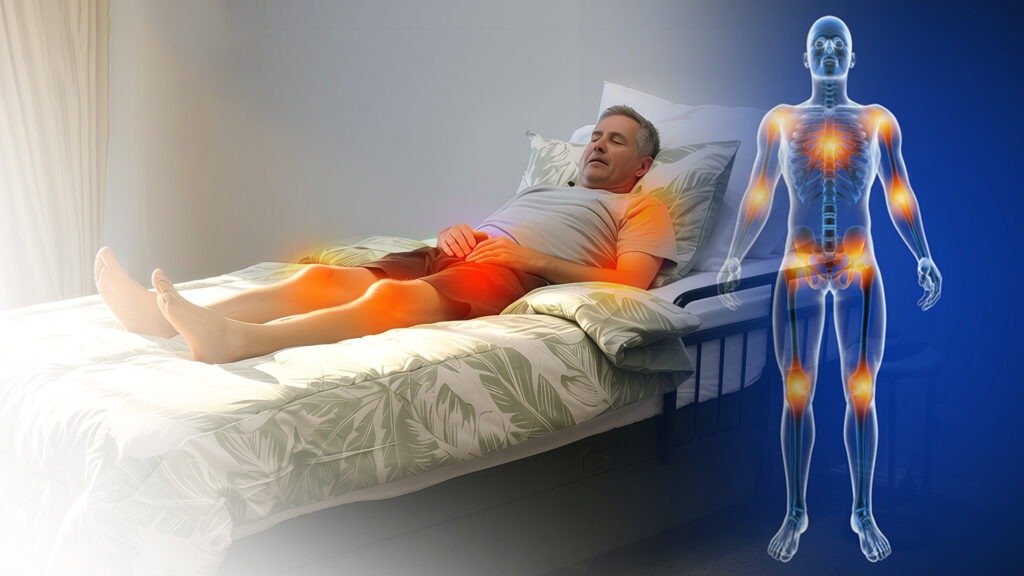
Living with Ehlers-Danlos Syndrome (EDS) means dealing with chronic joint pain, instability, and fatigue on a daily basis. For many Australians, even simple movements like turning in bed or adjusting sleeping positions can cause discomfort, joint strain, or fear of dislocation. This is where a voice control adjustable bed becomes more than a convenience — it becomes an essential support tool.
Modern assistive beds now allow users to reposition safely using simple voice commands, reducing physical effort while promoting comfort, independence, and joint protection. For individuals with EDS across Victoria, voice-controlled hi-low beds are transforming how pain is managed at home.
To explore assistive technology solutions designed for independence and safety, visit the Assistive Tech Hub homepage.
Introduction: Living with Ehlers-Danlos Pain
EDS is a connective tissue condition that often leads to:
- Joint hypermobility and instability
- Chronic musculoskeletal pain
- Frequent fatigue and poor sleep quality
Manual bed adjustments can be particularly challenging for people with EDS. Pulling levers, pressing buttons repeatedly, or shifting body weight to reposition can increase joint stress and trigger pain flares. Over time, this can negatively affect sleep, recovery, and overall wellbeing.
A voice control adjustable bed removes these physical barriers by allowing hands-free repositioning, reducing strain on vulnerable joints.
Voice-Controlled Hi-Low Beds Explained
A voice-controlled hi low adjustable bed combines smart technology with ergonomic design to support people with chronic pain and mobility challenges.
Key Features Include:
- Voice-activated controls that adjust head, foot, and height positions without manual effort
- Hi-low height adjustment, making it safer to get in and out of bed while reducing fall risk
- Zero-gravity positioning, which evenly distributes body weight and relieves joint pressure
- Smooth, quiet motors to prevent sudden movements that could stress hypermobile joints
These features are especially valuable for EDS patients who need precise positioning without repetitive or forceful movements.
You can view a suitable option at the Voice-Control Homecare Hi-Low Bed product page.
Benefits for EDS Patients
Reduced Joint Strain and Discomfort
Voice commands eliminate the need to push, pull, or twist when adjusting the bed. This significantly reduces repetitive stress on fragile joints, helping prevent subluxations and pain flare-ups.
Enhanced Independence for Daily Repositioning
People with EDS often rely on carers for repositioning, especially during pain episodes. A voice control adjustable bed allows users to change positions independently — even during the night — without assistance.
Improved Sleep and Rest Quality
Better positioning supports spinal alignment, reduces muscle tension, and promotes deeper, uninterrupted sleep. For chronic pain sufferers, quality rest is essential for symptom management and recovery.
Increased Safety
Hi-low functionality allows the bed to be lowered close to the floor, reducing injury risk during transfers. This is particularly important for users with joint instability and balance concerns.
Occupational Therapist Insights
Occupational therapists frequently recommend electric hi-low beds for allied health use when supporting EDS patients at home. These beds allow:
- Custom positioning to support unstable joints
- Integration with pillows, braces, and pressure-relief supports
- Safer transfers for both users and carers
Voice-controlled beds also reduce caregiver strain, making them ideal for long-term homecare and disability support environments.
NDIS and SWEP Approved Options in Victoria
Many NDIS approved adjustable beds and SWEP approved assistive beds are available to eligible participants across Victoria. Funding may cover:
- Disability care beds for home use
- Smart homecare beds with voice control
- Electric adjustable beds for elderly and chronic pain users
Eligibility depends on individual support needs and assessments. Assistive Tech Hub works with participants, carers, and therapists to help navigate funding options.
Hire, Trial, and Purchase Options
Not ready to commit to a purchase? Assistive Tech Hub offers flexible options so users can experience the benefits first:
- Short- or long-term hire options via the Assistive Technology Hire page
- Trial or rental enquiries through the Rental Enquiry form
- Expert guidance to match the right bed to your condition and home setup
These options are ideal for EDS patients wanting to test comfort and positioning before making a long-term decision.
Conclusion
For Australians living with Ehlers-Danlos Syndrome, managing pain while maintaining independence can feel overwhelming. A voice control adjustable bed provides a practical, supportive solution by allowing safe, hands-free repositioning that protects joints and improves sleep quality.
By reducing physical strain, enhancing safety, and supporting daily comfort, voice-controlled beds empower EDS patients to live more confidently at home.
For personalised advice or to discuss suitable options, contact Assistive Tech Hub today.