Neck and shoulder injuries can make even simple movements painful and risky. Tasks most people take for granted—sitting up in bed, adjusting pillows, or reaching for a remote—can place strain on healing muscles and joints.
For Australians recovering at home, a voice control adjustable bed offers a safer way to reposition, rest, and recover without aggravating injuries. These beds are increasingly recommended in homecare, aged care, and NDIS-supported environments across Victoria.
Introduction: Why Neck and Shoulder Injuries Limit Everyday Movement
Neck and shoulder injuries often cause:
- Pain with lifting or reaching
- Muscle guarding and stiffness
- Reduced arm strength or range of motion
- Difficulty supporting body weight during movement
Conditions such as rotator cuff injuries, cervical spine issues, post-surgical restrictions, and accident-related trauma can make bed mobility particularly challenging. Without the right support, repeated strain can slow recovery and increase reliance on carers.
The Problem: Standard Beds Force Painful Movements
Most standard beds are not designed for injury recovery. They often require users to:
- Push through the arms or shoulders to sit up
- Twist the torso to adjust pillows or position
- Reach repeatedly for remotes or bed controls
- Rely on carers for simple repositioning
These movements can aggravate neck and shoulder injuries, increase pain levels, and heighten the risk of setbacks during recovery.
What Is a Voice-Control Adjustable Bed?
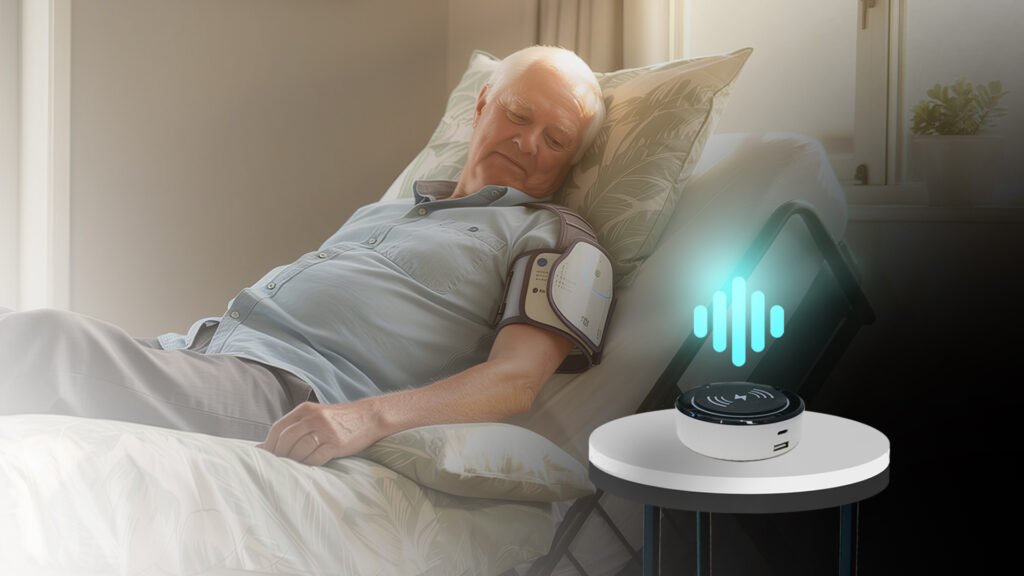
A voice control adjustable bed allows users to change bed positions using spoken commands rather than physical effort. This removes the need for reaching, pushing, or twisting.
Features commonly include:
- Backrest elevation for supported sitting
- Leg elevation for circulation and comfort
- Hi-low height adjustment for safer transfers
- Smooth, controlled movement to avoid sudden strain
The Voice-Control Homecare Hi-Low Bed is designed for injury recovery, disability care, and aged care use in Australian homes.
How Voice-Controlled Beds Reduce Strain on the Neck and Shoulders
Voice-controlled beds reduce physical stress in several key ways:
- No reaching for remotes or controls
- No bending, twisting, or pushing through painful joints
- Hands-free adjustments during pain flare-ups
- Smooth transitions from lying to sitting positions
- Safer entry and exit using hi-low height positioning
By removing these high-risk movements, users can reposition themselves without compromising healing tissues.
Clinical Benefits for Injury Recovery
From a clinical perspective, appropriate bed positioning supports recovery by:
- Reducing muscle tension in the neck and shoulders
- Improving circulation to injured areas
- Supporting neutral spinal alignment
- Minimising swelling through controlled elevation
- Allowing frequent micro-adjustments without strain
Physiotherapists and occupational therapists often recommend electric hi-low beds for allied health use when neck or shoulder movement is restricted.
Benefits for Elderly Users and Carers
Older Australians with neck or shoulder injuries often face additional challenges such as reduced balance or strength. Voice-controlled beds help by:
- Reducing the need for carers to manually reposition users
- Supporting predictable, stable movements
- Lowering fall risk during transfers
- Making night-time care safer and less physically demanding
These benefits are particularly valuable in aged care beds Victoria and home-based recovery settings.
NDIS, SWEP, and Aged Care Funding Pathways
In Victoria, access to voice-controlled beds may be supported through:
- NDIS approved adjustable beds with OT assessment
- SWEP approved assistive beds for short-term or transitional needs
- Aged care and homecare equipment programs
Assistive Tech Hub works with therapists and funding bodies to help match the right equipment to individual recovery needs.
Hire, Trial, or Buy Voice-Controlled Beds in Victoria
Neck and shoulder injuries may require temporary or long-term support. Flexible options include:
- Short-term recovery support through bed hire
- Trial or extended use via rental enquiry
- Purchase for ongoing injury management or chronic conditions
This flexibility allows users and families to choose what suits their recovery timeline.
Key Features That Improve Safety for Neck and Shoulder Injury Patients
When selecting a bed for neck or shoulder injuries, look for:
- Touch-free voice commands to avoid reaching
- Adjustable height for safer transfers
- Backrest elevation to reduce neck strain
- Smooth, quiet motors for controlled movement
- Optional side rails for added stability
Beds designed for electric beds for aged care and disability use often include these safety-focused features.
Conclusion
Neck and shoulder injuries require careful movement and proper support. A voice control adjustable bed reduces strain, improves safety, and allows people to reposition without triggering pain or risking further injury.
For injury recovery, elderly care, or NDIS-supported home use, voice-controlled beds provide a practical solution that supports independence while protecting vulnerable joints.
For personalised guidance or OT-supported recommendations, you can contact Assistive Tech Hub for assistance.