For Australians living with Chronic Fatigue Syndrome (CFS/ME), conserving energy is a daily priority. Even small tasks like adjusting a bed can trigger fatigue, muscle aches, or post-exertional malaise (PEM). A voice control adjustable bed provides a practical solution, allowing hands-free adjustments that reduce physical effort, support independence, and align with clinical fatigue management strategies.
Introduction: Why Energy Conservation Matters for Australians with CFS/ME
People with CFS often experience severe, unpredictable fatigue. Everyday activities that seem simple for most—sitting up, lifting a blanket, or reaching for a remote—can require disproportionate energy. Conserving energy is essential to prevent PEM, maintain daily function, and support overall well-being.
Voice-controlled beds allow users to manage sleep and positioning without using extra energy, helping maintain their “energy envelope”, a key principle in CFS management.
Understanding Fatigue Flare-Ups and Limited Physical Capacity
CFS is characterized by:
- Chronic, persistent fatigue that is not alleviated by rest
- Reduced physical and cognitive capacity
- Post-exertional malaise triggered by minimal effort
- Sleep disturbances and unrefreshing sleep
These factors make independent movement in bed challenging. Using a traditional adjustable bed or manual repositioning can quickly deplete energy reserves, making nights longer and recovery slower.
What Is a Voice-Control Adjustable Bed?
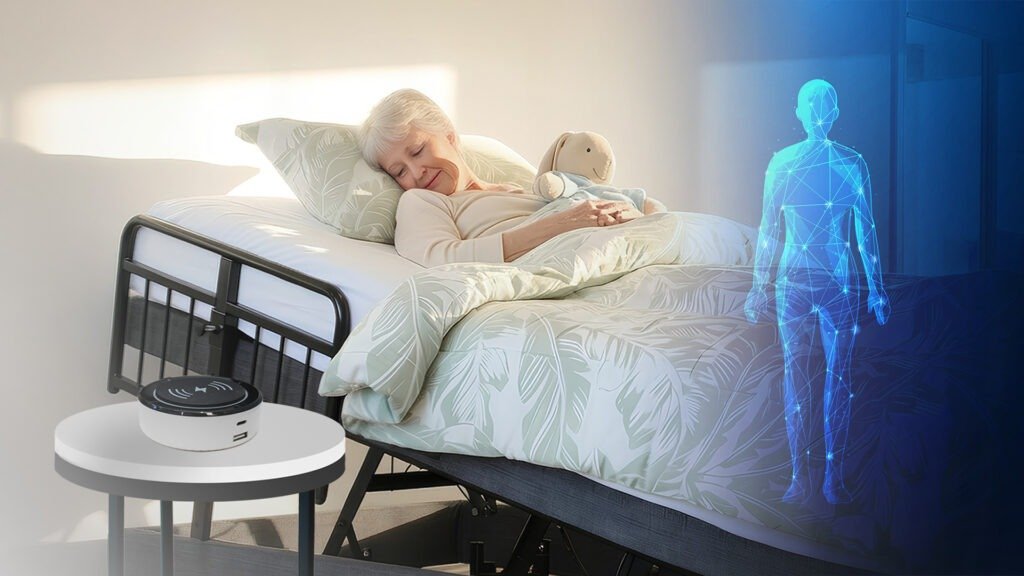
A voice control adjustable bed responds to spoken commands, enabling precise adjustments without physical effort. Features commonly include:
- Independent head, back, and leg elevation
- Hi-low height adjustment for safe transfers
- Quiet, smooth operation suitable for night-time use
- Hands-free control to reduce strain on muscles and joints
The Voice-Control Homecare Hi-Low Bed is a practical example designed for older Australians, NDIS participants, and anyone with mobility limitations.
How Voice Commands Reduce Energy Use
Voice-controlled beds help conserve energy by:
- Eliminating the need to lift arms, reach, or handle remotes
- Allowing comfortable repositioning without engaging fatigued muscles
- Supporting the energy envelope approach, which balances activity with rest
- Preventing post-exertional malaise triggered by unnecessary movement
With voice commands, users can adjust head elevation for comfort, lift legs to reduce swelling, or lower the bed for safe transfers—all without exerting extra energy.
Real Benefits for People Living with Chronic Fatigue Syndrome
Using a voice-controlled bed can result in:
- Improved sleep quality through effortless nighttime adjustments
- Reduced morning exhaustion by conserving energy throughout the night
- Greater independence, reducing reliance on carers or family
- Enhanced safety and reduced strain when moving or repositioning
These advantages are especially valuable for Australians managing chronic fatigue and related conditions like fibromyalgia or post-viral syndromes.
Clinical & NDIS Advantages of Voice-Controlled Hi-Low Beds
Occupational therapists often recommend voice-enabled assistive beds for CFS management because they:
- Reduce energy expenditure for daily repositioning
- Allow safe transfers with hi-low height adjustments
- Include NDIS and SWEP-approved features, making them accessible through funding pathways
- Serve as both homecare and mobility beds for elderly in Victoria, enhancing independence
This makes the beds clinically and practically suitable for long-term home support.
Hire or Buy: Which Option Is Best for CFS Management?
Choosing between hiring and purchasing depends on individual needs:
- Hire: Ideal for short-term support during flare-ups or transitional periods. View hire options
- Rental enquiry: Enables trial and flexible use without committing to purchase. Submit a rental enquiry
- Purchase: Suitable for long-term management, offering permanent access to energy-saving technology. Explore product page
All options ensure Australians with CFS can maintain independence while managing energy carefully.
Choosing the Right Assistive Bed for Fatigue Management
When selecting a bed for energy conservation, look for:
- Hands-free voice control for effortless adjustments
- Quiet and smooth articulation suitable for night use
- Hi-low adjustment for safe entry and exit
- Independent head, back, and leg elevation
- Clinical endorsement or OT guidance for optimal support
These features help prevent unnecessary exertion and make daily routines more manageable for people with chronic fatigue.
Conclusion
For Australians living with Chronic Fatigue Syndrome, conserving energy is essential. A voice control adjustable bed allows safe, hands-free repositioning, reduces strain, and supports independence—all critical for managing fatigue, preventing PEM, and improving quality of life.
Whether through hiring, trialling, or purchasing, voice-controlled beds are an effective tool for energy management in homecare and aged care settings. For personalised advice and OT-supported guidance, contact Assistive Tech Hub today.