
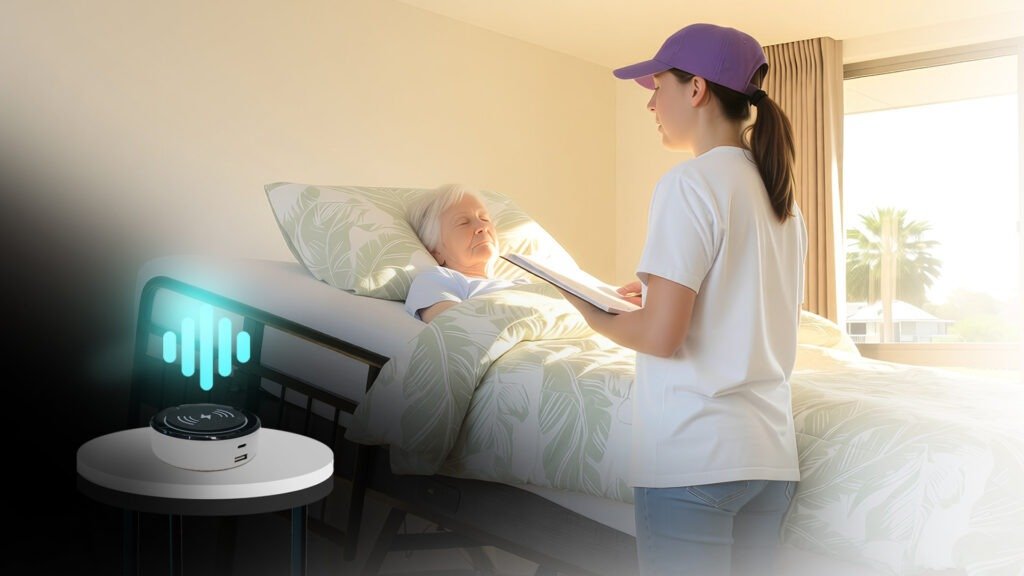
Caring for elderly or disabled Australians at home often involves physical tasks that can put strain on carers. Lifting, repositioning, and adjusting patients manually increases the risk of injury, fatigue, and discomfort. A voice control adjustable bed provides a hands-free solution that reduces carer strain while supporting safe and independent positioning for patients.
Introduction: The Challenges of Carer Manual Handling
Carers and family members face numerous challenges during homecare:
- Repeated lifting or repositioning of patients
- Risk of back strain, shoulder injuries, or fatigue
- Difficulty adjusting bed positions for comfort, pain management, or clinical needs
- Dependence on physical strength rather than safe, ergonomic solutions
These challenges are especially relevant for carers supporting older Australians or NDIS participants in homecare settings. Using a bed with voice-controlled functionality can significantly reduce these risks.
Understanding Voice-Controlled Adjustable Beds
A voice control adjustable bed allows patients or carers to adjust bed positions using simple voice commands. Key features include:
- Hi-low height adjustments for safe transfers
- Backrest and leg elevation for comfort and clinical support
- Smooth, quiet motion for repositioning without physical effort
- Hands-free operation to support both patient independence and carer wellbeing
Check the Voice-Control Homecare Hi-Low Bed for an example of a bed designed specifically for Australian homecare environments.
Benefits for Carers and Families
Voice-controlled beds offer multiple advantages that help reduce manual handling injuries:
- Reduced physical strain and injury risk: No need to lift, push, or twist patients
- Easier repositioning of patients: Adjustments can be made safely while the patient remains in bed
- Supports mobility beds for elderly in Victoria: Improves safety for older adults or those with limited mobility
- Improves patient independence: Patients can make small adjustments themselves, reducing reliance on carers
These benefits create a safer and more comfortable homecare environment for both patients and carers.
Health and Safety Compliance
Voice-controlled beds align with clinical and regulatory guidelines:
- NDIS and SWEP-approved assistive beds: Eligible for funded support programs for NDIS participants
- Occupational therapist recommended beds: Designed to reduce manual handling risks and promote safe transfers
- Enhanced safety features: Lockable castors, side rails, and controlled movement reduce fall risks
Using these beds ensures carers comply with best practice for health and safety while delivering homecare support.
Hire or Purchase Options
Australian families and carers can access voice-controlled beds in flexible ways:
- Hire: Ideal for temporary care or post-surgery recovery. View hire options
- Rental enquiry: Test beds before committing to long-term use. Submit rental enquiry
- Purchase: For permanent use at home or in aged care settings. Explore product page
These options make assistive technology beds accessible to families and carers across Australia.
Practical Tips for Home Use
- Encourage patients to use voice commands when possible to promote independence
- Position the bed for optimal safety during transfers
- Combine bed adjustments with light mobility exercises recommended by physiotherapists or occupational therapists
- Use hands-free operation to reduce carer fatigue during night-time repositioning or frequent adjustments
These practices maximize the benefits of voice-controlled beds while maintaining safety for carers and patients.
Conclusion
A voice control adjustable bed is an effective tool for reducing manual handling risks for carers in Australian homes. By enabling hands-free, safe, and independent repositioning, these beds protect carers from strain while improving patient comfort and wellbeing. With NDIS/SWEP-approved options, and flexible hire or purchase solutions, families and homecare providers can access practical support tailored to their needs.