
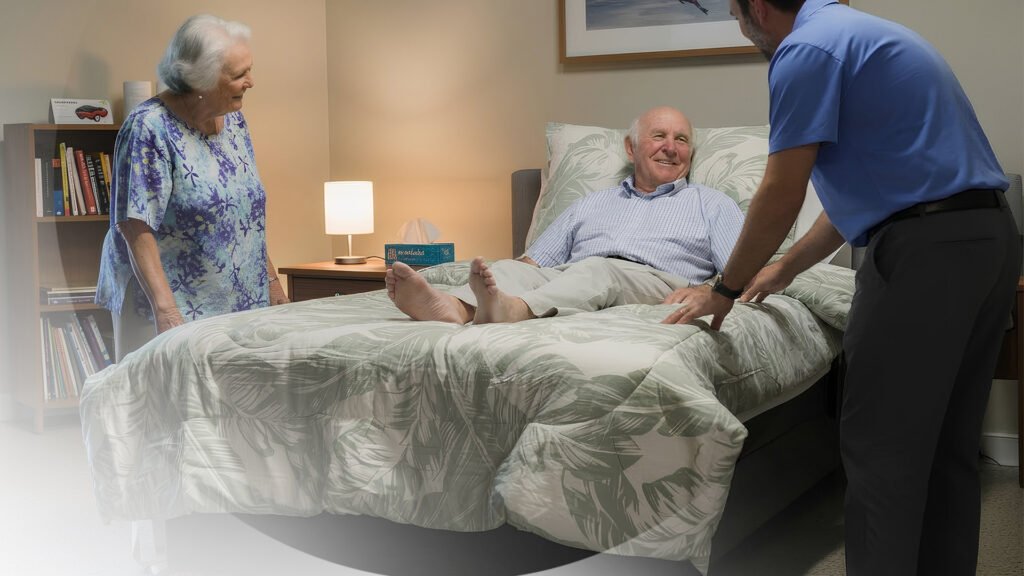
For individuals with limited mobility, daily tasks such as adjusting a bed can be physically challenging and sometimes unsafe. Occupational therapists (OTs) in Australia often recommend voice control adjustable beds to enhance independence, comfort, and safety at home, while reducing caregiver strain.
Introduction: The Role of Occupational Therapists in Homecare
Occupational therapists assess the needs of individuals with mobility limitations and recommend assistive technologies that promote safe, independent living. In homecare settings, OTs focus on solutions that minimise risk, maximise autonomy, and align with NDIS or SWEP guidelines.
Voice-controlled beds have emerged as a highly effective solution, enabling users to manage their bed’s position effortlessly while supporting caregivers and allied health professionals.
Understanding Limited Mobility Challenges
People with limited mobility may face challenges such as:
- Difficulty repositioning themselves in bed
- Reliance on carers for transfers and daily care
- Risk of falls or injury due to unsafe bed heights
- Strain or discomfort during prolonged periods in bed
These challenges highlight the importance of safe, easy-to-use solutions that improve both user independence and caregiver efficiency.
Why Voice-Controlled Hi-Low Beds Are Recommended by OTs
OTs recommend voice-controlled hi-low beds for several reasons:
- Supports safe transfers: Hi-low functionality allows bed height adjustment to the ideal level for safe getting in and out of bed.
- Reduces manual handling risks: Caregivers spend less time lifting or repositioning users, lowering the risk of injury.
- Enhances independence for daily tasks: Users can adjust head, back, legs, and overall bed height without assistance, supporting autonomy in personal care and sleep positioning.
These features make voice-controlled beds an OT-approved assistive technology solution suitable for homecare and NDIS funding.
Benefits for Users and Carers
The advantages of voice-controlled beds extend to both users and caregivers:
- Comfort and postural support: Fine-tuned adjustments relieve pressure points and improve alignment.
- Reduced carer workload: Less physical effort is required, particularly during night-time care or repositioning.
- Promotes ageing in place: Safe, independent bed adjustments allow users to remain in their home environment longer, supporting quality of life.
Voice-controlled beds integrate seamlessly into homecare routines, improving safety, efficiency, and wellbeing for everyone involved.
How to Access Voice-Controlled Beds in Victoria
These assistive beds are accessible through flexible options:
- Purchase: Ideal for long-term independence. View product
- Hire: Suitable for short-term use or trial periods. View hire options
- Rental enquiry: Explore temporary or transitional solutions. Submit rental enquiry
These options allow users and families to choose the arrangement that best meets their homecare needs.
OT Recommendations and Case Examples
Occupational therapists frequently highlight the following:
- Users achieve greater independence with minimal caregiver intervention.
- Beds reduce the risk of injury for both participants and carers during transfers and repositioning.
- Aligns with NDIS and SWEP-approved assistive technology standards, making them eligible for funding and compliant with best practice recommendations.
Real-world cases show users maintaining autonomy while caregivers report less physical strain, confirming the effectiveness of voice-controlled hi-low beds in homecare environments.
Conclusion
For users with limited mobility, a voice control adjustable bed is more than a comfort solution—it is a tool for independence, safety, and dignity. Recommended by occupational therapists across Australia, these beds empower participants, reduce caregiver strain, and support NDIS-compliant homecare.
By embracing voice-controlled beds, individuals regain control over their daily routines, ensuring that independence is never compromised by physical limitations.