
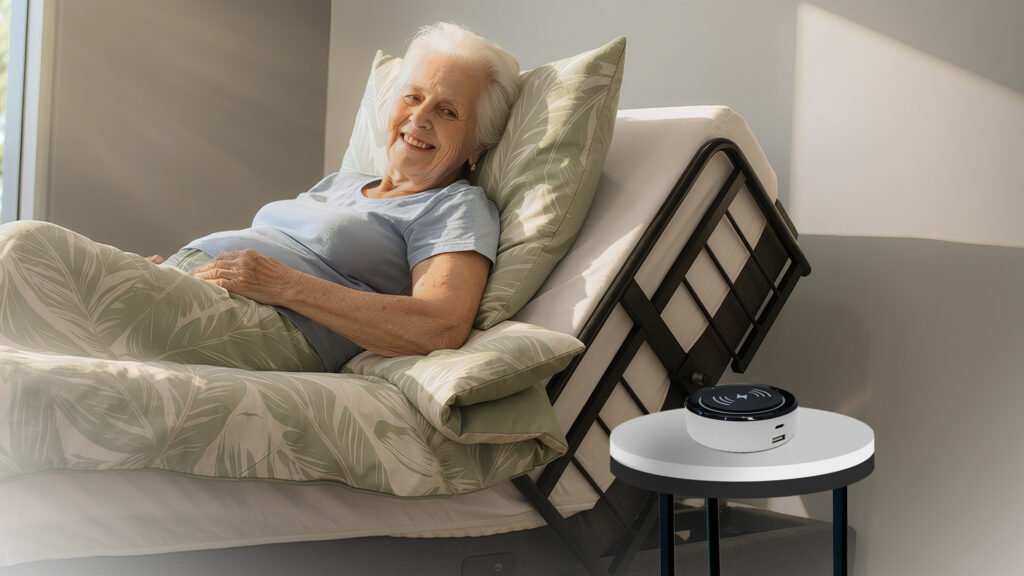
As more Australians choose to age at home, assistive technology plays an increasingly important role in maintaining safety, comfort, and independence. One piece of equipment gaining strong attention in aged care and homecare settings is the voice control adjustable bed. For older Australians with mobility limitations, chronic conditions, or reduced strength, this type of bed can significantly improve daily living.
However, funding is often the biggest question. While not everyone qualifies for NDIS, there are multiple aged care funding alternatives available to help access voice-controlled adjustable beds in Australia.
Introduction: Ageing in Place With Technology
Ageing in place allows older Australians to remain in familiar surroundings while receiving the support they need. But this requires the right equipment to reduce risks such as falls, poor sleep, and carer strain.
Voice-controlled beds are increasingly recognised as essential assistive beds because they allow users to adjust their position independently without physical effort. When combined with the correct funding pathway, these beds become an achievable solution rather than an out-of-reach upgrade.
Understanding Voice-Controlled Adjustable Beds
A voice control adjustable bed is an electric hi low adjustable bed that responds to verbal commands, allowing users to raise or lower the bed height, adjust head elevation, or change leg positioning without using hand controls.
These beds are commonly recommended for:
- Older adults with arthritis, weakness, or balance issues
- Individuals recovering from surgery or illness
- Users requiring mobility beds for elderly in Victoria-based homecare settings
Many occupational therapist recommended beds now include voice activation because it removes barriers caused by pain, fatigue, or limited dexterity.
Funding Options for Aged Care Beds in Australia
There is no single funding pathway for aged care beds. Instead, eligibility depends on individual needs, age, diagnosis, and support plans.
Government Funding Programs
Older Australians may access funding through programs such as the Commonwealth Home Support Programme (CHSP) or Home Care Packages (HCP). These programs may contribute toward electric beds for aged care when they are shown to improve safety and independence at home.
NDIS for Eligible Participants
Some older Australians remain eligible for NDIS, particularly those with lifelong or early-onset disabilities. In these cases, voice-control beds may be approved as NDIS approved adjustable beds when supported by clinical documentation.
SWEP or State-Level Support
State-based schemes such as SWEP approved assistive beds can provide funding or subsidies for eligible individuals. These programs typically require an occupational therapist assessment and focus on equipment that improves function and safety.
Private Funding and Insurance Options
When government funding is limited or unavailable, families may choose private purchase, insurance support, or short-term solutions such as hire or rental to meet immediate needs.
How to Access Funding for Voice-Control Beds
Funding approval depends on demonstrating functional need rather than preference.
Eligibility Requirements
Assessors look for clear evidence that the bed will reduce risks, improve mobility, or support daily tasks. Voice control is particularly relevant for users who struggle with hand controls or repositioning.
Occupational Therapist Recommendations
An OT assessment is often the strongest supporting document. OTs outline how the bed improves transfers, reduces carer strain, and supports safe positioning for sleep and rest.
Documentation and Assessment Process
Reports typically include mobility limitations, safety risks, and how a hi low adjustable bed addresses these issues. This documentation is essential across aged care, NDIS, and state funding pathways.
Benefits of Voice-Control Beds for Aged Care Recipients
Independence and Mobility
Being able to adjust the bed independently restores dignity and autonomy. This is especially important for users relying on disability care beds for home use or long-term support.
Safety and Reduced Carer Strain
Electric adjustable beds for elderly users reduce manual handling demands on carers and family members, lowering the risk of injury during transfers and repositioning.
Comfort and Quality of Life
Adjustable positioning improves circulation, pressure relief, and sleep quality. These benefits are critical for older adults managing pain, respiratory conditions, or reduced endurance.
Hire, Rental, and Purchase Options in Victoria
Assistive Tech Hub offers flexible solutions based on individual needs and funding situations.
Long-term purchase options are available through voice-controlled homecare beds designed for safety and durability:
product page
For short-term or transitional needs, hire services allow users to trial equipment without long-term commitment:
hire options
Rental options provide flexibility for recovery, respite care, or pending funding approvals:
rental enquiry
Guidance is also available for families navigating aged care and funding pathways:
Cotact us
Conclusion
Voice-controlled adjustable beds are no longer seen as optional extras in aged care—they are practical solutions that improve safety, independence, and quality of life. With multiple funding alternatives available across aged care, NDIS, and state programs, access is possible when needs are clearly documented and professionally supported.
Ageing with dignity starts with control over everyday comfort—and the right bed can restore that control one voice command at a time.