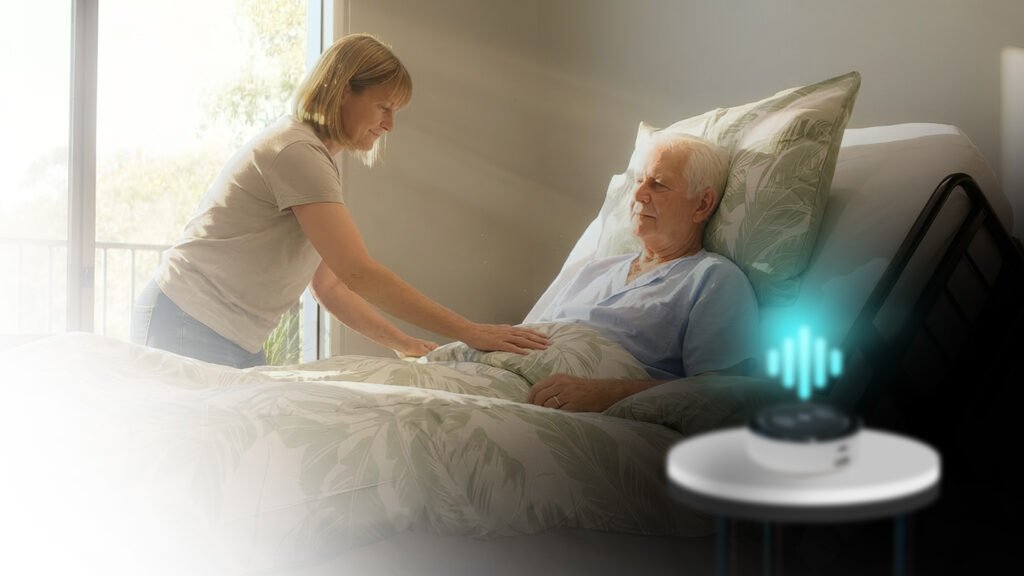
Recovering at home after surgery can be challenging for both patients and their families. Limited mobility, pain, and fatigue make daily movements and repositioning difficult. A voice control adjustable bed offers hands-free support, helping patients stay comfortable while reducing the physical strain on family carers.
Introduction: Challenges in Postoperative Home Care
Postoperative recovery often requires:
- Frequent position changes to reduce pain and prevent pressure sores
- Assistance with sitting up, lying down, or elevating legs and torso
- Caregiver support for safe transfers, especially for older adults
For families, these tasks can be physically demanding, particularly when patients have restricted movement or weakness.
The Role of Bed Positioning in Recovery
Proper bed positioning is critical to:
- Reduce swelling and improve circulation
- Support breathing and digestion
- Protect surgical sites from strain or injury
- Facilitate safe transfers and mobility
Small adjustments in head, back, or leg elevation can significantly improve comfort and recovery outcomes.
What Are Voice-Controlled Adjustable Beds?
A voice control adjustable bed allows patients or carers to reposition the bed without manual effort. Key features include:
- Hands-free operation via voice commands
- Hi-low height adjustment for safer entry and exit
- Smooth backrest and leg articulation for comfort
- NDIS and SWEP-approved options for homecare support
The Voice-Control Homecare Hi-Low Bed is designed to meet the needs of postoperative patients and their families.
Benefits for Postoperative Patients and Families
Voice-controlled beds support recovery in practical ways:
- Hands-free repositioning reduces strain on patients with limited strength
- Safer mobility for patients, lowering the risk of falls or injury
- Reduced caregiver effort, allowing families to assist without physical overexertion
- Supports independence, letting patients adjust their position safely without waiting for assistance
These advantages improve both comfort and wellbeing during the critical recovery phase.
Clinical and NDIS Advantages
Occupational therapists and allied health professionals often recommend voice-controlled beds because they:
- Follow OT-recommended positioning guidelines
- Include features that are NDIS and SWEP-approved for homecare
- Support safe transfers and allied health interventions in the home
This ensures compliance with clinical best practices while easing family responsibilities.
Hire or Purchase Options for Families
Australian families have flexible options to access voice-controlled beds:
- Hire: Ideal for short-term post-surgery support. View hire options
- Rental enquiry: Allows trial or temporary use. Submit rental enquiry
- Purchase: Best for long-term recovery or permanent home use. Explore product page
These options make assistive technology accessible for families managing home recovery.
Choosing the Right Bed for Home Recovery
When selecting a bed, consider:
- Smooth head, back, and leg articulation
- Hi-low height adjustment for safer patient entry and exit
- Hands-free voice control for energy conservation and independence
- Quiet operation to minimize sleep disruption
- Optional safety rails for added stability
Selecting the right features ensures both patient comfort and caregiver safety.
Conclusion
Home recovery after surgery can be stressful for both patients and their families. A provides hands-free support, reduces strain, and encourages patient independence. With hire, rental, and purchase options available, Australian families can access safe and practical solutions for postoperative care.