
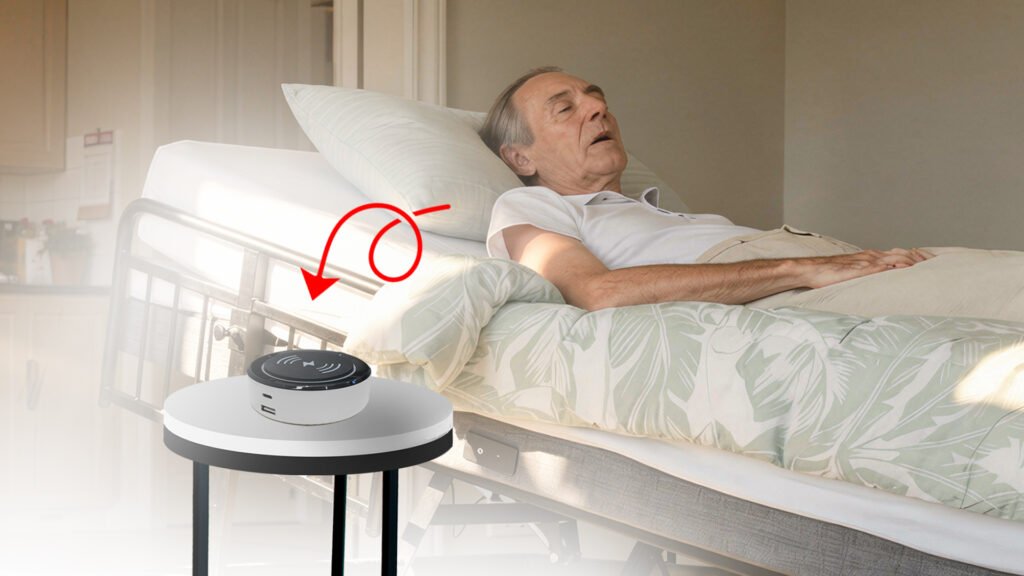
Introduction: Understanding Muscular Dystrophy and Daily Care Needs
Muscular Dystrophy (MD) is a group of genetic conditions characterised by progressive muscle weakness. For Australians living with MD, even small daily movements, such as adjusting position in bed, can be exhausting. Fatigue, reduced arm strength, and limited mobility make it challenging to maintain comfort, prevent pressure injuries, and support breathing.
Hands-free, voice-controlled beds are increasingly recognised as a vital solution for safe, independent living. Voice control adjustable beds allow users to reposition themselves without relying on physical strength, reducing strain and improving overall quality of life. Families, carers, and NDIS participants across Victoria can access these beds through hire options or purchase.
Learn more about the benefits of assistive technology beds in Victoria for homecare and aged care settings.
Why Muscle Weakness Makes Bed Position Changes Difficult
Muscle weakness from MD affects multiple aspects of daily care:
- Limited arm strength: Even simple movements, like pressing a remote or lifting the bed, may be impossible.
- Fatigue from small movements: Constant effort can quickly lead to exhaustion, affecting independence.
- Breathing support needs: Adjusting the head or foot of the bed is often necessary to support optimal respiratory function, especially during fatigue episodes.
Manual bed controls are not always practical or safe for users with progressive muscle weakness. That’s where hi low adjustable beds come in.
How Hands-Free and Voice-Control Bed Adjustments Work
Voice-controlled beds integrate motorised bed frames with advanced voice recognition. Key features include:
- Hi-low adjustable functions: Raise or lower the bed for safe transfers or comfortable positioning.
- Head and foot tilt adjustments: Elevate the upper or lower body independently to support comfort and therapy.
- Voice commands: Users can say simple commands to adjust bed height, tilt, or position, eliminating the need for hand strength.
- Safety features: Emergency stop, smooth motion, and side rail compatibility ensure secure operation.
These beds are suitable for both home and aged care use, supporting independence and comfort.
Benefits for People with Muscular Dystrophy
Reduces physical strain
Users can adjust their position without relying on carers or manual effort, reducing fatigue and preserving energy for daily activities.
Supports independent living
Voice control empowers users to maintain daily routines safely and with dignity, enhancing overall independence at home.
Safe overnight repositioning
Automatic adjustments minimise the risk of falls or accidents during the night, especially for users with limited mobility.
Better pressure relief and comfort
Regular bed adjustments help prevent pressure injuries, support circulation, and provide optimal comfort during sleep or rest.
Learn more about NDIS and SWEP funding for assistive technology through Assistive Tech Hub’s resources.
Clinical and Allied Health Recommendations
Occupational therapists and allied health professionals often recommend voice control adjustable bed models for people with progressive muscle weakness due to:
- Enhanced safety during transfers
- Adjustable head/foot sections supporting breathing and therapy routines
- Reduced reliance on carers and support workers
- Integration with allied health assessments for funding approvals
These beds are tailored to meet the specific functional needs of each individual, aligning with NDIS and SWEP guidelines in Victoria.
NDIS and SWEP Funding Options in Victoria
AT Categories and Eligibility
Assistive technology (AT) categories under the NDIS or SWEP may cover NDIS approved adjustable beds when recommended by an occupational therapist.
OT Assessments Required
Funding applications require OT reports detailing:
- The functional limitations caused by MD
- Daily care challenges
- Safety, comfort, and mobility needs
These reports help secure financial support for homecare equipment, making voice-controlled beds more accessible.
Provider Guidelines
Selecting an NDIS-approved supplier ensures that the bed meets safety and accessibility standards and provides ongoing support. Families can explore hire options or rental enquiries for trial periods before committing to purchase.
Choosing the Right Hi-Low Bed for Long-Term Muscle Conditions
When choosing a bed for Muscular Dystrophy:
- Safety rails: Provide support during transfers and prevent falls.
- Height adjustment: Facilitate easy caregiver access and independent positioning.
- Tilt and elevation options: Support comfort, breathing, and pressure care.
- Smart homecare beds: Ensure compatibility with future assistive technology upgrades.
OTs often recommend beds with electric hi-low functions and voice control for progressive conditions.
Hire, Trial, or Buy Options Across Victoria
Assistive Tech Hub offers flexible options:
- Hire: Long-term or short-term rentals suitable for trial or ongoing use.
- Rental enquiry: Easy process to request a bed trial or rental quote.
- Purchase: Full ownership for permanent home use.
These options allow families to select the most suitable approach based on current and future needs.
When to Consider Upgrading to Voice-Control Assistive Beds
Voice-controlled beds are particularly beneficial when:
- Muscle weakness progresses and manual bed adjustments become difficult
- Caregiver support is limited or inconsistent
- Independent living is a priority
- Enhanced safety and pressure management are required
Upgrading early can prevent injury, reduce carer fatigue, and improve overall quality of life.
Conclusion: Hands-Free Adjustments Help Maintain Independence and Reduce Fatigue
For Australians living with Muscular Dystrophy, hands-free and voice-controlled bed adjustments are essential for safe, independent home care. These beds reduce physical strain, support daily repositioning, and prevent pressure injuries. With NDIS and SWEP funding options available in Victoria, families can access voice control adjustable beds through hire or purchase.
Explore your options today by viewing the Voice-Control Hi-Low Bed, arranging a hire or trial, submitting a rental enquiry, or contacting our team for OT-guided advice.

Nice blog.