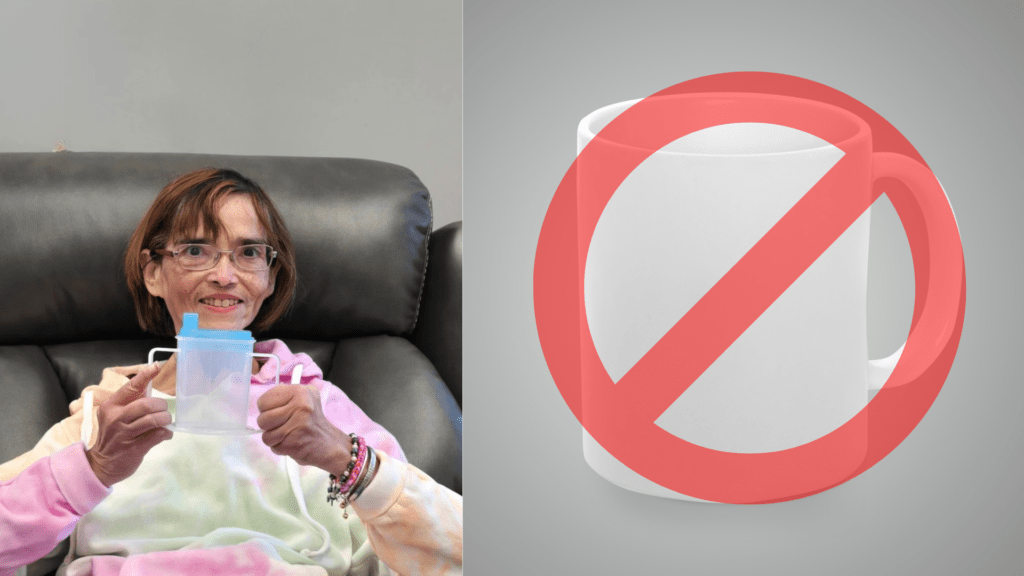

Introduction: Why This Issue Matters for Families and Carers
Buying assistive technology is often an emotional and financial investment. Whether it’s a mobility aid, shower chair, or adjustable bed, every piece of equipment plays a role in a person’s safety, independence, and comfort. But what happens when the product you receive doesn’t match your needs—or worse, turns out to be unsafe or poorly fitted?
Unfortunately, some customers across Australia, including NDIS participants and aged care clients, have experienced being sold unsuitable or low-quality assistive equipment. Knowing your rights under Australian law is crucial to protecting yourself and ensuring you only use products that truly enhance your quality of life.
Common Cases of Unsuitable Assistive Tech
Unsuitable assistive technology can come in many forms. Some of the most common issues include:
- Wrong size or type of equipment – such as a wheelchair that’s too wide for home doorways or a bed that doesn’t adjust properly for the user’s needs.
- Lack of essential safety features – like missing brakes, unstable shower chairs, or poor weight support.
- Sales-driven recommendations – where the focus is on profit rather than genuine suitability or clinical need.
If you’ve encountered any of these problems, you’re not alone—and you have options for redress.
Understanding Your Rights Under Australian Consumer Law
Australian Consumer Law (ACL) protects you when a product you’ve purchased is faulty or not as described. Assistive technology and mobility aids are no exception.
You’re entitled to a refund, replacement, or repair depending on the nature of the problem.
- Major faults (for example, the product doesn’t function safely or cannot be used for its intended purpose) entitle you to a full refund or replacement.
- Minor faults (for example, small issues that can be repaired) entitle you to a free repair within a reasonable time.
These rights apply even if the product was funded through the NDIS or another program such as SWEP—you still have the same consumer protections as any other customer.
NDIS and Aged Care Pathways for Complaints
If your unsuitable equipment was purchased or funded under the NDIS, you can raise a complaint through the NDIS Quality and Safeguards Commission. This body handles cases related to poor service delivery, unsafe products, or misleading sales practices.
For aged care clients, similar support is available through the Aged Care Quality and Safety Commission, which ensures that providers are accountable for the products and services they recommend.
Before escalating, it’s best to first contact the provider or supplier to give them a chance to resolve the issue directly.
Steps to Take If You’ve Been Sold Unsuitable Equipment
If you find yourself in this situation, follow these steps:
- Collect evidence – Keep all receipts, product information, and any communication with the supplier.
- Document the issue – Take clear photos or videos showing faults, poor fit, or unsafe conditions.
- Contact the supplier first – Explain the problem in writing and request a solution.
- Escalate if unresolved – If you’re not satisfied, contact Consumer Affairs Victoria, the ACCC, or the NDIS Quality and Safeguards Commission.
- Seek professional advice – Occupational therapists or allied health professionals can assess whether the equipment is appropriate or not.
Being proactive helps you resolve the issue faster and ensures your safety in the meantime.
Preventing Unsuitable Purchases in the First Place
The best protection is prevention. Before purchasing any assistive technology, take these steps:
- Request a professional assessment – Occupational therapists and physiotherapists can recommend the right equipment based on your needs.
- Ask for a home trial – Reputable suppliers like Assistive Tech Hub offer home trials for products such as adjustable beds, wheelchairs, and shower chairs.
- Inquire about warranty and return policies – Always confirm these details before making a purchase.
- Avoid sales pressure – Genuine providers will prioritise your needs, not push unnecessary accessories or upgrades.
Where to Seek Support and Trusted Advice
If you’re unsure about your rights or next steps, several organisations can help:
- NDIS Quality and Safeguards Commission – for registered NDIS equipment issues.
- Aged Care Quality and Safety Commission – for older Australians receiving aged care services.
- Consumer Affairs Victoria – for general consumer law support.
- Assistive Tech Hub – for trusted guidance and high-quality, NDIS-compatible equipment designed to meet your mobility and care needs.
Conclusion: Protecting Your Rights and Ensuring Safe Choices
Assistive technology should never compromise your safety, comfort, or independence. If you’ve been sold unsuitable equipment, remember—you have the right to request a refund, replacement, or repair. Acting early and documenting the issue gives you the strongest position for resolution.
When in doubt, seek help from qualified therapists or trusted providers who prioritise your well-being over profit.
Explore our mobility aids and assistive tech range, or contact us today for professional advice on choosing equipment that truly supports your daily living needs.