Introduction: Understanding Fine Motor Limitations
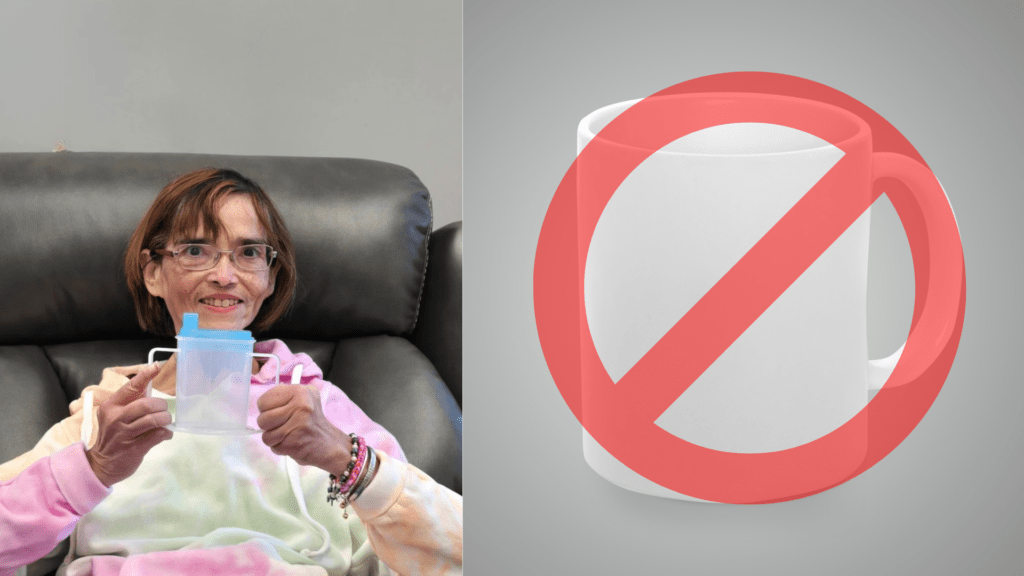
Fine motor limitations can make everyday tasks, such as gripping, pressing buttons, or manipulating small objects, challenging. For individuals who struggle with dexterity, even adjusting a bed using a traditional remote can be frustrating, tiring, and sometimes unsafe. Voice control adjustable beds offer a practical, hands-free solution that enhances independence, reduces strain, and improves comfort for people living with fine motor limitations.
Challenges of Using Traditional Bed Remotes
Traditional bed remotes, while common, may pose several difficulties:
- Difficulty pressing buttons accurately: Limited hand control can make it challenging to operate standard remote buttons.
- Frustration and fatigue from repeated attempts: Repeated pressing can tire hands, wrists, or arms.
- Risk of improper bed positioning: Incorrect adjustments may affect comfort, posture, and safety, potentially increasing the risk of falls or pressure injuries.
These challenges highlight the need for a more accessible, adaptive solution for users with limited dexterity.
How Voice-Controlled Hi-Low Beds Work
Voice-controlled beds combine technology and accessibility features to simplify adjustments:
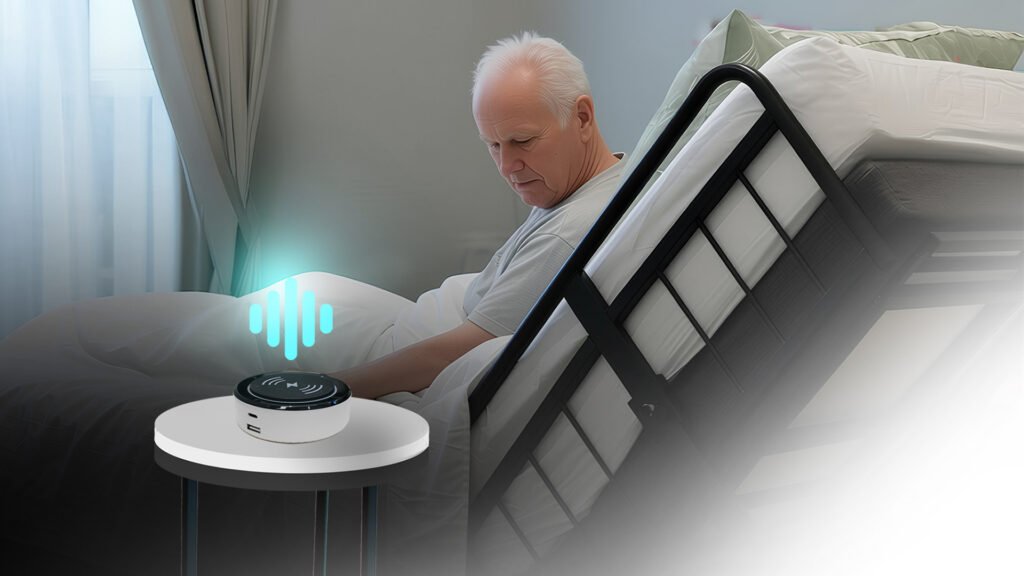
- Hands-free operation using voice commands: Users can control bed positioning simply by speaking, eliminating the need to press buttons.
- Hi-low height and tilt adjustments: Beds can be raised or lowered for safer transfers, while head and leg tilts enhance comfort and circulation.
This technology allows users to independently control their sleeping environment, improving safety and reducing reliance on carers. Explore our Voice-Control Hi-Low Bed to see these features in action.
Benefits for Users with Fine Motor Limitations
Voice-controlled beds provide multiple advantages:
- Independent repositioning: Users can adjust their bed without needing assistance.
- Reduced physical strain: Hands-free control minimizes fatigue and discomfort in fingers, wrists, and arms.
- Enhanced safety and comfort: Hi-low features support safer transfers and optimal positioning.
- Pressure relief and improved circulation: Tilt adjustments help reduce pressure points, improving overall comfort and wellbeing.
Carers also benefit, as less physical assistance is required, reducing the risk of injury during manual adjustments.
Clinical Recommendations and Occupational Therapy Insights
Occupational therapists (OTs) often recommend voice-controlled beds for individuals with limited dexterity:
- Recommended features: Hi-low height, head and leg tilt, voice control functionality, and safety rails.
- Importance of safe bed adjustments: Proper positioning can prevent pressure injuries, improve circulation, and enhance comfort.
Selecting a bed with these features ensures that users receive maximum clinical benefit while maintaining independence.
NDIS and SWEP Funding in Victoria
Many individuals may qualify for funding assistance to access voice-controlled beds:
- Eligibility, assessments, and approved providers: NDIS participants or those under SWEP may receive support after clinical evaluation.
- NDIS-approved adjustable beds and providers: Ensure your chosen bed meets regulatory standards for funding and safety.
For guidance on funding options, visit our Rental Enquiry or Contact pages.
Selecting the Right Voice-Controlled Bed
When choosing a voice-controlled bed, consider:
- Safety rails: Provide extra support during transfers.
- Tilt and electric hi-low functionality: Essential for comfort, circulation, and independent repositioning.
- Smart homecare integration: Allows seamless hands-free adjustments and future-proof technology.
Our team can help select the most suitable model for home, aged care, or NDIS use.
Hire or Trial Options
Assistive Tech Hub provides flexible options for testing beds before committing to purchase:
- Hire options: Short-term rental plans for trials or temporary needs.
- Trial services: Experience bed functionality firsthand to determine the best fit.
Visit our Hire page or submit a Rental Enquiry to explore these options.
Conclusion
Voice-controlled beds help users with fine motor limitations regain independence, reduce frustration, and safely adjust their sleeping environment. By combining hands-free operation with hi-low and tilt features, these beds improve comfort, circulation, and overall quality of life for both users and carers.
Key Takeaways:
- Voice-control eliminates struggles with traditional remotes.
- Hi-low and tilt features allow safer, easier positioning.
- NDIS and SWEP funding options are available in Victoria.
- Hire and trial options let users test before long-term use.
Take Action Today: Explore our Voice-Control Hi-Low Bed, hire or request a trial, or contact us for OT-guided advice to find the right solution for your needs.