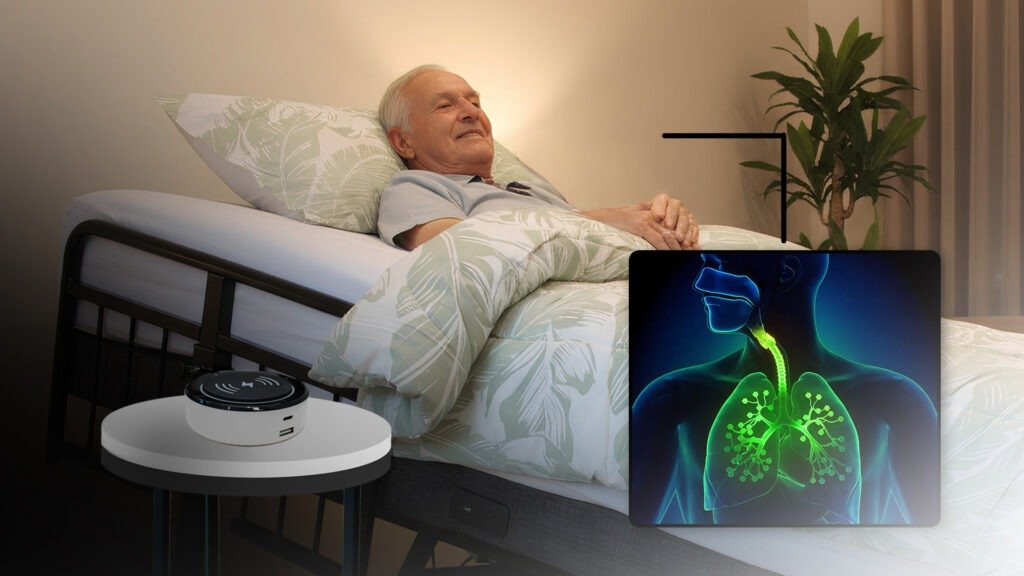
For many older Australians living with respiratory conditions such as COPD, asthma, or sleep apnoea, nighttime can bring significant challenges. Shortness of breath, frequent awakenings, and disrupted sleep are common. A voice control adjustable bed can provide hands-free, precise positioning to improve breathing, reduce strain, and support restful sleep.
Introduction: Sleep Challenges in Australians with Respiratory Conditions
Respiratory conditions can make lying flat uncomfortable or unsafe. Individuals may experience:
- Difficulty breathing while lying down
- Nighttime coughing or wheezing
- Disrupted sleep leading to fatigue and reduced daytime functioning
Proper bed positioning is critical to alleviate these symptoms and support overall health.
How Bed Positioning Affects Breathing at Night
Elevating the upper body can:
- Reduce airway obstruction
- Improve oxygen intake
- Minimise episodes of nocturnal hypoxia
- Reduce strain on the diaphragm and lungs
Even slight adjustments in head and torso position can make a significant difference, especially for those with limited stamina or mobility.
What Are Voice-Controlled Adjustable Beds?
A voice control adjustable bed allows users to adjust head, back, and leg positions without using their arms or remote controls. Features include:
- Hi-low height adjustment for safe entry and exit
- Smooth, quiet articulation for minimal sleep disruption
- Hands-free operation, ideal for people with fatigue or mobility limitations
- NDIS and SWEP-approved options for homecare support
The Voice-Control Homecare Hi-Low Bed is specifically designed to support older Australians and NDIS participants with health and mobility needs.
Benefits of Voice Commands for Respiratory Health
Using voice commands provides immediate advantages for individuals with breathing difficulties:
- Quick head elevation without strain: Adjust position instantly during sudden breathlessness
- Fine-tuned upper body positioning: Optimize angle for comfort and oxygenation
- Minimises nocturnal hypoxia and breathlessness: Supports safer sleep for those with COPD or sleep apnoea
- Hands-free adjustments to prevent sleep disruption: No need to reach, twist, or exert energy during the night
These features improve both comfort and safety, reducing caregiver intervention.
Who Can Benefit Most?
Voice-controlled beds are particularly useful for:
- Individuals with COPD, asthma, or sleep apnoea
- Older adults experiencing mobility restrictions
- NDIS participants requiring safe homecare solutions
- Patients recovering from respiratory infections or post-surgery with breathing limitations
Even short-term users benefit from easier nighttime positioning and reduced fatigue.
Clinical and Safety Advantages
Occupational therapists often recommend voice-controlled beds because they:
- Enable OT-recommended positioning for respiratory conditions
- Reduce fall risk by supporting safe hi-low transitions
- Minimise caregiver strain, particularly during night-time adjustments
- Provide access to NDIS and SWEP-approved assistive beds, making funding pathways available for eligible Australians
Voice control enhances both independence and clinical compliance in homecare settings.
Hiring vs Buying a Voice-Controlled Bed
Options are flexible depending on needs:
- Hire: Suitable for short-term support or temporary respiratory flare-ups. View hire options
- Rental enquiry: Allows users to trial the bed or adapt to changing needs. Submit rental enquiry
- Purchase: Ideal for long-term management and permanent home use. Explore product page
These choices make it easier for Australians with respiratory conditions to access appropriate assistive technology.
Choosing the Right Bed for Nighttime Respiratory Support
Key features to consider for respiratory comfort include:
- Smooth head and torso elevation
- Hi-low height adjustment for safe bed entry and exit
- Hands-free voice control for energy and effort conservation
- Quiet operation to avoid sleep disruption
- Safety rails if needed for additional stability
Selecting the right bed ensures optimal sleep quality and respiratory support.
Conclusion
Nocturnal respiratory challenges can significantly impact sleep and overall health. A voice control adjustable bed provides safe, hands-free positioning that improves breathing, reduces fatigue, and enhances independence for older Australians and NDIS participants.
Whether hiring, trialling, or purchasing, voice-controlled beds are a practical solution for safe, effective homecare. For personalised guidance, contact Assistive Tech Hub today.