People living with hemiplegia often face daily challenges related to movement, strength, and independence. Tasks that are simple for others—like reaching for a remote or changing bed positions—can be difficult when only one side of the body is fully functional. For many Australians with hemiplegia, especially those in Victoria, assistive technology has become a major part of staying safe and independent at home.
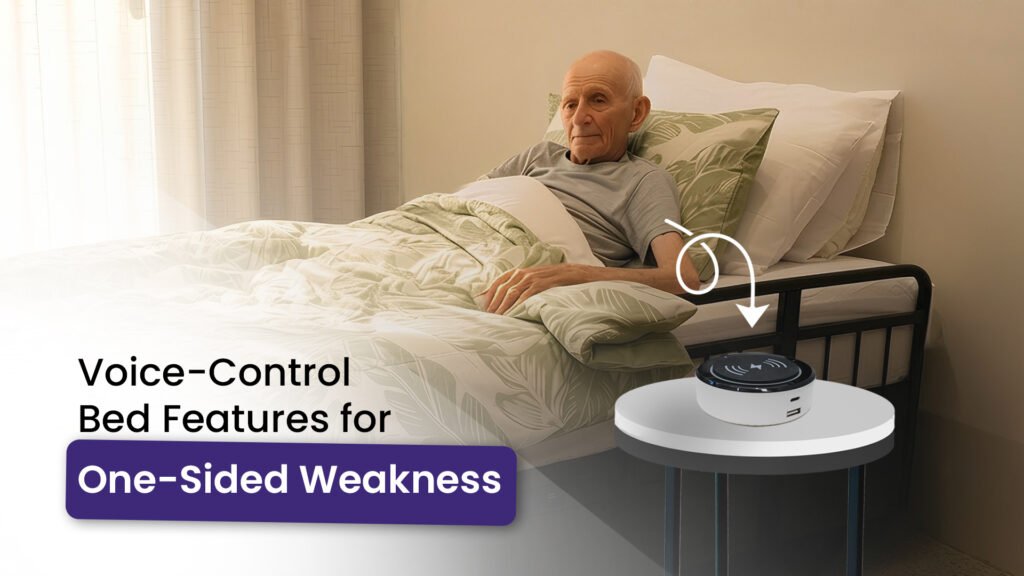
Voice-controlled beds are one of the latest advancements helping individuals adjust their position without lifting a finger. These beds are designed to work through simple voice commands, making them a practical choice for anyone who has limited use of one arm or hand. As more people explore assistive technology beds in Victoria, voice control is becoming a valuable tool for improving comfort, reducing strain, and supporting safer mobility at home.
This article explores why voice-control adjustable bed systems matter, how they work, and why they are strongly recommended for people living with hemiplegia by many occupational therapists and allied health teams across Australia.
Understanding Hemiplegia and Mobility Challenges
Hemiplegia refers to paralysis or severe weakness on one side of the body. It is commonly caused by stroke, traumatic brain injury, neurological conditions, or congenital disorders. With only one side of the body functioning at full capacity, everyday movements can become exhausting or unsafe.
Some common challenges include:
- Difficulty reaching for objects located on the weaker side
- Reduced coordination and grip strength
- Increased fatigue due to overuse of the non-affected side
- Higher falls risk when leaning, twisting, or performing complex movements
Because of these limitations, people with hemiplegia often rely on mobility aids, assistive beds, and home modifications to stay as independent as possible. A bed that adjusts safely and easily becomes essential—especially for long-term home care or for people supported through the NDIS.
Why Traditional Bed Remotes Are Difficult for Hemiplegia Patients
Limited use of one side of the body
Traditional handheld remotes require grip strength, coordinated thumb movement, and the ability to lift or reposition the remote. For someone with hemiplegia, performing these actions with one hand—or trying to use the weaker side—can be frustrating or physically challenging.
Fatigue from repeated movements
Even if the stronger hand is used, constantly reaching for the remote can cause overuse fatigue. Many carers also report that their loved ones accidentally drop the remote, requiring someone else to retrieve it.
Risk of unsafe adjustments or falls
Some people attempt to lean or twist their body to reach a misplaced remote. For patients recovering from stroke or those with mobility limitations, this increases fall risk and may cause shoulder or rib strain.
Because of these challenges, many families and OTs in Victoria are now considering voice-controlled adjustable beds as a safer and more accessible option.
How Voice-Controlled Hi-Low Beds Work
Voice-controlled hi-low beds operate through hands-free commands spoken by the user. Instead of pressing physical buttons, the system responds to clear voice instructions and adjusts the bed accordingly.
Hands-free operation via voice commands
With a built-in voice assistant, users can control key features such as:
- Raising or lowering the head
- Adjusting the leg position
- Setting the bed to flat
- Activating the hi-low function
- Using tilt or comfort positions
This makes the bed easier to use for people who cannot manage remotes due to grip weakness or limited motor control.
Hi-low height and tilt adjustments
Hi-low features allow the bed to rise for safe transfers or lower close to the floor to minimise falls. Tilt options add another layer of comfort, especially for people with hemiplegia who need frequent repositioning to improve circulation and reduce pressure.
Assistive Tech Hub offers a dedicated Voice-Control Homecare Hi-Low Bed designed specifically for NDIS households, disability care, and aged care settings.
Key Benefits for People with Hemiplegia
Enables independent repositioning
Voice operation allows the user to adjust the bed anytime without waiting for a carer. This boosts confidence, independence, and personal control over comfort—especially during the night.
Reduces strain on unaffected limbs
The non-affected arm often becomes overused when the person needs to reach, lift, or adjust themselves manually. A voice control adjustable bed reduces repetitive strain and protects the stronger side from long-term overuse injuries.
Enhances safety and comfort
Correct positioning is essential for breathing, posture, and safe transfers. With voice commands, users can easily:
- Elevate the head to improve airflow
- Raise the legs for circulation
- Position the bed for side-lying posture
- Return to flat after rest
These adjustments become quick and effortless.
Supports better circulation and pressure relief
Many people with hemiplegia have reduced movement on one side, increasing the risk of pressure injuries. Voice control makes frequent repositioning easier, which helps maintain circulation and prevent skin breakdown.
Clinical Recommendations from Allied Health Professionals
Occupational therapists and physiotherapists often recommend assistive beds for clients with hemiplegia to support safer resting positions and improve independence.
Occupational therapy endorsements
OTs commonly recommend:
- Hi-low height adjustment for safer transfers
- Electric head and leg elevation
- Side rails for safety
- Tilt functions for pressure relief
- Voice control for clients with limited hand function
These features make beds like Assistive Tech Hub’s voice-controlled model suitable for both disability care and aged care environments.
Appropriate bed features for one-sided weakness
Clinically recommended features include:
- Soft-touch or voice-activated control systems
- Smooth electric motors
- Stable frame and locking castors
- Compatibility with care mattresses
- Supportive rails and padding
These features help minimise risk during mobility tasks and nighttime repositioning.
NDIS and SWEP Funding Options in Victoria
People living with hemiplegia may be eligible for funding under the NDIS or Victoria’s SWEP program.
Eligibility and assessment
Clients generally need:
- A functional assessment from an occupational therapist
- A clear justification for the equipment
- Safety requirements documented
- Evidence of the need for assistive technology
NDIS approved adjustable beds and providers
Assistive Tech Hub supplies NDIS approved beds, assistive beds, and SWEP approved assistive beds across Victoria. Many participants receive funding for:
- Hi-low adjustable beds
- Voice-controlled assistive technology beds
- Aged care electric beds with voice control
- Disability beds suitable for home use
You can browse more assistive equipment directly on the Assistive Tech Hub homepage.
Our team also works closely with allied health professionals to ensure correct documentation and product recommendations.
Choosing the Right Hi-Low Bed with Voice Control
People with hemiplegia often require beds equipped with reliable safety and positioning features.
Key considerations include:
- Hi-low range for safer transfers
- Electric head, knee, and leg adjustment
- Voice control integration
- Side rails or fall-prevention supports
- Tilt or Trendelenburg options
- Mattress compatibility
- Smart homecare bed features for long-term care
The Voice-Control Hi-Low Bed offered by Assistive Tech Hub includes these essential features and is suitable for NDIS participants, aged care facilities, and home-based disability care.
Hire or Trial Options Across Victoria
For families wanting to test a bed before committing, Assistive Tech Hub provides flexible hire and trial programs.
View available hire equipment and send a rental enquiry for short-term use
Hiring a bed allows users and carers to determine what features feel most supportive before choosing a long-term solution.
Conclusion
Voice-controlled adjustable beds offer real independence, safety, and convenience for people living with hemiplegia. By removing the need for handheld remotes and allowing hands-free operation, these beds reduce strain, improve comfort, and make daily positioning easier for both users and carers. With NDIS and SWEP funding pathways available in Victoria, more families now have access to smart homecare beds tailored to one-sided weakness and mobility challenges.
To explore solutions for home care or long-term use, Assistive Tech Hub provides a wide range of disability care beds, including voice-controlled models designed specifically for safety and independence.
Key Takeaways
- Voice-control reduces reliance on remotes for hemiplegia patients.
- Hi-low and tilt features support safer, independent positioning.
- NDIS and SWEP funding make assistive beds more accessible in Victoria.
- Hire and trial options help families choose confidently.
Explore the Voice-Control Hi-Low Bed. Hire or Request a Trial or Contact us for OT-guided recommendations.