Introduction: Supporting Mobility During Recovery
Recovery is rarely linear. Whether following orthopaedic surgery, neurological events, injury, or flare-ups of chronic conditions, mobility levels can fluctuate. During these transitional periods, physiotherapists often recommend temporary support to maintain independence while protecting healing tissues.
Mobility scooters can reduce excessive fatigue, prevent compensatory strain, and support safe community participation during rehabilitation. For short-term needs, mobility scooter hire is often the most practical and clinically appropriate option.
At Assistive Tech Hub, we work closely with physiotherapists, occupational therapists, and allied health professionals across Victoria to provide lightweight, sturdy, and practical short-term mobility solutions.
Why Physiotherapists Recommend Short-Term Scooter Hire
Physiotherapists focus on restoring function — not creating dependence. That’s why short-term strategies are often used strategically.
A temporary electric mobility scooter may be recommended when:
- Weight-bearing restrictions are in place
- Endurance is significantly reduced
- Balance is compromised
- Community access is limited during rehab
- Overexertion may delay healing
Rather than purchasing outright, mobility scooter hire allows clients to:
- Use equipment only during recovery
- Avoid long-term financial commitment
- Adjust support as mobility improves
- Trial different models before funding applications
For clients navigating disability mobility scooters Victoria providers offer, short-term hire supports rehabilitation without prematurely locking into permanent equipment.
You can explore available options through our flexible Mobility Hire Services.
Lightweight and Foldable Scooters for Therapy and Travel
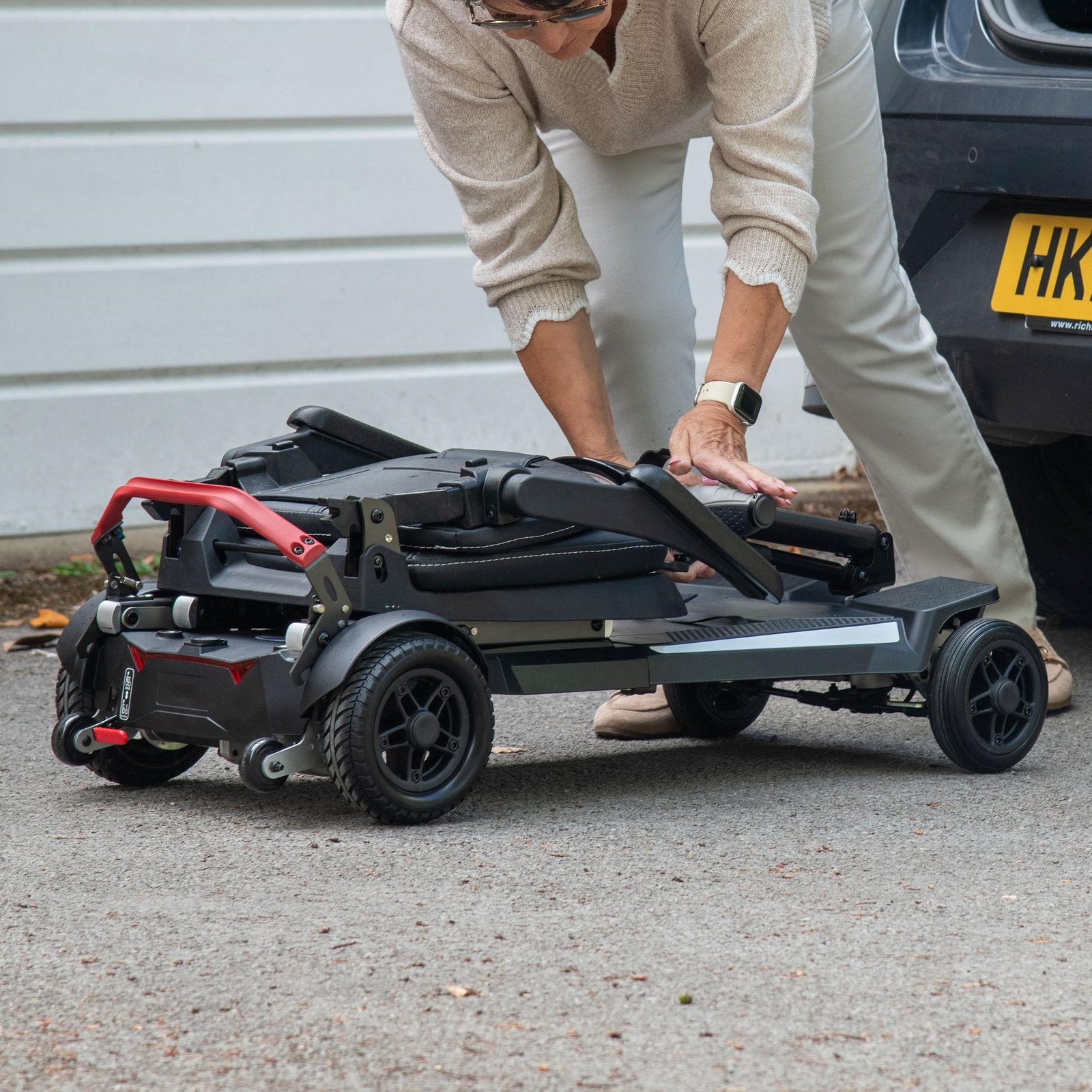
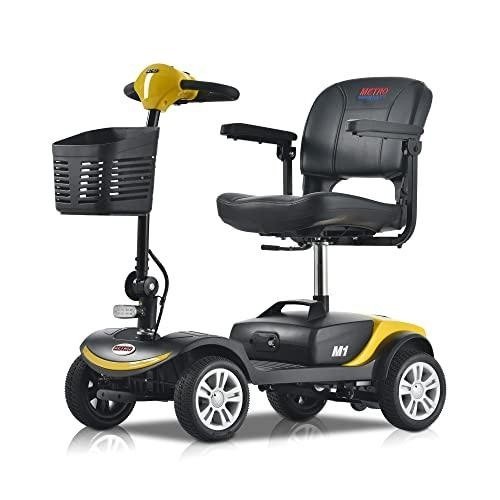
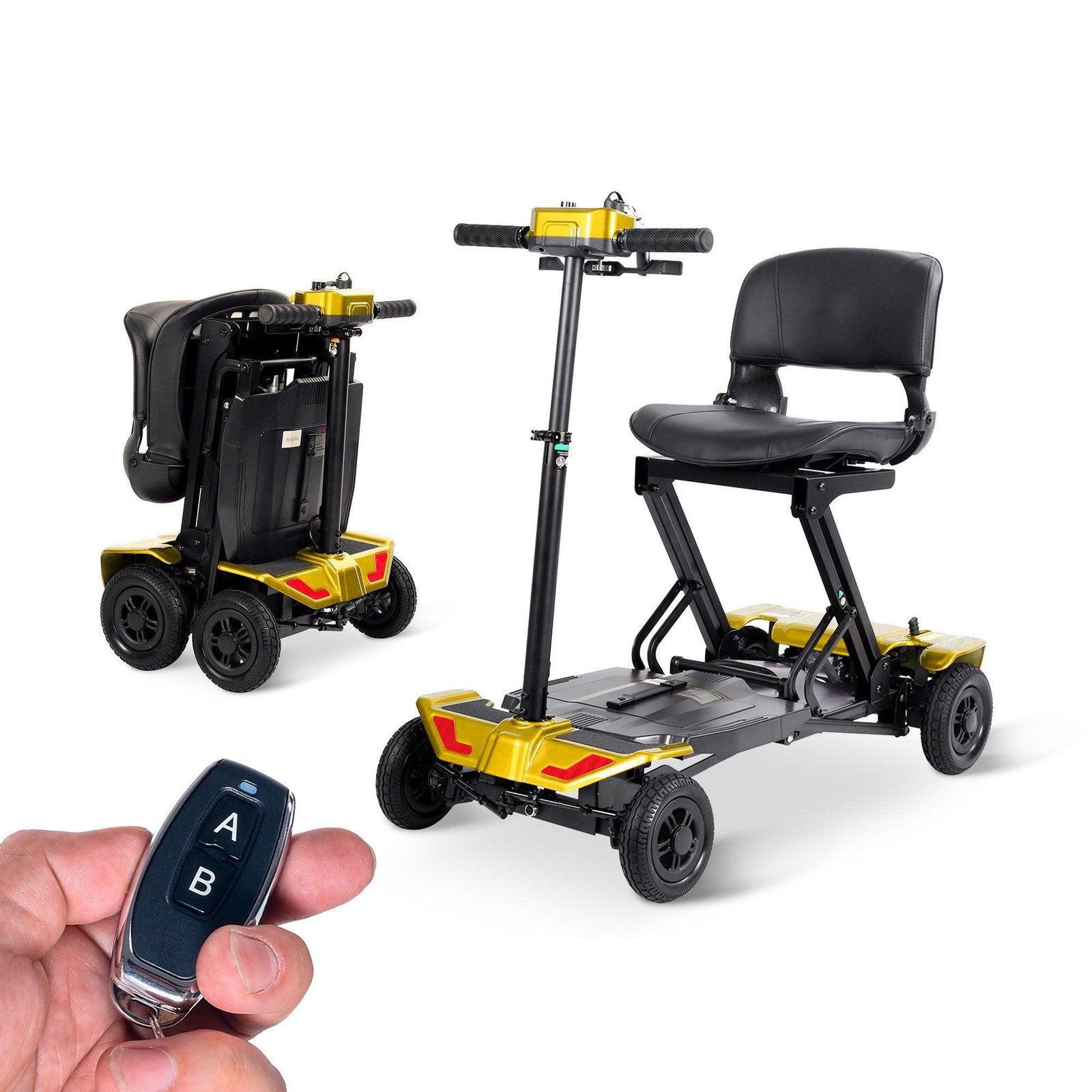
For short-term use, portability and ease of transport are essential.
A lightweight foldable mobility scooter offers:
- Easy loading into vehicles for therapy sessions
- Compact storage at home
- Reduced strain for carers
- Practical use during appointments and outings
An ultra lightweight folding mobility scooter or automatic folding mobility scooter is especially helpful for individuals with limited upper limb strength following surgery or neurological injury.
These portable foldable mobility scooters are ideal for:
- Outpatient physiotherapy attendance
- Gradual return to community mobility
- Short-term aged care mobility aids Victoria settings
- Travel during recovery
To explore travel-friendly and therapy-suitable options, visit our Lightweight Foldable Mobility Scooter Product.
Safety Considerations for Short-Term Use
Physiotherapists assess more than just mobility — they evaluate safety, biomechanics, and long-term outcomes.
When prescribing mobility scooters for temporary use, considerations include:
- Postural alignment and seat stability
- Safe mounting and dismounting technique
- Upper limb control and coordination
- Turning radius within home environments
- Cognitive capacity for safe operation
A compact folding electric scooter with intuitive controls and stable braking reduces risk during rehabilitation phases.
Short-term use should always align with therapy goals. Scooters may be used to conserve energy for essential tasks while maintaining structured physiotherapy programs aimed at restoring strength and function.
For clients receiving mobility scooters allied health referral support in Victoria, structured hire periods allow clinicians to reassess progress and adjust interventions accordingly.
Funding and Support: NDIS & SWEP in Victoria
Many Victorian residents may qualify for funding assistance, even for temporary or transitional mobility needs.
NDIS Mobility Scooter Victoria Support
NDIS approved mobility scooters may be funded when:
- They support participation goals
- They reduce functional limitations
- They are recommended by allied health professionals
In some cases, short-term hire can be used while awaiting plan approval or equipment purchase decisions.
SWEP Mobility Scooter Providers Victoria
SWEP mobility scooter providers Victoria assist eligible individuals requiring essential mobility equipment. Allied health documentation is typically required.
Hiring can provide interim support during application processing, ensuring clients maintain community mobility scooter support Victoria residents rely on.
For guidance on NDIS scooter suppliers Victoria processes or SWEP documentation, please Contact Assistive Tech Hub.
Choosing the Right Scooter for Your Needs and Therapy Goals
Selecting the appropriate scooter depends on:
1. Duration of Recovery
Short-term post-operative → Lightweight travel mobility scooter
Longer transitional phase → More supportive folding mobility scooter
2. Transport Requirements
Frequent appointments → Ultra lightweight folding mobility scooter
Primarily home use → Standard portable model
3. Therapy Objectives
Energy conservation without deconditioning
Safe community reintegration
Preventing compensatory strain
Collaboration between physiotherapist, occupational therapist, and supplier ensures the most appropriate solution.
If you’re planning a short-term trial or physiotherapy-recommended hire, you can begin through our simple Rental Enquiry Form.
Key Takeaways
- Mobility scooter hire allows short-term access without committing to permanent purchase.
- Lightweight and foldable mobility scooters are ideal for therapy sessions, recovery phases, and transport convenience.
- Physiotherapists use scooters strategically to support healing and safe mobility.
- NDIS and SWEP funding options may support eligible Victorian residents.
- Structured trials enhance clinical decision-making and patient outcomes.
Book a Physiotherapy-Recommended Scooter Today
If you or your client requires short-term mobility support during rehabilitation: Submit a Rental Enquiry to book a physiotherapy-recommended scooter.
For allied health collaboration, NDIS mobility scooter Victoria guidance, or SWEP assistance, please Contact Assistive Tech Hub.
Recovery should be supported — not restricted. With the right lightweight and sturdy mobility solution, independence can continue safely throughout rehabilitation.