
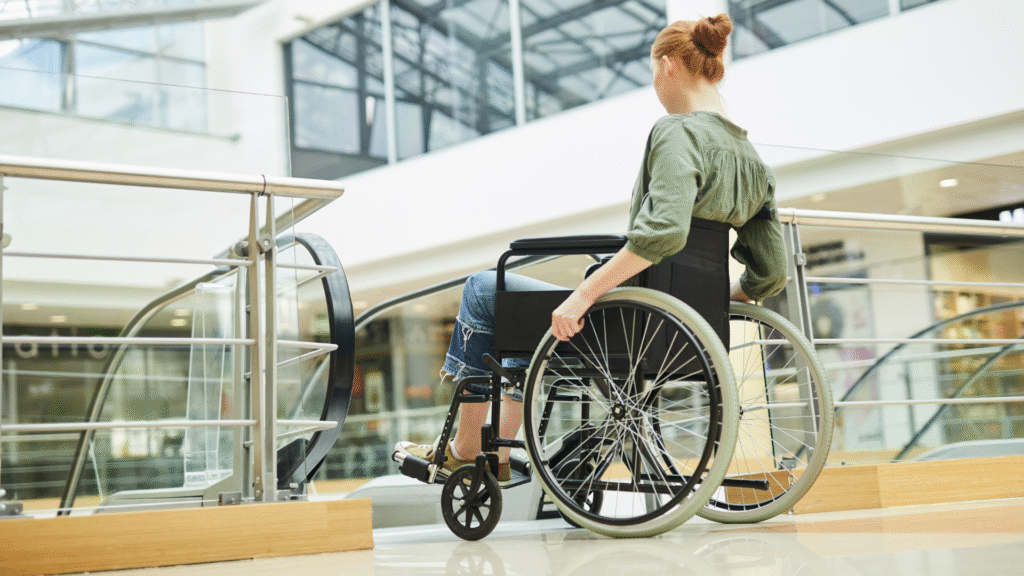
Making assistive technology more accessible isn’t just about selling equipment — it’s about helping people make informed, confident decisions. One of the best ways to achieve this is through shopping centre trials for assistive technology, where customers can test mobility aids and daily living products in real-world environments before buying.
At Assistive Tech Hub, we believe that inclusive retail spaces — where customers can try assistive tech firsthand — create not only better buying experiences but also stronger communities built on accessibility and trust.
Introduction: Making Retail Inclusive for Everyone
Many people who need mobility aids or assistive equipment hesitate to buy online because they’re unsure how the product will feel, fit, or function in daily life.
By allowing assistive tech trial programs inside shopping centres, mall operators and retailers can bridge that gap — providing a safe, welcoming place for people to explore, test, and learn about assistive devices before committing to a purchase.
This approach complements resources like our Step-by-Step Checklist Before Buying Any Assistive Technology, which helps customers plan ahead and make confident, well-informed decisions.
Why Assistive Tech Trials Matter for Customers
Understanding Individual Needs
Every person’s mobility and comfort needs are different. A shopping centre trial lets customers test equipment like wheelchairs, mobility scooters, or rollators on real flooring surfaces — simulating how these devices would perform at home, outdoors, or during errands.
It also gives healthcare professionals and carers the chance to provide on-the-spot advice, ensuring that customers find the right equipment for their physical and environmental needs.
Reducing the Risk of Unsuitable Purchases
Trying before buying helps prevent costly mistakes. Customers often purchase assistive devices online without testing them, only to realise they’re too bulky, too light, or not suited to their condition.
Through trial programs, customers can assess fit, comfort, maneuverability, and safety — ensuring that what they buy truly supports their independence and lifestyle.
You can read more about this in our article Why Offering Mobility Aid Trials in Hospitals and Rehab Centres Benefits Patients, which explores how similar programs improve user satisfaction and outcomes.
Benefits for Shopping Centres
Increasing Foot Traffic and Customer Loyalty
Inclusive trial spaces attract not only people with disabilities but also seniors, families, and caregivers — all looking for reliable assistive tech. This leads to increased foot traffic, better community engagement, and a reputation for being accessibility-friendly.
Retailers that collaborate with providers like Assistive Tech Hub can host live demos or pop-up testing areas, giving customers hands-on experiences that foster trust and long-term loyalty.
Positioning Your Centre as Accessibility-Friendly
Shopping centres that prioritise accessibility stand out as community leaders. By offering assistive tech trials, you create a welcoming environment for people of all abilities, showing commitment to inclusivity and equality.
This aligns perfectly with Australia’s accessibility standards and can even contribute to local council accessibility goalsor NDIS community initiatives.
For further reading, explore our guide A Complete Guide to Using a Hi-Lo Bed for Elderly Care to understand how inclusive design supports safety and comfort in aged care — an approach that also translates well into accessible retail planning.
Types of Assistive Tech Suitable for Trials
Mobility Scooters
Mobility scooters are among the most popular devices to trial in shopping centres. Customers can test turning radius, battery performance, and control systems in open areas to ensure they’re confident using them in real conditions.
Wheelchairs and Power Chairs
Trying manual or electric wheelchairs lets customers experience seating comfort, wheel control, and height adjustability. It also helps therapists and carers assess posture and safety during everyday use.
Daily Living Aids and Accessories
Beyond mobility devices, smaller aids like reachers, cushions, or kitchen tools can be displayed for trial. These simple but essential tools improve independence and can be integrated into assistive tech awareness events hosted by shopping centres.
You can explore our full range of mobility and daily living aids available for trial and purchase across Australia.
How Centres Can Implement Trial Programs
Partnering with Assistive Tech Providers
Collaborating with trusted suppliers such as Assistive Tech Hub ensures access to safe, high-quality trial-ready devices.
We support shopping centres, hospitals, and rehabilitation facilities through customised trial partnerships — from short-term demos to long-term accessibility programs.
Staff Training and Demonstrations
Retail staff should be trained to handle assistive devices responsibly and communicate with empathy. Organising guided demo sessions — where occupational therapists or product specialists assist customers — enhances safety and builds confidence in every trial interaction.
If you’d like support establishing these partnerships, simply Contact Us and our team will help design a program suited to your facility’s goals and audience.
Conclusion: Shopping Centre Trials Improve Customer Confidence and Satisfaction
Shopping centre trials for assistive technology create more than just sales opportunities — they create inclusive spacesthat empower customers to make confident, informed choices.
By offering hands-on experiences, shopping centres can reduce product returns, increase accessibility awareness, and build lasting trust within their communities.
To take the next step in promoting accessibility and inclusion, discover trial-ready assistive tech in our store or contact our team to set up a trial program at your shopping centre today.

Nice blog here Also your site loads up fast What host are you using Can I get your affiliate link to your host I wish my web site loaded up as quickly as yours lol