
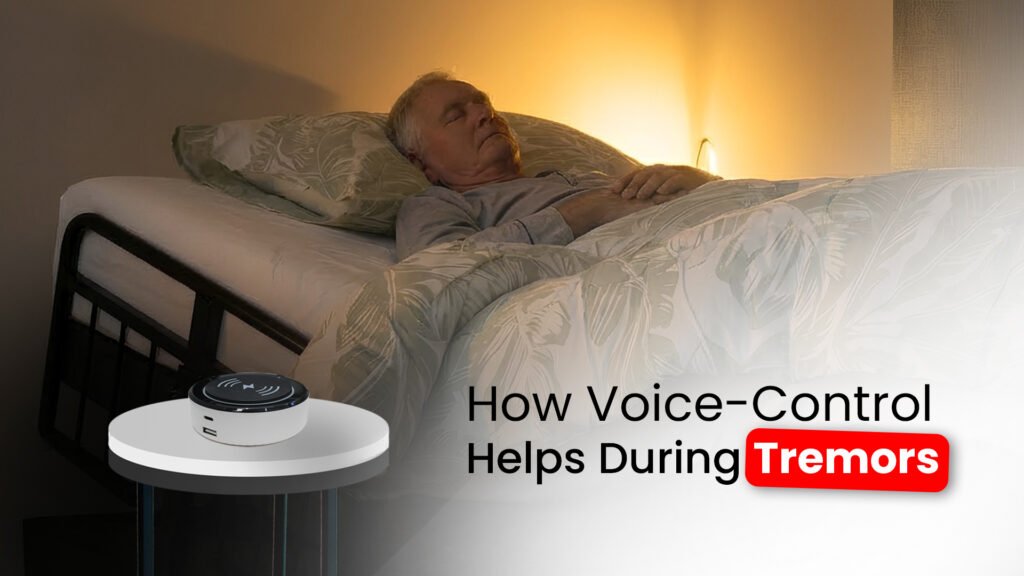
Introduction: Parkinson’s and Night-Time Tremors
Parkinson’s disease affects muscle control, causing tremors, stiffness, and rigidity that can make daily movements, especially in bed, challenging. Night-time tremors and reduced motor control increase the risk of falls, rolling over unintentionally, or struggling to reposition safely.
For Australians living with Parkinson’s, a voice control adjustable bed can provide a practical solution for safer, hands-free night-time mobility. These assistive technology beds in Victoria help maintain independence, reduce carer strain, and enhance comfort during sleep.
Families and NDIS participants can access these beds through hire options, rental enquiries, or purchase, offering flexible solutions to fit individual needs.
Why Tremors and Rigidity Make Bed Mobility Difficult
Parkinson’s symptoms can significantly limit safe bed use:
- Reduced control over small movements: Fine motor control needed to operate manual bed controls is often compromised.
- Difficulty repositioning safely: Tremors and stiffness make turning, raising the head, or adjusting leg positions challenging.
- Higher fall and rollover risks at night: Uncontrolled movements can lead to falls, accidental rollouts, or injuries during sleep.
These challenges highlight the importance of adaptive, hands-free solutions, such as hi low adjustable beds.
How a Voice-Control Hi-Low Bed Supports Night-Time Stability
Voice-controlled hi-low beds integrate motorised functions with smart technology, allowing users to:
- Activate bed adjustments via voice commands: No need for hand strength, making it safe during tremors.
- Adjust bed height safely: Hi-low functions facilitate secure transfers in and out of bed for both users and carers.
- Smooth elevation and tilt: Head and leg adjustments happen gradually, reducing the risk of sudden movement that may trigger tremor-related instability.
These features ensure that Australians with Parkinson’s can maintain safer, more comfortable positioning throughout the night.
Key Benefits for People with Parkinson’s
Reduces physical strain on arms and legs
Users no longer need to manually press buttons or push against bed levers, preventing fatigue and muscle strain.
Improves stability during tremors
Voice commands provide precise control over bed movements, reducing the risk of falls or accidental rollover.
Safer transfers in and out of bed
Height adjustment and smooth tilting functions allow carers to assist safely while giving users more control.
Enhances overnight comfort and breathing support
Independent elevation of the head or legs can improve breathing, reduce stiffness, and enhance comfort during sleep.
Learn more about available assistive beds for home use that support Parkinson’s patients in Victoria.
Clinical Recommendations from Allied Health Teams
Occupational therapists and allied health professionals often recommend voice control adjustable bed models for individuals with Parkinson’s because:
- They prevent falls and injuries during night-time mobility.
- Hi-low features support safe caregiver assistance.
- Voice commands reduce reliance on manual controls, which may be impractical during tremors.
These beds also align with long-term care plans for home and aged care environments.
NDIS and SWEP Funding for Adjustable Beds in Victoria
Eligibility and Application Steps
NDIS participants or those accessing aged care funding may qualify for NDIS approved adjustable beds. OT assessments are essential to demonstrate functional needs, safety concerns, and mobility challenges.
Benefits of Choosing NDIS Approved Adjustable Beds
- Ensures compliance with safety and accessibility standards
- Access to funding or partial funding for purchase or long-term hire
- Ongoing support from suppliers and OT teams
Families can explore hire options or submit a rental enquiry to trial beds before committing.
Choosing the Right Hi-Low Bed for Parkinson’s Symptoms
Key considerations for selecting a bed:
- Height range: Provides safe transfer for users and carers.
- Safety rails: Prevent falls and accidental rollover.
- Tilt options: Support head, back, and leg positioning for comfort and therapy.
- Smart homecare beds: Future-proofed for additional assistive technologies.
Voice-controlled hi-low beds ensure independence while meeting therapeutic needs.
Hire or Trial Options for Families in Victoria
Assistive Tech Hub offers flexible options:
- Hire: Long-term or short-term rental for testing suitability.
- Rental enquiry: Submit a request to discuss trial or hire options.
- Purchase: Full ownership for permanent home or aged care use.
These solutions help families find the right balance of safety, comfort, and independence for Parkinson’s care.
When to Upgrade to Voice-Control Assistive Beds
Upgrading is recommended if:
- Tremors worsen and manual adjustments become unsafe
- Night-time instability increases risk of falls or rollover
- Independent repositioning is a priority for functional or therapeutic reasons
- Carers experience strain from manual bed adjustments
Early intervention with a voice control adjustable bed can prevent injuries and improve sleep quality.
Conclusion: Voice-Controlled Hi-Low Beds Improve Night Safety and Comfort
For Australians living with Parkinson’s, tremors and rigidity can make night-time movements risky. Voice-controlled hi-low beds provide a safe, hands-free solution that:
- Reduces physical strain and fatigue
- Enhances stability during tremors
- Supports safer transfers and independent positioning
- Improves overall comfort and breathing support
NDIS and SWEP funding in Victoria make these beds accessible through hire, rental enquiry, or purchase.
Explore your options today by viewing the Voice-Control Hi-Low Bed or contacting our team for OT-guided advice and support.