For NDIS participants, the home is often the centre of daily life, care routines, and independence. When mobility limitations, disability, or health conditions affect everyday movements, home modifications play a vital role in maintaining safety and dignity. One assistive solution gaining increasing attention is the voice control adjustable bed, designed to support independent living while reducing physical strain on carers and families.
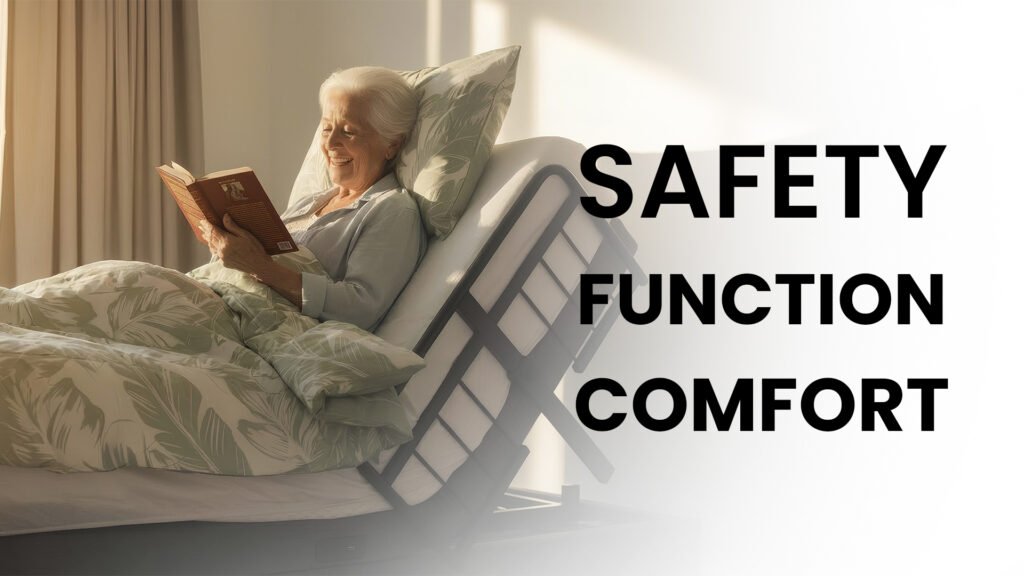
Voice-controlled hi-low beds are now commonly considered within NDIS home modification plans because they address three critical needs at once: safety, function, and comfort.
Introduction: The Importance of Home Modifications for NDIS Participants
NDIS home modifications aim to create environments that allow participants to move, rest, and perform daily activities safely. Tasks that seem simple—like adjusting bed height or changing sleeping positions—can pose risks when strength, balance, or coordination is limited.
A voice control adjustable bed reduces these risks by enabling hands-free operation. Instead of relying on small remotes or physical effort, participants can adjust their bed using simple voice commands, making it easier to manage daily routines independently within the home.
What Are Voice-Control Hi-Low Beds?
Voice-control hi-low beds are electric beds specifically designed for NDIS participants, homecare users, and aged care settings. These beds allow users to control bed height and positioning using voice activation, reducing reliance on carers.
Key characteristics include:
- Voice-controlled adjustment of head, back, legs, and bed height
- Hi-low height range to support safer transfers
- Smooth, controlled movement to minimise sudden shifts
- Compatibility with occupational therapist recommended beds
An example used across homecare settings is the Voice-Control Homecare Hi-Low Bed, suitable for participants requiring increased independence and safety at home.
Key Safety Features for Home Use
Safety is a core requirement when assistive beds are assessed under NDIS home modifications. Voice-controlled beds are designed with features that directly reduce common risks.
Fall Prevention and Stability
Hi-low adjustable beds allow the sleeping surface to be lowered closer to the floor. This is particularly important for mobility beds for elderly in Victoria and participants who are at risk of falls during transfers.
Side Rails and Alarms
Many NDIS approved adjustable beds support side rails or safety accessories, helping users reposition safely while sleeping or resting. These features reduce the risk of rolling or slipping.
Emergency Lowering Functions
Emergency lowering mechanisms ensure safety during power interruptions or unexpected situations, a key consideration for independent homecare environments.
Functional Benefits of Voice-Control Beds
Beyond safety, voice-control beds significantly improve daily function for both participants and carers.
Ease of Adjusting Positions Independently
Voice activation allows participants to reposition themselves without gripping buttons or asking for assistance. This is especially beneficial for users with neurological conditions, arthritis, or limited hand strength.
Reduced Carer Strain and Fatigue
By minimising manual bed adjustments, carers experience less physical strain. This is particularly valuable for family carers and disability support workers managing overnight or long-term care.
Support for Mobility-Impaired Users
As electric hi-low beds for allied health use, these beds support transfers, posture management, and pressure care, aligning closely with OT and physiotherapy recommendations.
Comfort and Quality of Life Improvements
Comfort directly affects wellbeing, recovery, and long-term health outcomes for NDIS participants.
Pressure Relief and Ergonomic Support
Adjustable positioning helps reduce pressure on vulnerable areas, supporting circulation and comfort for participants spending extended periods in bed.
Sleep Quality Enhancement
Improved positioning leads to better sleep quality, which is critical for physical recovery, pain management, and mental wellbeing—especially for users of aged care beds Victoria and disability care beds for home use.
Independence in Daily Routines
Having control over bed adjustments restores autonomy. This independence contributes to confidence, dignity, and emotional wellbeing for participants living at home.
How to Access NDIS Funding and Hire Options
Voice-control beds may be funded under NDIS assistive technology or home modification supports when functional need is clearly demonstrated.
Documentation and OT Recommendations
Occupational therapist assessments are essential in identifying risks, recommending appropriate equipment, and documenting how the bed supports independence and safety.
Flexible Access Options
Participants and families can choose from:
- Purchase for long-term use via the product page
- Short-term or trial solutions through hire options
- Temporary arrangements using a rental enquiry
For tailored advice, families and providers can also contact Assistive Tech Hub to discuss NDIS requirements and suitable solutions.
Conclusion
Voice-controlled hi-low beds are a practical and compliant solution within NDIS home modifications. By improving safety, enhancing daily function, and increasing comfort, these beds support independent living while reducing physical demands on carers and families.
True independence at home is not about doing everything alone—it’s about having the right support built into your everyday environment.