
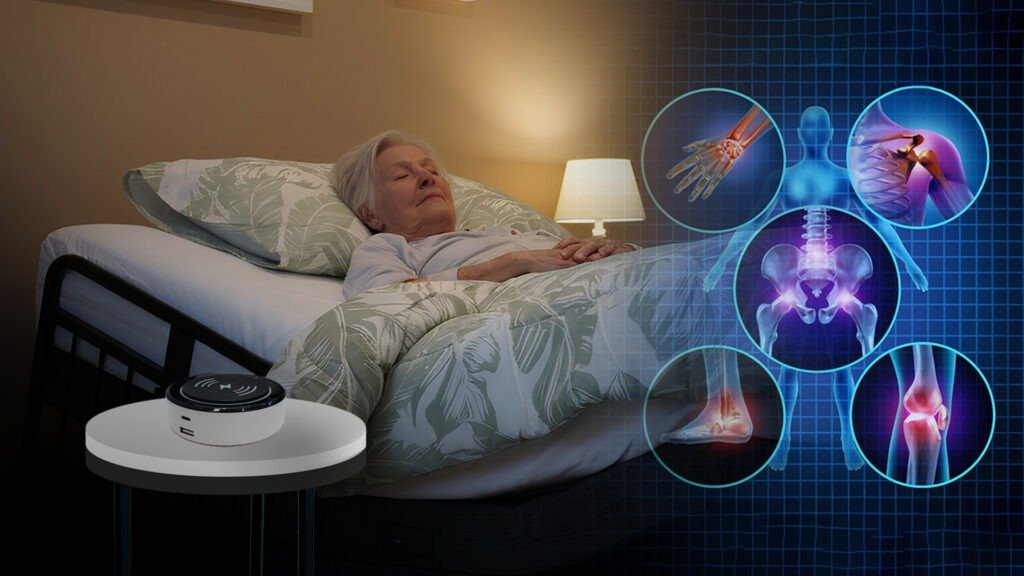
Night pain is a common issue for older Australians and people living with chronic or musculoskeletal conditions. Pain often becomes more noticeable at night due to prolonged stillness, reduced circulation, and difficulty finding a comfortable sleeping position. For many, the simple act of adjusting in bed can cause discomfort or require assistance.
A voice control adjustable bed offers a practical and supportive solution by allowing hands-free articulation that improves comfort, safety, and independence throughout the night.
Introduction: Why Night Pain Affects Sleep Quality in Older Australians
Night pain frequently affects people with arthritis, spinal conditions, post-surgical stiffness, and nerve-related pain. As the body remains in one position for long periods, pressure builds in sensitive areas such as the lower back, hips, knees, and shoulders.
For older adults or people with limited mobility, repositioning at night can be challenging. Reaching for a remote, sitting upright, or twisting the body may worsen pain or increase the risk of falls.
The Role of Bed Positioning in Managing Night Pain
Proper bed positioning plays a significant role in reducing night pain by:
- Supporting the spine in a neutral position
- Reducing pressure on joints and soft tissues
- Improving circulation and reducing stiffness
- Allowing gentle adjustments without sudden movement
This is why electric adjustable beds for elderly users are commonly recommended in both homecare and aged care environments.
What Is Voice-Controlled Bed Articulation?
Voice-controlled bed articulation allows users to adjust bed positions using spoken commands rather than physical controls. These beds respond smoothly and gradually, helping users change positions without strain.
A well-designed example is the Voice-Control Homecare Hi-Low Bed, which includes:
- Independent head, back, and knee elevation
- Hi-low height adjustment for safer entry and exit
- Quiet operation suitable for night use
- Hands-free voice control for people with pain or weakness
These beds are widely used across assistive technology beds in Victoria and home-based disability care.
How Voice Commands Help Reduce Night Pain
Voice-controlled articulation supports night pain management by enabling:
- Adjusting head elevation without strain, helping neck, shoulder, and upper back pain
- Fine-tuning knee and leg support during flare-ups, easing hip and lower back discomfort
- Eliminating twisting, bending, or handling remotes that can trigger pain
- Making fast, precise adjustments at night without fully waking or calling for help
These small adjustments can significantly improve comfort and sleep quality.
Conditions That Benefit from Voice-Controlled Beds
Voice-controlled beds are particularly helpful for people managing:
- Osteoarthritis and inflammatory arthritis
- Spinal pain and disc-related conditions
- Hip or knee stiffness
- Post-surgery recovery pain
- Neuropathic pain
- Fibromyalgia and widespread pain
Because of their versatility, they are commonly used as mobility beds for elderly in Victoria and as disability care beds for home use.
Safety Benefits of Hands-Free Adjustments at Night
Night-time movement is one of the highest-risk periods for falls. Voice-controlled beds improve safety by:
- Reducing the need to get out of bed unnecessarily
- Allowing repositioning without sudden sitting or standing
- Supporting circulation and swelling management
- Reducing carer strain during overnight assistance
These features make them suitable as electric beds for aged care and homecare settings.
Why Voice-Controlled Hi-Low Beds Are Recommended by OTs
Occupational therapists often recommend hi low adjustable beds with voice control because they:
- Support safe transfers and bed access
- Allow gradual position changes without pain spikes
- Meet functional requirements for NDIS approved adjustable beds
- Align with clinical goals for independence and safety
Many options are also recognised as SWEP approved assistive beds, depending on eligibility and assessment. Providers such as Assistive Tech Hub work closely with OTs and allied health professionals to ensure correct matching.
Hiring vs Buying a Voice-Controlled Bed
Night pain can be short-term, fluctuating, or progressive. Flexible access options are important.
People can choose:
- Short-term support through bed hire
- Medium-term use via a rental enquiry
- Purchasing a bed for long-term pain management or ageing in place
Hiring is often helpful during recovery periods or when trialling equipment before committing.
How to Choose the Right Bed for Night Pain Support
When selecting a bed for night pain, look for:
- Smooth and quiet articulation for night-time use
- Independent head and knee elevation
- Hi-low height adjustment for safety
- Stable frame with optional side rails
- Hands-free voice control for pain-free repositioning
These features are commonly found in smart homecare beds designed for Australian homes.
Conclusion
Night pain does not have to mean poor sleep or loss of independence. A voice control adjustable bed allows Australians to reposition safely, comfortably, and independently throughout the night—without aggravating pain or relying heavily on carers.
For people managing chronic pain, mobility limitations, or age-related discomfort, voice-controlled articulation provides a practical and clinically supported solution.
For personalised advice or OT-supported recommendations, you can contact Assistive Tech Hub for guidance.