Understanding Sleep Challenges in Seniors with Limited Mobility
Sleep disruption in older adults is rarely just about insomnia. For seniors living with arthritis, neurological conditions, post-surgical weakness, or general frailty, night-time discomfort is often linked to difficulty repositioning, unsafe transfers, and fear of falling.
This is where modern mobility beds play a crucial role. Unlike traditional flat beds, well-designed mobility adjustable beds actively support movement, positioning, and safe transfers — improving both sleep quality and overall wellbeing.
Families searching for reliable assistive mobility beds Victoria providers can explore clinically supportive solutions through Assistive Tech Hub, which specialises in equipment aligned with Australian aged care and disability standards.
What Makes Adjustable Hi-Lo Beds Different from Standard Beds
A standard bed has a fixed height and static mattress platform. An adjustable hi-lo mobility bed, however, offers both vertical height control and electric positioning of the backrest and leg sections.
This dual functionality makes a significant difference for seniors with mobility limitations.
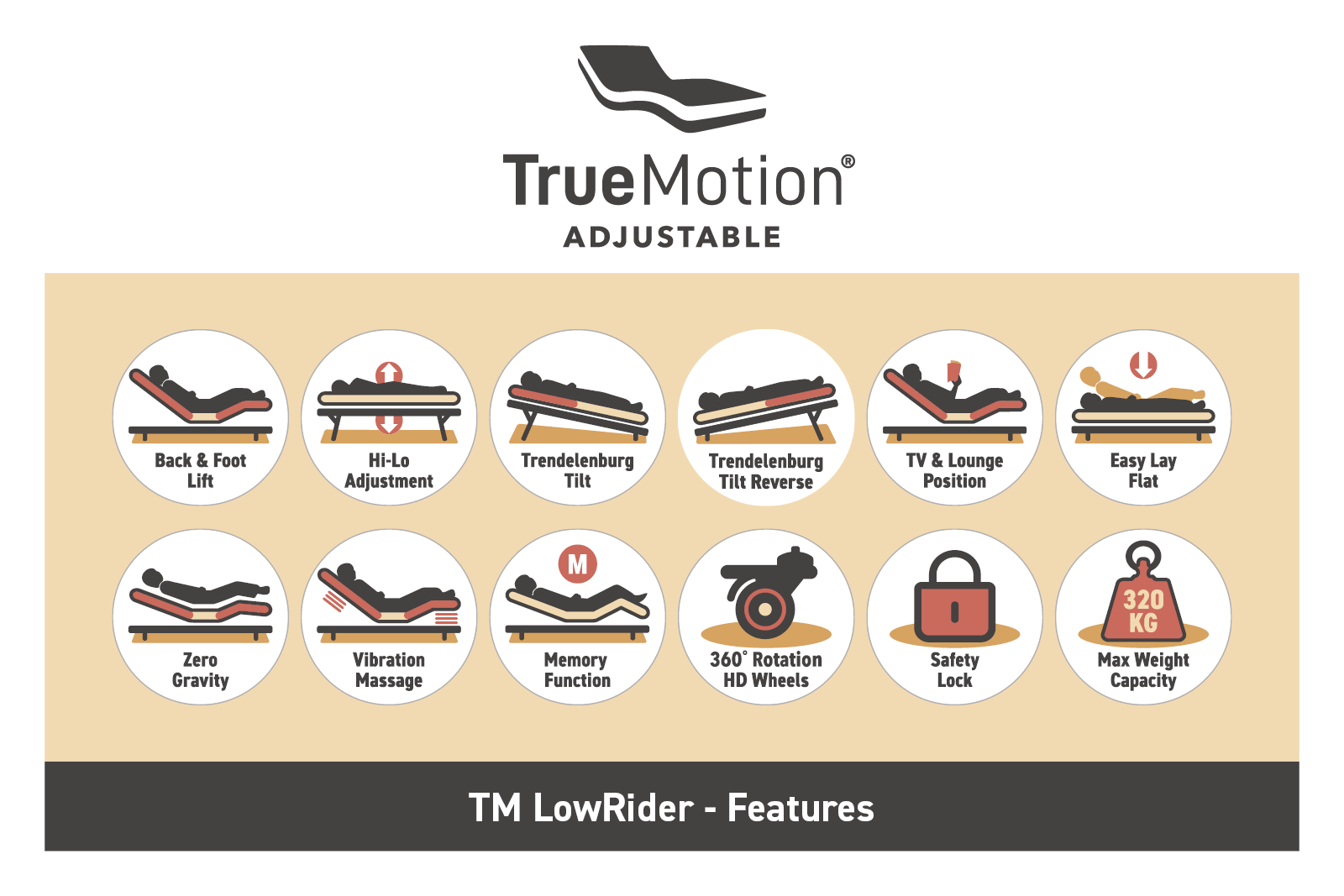
An adjustable electric bed for elderly users typically allows:
- Raising and lowering the full bed frame (hi-lo function)
- Elevating the headrest for supported sitting
- Lifting the legs to promote circulation
- Fine adjustments for pain relief
For individuals requiring beds for seniors with mobility issues, this flexibility supports independence and reduces the physical strain placed on carers.
How Height Adjustment Improves Comfort and Night-Time Safety
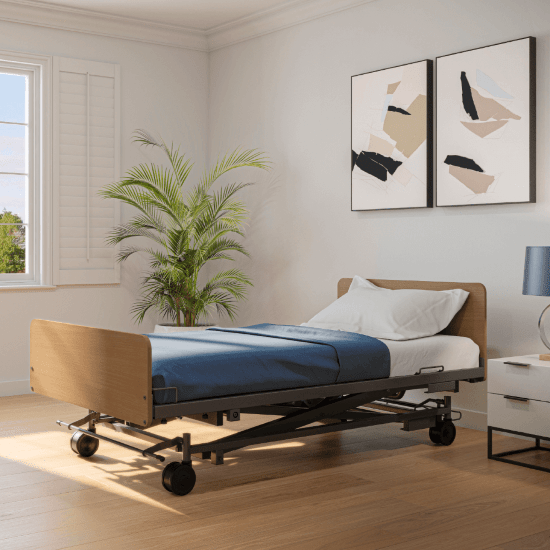
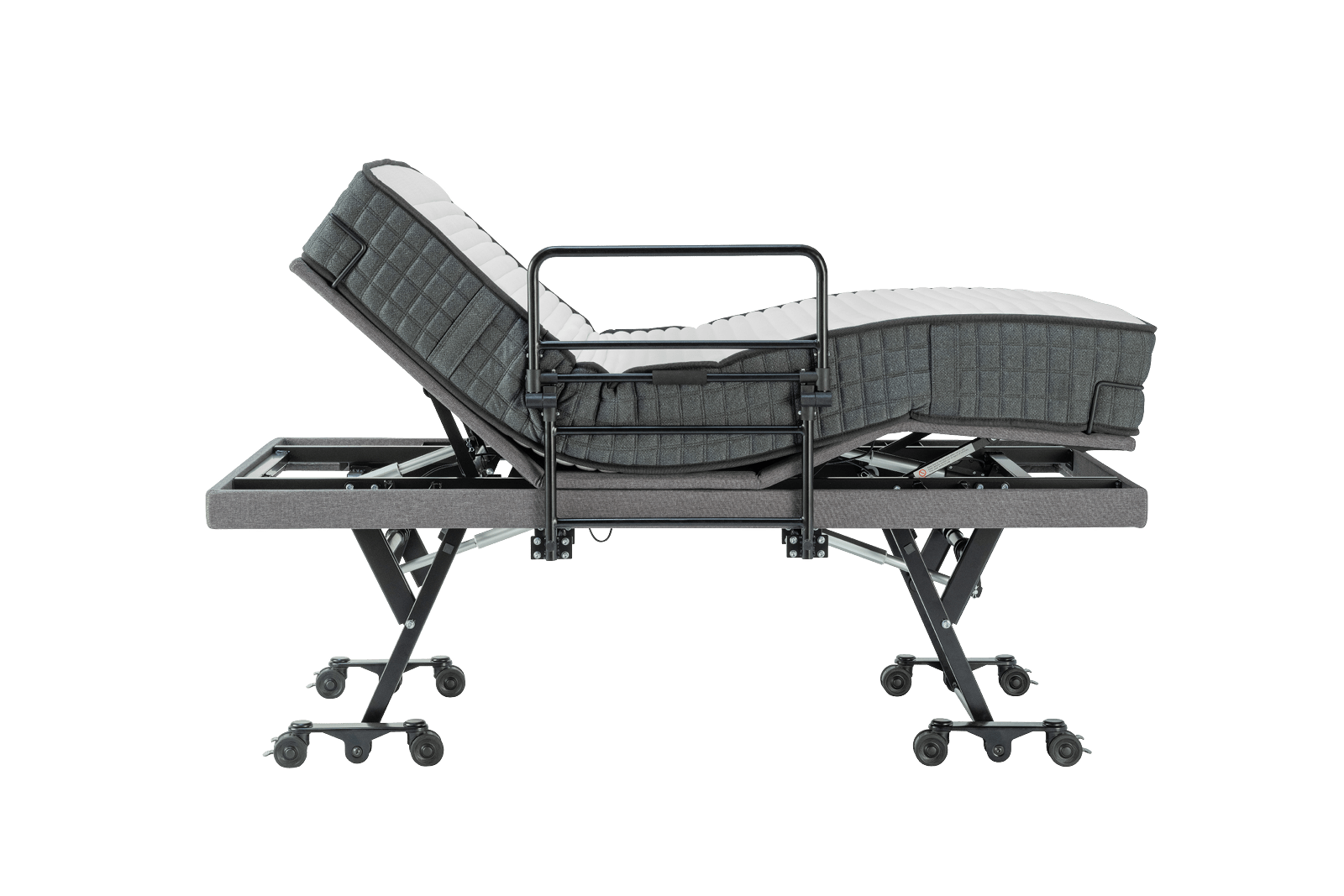
The hi-lo feature is one of the most important elements of modern electric mobility beds.
Reduced Fall Risk
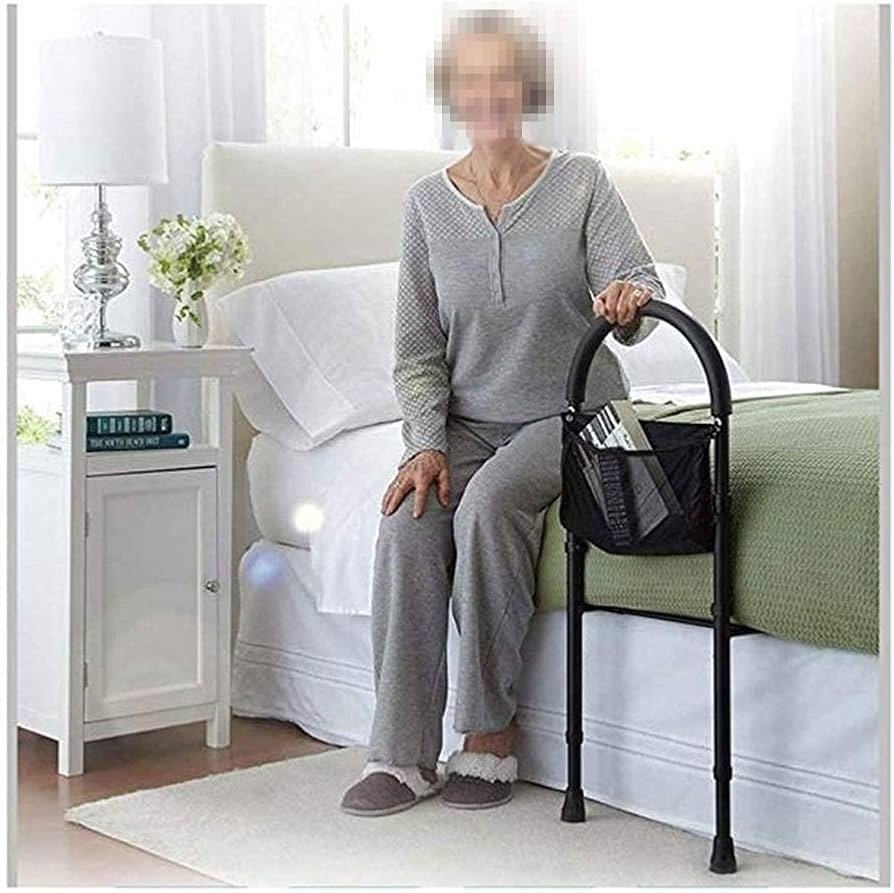
Lowering the bed during sleep decreases the severity of potential falls. Many disability beds with side rails further enhance safety by offering physical support and boundary awareness.
Safer Transfers
Raising the bed to align with wheelchair height makes standing or pivot transfers more stable. This is particularly important for users relying on bed mobility aids or carer assistance.
Protection for Carers
Height adjustment significantly reduces bending and lifting strain. For those providing home-based care, mobility assist beds for home care support safer manual handling practices in line with Victorian aged care standards.
For those exploring mobility beds Victoria suppliers offer, the hi-lo function is often the deciding factor in improving daily safety.
The Role of Electric Mobility Beds in Pressure Relief and Positioning
Sleep comfort is closely connected to pressure management and circulation.
Modern mobility beds for elderly individuals allow:
- Gentle leg elevation to reduce swelling
- Head elevation for respiratory comfort
- Micro-adjustments to relieve joint stiffness
- Easier repositioning to reduce pressure injury risk
For seniors with long-term mobility concerns, adjustable beds for seniors with disabilities support therapeutic positioning while maintaining independence through remote-controlled adjustments.
A practical example of this design is the Portable Power Bed with Side Rails, which combines height adjustability, side rail safety, and electric positioning in one portable solution.
Why Occupational Therapists Recommend Hi-Lo Beds
Occupational therapists do not recommend equipment lightly. Occupational therapist recommended beds are prescribed following careful assessment of:
- Transfer technique
- Bed mobility
- Environmental setup
- Carer safety
- Risk of falls
Within the scope of allied health mobility aids Victoria professionals endorse, hi-lo beds are commonly recommended for:
- Post-hospital discharge planning
- Progressive neurological conditions
- Recurrent transfer-related falls
- Increased carer assistance requirements
In many cases, trialling a portable mobility bed before committing to purchase is clinically appropriate. Families can explore short-term options through the hire services page to determine suitability before making a long-term decision.
Accessing NDIS and SWEP Funded Adjustable Beds in Victoria
Funding assistance may be available for eligible Victorian residents.
An NDIS mobility bed may be approved when clinical documentation shows that the equipment:
- Improves independence
- Reduces fall risk
- Minimises manual handling strain
- Supports therapy goals
Many NDIS approved adjustable beds require allied health justification and risk assessment documentation.
Similarly, SWEP funded adjustable beds Victoria programs assist eligible individuals who require essential home care equipment.
For guidance with funding pathways or documentation requirements, families and clinicians can contact Assistive Tech Hub for personalised support.
When Hiring a Mobility Bed Makes More Sense Than Buying
Not all mobility challenges are permanent. In some cases, hiring offers greater flexibility.
Hiring may be ideal when:
- Recovery is short-term
- Funding approval is pending
- A clinical trial period is recommended
- Temporary care arrangements are in place
Families can submit a request through the rental enquiry page to arrange short-term access to a suitable portable beds for elderly with mobility needs solution.
Buying may be more appropriate when long-term support is required and care routines are well established.
Improving Sleep Improves Daily Function
Quality sleep influences mood, cognition, healing, and overall wellbeing. For seniors and individuals with mobility limitations, a standard bed may no longer provide adequate safety or comfort.
Modern mobility adjustable beds deliver:
- Height-adjustable safety
- Enhanced transfer stability
- Reduced caregiver strain
- Improved pressure management
- Greater night-time confidence
For families seeking dependable aged care electric beds, exploring clinically appropriate options is an important step toward improving both sleep and daily independence.
To learn more about available solutions, visit Assistive Tech Hub. For support with NDIS mobility bed applications, SWEP guidance, or allied health coordination, reach out directly via the contact page.
Better sleep begins with safer positioning — and the right mobility bed can make that difference every night.