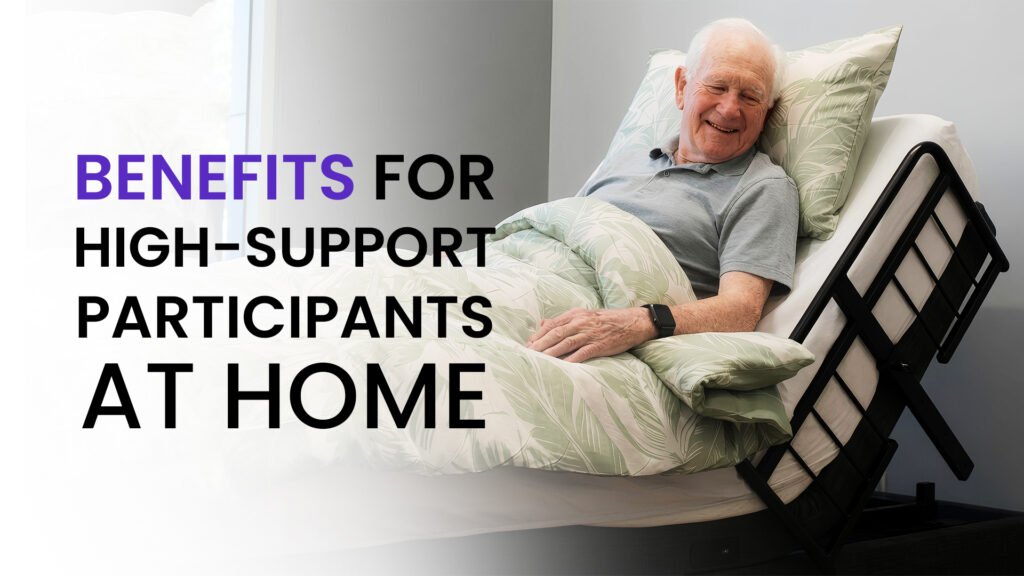
For NDIS participants with high support needs, the right assistive technology can make the difference between relying heavily on others and having meaningful control over daily life. One of the most commonly approved pieces of bedroom equipment under NDIS funding is the voice control adjustable bed, particularly for participants with complex physical, neurological, or functional limitations.
These beds are approved not because they are advanced, but because they directly address safety risks, functional barriers, and long-term care sustainability in the home.
Introduction: Supporting Participants With High Support Needs at Home
Participants with high support needs often face challenges with mobility, transfers, positioning, and fatigue. Simple tasks such as sitting up, adjusting leg position, or preparing for sleep may require assistance from carers multiple times a day.
NDIS funding prioritises supports that improve functional independence while reducing preventable risks. Voice-control beds are increasingly recognised as essential disability beds Australia-wide because they allow participants to adjust their position safely without physical strain or constant carer involvement.
What Are Voice-Control Hi-Low Beds?
Voice-control hi-low beds are electric adjustable beds designed for people who require support with mobility, positioning, and transfers. Unlike standard electric beds, these models allow users to control bed height, head elevation, and leg positioning using voice commands.
They are commonly recommended as assistive beds for participants who:
- Have limited hand function or grip strength
- Experience fatigue or pain with manual adjustments
- Require frequent repositioning for comfort or pressure management
Many occupational therapist recommended beds include voice activation to remove barriers caused by tremors, weakness, or neurological conditions. These features are especially valuable for mobility beds Victoria-based providers supply to NDIS participants with complex needs.
NDIS Requirements for High Support Participants
NDIS planners and assessors follow clear criteria when approving assistive technology for participants with high support needs.
Functional Independence
NDIS aims to fund equipment that allows participants to perform tasks independently where possible. A hi low adjustable bed with voice control supports this goal by enabling users to change positions without assistance, especially overnight.
Safety and Fall Prevention
Transfers in and out of bed are a common cause of falls and injuries. Electric adjustable beds for elderly participants and those with disabilities reduce this risk by allowing the bed to be lowered closer to floor height and adjusted gradually.
OT or Allied Health Recommendations
Clinical justification is essential. Occupational therapists and allied health professionals document how voice-controlled beds reduce manual handling, improve posture, and support safer daily routines. These reports strongly influence NDIS funding decisions.
How Voice-Control Beds Meet NDIS Funding Criteria
Voice-control beds meet NDIS requirements because they solve specific functional problems rather than offering convenience.
Accessibility and Ease of Use
Voice commands eliminate the need for fine motor skills or sustained strength. This makes homecare beds with voice control for NDIS suitable for participants with spinal injuries, progressive neurological conditions, or severe arthritis.
Reducing Carer Dependency
Reducing reliance on carers is a key NDIS objective. Voice-control beds allow participants to reposition themselves independently, reducing physical strain on carers and improving sustainability of long-term care arrangements.
Enhancing Comfort and Wellbeing
Adjustable positioning supports circulation, pressure relief, and pain management. These outcomes are particularly important for participants using disability care beds for home use or those spending extended periods in bed.
Options for Hire, Rental, and Purchase in Victoria
NDIS recognises that participants’ needs may evolve, and not all situations require permanent equipment.
Participants and providers in Victoria can access:
- Purchase options for long-term use through NDIS approved adjustable beds via the product page
- Short-term solutions via hire services for hospital discharge or recovery
through hire options - Flexible rental arrangements for trials or temporary support needs
rental enquiry
Working with established NDIS bed providers Victoria ensures equipment meets clinical and compliance standards.
Case Examples and Real-World Outcomes
In real homecare settings, voice-control beds have helped participants regain control over basic routines such as sitting up to eat, repositioning at night, and preparing for transfers.
For high-support participants, this means fewer call-outs for carers and greater confidence during daily routines. For carers and families, it means reduced manual handling risks and safer care environments.
These outcomes align closely with NDIS goals of improving independence while managing long-term support costs.
Conclusion
NDIS plans approve voice-control beds for participants with high support needs because they deliver real, measurable benefits in safety, independence, and quality of life. When supported by OT assessments and clear clinical documentation, these beds meet NDIS criteria as essential assistive technology rather than optional equipment.
True independence begins when participants can control their own comfort, safety, and daily routines—starting with the place where they rest and recover.