
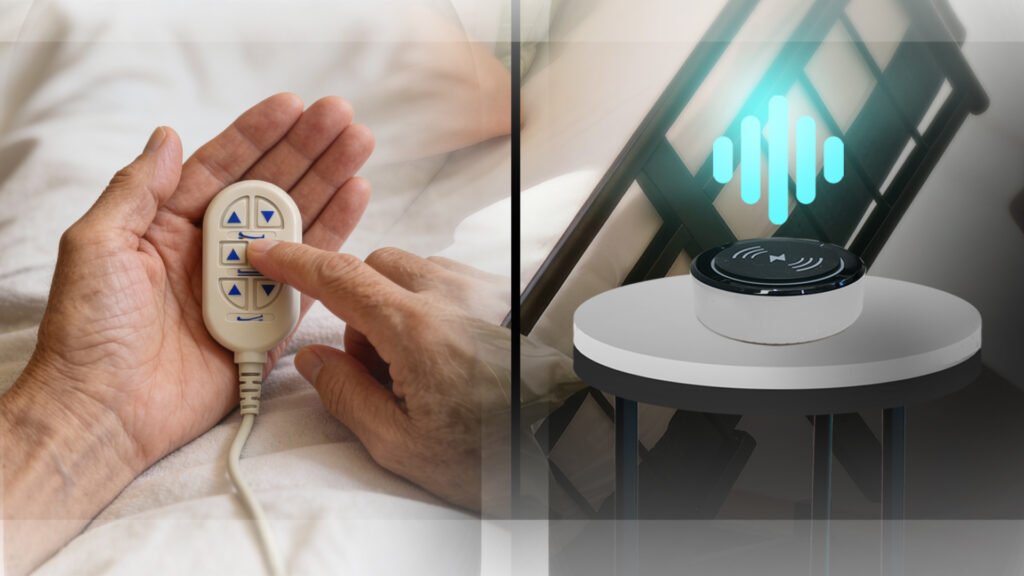
For many older Australians, traditional bed remotes can be frustrating. Small buttons, complicated functions, and the need for hand strength or dexterity make adjusting a bed a challenging task. A voice control adjustable bed offers a hands-free alternative that promotes independence, safety, and comfort in homecare and aged care settings.
Introduction: Challenges of Traditional Bed Remotes
Older adults often face difficulty with conventional bed controls due to:
- Arthritis or joint stiffness
- Weak grip or reduced hand strength
- Cognitive challenges remembering functions
- Frustration when trying to reach or handle small remotes
These issues can lead to unsafe movements, caregiver reliance, and reduced quality of rest.
How Voice-Controlled Beds Work
A voice control adjustable bed uses simple spoken commands to adjust positions:
- Headrest and leg rest elevation with minimal effort
- Hi-low bed height adjustment for safe transfers
- Smooth, quiet motion for comfortable repositioning
- Hands-free operation to reduce strain and support independence
Beds like the Voice-Control Homecare Hi-Low Bed are designed specifically for older adults and people with mobility limitations.
Benefits for Older Australians
Voice-controlled beds offer multiple advantages over traditional remotes:
- Reduced strain and effort: No need to reach, twist, or press small buttons
- Supports limited hand/arm mobility: Ideal for arthritis or post-surgery patients
- Improves independence and safety: Users can adjust positions without assistance
- Perfect for aged care and homecare: Supports carers and families by reducing the need for manual intervention
These features make everyday activities, such as reading, watching TV, or sleeping, much easier and more comfortable.
Clinical and Allied Health Advantages
Occupational therapists and other allied health professionals often recommend voice-controlled beds for older Australians because they:
- Encourage safe positioning and reduce fall risks
- Are NDIS and SWEP-approved assistive beds, making them accessible through funded programs
- Support mobility beds for elderly in Victoria, assisting both homecare and allied health interventions
Hands-free control aligns with clinical guidelines for maintaining safety and comfort for elderly users.
Hire vs Purchase Options
Families and care providers in Australia can access voice-controlled beds in flexible ways:
- Hire: Ideal for temporary care, rehabilitation, or trial periods. View hire options
- Rental enquiry: Test the bed before committing. Submit rental enquiry
- Purchase: For long-term use at home or aged care facilities. Explore product page
These options make assistive technology beds accessible to a wide range of users.
Tips for Families and Carers
- Encourage the older adult to practice voice commands in a calm, supportive environment
- Monitor for safe transfers when adjusting bed height
- Pair bed adjustments with light mobility exercises if recommended by physiotherapists
- Use hands-free operation to reduce carer strain during night-time assistance
By adopting voice-controlled beds, families can support independence and safety while reducing daily caregiving demands.
Conclusion
For older Australians, voice control adjustable beds offer a safe, convenient alternative to small, difficult-to-use remotes. They reduce physical strain, promote independence, and align with OT recommendations and NDIS/SWEP funding pathways. Whether hiring for short-term support or purchasing for long-term use, these beds provide practical solutions for homecare and aged care settings in Australia.