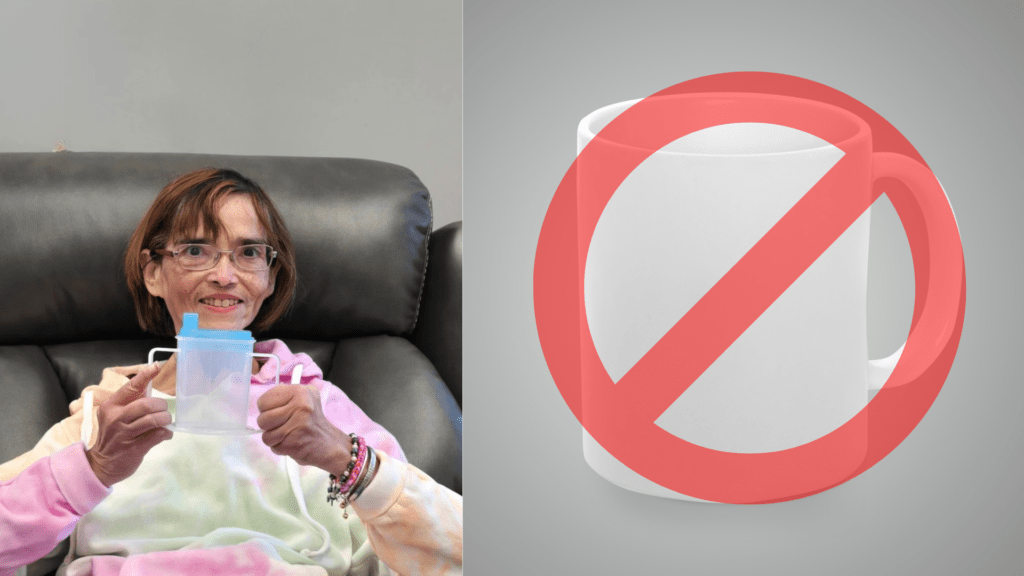
Introduction: Challenges for Users with Limited Hand Mobility
For many Australians living with limited hand or arm mobility, everyday tasks that others take for granted can become frustrating—or even unsafe. Something as simple as pressing a button on a remote control may be difficult due to weakness, tremors, pain, reduced coordination, or neurological conditions.
Traditional electric adjustable beds rely heavily on handheld remotes. When users cannot reliably press buttons, they often become dependent on carers or family members just to change position, elevate their legs, or sit upright. This loss of independence can affect confidence, comfort, and overall quality of life.
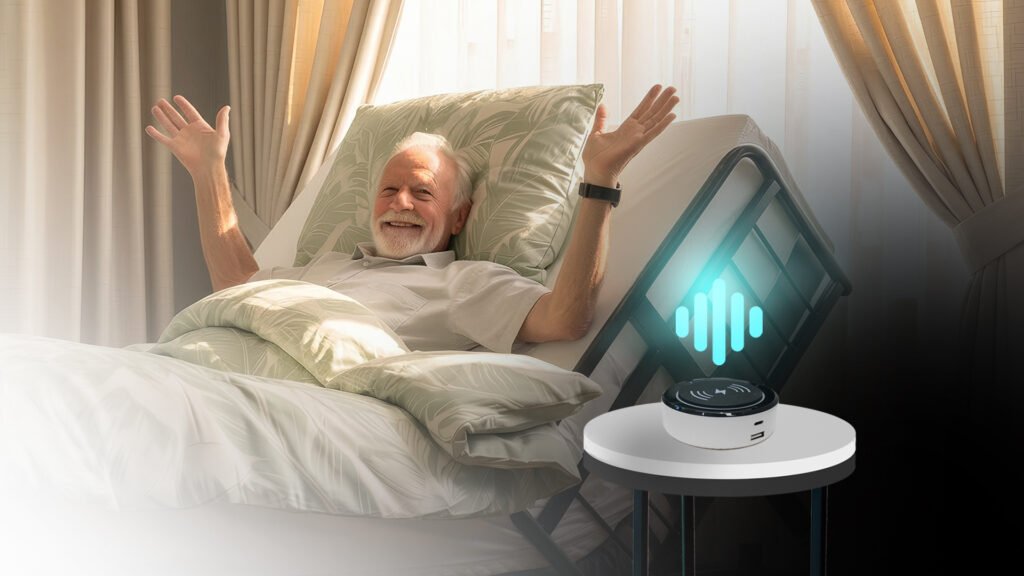
This is where a voice control adjustable bed offers a powerful solution. By removing the need for physical button pressing, voice-controlled beds allow users to adjust their bed safely and independently—using simple spoken commands.
Understanding Voice-Controlled Hi-Low Beds
A voice-controlled hi-low adjustable bed is designed to respond to verbal commands, allowing users to change their position hands-free. These beds are commonly integrated with smart home technology and are increasingly recommended by occupational therapists and aged care professionals.
Key features typically include:
- Hi-low height adjustment for safer transfers
- Head and foot tilt for comfort and pressure relief
- Zero-gravity positioning to reduce strain on the spine and joints
- Smooth, quiet electric motors suitable for home and aged care use
- Voice activation for complete hands-free control
A practical example is the Voice Control Homecare Hi-Low Bed, designed specifically for NDIS participants, aged care users, and people with limited hand function.
Benefits for Users Who Cannot Reliably Press Buttons
Hands-Free Independence
The most significant benefit of a voice control adjustable bed is independence. Users can say simple commands like “raise head,” “lower bed,” or “adjust feet,” without needing fine motor control. This is particularly valuable for individuals with:
- Arthritis
- Stroke-related weakness
- Parkinson’s disease
- Spinal cord injury
- Neurological or muscular conditions
Reduced Physical Strain and Fatigue
Repeated attempts to grip or press buttons can cause unnecessary fatigue and pain. Voice operation removes this effort entirely, helping users conserve energy throughout the day.
Enhanced Safety and Stability
Hi-low functionality allows the bed to be lowered close to the floor or raised to transfer height. Combined with voice control, users can reposition safely without sudden movements or overreaching—reducing fall and injury risk.
Improved Quality of Life
When users can adjust their bed independently, they experience greater dignity, comfort, and confidence. This autonomy often leads to better sleep, improved mood, and a stronger sense of control over daily routines.
Occupational Therapist Insights: Why Voice Control Matters
Occupational therapists frequently recommend voice-activated assistive beds for clients who struggle with fine motor tasks. From a clinical perspective, these beds support:
- Energy conservation strategies
- Safer bed mobility and transfers
- Reduced reliance on carers
- Integration with other assistive technology
Voice-controlled beds also work well alongside other smart homecare systems, allowing users to control lights, curtains, or emergency alerts from bed—further enhancing independence.
For allied health professionals across Victoria, electric hi-low beds for allied health use are increasingly seen as best practice for home-based care.
Funding Options: NDIS and SWEP in Victoria
Many users assume advanced beds are out of reach, but funding options may be available.
NDIS Approved Adjustable Beds
Voice-controlled beds may be funded under NDIS assistive technology, particularly when they:
- Address functional limitations
- Improve safety and independence
- Reduce carer support needs
These beds are often classified as NDIS approved beds when supported by OT or allied health documentation.
SWEP Approved Assistive Beds (Victoria)
For eligible Victorians, the State-Wide Equipment Program (SWEP) may also provide access to assistive technology beds, including electric hi-low and voice-controlled options.
Funding eligibility depends on individual circumstances, assessments, and clinical recommendations.
Hire, Trial, or Purchase Options Across Victoria
Choosing an assistive bed is a big decision—and many users prefer to try before committing.
Assistive Tech Hub offers flexible options across Victoria, including:
- Short-term hire for recovery or trial
- Rental options while awaiting funding approval
- Full purchase for long-term use
You can explore options via:
These options are especially helpful for NDIS participants, aged care users, and families wanting reassurance before making a long-term decision.
Why Voice-Controlled Beds Are Ideal for Aged Care and Disability Support
For aged care beds, disability beds Australia, and homecare beds with voice control for NDIS, voice activation is no longer a luxury—it’s a practical accessibility solution.
They are particularly beneficial for:
- Older adults with reduced hand strength
- Users with fluctuating mobility
- People requiring frequent repositioning
- Carers supporting multiple daily adjustments
By reducing physical demands on both users and carers, these beds improve safety, efficiency, and overall care quality.
Conclusion: Empowering Users Through Voice-Controlled Comfort
For individuals who cannot reliably press buttons, a voice control adjustable bed can be life-changing. By removing physical barriers, these beds restore independence, enhance safety, and improve everyday comfort.
Whether for NDIS participants, aged care users, or people with disabilities living at home, voice-controlled hi-low beds offer a future-focused approach to accessible care.
If you’d like guidance on choosing the right bed, understanding funding options, or arranging a trial, the Assistive Tech Hub team is ready to help.
📞 Contact Us for expert and personalised support.
Key Takeaways
- Voice-controlled beds eliminate reliance on handheld remotes
- Hi-low and tilt adjustments improve safety and independence
- Ideal for users with limited hand or arm mobility
- NDIS and SWEP may fund eligible assistive beds
- Hire and trial options are available across Victoria