
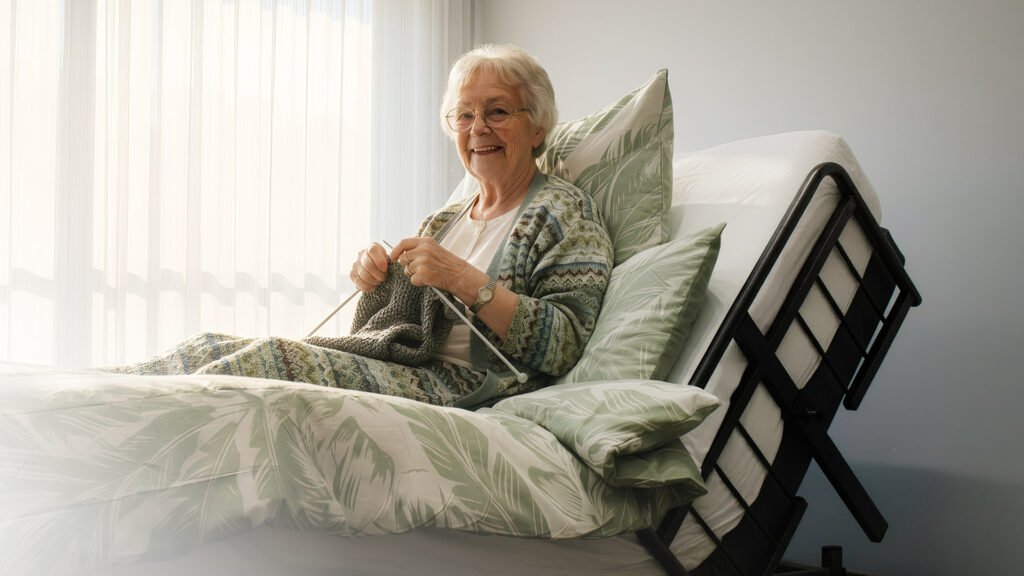
Community care across Australia is evolving rapidly as more people choose to age or receive disability support at home. With this shift, providers are prioritising assistive technology that improves safety, independence, and daily comfort. One solution increasingly seen as essential is the voice control adjustable bed, now widely adopted in community care settings across Victoria.
As trusted providers of assistive technology beds in Victoria, many community care organisations turn to Assistive Tech Hub for clinically supported solutions that align with NDIS and aged care requirements.
Introduction: The Growing Need for Assistive Technology in Community Care
Community-based care environments often operate with limited on-site support. This makes well-designed mobility bedsessential for reducing fall risk and supporting daily living activities.
Unlike traditional setups, modern disability care beds for home use allow individuals to remain safely in their own homes for longer. Purpose-built solutions such as aged care beds and electric adjustable beds for elderly users are now commonly recommended by occupational therapists supporting community-based care.
What Are Voice-Operated Beds?
Voice-operated beds are advanced hi low adjustable beds that respond to spoken commands, allowing users to adjust bed height and positioning without relying on handsets or manual controls.
Features and Benefits
A well-designed voice control adjustable bed typically includes:
- Voice-activated head, leg, and height positioning
- Smooth electric movement for comfort and pressure care
- A wide hi-low range to support safer transfers
- Compatibility with other smart homecare beds and assistive accessories
A good example is the voice-control homecare hi-low bed, which is specifically designed for community care, NDIS participants, and aged care environments.
How They Differ From Standard Adjustable Beds
Standard electric beds rely heavily on remotes, which may be difficult for users with arthritis, neurological conditions, or limited hand control. Voice-operated models are increasingly preferred as mobility beds for elderly people in Victoria, as they support independence while reducing reliance on carers.
Addressing Mobility Challenges for Older Australians
Supporting Independence and Daily Living
A voice control adjustable bed enables users to reposition themselves independently for sleeping, sitting, or transfers. This supports better circulation, breathing, and comfort, making these beds a strong option among electric beds for aged care and community-based support settings.
For individuals receiving in-home care, these beds promote dignity by reducing unnecessary assistance.
Reducing Carer Strain
Manual handling remains a major risk factor in community care. Voice-operated beds reduce repetitive bending, lifting, and repositioning, supporting safer care practices and aligning with occupational therapy recommendations for electric hi-low beds for allied health use.
Compliance and Safety in Community Care Settings
NDIS and Aged Care Standards
Many NDIS approved adjustable beds are funded because they:
- Minimise fall risk through controlled hi-low positioning
- Support safer transfers for users and carers
- Improve functional independence at home
Voice-operated beds meet these criteria and are commonly recommended as assistive beds within both disability and aged care funding frameworks.
Emergency Support and Voice Control Integration
Some aged care electric beds with voice control can be paired with emergency backup systems, allowing essential bed functions to continue during power outages. This is particularly important for individuals living alone or receiving overnight community care support.
Evidence From Occupational Therapists and Care Providers
Recommendations for High-Support Users
Occupational therapists frequently recommend voice-operated beds for participants with:
- Progressive neurological conditions
- Reduced upper-limb function
- Complex or high daily support needs
These beds are often selected as long-term solutions within the broader range of disability beds in Australia, reducing the need for frequent equipment upgrades.
Positive Outcomes in Practice
Community care providers report:
- Reduced manual handling injuries
- Improved positioning and pressure management
- Fewer overnight assistance calls
- Better continuity of care
These outcomes are driving increased adoption of aged care beds in Victoria across community, disability, and homecare settings.
Options for Hire, Purchase, or Rental
Not all community care situations require permanent equipment.
For long-term needs, families may choose to purchase through Assistive Tech Hub.
For short-term recovery or transitional care, assistive bed hire options are available via the hire service.
Those awaiting funding approval can explore flexible arrangements by submitting a rental enquiry.
For personalised advice, assessments, or guidance on suitable equipment, carers and providers are encouraged to contact Assistive Tech Hub.
Conclusion
Voice-operated beds are no longer considered optional in Australian community care. By supporting independence, reducing risk, and aligning with NDIS and aged care standards, they are quickly becoming the standard for home-based support.
As community care continues to expand, technology such as voice control adjustable beds will remain central to safe, dignified, and person-centred care at home.