
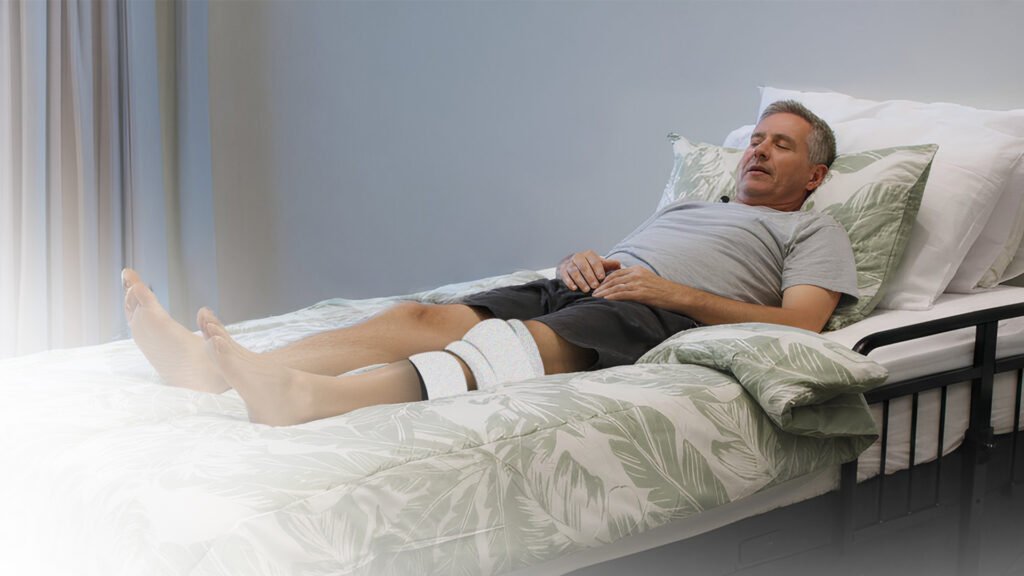
Hip and knee replacement surgery can significantly improve mobility and quality of life, but the recovery phase requires careful movement and protection of the surgical site. Simple actions such as sitting up, changing leg position, or adjusting the bed can place unnecessary strain on healing joints.
For many older Australians, a voice control adjustable bed provides a safer and more practical way to manage recovery at home—especially during the early weeks when bending, twisting, and weight-bearing are restricted.
Introduction: Recovery Challenges After Hip & Knee Replacement
After hip or knee replacement surgery, patients are often advised to:
- Avoid deep bending or twisting
- Limit sudden or unsupported movements
- Elevate the legs to manage swelling
- Maintain safe alignment of the operated joint
These restrictions can make standard beds difficult and sometimes unsafe to use, particularly at night or when carers are not immediately available.
Why Movement Control Matters During Early Recovery
In the early recovery phase, uncontrolled movement can:
- Increase pain and inflammation
- Stress the surgical joint or surrounding tissues
- Delay healing
- Increase the risk of falls or re-injury
Controlled, gradual bed adjustments allow patients to change position while keeping joints supported and aligned—an important factor in successful rehabilitation.
What Are Voice-Controlled Adjustable Beds?
A voice control adjustable bed allows users to adjust bed positions using spoken commands instead of physical effort. This removes the need to push, pull, or twist the body when repositioning.
Modern homecare beds often include:
- Backrest elevation for safe sitting
- Leg elevation to support circulation
- Hi-low height adjustment for easier transfers
- Smooth, motorised movement for controlled positioning
The Voice-Control Homecare Hi-Low Bed is designed specifically for recovery, disability care, and aged care use in Australian homes.
How Voice Commands Reduce Physical Strain
Voice-controlled beds reduce strain in several important ways:
- Reduced bending and twisting, protecting the hip or knee joint
- Safe transitions from lying to sitting without pushing through the legs
- Hands-free leg elevation to help manage post-surgical swelling
- Protection of surgical sites by minimising abrupt or unsupported movement
This hands-free control is particularly useful during night-time adjustments, when pain and stiffness are often worse.
Clinical Benefits for Post-Surgery Patients
From a clinical perspective, voice-controlled beds support recovery by:
- Reducing pain associated with movement
- Supporting proper joint alignment
- Encouraging independence without compromising safety
- Decreasing reliance on carers for basic repositioning
These benefits are why electric hi-low beds for allied health use are commonly recommended by physiotherapists and occupational therapists following joint replacement surgery.
Who Benefits the Most?
Voice-controlled adjustable beds are especially helpful for:
- Older Australians recovering from hip or knee replacement
- NDIS participants with mobility limitations
- People with joint stiffness, arthritis, or obesity
- Patients with reduced strength or balance confidence
- Individuals recovering at home without full-time care
These beds are widely used in mobility beds for elderly in Victoria and home-based rehabilitation settings.
Voice-Controlled Hi-Low Beds Used in Australia
In Victoria, access to voice-controlled beds may be supported through:
- NDIS approved adjustable beds, following OT assessment
- SWEP approved assistive beds for short-term or transitional recovery
- Aged care and post-acute homecare programs
Providers such as Assistive Tech Hub work closely with therapists to ensure beds meet clinical and funding requirements.
Hiring vs Buying a Voice-Controlled Bed During Recovery
Hip and knee replacement recovery timelines vary. Some patients need support for weeks, others for several months.
Options include:
- Short-term recovery support through bed hire
- Extended trials or medium-term use via rental enquiry
- Purchasing a bed for long-term mobility or ongoing joint conditions
Hiring can be a cost-effective option when the bed is only needed during recovery.
How to Choose the Right Bed: An OT’s Recommendations
Occupational therapists often recommend looking for:
- Hi-low height adjustment for safer transfers
- Smooth backrest and leg elevation
- Stable frame with lockable castors
- Hands-free voice control for pain-free adjustments
- Optional side rails if balance is a concern
These features are common in electric adjustable beds for elderly and post-surgical homecare use.
Conclusion: A Safer, Easier Recovery Path for Australians
Recovering from hip or knee replacement surgery requires support that protects healing joints while promoting independence. A voice control adjustable bed allows Australians to reposition safely, manage swelling, and reduce strain without relying on painful movements.
For post-surgical recovery at home, voice-controlled beds offer a practical, clinically supported solution that benefits both patients and carers.
For personalised advice or OT-supported recommendations, you can contact Assistive Tech Hub for guidance.