Assistive Tech Hub

Why Voice-Controlled Beds Are Safer for Australians with Neck or Shoulder Injuries

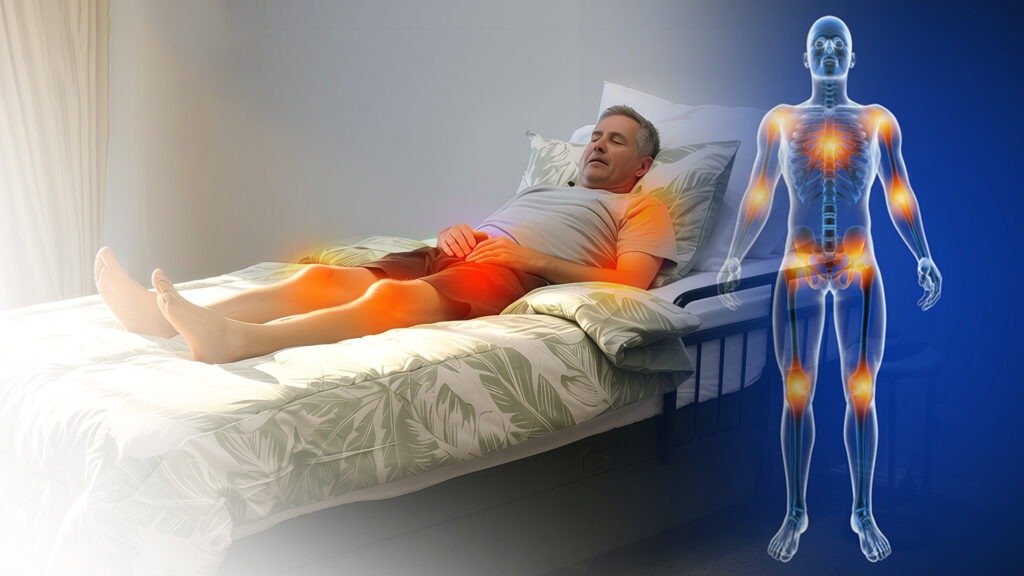
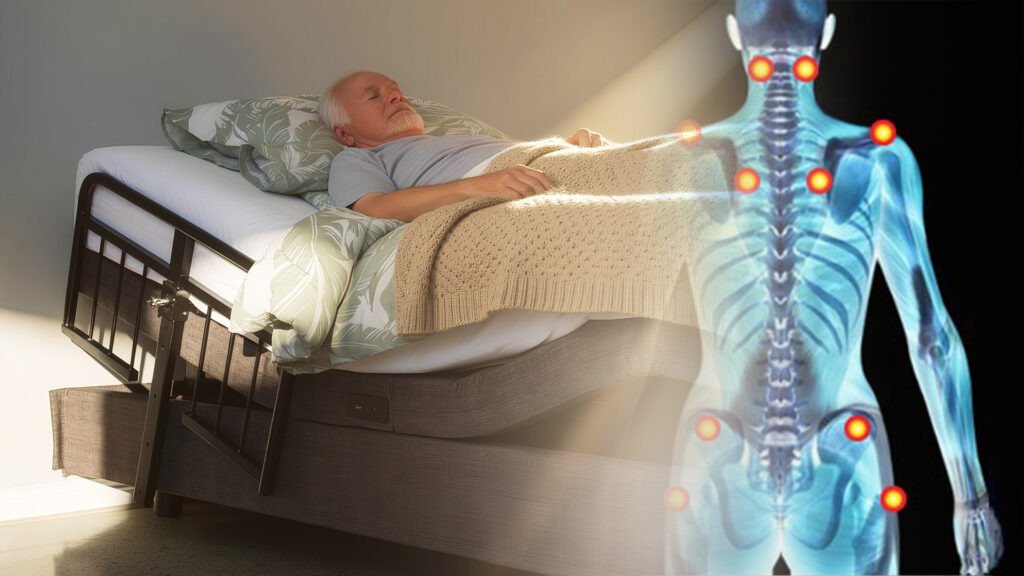
Neck and shoulder injuries can make even simple movements painful and risky. Tasks most people take for granted—sitting up in bed, adjusting pillows, or reaching for a remote—can place strain on healing muscles and joints. For Australians recovering at home, a voice control adjustable bed offers a safer way to reposition, rest, and recover without aggravating injuries. These beds are increasingly recommended in homecare, aged care, and NDIS-supported environments across Victoria. Introduction: Why Neck and Shoulder Injuries Limit Everyday Movement Neck and shoulder injuries often cause: Pain with lifting or reaching Muscle guarding and stiffness Reduced arm strength or range of motion Difficulty supporting body weight during movement Conditions such as rotator cuff injuries, cervical spine issues, post-surgical restrictions, and accident-related trauma can make bed mobility particularly challenging. Without the right support, repeated strain can slow recovery and increase reliance on carers. The Problem: Standard Beds Force Painful Movements Most standard beds are not designed for injury recovery. They often require users to: Push through the arms or shoulders to sit up Twist the torso to adjust pillows or position Reach repeatedly for remotes or bed controls Rely on carers for simple repositioning These movements can aggravate neck and shoulder injuries, increase pain levels, and heighten the risk of setbacks during recovery. What Is a Voice-Control Adjustable Bed? A voice control adjustable bed allows users to change bed positions using spoken commands rather than physical effort. This removes the need for reaching, pushing, or twisting. Features commonly include: Backrest elevation for supported sitting Leg elevation for circulation and comfort Hi-low height adjustment for safer transfers Smooth, controlled movement to avoid sudden strain The Voice-Control Homecare Hi-Low Bed is designed for injury recovery, disability care, and aged care use in Australian homes. How Voice-Controlled Beds Reduce Strain on the Neck and Shoulders Voice-controlled beds reduce physical stress in several key ways: No reaching for remotes or controls No bending, twisting, or pushing through painful joints Hands-free adjustments during pain flare-ups Smooth transitions from lying to sitting positions Safer entry and exit using hi-low height positioning By removing these high-risk movements, users can reposition themselves without compromising healing tissues. Clinical Benefits for Injury Recovery From a clinical perspective, appropriate bed positioning supports recovery by: Reducing muscle tension in the neck and shoulders Improving circulation to injured areas Supporting neutral spinal alignment Minimising swelling through controlled elevation Allowing frequent micro-adjustments without strain Physiotherapists and occupational therapists often recommend electric hi-low beds for allied health use when neck or shoulder movement is restricted. Benefits for Elderly Users and Carers Older Australians with neck or shoulder injuries often face additional challenges such as reduced balance or strength. Voice-controlled beds help by: Reducing the need for carers to manually reposition users Supporting predictable, stable movements Lowering fall risk during transfers Making night-time care safer and less physically demanding These benefits are particularly valuable in aged care beds Victoria and home-based recovery settings. NDIS, SWEP, and Aged Care Funding Pathways In Victoria, access to voice-controlled beds may be supported through: NDIS approved adjustable beds with OT assessment SWEP approved assistive beds for short-term or transitional needs Aged care and homecare equipment programs Assistive Tech Hub works with therapists and funding bodies to help match the right equipment to individual recovery needs. Hire, Trial, or Buy Voice-Controlled Beds in Victoria Neck and shoulder injuries may require temporary or long-term support. Flexible options include: Short-term recovery support through bed hire Trial or extended use via rental enquiry Purchase for ongoing injury management or chronic conditions This flexibility allows users and families to choose what suits their recovery timeline. Key Features That Improve Safety for Neck and Shoulder Injury Patients When selecting a bed for neck or shoulder injuries, look for: Touch-free voice commands to avoid reaching Adjustable height for safer transfers Backrest elevation to reduce neck strain Smooth, quiet motors for controlled movement Optional side rails for added stability Beds designed for electric beds for aged care and disability use often include these safety-focused features. Conclusion Neck and shoulder injuries require careful movement and proper support. A voice control adjustable bed reduces strain, improves safety, and allows people to reposition without triggering pain or risking further injury. For injury recovery, elderly care, or NDIS-supported home use, voice-controlled beds provide a practical solution that supports independence while protecting vulnerable joints. For personalised guidance or OT-supported recommendations, you can contact Assistive Tech Hub for assistance.

Why Voice-Controlled Beds Are Safer for Australians with Neck or Shoulder Injuries Read More »

Post-Surgery Home Recovery: How Voice-Controlled Beds Support Restricted Movement

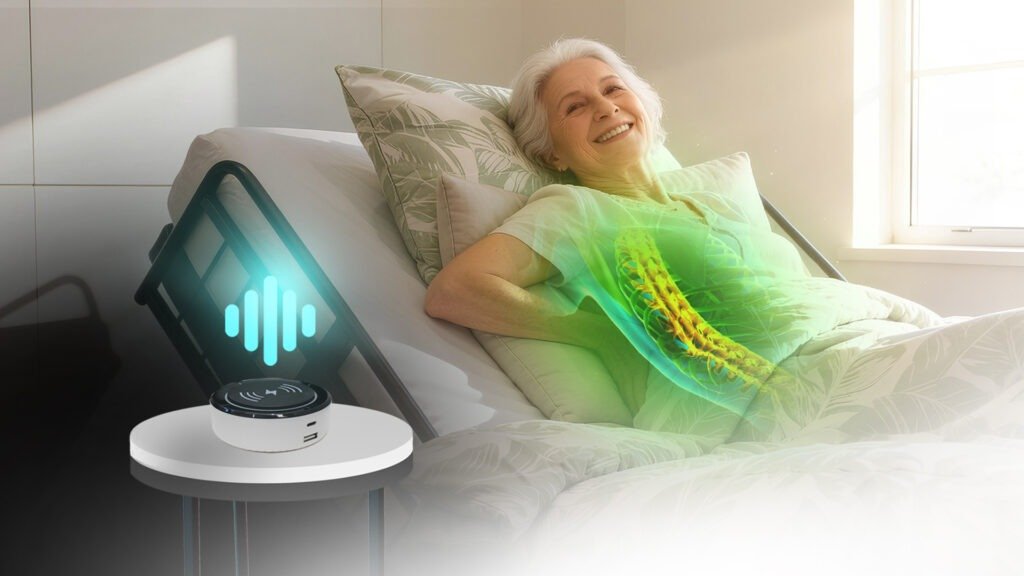
Recovering at home after surgery can be physically demanding, especially when movement is limited and pain levels fluctuate throughout the day and night. For many Australians, the bed becomes the main recovery space — where comfort, safety, and correct positioning play a major role in healing. A voice control adjustable bed can support safer, more independent recovery by allowing hands-free positioning without straining the body or relying on constant carer assistance. For people in Victoria, these beds are now widely used in post-surgery homecare, aged care, and NDIS-supported recovery. Introduction: Why Post-Surgery Recovery at Home Requires the Right Support After surgery, the body needs time, stability, and correct positioning to heal properly. Many people experience: Pain and stiffness Fatigue and weakness Reduced ability to sit up, turn, or reposition Temporary or long-term movement restrictions Without the right support, simple tasks like sitting up in bed or adjusting leg position can cause discomfort, delay healing, or increase fall risk. Home recovery solutions that reduce physical strain are essential — particularly for older adults and people living alone. The Challenge: Restricted Movement After Surgery Restricted movement is common following procedures such as: Hip or knee replacements Spine or back surgery Abdominal surgery Cardiac or thoracic surgery Doctors often advise patients to avoid bending, twisting, pushing, or lifting during early recovery. Even using arms to pull up from bed can place stress on healing tissues. For many patients, this leads to increased dependence on carers, especially at night. Why Bed Positioning Is Critical for Recovery Correct bed positioning supports recovery in several important ways: Reduces swelling by elevating legs when needed Improves breathing and lung expansion after surgery Helps manage pain through supported posture Prevents pressure injuries from prolonged immobility Makes transitions from lying to sitting safer and smoother A bed that adjusts smoothly and holds stable positions can significantly improve comfort and confidence during recovery. What Is a Voice-Control Adjustable Bed? A voice control adjustable bed allows users to change bed positions using spoken commands rather than buttons or remotes. This is particularly helpful when arm strength or coordination is limited. Key functions typically include: Backrest elevation for sitting and breathing support Hi-low height adjustment for safe transfers Leg elevation to reduce swelling Smooth, quiet movement to avoid sudden strain The Voice-Control Homecare Hi-Low Bed is designed for post-surgery recovery, aged care, and disability support in Australian homes. How Voice-Controlled Beds Support People with Limited Mobility Voice-controlled beds offer practical, everyday support during recovery: No need to use arm or core strength to sit up Safer transitions from lying to sitting positions Reduced reliance on carers for repositioning Easy night-time adjustments without fully waking or moving abruptly Supports surgeon- and therapist-recommended recovery positions This level of control helps patients feel more independent while staying within safe movement limits. Benefits for Carers During Post-Surgery Support Supporting someone after surgery can be physically demanding. Voice-controlled beds help carers by: Reducing manual lifting and repositioning Supporting safer transfers in and out of bed Minimising strain on the back, shoulders, and wrists Allowing carers to assist with confidence, even during night care These benefits are especially important in aged care settings and home environments where one carer provides most of the support. NDIS and Aged Care Options for Post-Surgery Recovery Beds In Victoria, post-surgery recovery beds may be accessed through: NDIS approved adjustable beds (with OT assessment) SWEP approved assistive beds for short-term or transitional needs Aged care beds Victoria for home or facility use Occupational therapists and physiotherapists often recommend electric hi-low beds for allied health use to support safe recovery and reduce risk during transfers. Assistive Tech Hub works closely with allied health professionals to support suitable equipment selection. Hire, Trial, or Purchase Options in Victoria Not all recovery needs are long-term. Flexible options are available depending on the length of recovery: Short-term recovery support through bed hire Trial or extended rental options via rental enquiry Long-term purchase for ongoing mobility or chronic conditions These options allow families to choose what works best without unnecessary financial pressure. Key Features to Look for in a Post-Surgery Recovery Bed When choosing a recovery bed, look for features that support healing and safety: Adjustable backrest for supported sitting and breathing Leg elevation to manage swelling and circulation Hi-low height adjustment for safer transfers Voice-control operation for hands-free positioning Optional safety rails for stability Lockable castors to prevent unwanted movement Beds designed for electric beds for aged care and disability use typically include these features. Conclusion Post-surgery recovery is easier and safer when the right support is in place. A voice control adjustable bed allows individuals with restricted movement to reposition comfortably, maintain recommended postures, and recover with greater independence. For carers, these beds reduce physical strain and improve safety. For patients, they provide confidence, comfort, and control during a critical healing period. To explore suitable options or receive OT-supported guidance, you can contact Assistive Tech Hub for personalised advice.

Post-Surgery Home Recovery: How Voice-Controlled Beds Support Restricted Movement Read More »

How Australians with Acid Reflux Benefit from Quick Voice-Led Head Elevation

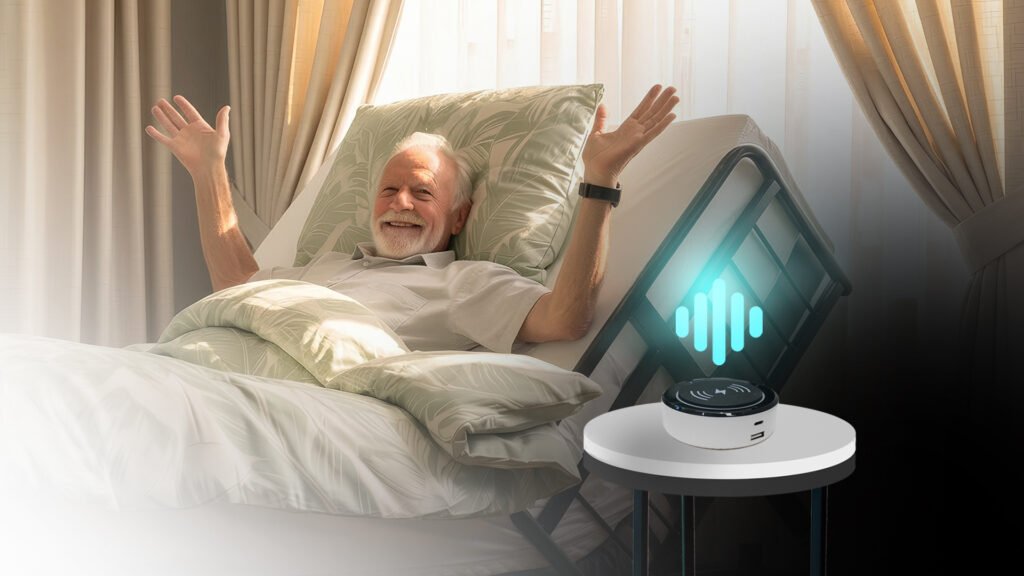
Acid reflux and gastroesophageal reflux disease (GERD) affect a large number of Australians, particularly older adults and people with limited mobility. For many, symptoms worsen at night—interrupting sleep, causing discomfort, and increasing dependence on carers. One of the most effective non-medication strategies for managing reflux is head elevation during rest and sleep. However, manually adjusting pillows or sitting upright can be difficult, painful, or unsafe for some individuals. This is where a voice control adjustable bed can make a meaningful difference, offering fast, hands-free head elevation when symptoms occur. Solutions designed for Australian homecare needs are available through Assistive Tech Hub. Introduction: Why Acid Reflux Is So Common in Australians Acid reflux occurs when stomach acid flows back into the oesophagus, causing burning sensations, discomfort, coughing, or disturbed sleep. Several factors contribute to its high prevalence in Australia, including: Diet and meal timing Obesity and reduced physical activity Age-related weakening of oesophageal muscles Chronic health conditions and medications Night-time reflux is particularly challenging because lying flat allows acid to travel upward more easily, often waking individuals suddenly and forcing them to sit upright. Why Head Elevation Helps Reduce Acid Reflux Symptoms Clinical guidelines consistently recommend elevating the head and upper body to reduce reflux symptoms. Elevation helps by: Using gravity to prevent acid backflow Reducing pressure on the stomach Supporting easier breathing during sleep Minimising coughing and throat irritation Unlike stacking pillows—which can slip or strain the neck—controlled bed elevation provides stable, consistent positioning throughout the night. The Problem: Manual Adjustment Is Difficult for Many While head elevation is effective, achieving it is not always easy. Many Australians with reflux also experience: Arthritis or reduced hand strength Back, hip, or shoulder pain Limited mobility or fatigue Dependence on carers for repositioning Sitting up suddenly during a reflux episode can increase the risk of dizziness, falls, or injury—particularly for older adults or people with disabilities. What Is a Voice-Control Adjustable Bed? A voice control adjustable bed allows users to reposition the bed using spoken commands instead of buttons or remotes. Key functions include: Smooth head and upper body elevation Hi-low height adjustment for safe transfers Gradual, quiet movement to avoid discomfort Hands-free operation for independence The Voice-Control Homecare Hi-Low Bed is designed specifically for aged care, disability support, and homecare use in Australia. How Quick Voice-Led Head Elevation Helps Acid Reflux Sufferers Immediate Relief During Sudden Reflux Episodes Voice activation allows users to elevate their head instantly without sitting up or calling for help. No Manual Effort Required This is especially helpful for people with joint pain, weakness, or tremors. Reduced Night-Time Discomfort Maintaining an elevated position can prevent repeated reflux episodes throughout the night. Greater Independence for NDIS Participants Users can manage their own comfort without relying on carers for repositioning. Safer for Elderly Users Smooth elevation reduces sudden movements that can trigger dizziness or imbalance. Benefits for Carers and Families Supporting Acid Reflux Patients Caring for someone with frequent reflux can be physically and emotionally demanding. Voice-controlled beds help carers by: Reducing the need for night-time lifting or repositioning Supporting occupational therapist-recommended sleep positioning Allowing carers to focus on monitoring and comfort rather than manual handling Improving overall safety in the home environment This is particularly valuable in aged care and disability support settings. Voice-Controlled Beds for Aged Care & Disability Support in Victoria Voice-controlled adjustable beds are increasingly used across: Aged care beds Victoria Disability care beds for home use Community and NDIS-supported living environments Funding pathways may be available through: NDIS approved adjustable beds SWEP approved assistive beds Hospital discharge and short-term care programs Occupational therapists typically assess suitability and support funding applications. Hire, Trial, or Purchase Options in Victoria Choosing the right bed is a significant decision. Flexible options are available to suit different needs: Short-term hire for recovery or symptom management (Hire options) Trial or rental periods before long-term commitment (Rental enquiry) Permanent purchase for ongoing reflux management These options help individuals and families make informed choices without pressure. Choosing the Right Bed for Acid Reflux: Key Features When selecting a bed for reflux management, consider: Reliable backrest and upper-body elevation Smooth, quiet transitions that won’t disturb sleep Stable, sturdy frame for safety Optional safety rails for added security Battery backup for uninterrupted use during power outages Beds designed for electric hi-low beds for allied health use often meet these requirements. Conclusion For Australians living with acid reflux, fast and reliable head elevation can significantly reduce night-time discomfort and improve sleep quality. A voice control adjustable bed provides hands-free, immediate positioning that supports comfort, safety, and independence—especially for older adults, people with disabilities, and those receiving homecare. By reducing carer strain and aligning with NDIS and aged care needs, voice-led head elevation offers a practical and effective solution for reflux management at home. For personalised advice or support with funding and trials, you can contact Assistive Tech Hub for OT-supported guidance.

How Australians with Acid Reflux Benefit from Quick Voice-Led Head Elevation Read More »

Voice-Operated Foot Elevation for Managing Edema in Older Australians

Edema, or swelling caused by fluid retention, is a common concern among older Australians. It often affects the feet, ankles, and lower legs, making daily movement uncomfortable and increasing the risk of skin breakdown, pain, and reduced mobility. For many older adults, managing edema requires regular leg and foot elevation—but doing this manually can be difficult, tiring, or unsafe. A voice control adjustable bed offers a practical and accessible way to support edema management at home or in care settings. By allowing users to elevate their legs using simple voice commands, these beds reduce physical effort, support circulation, and help older Australians manage swelling with greater comfort and independence. You can explore assistive bed solutions designed for Australian homecare needs through Assistive Tech Hub. Introduction: Why Edema Is Common in Older Australians Edema becomes more prevalent with age due to a combination of physiological and lifestyle factors, including: Reduced circulation and venous return Limited mobility or prolonged sitting and lying Chronic conditions such as heart disease, kidney disease, or diabetes Side effects of certain medications Reduced muscle activity in the lower limbs When fluid pools in the lower extremities, it can cause heaviness, tight skin, discomfort, and reduced range of motion. If not managed properly, edema can also increase the risk of pressure injuries and infections, particularly in frail or immobile individuals. Why Leg and Foot Elevation Matters in Edema Management Clinical guidance commonly recommends regular leg and foot elevation as a first-line strategy for managing lower limb edema. Benefits include: Supporting venous and lymphatic return Reducing fluid accumulation in the feet and ankles Easing pain, tightness, and skin pressure Improving overall comfort during rest However, pillows and manual positioning are often unstable and require frequent adjustment. A controlled, adjustable solution allows elevation to be achieved safely and consistently. What Is a Voice-Controlled Adjustable Bed? A voice control adjustable bed is an electric bed that responds to spoken commands, allowing users to change bed positions without using buttons or remotes. Key functions include: Foot and leg elevation Adjustable head and upper body positioning Hi-low height adjustment for safe transfers Smooth, gradual movement to avoid strain An example is the Voice-Control Homecare Hi-Low Bed, which is designed for older adults, NDIS participants, and homecare environments. How Voice-Operated Foot Elevation Helps Older Adults Hands-Free Support for Limited Strength or Dexterity Many older Australians experience arthritis, weakness, or tremors that make using remotes difficult. Voice operation removes this barrier completely. Reduced Physical Strain Users can elevate their legs without bending, reaching, or lifting, which is especially important for those with balance issues or fatigue. Lower Carer Workload Carers no longer need to manually reposition legs multiple times a day, reducing physical strain and time demands. Supports Physiotherapy and OT Positioning Consistent, controlled elevation aligns with occupational therapy and physiotherapy recommendations for edema and circulation management. Ideal for NDIS Participants Voice-operated beds support independence while meeting the functional needs outlined in many NDIS plans. Benefits for Carers, Clinicians, and Home Environments Voice-controlled beds provide advantages beyond the user alone. For carers and clinicians, they: Enable safer positioning without manual lifting Support pressure care routines Improve compliance with recommended elevation schedules Reduce risk of carer injury For home environments, hi-low functionality improves: Transfer safety Bed access for mobility aids Overall ease of daily care These features make voice-operated beds suitable for aged care beds Victoria, private homes, and community care settings. When to Consider a Voice-Controlled Bed for Edema A voice-operated adjustable bed may be appropriate when: Swelling is persistent or worsening Manual leg elevation is difficult or inconsistent The user has limited mobility or hand function Carers are experiencing physical strain Long-term homecare or disability support is required They are particularly useful for older adults managing chronic edema linked to cardiac, vascular, or mobility-related conditions. Hire, Trial, or Purchase Options in Victoria Choosing an assistive bed is an important decision. Assistive Tech Hub offers flexible pathways across Victoria, including: Short-term hire for recovery or assessment (Hire options) Trial or rental periods to test suitability before committing (Rental enquiry) Long-term purchase for ongoing care needs These options support informed decision-making for families, clinicians, and NDIS participants. How to Choose the Right Voice-Control Adjustable Bed When selecting a bed for edema management, consider: Smooth and quiet foot elevation Hi-low height adjustment for safe transfers Battery backup for power interruptions Compatibility with safety rails and pressure mattresses Voice recognition accuracy and simplicity Beds designed for electric hi-low beds for allied health use typically meet these requirements. NDIS, SWEP, and Aged Care Funding Pathways Many older Australians may be eligible for funding support through: NDIS approved adjustable beds SWEP approved assistive beds Aged care and hospital discharge programs Occupational therapists often play a key role by: Assessing functional needs Recommending appropriate bed features Supporting documentation and applications Assistive Tech Hub can help guide users and families through these pathways. Conclusion For older Australians managing edema, regular leg and foot elevation is essential—but it should not be physically demanding or unsafe. A voice control adjustable bed provides hands-free, controlled foot elevation that supports circulation, reduces swelling, and improves daily comfort. By promoting independence, reducing carer strain, and aligning with NDIS and aged care requirements, voice-operated beds offer a practical, long-term solution for edema management at home. For personalised advice or to explore available options, you can contact Assistive Tech Hub for OT-supported recommendations. Key Takeaways Voice-operated elevation provides safe, hands-free edema support Ideal for elderly users, NDIS participants, and people with limited mobility Helps reduce swelling, improve comfort, and support independent care Hire, trial, and purchase options are available across Victoria

Voice-Operated Foot Elevation for Managing Edema in Older Australians Read More »

Using a Voice-Controlled Bed to Reduce Breathlessness & Orthopnea in Cardiac Patients

For many Australians living with cardiac conditions, breathlessness and orthopnea can make lying flat uncomfortable or even distressing. These symptoms often worsen at night, interrupting sleep and increasing anxiety for both patients and carers. Repositioning the body to support breathing is essential, yet doing so manually can be physically demanding, especially for elderly individuals or those with limited stamina. A voice control adjustable bed provides a safe, hands-free way to elevate the upper body, improve airflow, and support independence in homecare settings. By allowing users to adjust their position using simple voice commands, these beds reduce physical strain while promoting comfort and dignity. Learn more about available solutions through Assistive Tech Hub, a provider of NDIS-approved and SWEP-approved assistive beds across Victoria. Introduction: Why Cardiac Patients Struggle with Breathlessness & Orthopnea Cardiac conditions such as heart failure can cause fluid redistribution and reduced cardiac efficiency when lying flat. This leads to: Increased shortness of breath Difficulty maintaining comfortable sleeping positions Frequent night-time awakenings Heightened anxiety around sleep Orthopnea often forces patients to rely on multiple pillows or assistance from carers. However, these solutions are not always stable or safe. Adjustable positioning that can be changed easily and gradually is critical for managing symptoms and maintaining rest. How Voice-Controlled Hi-Low Beds Support Safe Repositioning A voice control adjustable bed combines ergonomic design with accessibility-focused technology to support cardiac patients safely. Key functions include: Hands-free voice operation, eliminating the need for remotes or buttons Smooth head and upper body elevation to improve airflow Hi-low height adjustment to support safe transfers in and out of bed Stable positioning that can be adjusted incrementally to prevent dizziness or strain An example is the Voice-Control Homecare Hi-Low Bed, designed for homecare and allied health use. Benefits of Head & Upper Body Elevation for Cardiac Patients Reduced Pressure on the Lungs and Diaphragm Elevating the torso decreases pressure from abdominal organs and improves lung expansion, making breathing easier during rest. Improved Oxygen Intake A supported incline encourages better oxygen flow, which is particularly important for patients experiencing nighttime breathlessness. Easier Nighttime Breathing and Reduced Anxiety When patients can adjust their position independently and comfortably, anxiety related to breathing difficulty often decreases, leading to more restful sleep. Role of Voice Commands in Managing Limited Mobility Many cardiac patients experience fatigue, weakness, or reduced hand strength. Voice-controlled beds are especially helpful because they: Remove the need to grip or press controls Allow repositioning without physical exertion Reduce reliance on carers for frequent adjustments Support independence in homecare environments This makes electric beds for aged care and home use safer and more practical for long-term cardiac management. OT Recommendations for Heart Patients Using Adjustable Beds Occupational therapists commonly recommend: Gradual head elevation, often between 30–45°, depending on tolerance Smooth transitions between positions to reduce cardiovascular strain Ensuring bed height is appropriate for safe transfers Integrating the bed with other supports such as cushions or oxygen equipment Voice-controlled beds allow these recommendations to be followed consistently without physical effort from the user. NDIS & SWEP Funding: Accessing Approved Assistive Beds in Victoria Eligible users may access funding through: NDIS approved adjustable beds for long-term disability support SWEP approved assistive beds for short- or medium-term needs Funding may apply to hire, trial, or purchase depending on individual circumstances. Assistive Tech Hub can assist with navigating eligibility and documentation requirements. Hire, Trial, or Buy Options in Victoria Choosing the right bed is an important decision. Options include: Short-term hire for recovery or symptom management (Hire options) Trial periods to assess comfort and positioning benefits before purchase (Rental enquiry) Long-term purchase for ongoing cardiac and homecare needs These pathways allow patients and families to make informed, personalised decisions. Conclusion For cardiac patients experiencing breathlessness or orthopnea, safe and adjustable upper body elevation is essential. A voice control adjustable bed enables hands-free repositioning, reduces physical strain, and supports better breathing during rest. By improving comfort, safety, and independence, these beds play a valuable role in cardiac homecare. For professional guidance, funding support, or to arrange a trial, you can contact Assistive Tech Hub for tailored advice. Key Takeaways Voice control allows cardiac patients to adjust bed position without physical strain Proper head and upper body elevation reduces orthopnea and improves airflow NDIS and SWEP pathways make assistive beds accessible in Victoria Hire and trial options support informed, patient-centred decisions

Using a Voice-Controlled Bed to Reduce Breathlessness & Orthopnea in Cardiac Patients Read More »

Voice-Controlled Head Elevation for People with COPD or Asthma in Homecare

For Australians living with COPD or asthma, simple daily tasks like sleeping or sitting up in bed can become uncomfortable or even challenging. Respiratory conditions often make lying flat difficult, increasing strain on the lungs and making restful sleep elusive. Traditional bed adjustments may require manual effort or caregiver assistance, adding extra strain and reducing independence. A voice control adjustable bed can transform the homecare experience. With hands-free commands, users can safely and easily adjust head and upper body positions to improve breathing, reduce respiratory strain, and enhance comfort. For patients, carers, and occupational therapists across Victoria, these beds provide a practical and empowering solution. Explore Assistive Tech Hub to learn more about assistive beds that support independent living. Introduction: Breathing Challenges in Homecare Chronic respiratory conditions like COPD and asthma affect millions of Australians, particularly seniors and those with mobility limitations. When lying flat, patients often experience: Shortness of breath Poor oxygen intake Sleep disruptions and discomfort Adjusting the head of the bed is critical for maintaining proper breathing, improving sleep quality, and reducing muscle strain in the chest and shoulders. However, manual adjustments or relying on carers can be inconvenient, uncomfortable, and sometimes unsafe. Voice-controlled hi-low beds offer a hands-free solution, allowing users to find the optimal head elevation without assistance. How Voice-Controlled Hi-Low Beds Work A voice control adjustable bed combines ergonomic design with smart technology to support respiratory health: Hands-free voice commands: Adjust head, foot, and bed height without touching controls Adjustable head and upper body positions: Find the perfect incline to support breathing Hi-low bed functionality: Safely get in and out of bed while minimizing fall risks Zero-gravity positioning: Reduce pressure on the chest and improve lung expansion For more details and product options, see the Voice-Control Homecare Hi-Low Bed. Benefits for COPD and Asthma Patients Improved Breathing and Oxygen Intake Elevating the head and upper body promotes better lung expansion and oxygenation, reducing episodes of breathlessness during rest. Reduced Strain on Respiratory Muscles Voice-controlled adjustment eliminates the need for manual repositioning, minimizing fatigue and muscular effort in the chest, shoulders, and neck. Enhanced Independence and Comfort Patients can reposition themselves at any time without relying on carers, empowering them to manage their respiratory comfort independently. Better Sleep Quality Proper head elevation reduces nighttime coughing and wheezing, supporting deeper, restorative sleep. Occupational Therapist Recommendations Occupational therapists recommend electric hi-low beds for allied health use to support safe and effective homecare for respiratory patients. Key considerations include: Optimal head and upper body incline for improved breathing Safe transfer heights for entering and exiting the bed Compatibility with pillows, cushions, or oxygen tubing for individualized support Voice control beds integrate seamlessly with other assistive technology beds in Victoria, improving safety and independence for homecare patients. NDIS and SWEP Approved Beds in Victoria Many NDIS approved adjustable beds and SWEP approved assistive beds are available for eligible participants. Funding can support: Voice control adjustable beds for homecare Hi-low and ergonomic beds for elderly or mobility-impaired patients Rental or purchase options depending on homecare needs Assistive Tech Hub can guide NDIS participants, carers, and therapists through funding eligibility and provider options. Hire, Trial, and Purchase Options Before committing, patients can experience the benefits firsthand: Short-term or long-term hire via Assistive Tech Hub Hire Trial or rental enquiries through the Rental Enquiry Form Personalized expert guidance for choosing the right bed This flexibility ensures patients can test comfort, safety, and positioning before purchasing. Conclusion For Australians living with COPD or asthma, maintaining proper head elevation is vital for breathing, comfort, and quality of life. Voice control adjustable beds provide a safe, hands-free solution that enhances independence, reduces strain, and improves respiratory support at home. For guidance on selecting the right bed, or to explore NDIS or SWEP funding options, contact Assistive Tech Hub today. Key Takeaways Voice commands allow safe, hands-free head adjustment Optimal positioning improves breathing, oxygen intake, and sleep quality NDIS/SWEP approved beds make these solutions accessible Hire and trial options let patients test comfort and functionality

Voice-Controlled Head Elevation for People with COPD or Asthma in Homecare Read More »

How Voice Commands Assist Australians Managing Ehlers-Danlos Pain While Repositioning

Living with Ehlers-Danlos Syndrome (EDS) means dealing with chronic joint pain, instability, and fatigue on a daily basis. For many Australians, even simple movements like turning in bed or adjusting sleeping positions can cause discomfort, joint strain, or fear of dislocation. This is where a voice control adjustable bed becomes more than a convenience — it becomes an essential support tool. Modern assistive beds now allow users to reposition safely using simple voice commands, reducing physical effort while promoting comfort, independence, and joint protection. For individuals with EDS across Victoria, voice-controlled hi-low beds are transforming how pain is managed at home. To explore assistive technology solutions designed for independence and safety, visit the Assistive Tech Hub homepage. Introduction: Living with Ehlers-Danlos Pain EDS is a connective tissue condition that often leads to: Joint hypermobility and instability Chronic musculoskeletal pain Frequent fatigue and poor sleep quality Manual bed adjustments can be particularly challenging for people with EDS. Pulling levers, pressing buttons repeatedly, or shifting body weight to reposition can increase joint stress and trigger pain flares. Over time, this can negatively affect sleep, recovery, and overall wellbeing. A voice control adjustable bed removes these physical barriers by allowing hands-free repositioning, reducing strain on vulnerable joints. Voice-Controlled Hi-Low Beds Explained A voice-controlled hi low adjustable bed combines smart technology with ergonomic design to support people with chronic pain and mobility challenges. Key Features Include: Voice-activated controls that adjust head, foot, and height positions without manual effort Hi-low height adjustment, making it safer to get in and out of bed while reducing fall risk Zero-gravity positioning, which evenly distributes body weight and relieves joint pressure Smooth, quiet motors to prevent sudden movements that could stress hypermobile joints These features are especially valuable for EDS patients who need precise positioning without repetitive or forceful movements. You can view a suitable option at the Voice-Control Homecare Hi-Low Bed product page. Benefits for EDS Patients Reduced Joint Strain and Discomfort Voice commands eliminate the need to push, pull, or twist when adjusting the bed. This significantly reduces repetitive stress on fragile joints, helping prevent subluxations and pain flare-ups. Enhanced Independence for Daily Repositioning People with EDS often rely on carers for repositioning, especially during pain episodes. A voice control adjustable bed allows users to change positions independently — even during the night — without assistance. Improved Sleep and Rest Quality Better positioning supports spinal alignment, reduces muscle tension, and promotes deeper, uninterrupted sleep. For chronic pain sufferers, quality rest is essential for symptom management and recovery. Increased Safety Hi-low functionality allows the bed to be lowered close to the floor, reducing injury risk during transfers. This is particularly important for users with joint instability and balance concerns. Occupational Therapist Insights Occupational therapists frequently recommend electric hi-low beds for allied health use when supporting EDS patients at home. These beds allow: Custom positioning to support unstable joints Integration with pillows, braces, and pressure-relief supports Safer transfers for both users and carers Voice-controlled beds also reduce caregiver strain, making them ideal for long-term homecare and disability support environments. NDIS and SWEP Approved Options in Victoria Many NDIS approved adjustable beds and SWEP approved assistive beds are available to eligible participants across Victoria. Funding may cover: Disability care beds for home use Smart homecare beds with voice control Electric adjustable beds for elderly and chronic pain users Eligibility depends on individual support needs and assessments. Assistive Tech Hub works with participants, carers, and therapists to help navigate funding options. Hire, Trial, and Purchase Options Not ready to commit to a purchase? Assistive Tech Hub offers flexible options so users can experience the benefits first: Short- or long-term hire options via the Assistive Technology Hire page Trial or rental enquiries through the Rental Enquiry form Expert guidance to match the right bed to your condition and home setup These options are ideal for EDS patients wanting to test comfort and positioning before making a long-term decision. Conclusion For Australians living with Ehlers-Danlos Syndrome, managing pain while maintaining independence can feel overwhelming. A voice control adjustable bed provides a practical, supportive solution by allowing safe, hands-free repositioning that protects joints and improves sleep quality. By reducing physical strain, enhancing safety, and supporting daily comfort, voice-controlled beds empower EDS patients to live more confidently at home. For personalised advice or to discuss suitable options, contact Assistive Tech Hub today.

How Voice Commands Assist Australians Managing Ehlers-Danlos Pain While Repositioning Read More »

Zero-Gravity Voice Activation for People with Fibromyalgia: Reducing Pressure & Strain

Introduction: Managing Fibromyalgia and Sleep Discomfort Living with fibromyalgia means living with widespread pain, heightened pressure sensitivity, fatigue, and disrupted sleep. For many Australians with this condition, bedtime is not restorative—it’s another challenge. Even small movements like turning in bed or sitting up can trigger pain flares, muscle stiffness, or exhaustion. Common night-time difficulties for people with fibromyalgia include: Pressure sensitivity across joints and soft tissue Pain when changing positions Difficulty using remotes or controls during flare-ups Poor sleep quality leading to increased daytime fatigue Traditional beds often force the body into static positions that increase discomfort. A voice control adjustable bed with zero-gravity positioning offers a more responsive and supportive solution—allowing the body to rest with less pressure and strain, without physical effort. How Voice-Controlled Hi-Low Beds Work A voice-controlled hi-low adjustable bed allows users to change their bed position using spoken commands rather than buttons or remotes. This is particularly helpful for people with fibromyalgia, where hand strength, endurance, or tolerance for movement may fluctuate daily. Key features include: Zero-gravity positioning to evenly distribute body weight Head and leg elevation for personalised comfort Hi-low height adjustment for safer transfers Hands-free voice activation to avoid painful movements Smooth, low-noise motors suitable for frequent repositioning The Voice Control Homecare Hi-Low Bed is designed for homecare, disability support, and aged care use, making it suitable for Australians managing chronic pain conditions like fibromyalgia. Benefits for People Living with Fibromyalgia Reduced Pressure and Muscle Strain Fibromyalgia is closely linked to pressure sensitivity. Zero-gravity positioning gently elevates the head and legs, allowing the spine to rest in a neutral alignment while redistributing weight away from pressure-prone areas such as the hips, shoulders, and lower back. This positioning can help: Minimise pressure points Reduce muscle tension Decrease pain during prolonged rest Improved Sleep Quality Disrupted sleep often worsens fibromyalgia symptoms. Being able to make small, precise adjustments through voice commands allows users to stay comfortable throughout the night—without fully waking or aggravating pain. Many users report: Fewer night-time awakenings Less morning stiffness Improved overall rest quality Greater Independence and Safety Pain flare-ups can make even simple movements exhausting. A voice-controlled bed reduces reliance on carers for repositioning, giving users more control over their comfort. Combined with hi-low height adjustment, these beds also support safer transfers—particularly important for people experiencing fatigue, dizziness, or reduced balance. Occupational Therapist Recommendations Occupational therapists often recommend electric hi-low beds for allied health use when supporting people with fibromyalgia, especially when pain impacts sleep, mobility, or independence. From an OT perspective, voice-controlled zero-gravity beds support: Energy conservation Pain-minimising positioning strategies Reduced physical load during daily routines Common recommendations include: Zero-gravity positioning during pain flares Gentle leg elevation to reduce muscle tension Voice control to limit repetitive or forceful movements These beds also integrate well with other assistive technology beds and pressure-relief accessories commonly prescribed in homecare settings. NDIS and SWEP Approved Options in Victoria NDIS Approved Adjustable Beds For eligible participants, NDIS approved adjustable beds may be funded when they: Support functional independence Reduce pain-related limitations Minimise the need for informal or paid care Voice-controlled beds are increasingly considered appropriate disability care beds for home use when chronic pain significantly impacts daily living. SWEP Approved Assistive Beds (Victoria) Victorian residents may also qualify for SWEP approved assistive beds, depending on clinical need and assessment outcomes. This pathway supports access to assistive technology beds Victoria for individuals with long-term or complex conditions. Funding criteria vary, and professional assessment is usually required. Hire, Trial, and Purchase Options Across Victoria Choosing a bed for fibromyalgia is highly personal. Comfort, responsiveness, and positioning tolerance differ from person to person, which is why trying before committing can be valuable. Assistive Tech Hub offers: Short-term hire during symptom flare-ups Rental options while awaiting funding approval Long-term purchase for ongoing support Explore flexible options here: Hire assistive beds Submit a rental enquiry These options are ideal for NDIS participants, carers, and families across Victoria seeking practical, low-risk solutions. Why Voice-Controlled Zero-Gravity Beds Suit Homecare and Aged Care For aged care beds, mobility beds for elderly in Victoria, and homecare beds with voice control for NDIS, voice activation combined with zero-gravity positioning offers clear benefits: Less physical effort during repositioning Reduced pain during rest Improved comfort without assistance Safer night-time adjustments For carers, this also means fewer manual repositioning tasks and reduced physical strain. Conclusion: Comfort, Control, and Relief for Fibromyalgia Fibromyalgia requires thoughtful, flexible support—especially during rest. A voice control adjustable bed with zero-gravity positioning offers a practical way to reduce pressure, ease muscle strain, and support better sleep without added effort. By combining hands-free control, therapeutic positioning, and homecare-ready design, these beds help Australians with fibromyalgia regain comfort, independence, and confidence at home. If you’d like guidance on choosing the right bed, exploring funding options, or arranging a trial, Assistive Tech Hub is here to help. 📞 Contact Us for personalised advice and professional support. Key Takeaways Voice-controlled beds allow repositioning without physical strain Zero-gravity positioning reduces pressure and muscle tension Ideal for Australians living with fibromyalgia and chronic pain NDIS and SWEP funding options may be available Hire or trial options allow real-world testing before purchase

Zero-Gravity Voice Activation for People with Fibromyalgia: Reducing Pressure & Strain Read More »

Voice-Controlled Positioning for Australians Living with Chronic Back Pain

Introduction: The Challenge of Chronic Back Pain at Night For Australians living with chronic back pain, night-time can be one of the hardest parts of the day. Finding a comfortable sleeping position often takes repeated adjustments—rolling, lifting, or sitting up—each movement placing extra strain on already sensitive muscles and joints. Many people with long-term back pain also experience: Difficulty repositioning without pain Sleep disruption due to stiffness or pressure Increased discomfort when lying flat Dependence on carers for repositioning Traditional beds offer little flexibility, and even standard electric beds still rely on handheld remotes that may be difficult to use during pain flare-ups. This is where a voice control adjustable bed can make a meaningful difference—allowing users to reposition safely and comfortably without physical effort. Understanding Voice-Controlled Hi-Low Beds A voice-controlled hi-low adjustable bed enables users to change their sleeping or resting position using spoken commands instead of buttons or remotes. These beds are increasingly used across aged care, disability support, and homecare settings in Victoria. Key features typically include: Head and foot tilt to support spinal alignment Zero-gravity positioning to reduce pressure on the lower back Hi-low height adjustment for safer transfers Hands-free voice activation for pain-free control Smooth electric motors designed for daily therapeutic use A practical example is the Voice Control Homecare Hi-Low Bed, which is designed to meet the needs of Australians managing chronic pain, limited mobility, or disability-related conditions. Benefits for Australians Living with Chronic Back Pain Pain-Free Repositioning One of the biggest challenges for people with chronic back pain is repositioning without triggering discomfort. Voice control allows users to adjust their bed without twisting, reaching, or engaging painful muscle groups. This is especially helpful during: Night-time stiffness Morning flare-ups Periods of fatigue or inflammation Improved Sleep Quality and Comfort Elevating the head or legs can significantly reduce pressure on the spine. Many users find that gentle elevation helps: Reduce lumbar strain Improve spinal alignment Minimise morning stiffness By maintaining comfortable positions throughout the night, users experience deeper, more restorative sleep. Maintained Independence and Safety Chronic pain often leads to increased reliance on others. A voice control adjustable bed allows users to manage their comfort independently—without needing to call for help just to change position. Combined with hi-low height adjustment, these beds also support safer transfers, reducing fall risk and enhancing confidence. Occupational Therapist Recommendations for Back Pain Support Occupational therapists frequently recommend electric hi-low beds for allied health use when managing chronic back pain at home. From a clinical perspective, voice-controlled beds support: Neutral spine positioning Pressure redistribution Reduced physical exertion Energy conservation strategies OTs often suggest: Slight head elevation to reduce spinal compression Gentle knee or leg elevation to relieve lower back tension Zero-gravity positioning during flare-ups Voice-controlled beds also integrate well with other assistive technology beds, including pressure-relief mattresses and mobility aids. Funding Options: NDIS and SWEP in Victoria NDIS Approved Adjustable Beds For eligible participants, NDIS approved beds may fund a voice control adjustable bed when it: Improves functional independence Reduces pain-related limitations Minimises carer assistance These beds are commonly recommended as disability care beds for home use, particularly when chronic pain affects daily functioning. SWEP Approved Assistive Beds (Victoria) Victorian residents may also be eligible for SWEP approved assistive beds, depending on clinical need and assessment outcomes. This funding pathway supports access to assistive technology beds Victoria for individuals with long-term conditions. Funding eligibility varies, and professional documentation is usually required. Hire, Trial, or Purchase Options Across Victoria Choosing the right bed for chronic back pain is a personal decision, and many users prefer to experience the benefits before committing. Assistive Tech Hub offers flexible options, including: Short-term hire during flare-ups or recovery Rental options while awaiting NDIS or SWEP approval Long-term purchase for ongoing pain management You can explore options here: Hire assistive beds Submit a rental enquiry These options are particularly valuable for elderly users, carers, and families seeking practical solutions without immediate long-term commitment. Why Voice-Controlled Beds Are Ideal for Homecare and Aged Care For aged care electric beds, mobility beds for elderly in Victoria, and homecare beds with voice control for NDIS, voice activation offers clear advantages: Reduces strain during repositioning Enhances comfort without physical effort Supports independence despite pain limitations Improves safety during night-time adjustments For carers, it also means fewer manual interventions and reduced physical load. Conclusion: A Smarter Way to Manage Chronic Back Pain at Home Living with chronic back pain shouldn’t mean sacrificing comfort, independence, or sleep quality. A voice control adjustable bed offers Australians a safer, more supportive way to manage pain—especially during rest and recovery. By allowing hands-free positioning, reducing strain, and supporting therapeutic alignment, voice-controlled hi-low beds play a vital role in modern homecare and disability support. If you’d like help choosing the right bed, understanding funding pathways, or arranging a trial, the Assistive Tech Hub team is here to support you. Contact Us for personalised advice and expert guidance. Key Takeaways Voice-controlled beds allow pain-free repositioning Hi-low and tilt features improve comfort and spinal support Ideal for Australians living with chronic back pain NDIS and SWEP funding may be available Hire or trial options are available across Victoria

Voice-Controlled Positioning for Australians Living with Chronic Back Pain Read More »

Why Voice-Controlled Beds Are Ideal for Users Who Cannot Reliably Press Buttons

Introduction: Challenges for Users with Limited Hand Mobility For many Australians living with limited hand or arm mobility, everyday tasks that others take for granted can become frustrating—or even unsafe. Something as simple as pressing a button on a remote control may be difficult due to weakness, tremors, pain, reduced coordination, or neurological conditions. Traditional electric adjustable beds rely heavily on handheld remotes. When users cannot reliably press buttons, they often become dependent on carers or family members just to change position, elevate their legs, or sit upright. This loss of independence can affect confidence, comfort, and overall quality of life. This is where a voice control adjustable bed offers a powerful solution. By removing the need for physical button pressing, voice-controlled beds allow users to adjust their bed safely and independently—using simple spoken commands. Understanding Voice-Controlled Hi-Low Beds A voice-controlled hi-low adjustable bed is designed to respond to verbal commands, allowing users to change their position hands-free. These beds are commonly integrated with smart home technology and are increasingly recommended by occupational therapists and aged care professionals. Key features typically include: Hi-low height adjustment for safer transfers Head and foot tilt for comfort and pressure relief Zero-gravity positioning to reduce strain on the spine and joints Smooth, quiet electric motors suitable for home and aged care use Voice activation for complete hands-free control A practical example is the Voice Control Homecare Hi-Low Bed, designed specifically for NDIS participants, aged care users, and people with limited hand function. Benefits for Users Who Cannot Reliably Press Buttons Hands-Free Independence The most significant benefit of a voice control adjustable bed is independence. Users can say simple commands like “raise head,” “lower bed,” or “adjust feet,” without needing fine motor control. This is particularly valuable for individuals with: Arthritis Stroke-related weakness Parkinson’s disease Spinal cord injury Neurological or muscular conditions Reduced Physical Strain and Fatigue Repeated attempts to grip or press buttons can cause unnecessary fatigue and pain. Voice operation removes this effort entirely, helping users conserve energy throughout the day. Enhanced Safety and Stability Hi-low functionality allows the bed to be lowered close to the floor or raised to transfer height. Combined with voice control, users can reposition safely without sudden movements or overreaching—reducing fall and injury risk. Improved Quality of Life When users can adjust their bed independently, they experience greater dignity, comfort, and confidence. This autonomy often leads to better sleep, improved mood, and a stronger sense of control over daily routines. Occupational Therapist Insights: Why Voice Control Matters Occupational therapists frequently recommend voice-activated assistive beds for clients who struggle with fine motor tasks. From a clinical perspective, these beds support: Energy conservation strategies Safer bed mobility and transfers Reduced reliance on carers Integration with other assistive technology Voice-controlled beds also work well alongside other smart homecare systems, allowing users to control lights, curtains, or emergency alerts from bed—further enhancing independence. For allied health professionals across Victoria, electric hi-low beds for allied health use are increasingly seen as best practice for home-based care. Funding Options: NDIS and SWEP in Victoria Many users assume advanced beds are out of reach, but funding options may be available. NDIS Approved Adjustable Beds Voice-controlled beds may be funded under NDIS assistive technology, particularly when they: Address functional limitations Improve safety and independence Reduce carer support needs These beds are often classified as NDIS approved beds when supported by OT or allied health documentation. SWEP Approved Assistive Beds (Victoria) For eligible Victorians, the State-Wide Equipment Program (SWEP) may also provide access to assistive technology beds, including electric hi-low and voice-controlled options. Funding eligibility depends on individual circumstances, assessments, and clinical recommendations. Hire, Trial, or Purchase Options Across Victoria Choosing an assistive bed is a big decision—and many users prefer to try before committing. Assistive Tech Hub offers flexible options across Victoria, including: Short-term hire for recovery or trial Rental options while awaiting funding approval Full purchase for long-term use You can explore options via: Hire assistive beds Submit a rental enquiry These options are especially helpful for NDIS participants, aged care users, and families wanting reassurance before making a long-term decision. Why Voice-Controlled Beds Are Ideal for Aged Care and Disability Support For aged care beds, disability beds Australia, and homecare beds with voice control for NDIS, voice activation is no longer a luxury—it’s a practical accessibility solution. They are particularly beneficial for: Older adults with reduced hand strength Users with fluctuating mobility People requiring frequent repositioning Carers supporting multiple daily adjustments By reducing physical demands on both users and carers, these beds improve safety, efficiency, and overall care quality. Conclusion: Empowering Users Through Voice-Controlled Comfort For individuals who cannot reliably press buttons, a voice control adjustable bed can be life-changing. By removing physical barriers, these beds restore independence, enhance safety, and improve everyday comfort. Whether for NDIS participants, aged care users, or people with disabilities living at home, voice-controlled hi-low beds offer a future-focused approach to accessible care. If you’d like guidance on choosing the right bed, understanding funding options, or arranging a trial, the Assistive Tech Hub team is ready to help. 📞 Contact Us for expert and personalised support. Key Takeaways Voice-controlled beds eliminate reliance on handheld remotes Hi-low and tilt adjustments improve safety and independence Ideal for users with limited hand or arm mobility NDIS and SWEP may fund eligible assistive beds Hire and trial options are available across Victoria

Why Voice-Controlled Beds Are Ideal for Users Who Cannot Reliably Press Buttons Read More »

Compare Products

Scroll to Top