Assistive Tech Hub

Overview of Wheelchair Funding in Australia

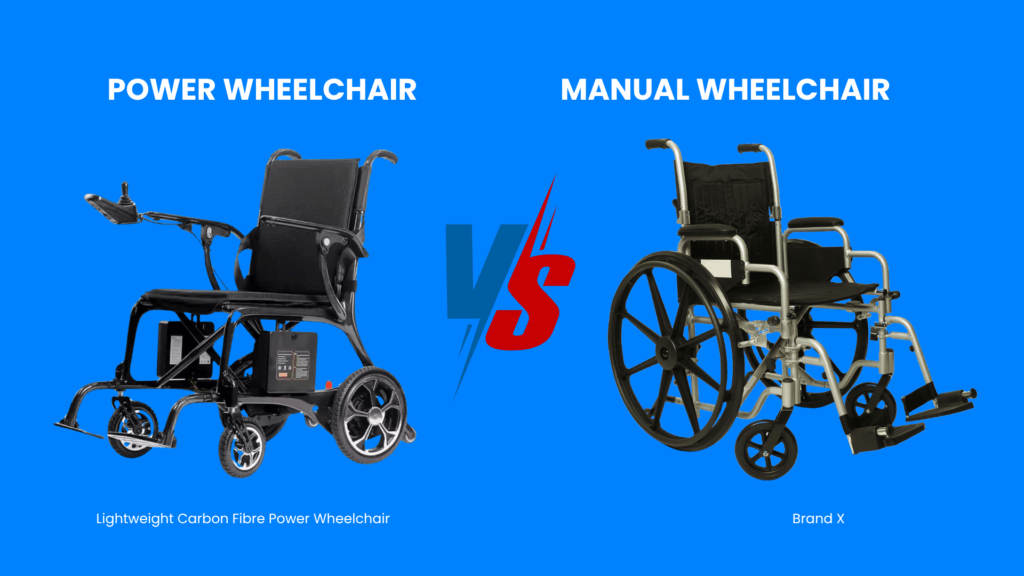
https://www.youtube.com/watch?v=JmVoz0j5Swg If you or someone you know is going to need a wheelchair in Australia, then you would have noticed they are not cheap. The good thing is there would be funding. The downside is that getting the right kind of help can feel all muddled up. So let us keep it simple. This guide has been put forth explaining how Australians can receive funding for wheelchairs, the variations of programs available for financial aid, and access to assistance. Understanding Wheelchair Funding in Australia The worth of mobility aids in independence Wheelchairs can really change lives. They give the mobility of moving, working, socializing, or self-care to people with disabilities. For many Aussies, it’s the difference between being stuck and feeling free. An easy task like shopping or going to work or just mobilizing at home becomes a serious issue without the proper wheelchair. With the correct wheelchair, one can have: Independence Less reliance on support Better quality of life Safety at home and outside Hence the importance of funding: because everybody has to have a chance to get around free, no matter what age, income, or condition. Wheelchairs indeed cost a lot, and are possibly a bigger financial burden. So here is the catch: wheelchairs are expensive. Manual wheelchair prices range from: $500 to $2,000 Electric or power-wheelchair prices run anywhere from: $4,000 to $15,000 plus And that is excluding extras like cushions for support, customized fittings, and home modifications. Those sums of money may sound impossible to family members, pensioners, or anyone receiving a payment from Centrelink. However, this is where funding comes in, and luckily, Australia has a few worthwhile programs to help pay for these costs. Government and private funding options overview Funding generally comes in three forms: Government funding, such as the NDIS or My Aged Care Private health funds, based on extra coverage Charitable and community grants through some non-profit organizations Each carries eligibility criteria, but all are meant to assist towards what you require without sending you bankrupt. Let’s discuss these. Government-Funded Wheelchair Assistance Programs 1. National Disability Insurance Scheme (NDIS) For people under 65 who are permanently disabled, NDIS offers the best option. This is because it covers: Manual wheelchairs Electric/power wheelchairs Custom seating Repairs and servicing In order to access this, you will need an NDIS plan which involves having a planning meeting with a Local Area Coordinator (LAC) about your goals and needs. From there, assistive technology such as a wheelchair can be funded if it helps improve your independence in carrying out everyday tasks. To know the type of wheelchair that you receive, it depends on your situation and usually, your therapist will recommend one that fits better for you. Want a light, sleek option? The CWU Carbon Fibre Power Wheelchair is one of the lightest and slimmest NDIS-approved products and is perfect for active Aussies who need power and portability. 2. My Aged Care – Home Care Packages (HCP) This could involve My Aged Care if you are 65 years or older. Home care packages provide assistance to people, depending on the level of need. Mobility equipment such as the following is included: Wheelchairs, walkers, and bathroom modification aids; daily living aids. The best part about HCP is that it is flexible, which means you can decide how to use your package money as long as it’s for the purpose of health, safety, and independence in home life. You need to get an assessment done from the Aged Care Assessment Team (ACAT). Then, you select a provider and develop a care plan that involves wheelchair assistance. 3. State-Based Mobility Equipment Funding All states in Australia run their own funding programs. They are not as well known as NDIS or My Aged Care, but you should check them out. Here are some notable ones: TAC (Victoria) – Assists people injured in road accidents. Covers rehab and mobility aids. EnableNSW (New South Wales) – Supports people with chronic health conditions or disabilities. MASS (Queensland) – Mobility aids funding available for eligible QLD residents. Some states even have lending pools where you can borrow a wheelchair until your application is successfully processed or until you are ready to use one after undergoing surgery. You can check with your state health department or your GP about the available options in your area. Private Health Insurance & Charitable Support 1. Private Health Insurance Coverage Whether a particular health fund covers any wheelchair or not — some do. For people who have extras coverage, call the fund and ask: Does it cover manual or electric wheelchairs? Is a referral or assessment needed? What is the annual cap or limit? Usually required are: A doctor or physiotherapist referral Invoice from the supplier Proof of medically induced wheelchair requirement Even a partial rebate realises an enormous difference. 2. Charities and Non-Profit Assistance If you do not qualify for government assistance or if the amount insured does not cover the entire cost, forget it; charities are here to help. Here are some of them: Independent Living Centre (ILC) – Offers free advice and assessment Variety – the Children’s Charity – Provides equipment grants to needy kids Local Lions or Rotary Clubs – Frequently assist in meeting the disability needs of their own communities GoFundMe or other crowdfunding kind of websites – can help if existing support programs do not reach far enough It never hurts to reach out to local organizations to explain your situation; most are willing to give support. How to Apply for Wheelchair Funding? 1. Check Your Eligibility Before going ahead with an application, ask: Are you under 65 with a disability? → NDIS application website Are you 65 years or older and need home assistance? → Aged Care Services website application Have been injured due to a car accident or work? → Check with TAC or Workers Comp Have a low income? → Check what your state offer or charity You could also go to a GP, physio or occupational therapist who

Overview of Wheelchair Funding in Australia Read More »

Financial Assistance for Purchasing Bedroom Mobility Aids in Australia

Your health is very important, especially at home. For many Australians, the ideal bedroom does not only equate to comfort; safety, independence, and dignity are given as much importance, especially with seniors and the disabled.To be frank, though, good quality mobility aids aren’t anything but cheap.The good news is you almost need not pay for everything out of your own pocket. A horde of programs and support options around Australia help pay for bedroom mobility aids.So let’s bring it all down into something simple, understandable and actionable. Why Financial Assistance for Mobility Aids Is Important Mobility aids are great! Truly. They are more than just medical equipment. They are tools to make the daily routine safe and comfortable.For really senior-someone living with disability-even a caregiver, it’s hard, if not impossible, to manage without adequate support in the bedroom.But here’s the rub:Mobility aids such as adjustable beds, safety rails, and backrests don’t come at cheap prices. Costs can run into the hundreds or thousands of dollars very easily. That is just not feasible for many Australians who live on fixed incomes or pensions. That is what makes financial assistance significant. These programs enable people: Remain at home longer (rather than going into aged care too early) Prevent injuries such as falls or strain Improve sleep and independence So families do not need to make that choice between safety or affordability. Available Financial Assistance Programs in Australia Let’s look at the actual support programs available across Australia. These aren’t just random handouts—they’re structured, government-backed (or charity-supported) ways to get mobility aids without blowing your budget. 1. National Disability Insurance Scheme (NDIS) The NDIS helps Australians under 65 with permanent disabilities.It funds things such as: Home modifications Assistive technology Bedroom mobility equipment You can access an NDIS-funded item such as the CWU Aged Homecare Hi-Low Bed through your plan if you are a participant. It adjusts to a number of heights, so it’s easier and safer to get in and out of this bed. It is ideal for people who have mobility challenges and is one of the most commonly accessed items under NDIS equipment funding.Want to apply for something similar? You’ll need: A quote from a registered provider (like Assistive Tech Hub) An OT or physiotherapist assessment Approval from your NDIS planner 2. My Aged Care Program My Aged Care is the primary system by which home support is accessed for Australians 65 and over.There are various levels of funding: CHSP (Commonwealth Home Support Program) for basic needs HCP (Home Care Packages) for a more full schedule of ongoing support You can gain access to aids such as the CWU Foldable Steel Side Rails through these packages. These fold down when not in use and can be attached to most beds, thereby preventing falls when someone gets out of bed.My Aged Care funding usually requires: A needs assessment A support plan from your provider Quotes from suppliers Good news-most aged care service providers know this process and are more than happy to help guide you through it. 3. State-Based Mobility Equipment Funding In addition to such national programs, most States and Territories have their own schemes for funding equipment.Examples include: VIC: SWEP (State-Wide Equipment Program) NSW: ENABLE NSW QRST: MASS (Medical Aids Subsidy Scheme) The criteria for eligibility and amounts funded usually vary, but they generally include essential aids for movement in the bedroom, such as CWU Portable Power Backrest with Side Rails. An excellent bed enhancer that helps you sit up with ease without heavy lifting.You typically apply by: Having your need assessed by a health professional Submitting a form with their recommendation Choosing a product from an approved supplier list If you are really not sure which one applies to you, just ask your GP or occupational therapist-they will know which direction to point you in. 4. Health Insurance & Private Health Funds Some private health insurers cover mobility equipment. Contact your provider to check policy coverage. Suggested product: Voice Control Homecare Hi-Low Bed. If you’ve got private health cover, don’t forget to check what it includes. Some policies cover medical aids and equipment, including bedroom-related mobility products.Things you do: Ring up your insurer and ask about bedroom aids Ask whether a prescription or recommendation is required Ask how claims work (and whether they reimburse you directly or pay the supplier) Depending on your policy, you might get reimbursed for the CWU Voice Control Homecare Hi-Low Bed. 5. Charities & Non-Profit Assistance If you don’t qualify for government funding or your insurance won’t cover what you need, don’t despair.There are a lot of charities and non-profits that offer grants or donated equipment. Independent Living Centers (found in most states) St Vincent de Paul Society Local aid groups, both large and small, like Red Cross They just might be able to help you come up with needs like the CWU Waterproof Mattress for Aged Homecare Bed: protects the bed, improves hygiene, comfort gain.It differs from organization to organization, although most likely: Demonstrate the condition of financial hardship Show the proof of medical necessity Waiting for a funding decision (could take a few weeks). How to Apply for Financial Assistance? Those programs are well-known, but how to get real assistance is all for you today. 1. Determine Your Eligibility Check first: Age Disability condition or medical condition Location (rules may differ from one state to another) If in doubt go to those official websites or better yet ask your GP or OT-they are the most likely to have helped someone through this. 2. Gather Required Documentation Most likely you’re going to need: Referral or assessment from a health professional Income or pension proof Formal quote from a registered provider Make sure everything is stamped dated current and clearly states the justification for why any equipment is necessary. 3. Contact the Right Program or Provider Once everything’s ready, reach out to the program directly or via a support coordinator.Or make it easy—go to Assistive Tech Hub.They help: Prepare general funding-friendly quotes Recommend

Financial Assistance for Purchasing Bedroom Mobility Aids in Australia Read More »

Best Bedroom Mobility Aids for Seniors

Getting older doesn’t mean giving up your independence — especially in your own bedroom. That space should feel safe, comfy, and easy to move around in. For many older Aussies, bedroom mobility aids can make a massive difference. They’re not just about support — they’re about dignity, safety, and peace of mind. Let’s take a closer look at the best bedroom mobility aids for seniors, why they’re so important, and how to choose what suits best. Why Bedroom Mobility Aids Are Essential for Seniors Enhancing safety and independence in the bedroom. By helping seniors to have safer and independent lives in their bedrooms, the mobility aids are able to transform the very act of getting in or out of bed into a much easier and safer task. For seniors, it becomes a place for a productive early morning or late afternoon: resting, reading a book, watching television, or recuperating from medical conditions. With the right mobility aids: – Moving in and out of bed becomes easier and more secure. – Seniors can do more for themselves without having to call for help every time. – This increases their confidence and sense of control over their daily routines. Preventing falls and injuries during nighttime movements. The bedroom mobility aid helps to: – Reduce slippage or loss of balance. – Provide support where it’s most needed: at the bedside. – Prop up their movement with stability. It could be as simple as a bed rail standing between a safe night and a hospital visit. Improving comfort and accessibility for seniors with limited mobility. Seniors with arthritis, chronic pain, or recovering from surgery find it very uncomfortable to lie down or sit up. Standard beds are too high or soft or cannot be clinically assisted to get in and out from them. Mobility aids help to: – Turn the bed into any height suitable for the user. – Supports better posture while sitting or reclining. – Reduces pressure on joints and muscles. Top Bedroom Mobility Aids for Seniors 1. Adjustable Home Care Beds These beds can be most reliable for a person who is bed dependent or who has mobility issues, unlike a normal bed, these can be adjusted to height, along with head, and foot sections. Here are the benefits: This helps a carer give assistance without straining Seniors can find their perfect sitting position, a lie flat, as well as feet elevated. Fewer efforts are required to get in or out of bed. Our preferred choice is CWU Aged Homecare Hi-Low Bed – a very simple piece of use designed for comfort and safety. 2. Bed Rails for Safety & Support Bed rails are as fabulous as they sound. It is probably very comforting for a senior to have something or the other to hold for support when moving so that rolling off in sleep occurs less frequently. Advantage: This is well suited for people who really like to roll around when they sleep. Balances while getting up and out of bed. Can be folded away when not needed. Try this: CWU Foldable Steel Side Rails – strong, reliable and easy to install. 3. Reclining and Powered Backrests Reading a book, munching a snack, or just sitting on a bed can all easily become uncomfortable if there is no support. So, it means reclined backrests — powered ones are even better. Why they’re important: Support the back and neck without having to use so many pillows. Adjust position for seniors by just pushing a button – saves effort. Encourages better posture and less strain. See: CWU Portable Power Backrest with Side Rails – comfortable, flexible, supportive. 4. Fully Adjustable Power Beds These are comfort beds at another level. They do everything – from raising your head or legs to shifting into sitting positions. Ideal for: Seniors spending too much time on the bed Those who require transforming positions very often to prevent bedsores Comfort seeks at the touch of a button Recommended model: CWU Portable Power Bed with Side Rails – perfectly balanced in terms of functionality and design. 5. Smart Voice-Controlled Beds Technology incorporation with care. Ideal bed for aged people with arthritis, weak hands, or cognitive disorders. Just one voice command, and the entire bed becomes functional according to their needs. Major advantages: No more struggling with remotes or switches. Increased confidence in the elderly living alone. Full integration can now be achieved using home assistant devices. Look into: CWU Voice Control Homecare Hi-Low Bed – smart, smooth, and aging mindful. 6. Waterproof & Supportive Mattresses Choosing the right mattress becomes important when the senior suffers from incontinence, pressure sores, or sensitive skin. Key features include: Covers which are waterproof for cleaning easily High-density foam or pressure-relief zones for skin protection Easier entry and exit from bed using supportive base Best option: CWU Waterproof Mattress for Aged Homecare Bed – very practical and long-lasting. How to Choose the Right Bedroom Mobility Aids 1. Assessing Individual Needs Every senior is different, and what works for one person may not suit another. Before buying anything, take time to figure out exactly what’s needed. Questions to consider include: Can they get in and out of bed without assistance? Are there issues with balance or navigating safely at night? Do they tend to have chronic pain or arthritis, or would they be undergoing rehabilitation from a surgical event? Knowing the specific challenges helps narrow down the best options. 2. Comparing Features & Benefits Not every mobility aid is made to the same standards. Some are fairly simple, while others come with high-tech options. Look for: Adjustability – does it go into the required positions? Safety features – rails; anti-slip surface. Ease of use – especially for those with compromised strength, coordination and/or limited vision. Also, durability counts. A good mobility aid should last for years and not merely months. 3. Finding Trusted Suppliers Buy from suppliers that appreciate aged care and stock quality, not cheap rubbish. Tip: Providers based in Australia should

Best Bedroom Mobility Aids for Seniors Read More »

Renting a Power Wheelchair After Surgery or Injury

Surgery and injury recovery have a bloody difficult way. Getting from the bed sometimes feels like climbing up a mountainside. But life doesn’t just stop while you heal. Eating, showering, going outside-and living your life demands moving around. This is where rental power wheelchairs make their entry. Power wheelchairs are a good option for traveling when walking is just too painful, dangerous, or impossible. If comfort, freedom, and ease in recovery are what you are looking for, renting one may be just what you need. And the best part? You do not have to shell out thousands purchasing one. So let’s break it all down. Why Rent a Power Wheelchair During Recovery? Temporary mobility challenges after surgery or injury After surgery or an injury, the body will try to ensure that healing takes place. Activities such as walking, standing, or even hopping on crutches may exacerbate the situation. A power wheelchair reduces stress. It gives back some independence without compromising further pain or injury. Now, say you had a knee surgery or had a hip replaced. Whether it be walking or not, walking early will adversely affect your healing, pushing it backward if you’re seated in a power chair; you’re safe, moving, without pushing the limits. Faster recovery and independence with a power wheelchair You heal faster when someone isn’t always bothering you for help. Power wheelchairs are the best things for freedom, especially when you live alone or want to move about your house without a lot of crying for backup every five minutes. Roll on over to the kitchen for a cup of tea. Slide from room to room without hassle. Get some fresh air outside, good for your mind. In your healing phase, you are not stuck waiting for someone else to push you around or bring you things. Alternative to crutches or manual wheelchairs for better comfort Crutches are exhausting; manual wheelchairs require upper body strength. And let’s be honest, when your energy is already dipped — power chairs to the rescue. Offering: Padded seating so that you can maintain better posture. Joystick controls that are easy to use, even with one hand. Less energy required means more energy for healing. A power chair makes sense in recovery, where comfort is key. When Should You Consider Renting a Power Wheelchair? 1. Post-Surgical Recovery Walking can be near impossible for a while after certain surgeries. Think: Hip replacements Knee reconstructions Spinal surgeries Leg operations Everything seems precious after surgeries like these, movements may seem risky or painful. A power wheelchair helps you avoid stressing your injured joints and muscles. Even minor surgeries, like ankle scopes or ligament repairs, can use a rental for a week or two to make life so much easier. 2. Injury Rehabilitation An injury isn’t forever, but it certainly can play chaos with your life for some time. Whether you are dealing with a fracture, ligament injury, or a nagging sprain, mobility becomes a huge problem. Power wheelchairs help mobility because they: Take the weight off the injured area. Allow you to move safely with minimal effort. Prevent further injuries. You are not in bed, or on the couch – you are up, healing, and active (in a safe way). 3. Temporary Disability Needs A car accident, a fall — whatever it is, something causes you short-term disability. You need getting-around help — but only for a little while. In this case, renting would be far better than buying. Why spend a fortune on something you will use for just a few weeks? Power wheelchairs give you the mobility assistance you need without a long-term cost or commitment. Benefits of Renting a Power Wheelchair Instead of Buying 1. Cost-Effective Solution Buying a power chair is expensive. The average low-end power chair can cost thousands of dollars. If you intend to use it for a short time, renting would make more sense. It is cheaper. It’s flexible. You can choose whether to pay per day, per week, or per month. That way, you only pay for the duration of time you really need. 2. Access to Advanced Features Some of those high-end models are not just equipped with fancy features. They are luxuriously comfortable: reclining backrests, soft armrests, tilting functions, and so on. What is good news is that you can rent those top-end models without paying the full ticket price. Consider CWU Fully Automatic Reclining Power Wheelchair wheelchairs at Assistive Tech Hub. Treat yourself like royalty while you recover. 3. Hassle-Free Maintenance The best part? No maintenance worries. When renting: The provider does all repairs and maintenance. If anything breaks, they will usually just exchange it. You won’t have to deal with repairs or waiting for parts. It’s one less thing to think about when you have a lot on your plate. How to Rent a Power Wheelchair? 1. Choosing the Right Model Equipment power wheelchairs differ in many ways. What to consider: Weight capacity: It must safely support the total body weight. Battery life: If traveling very much, you would prefer something that can charge for a longer period. Portability: Some wheelchairs can fold up or come apart easily for car transportation. Check different models available from Assistive Tech Hub Power Wheelchairs to see what will best suit your needs. 2. Finding a Reliable Rental Provider Do not just go on the first one that you see. Make the selection in favor of one that you can trust, for instance, one with good reviews and nice customer service. Rental stock can be viewed on Assistive Tech Hub Wholesale Or call and chat with Assistive Tech Hub directly to discuss your options and receive personal guidance. 3. Understanding Rental Agreements Reading the fine print is a must before signing up. Each provider is a bit different. Important things to query: For how long can I rent it? Is there a bond or deposit? How do I return it early? Make sure you know what happens if you have a change of mind

Renting a Power Wheelchair After Surgery or Injury Read More »

Can You Rent a Power Wheelchair from a Hospital?

Hospitals aren’t set up like mobility shops. Their main job is caring for patients, not renting out gear to the public. If you’re admitted or just leaving, some hospitals might lend you a manual wheelchair for a short while. They usually have: Basic manual wheelchairs for in-hospital use The odd loaner for discharged patients (if you’re lucky) Access to gear through occupational therapy or allied health (depends on the hospital) But here’s the thing — they almost never rent power wheelchairs. That’s because powered chairs need more training, servicing, and fitting. Hospitals just don’t have the setup for that. Rental companies, on the other hand, do. They offer: Lightweight, motorised wheelchairs Models with reclining seats, remote controls, and easy transport options Options for travel, short-term use, or everyday support If you need comfort, convenience or a proper long-term solution, you’re better off with a mobility aid provider. Do Hospitals Rent Out Power Wheelchairs? In most cases, no — not directly. Hospitals might lend you a chair if you’re just out of surgery or being discharged, but it’s almost always manual, not powered. 1. Short-Term vs. Long-Term Rentals Short-term hospital loans usually mean: Manual wheelchairs for a few days Limited supply Only offered to current or recently discharged patients For longer-term needs, hospitals often point you toward external suppliers. That could be a private mobility company, NDIS provider, or government-funded program. They don’t manage long-term rentals themselves — they just refer you to someone who does. 2. Policies & Availability Policies vary across hospitals. Some public ones may have a bit of stock for short-term use. Private ones might not have anything at all. But most won’t rent out power chairs to outpatients or the general public. They’re just not equipped for it. And they definitely won’t customise models or deliver to your house. Alternative Places to Rent a Power Wheelchair Local mobility stores and online rental services. Check options at Assistive Tech Hub Wholesale. Contact Assistive Tech Hub for rental inquiries. If the hospital can’t help — no worries. There are better, easier options out there. Local mobility stores and online rental services You’ll find mobility aid shops in most major cities. These stores rent out a wide range of power wheelchairs. You can try different models and chat with someone who actually knows what they’re talking about. Even better, online rental services let you: Book a wheelchair from your phone or laptop Compare prices and features Arrange delivery and pickup Check options at Assistive Tech Hub Wholesale One of the best Aussie providers is Assistive Tech Hub Wholesale. They’ve got loads of models to choose from — including travel-friendly ones and fully reclining power chairs. You can rent short-term or long-term, and they’ll help you figure out what suits your situation. Contact Assistive Tech Hub for rental inquiries If you’re unsure where to start, just give them a call or send a message. They’ll walk you through: Model choices Pricing and plans Delivery times What paperwork you need They’ll make it easy, even if you’ve never rented before. Benefits of Renting a Power Wheelchair from a Mobility Aid Provider 1. Wider Selection of Models Hospitals use one-size-fits-all chairs — heavy and basic. Providers offer: Fully Automatic Reclining Power Chairs for full support Lightweight folding models for easy travel Carbon fibre options for super light handling You can actually get what fits your needs, not just what’s available. 2. More Flexible Rental Plans You’re not stuck with one time frame. You can rent: For a day A few weeks A few months — even longer if needed It’s more affordable and flexible than hospital gear (if they even offer it). 3. Home Delivery & Pickup Services Most companies deliver directly to your door and collect the chair when you’re done. They’ll even show you how to use it, which is great if it’s your first time. Some lightweight models, like the CWU Carbon Fibre Power Wheelchair, fold up and fit in a car boot. Super convenient. How to Rent a Power Wheelchair? It’s not complicated. Here’s what you’ll usually need to do: Find a provider – like Assistive Tech Hub Choose a chair – depending on how long you need it and where you’ll use it Provide ID – and sometimes a doctor’s letter (not always) Pay a security deposit – refundable when returned in good shape Sign a rental agreement – covers terms and care info Get it delivered – often within 1–2 days Explore Assistive Tech Hub Store for power wheelchair purchases. Renting vs. Buying: Which is the Better Option? Here’s a quick breakdown: Rent if: You’re recovering short-term You’re travelling You want to test a model before buying You’re waiting for NDIS or insurance Buy if: You’ll need it daily, long-term You want to customise your chair You’ve got funding or a budget to invest Still unsure? Assistive Tech Hub can help you figure it out. Conclusion: Finding the Right Power Wheelchair Rental Option So, can you rent a power wheelchair from a hospital? Not really. Hospitals rarely rent them out, and if they do, it’s usually a basic manual one — short-term and with strings attached. For proper choice, better support, and way more comfort, a mobility aid provider is the way to go. If you’re ready to get moving again, reach out to Assistive Tech Hub. They’ll sort you out with the right chair, at the right time, for the right price.

Can You Rent a Power Wheelchair from a Hospital? Read More »

Renting a Power Wheelchair for Events & Temporary Needs

Renting makes a lot of sense when mobility isn’t a permanent issue. For many Aussies, there are specific times when a power wheelchair can make life a whole lot easier. Here’s why people turn to rentals: Short-term need: Maybe your legs or back aren’t what they used to be, or maybe you’re dealing with an injury. You don’t need a wheelchair forever—just for a bit. Events or trips: Weddings, expos, reunions, holidays… all fun, but all demanding. Temporary health issues: Post-surgery? Dealing with fatigue or a chronic flare-up? A rented chair gives you support while you recover. Let’s look at a few more solid reasons why renting beats buying—at least for now. Cost-Effective Alternative Power wheelchairs aren’t cheap. Buying one can set you back a few grand. But if you only need it for a few days or weeks, that cost doesn’t make sense. Renting means you only pay for the time you need—nothing more. It’s budget-friendly and practical. Convenience Over Commitment Owning a wheelchair comes with upkeep. Think: maintenance, storage, battery charging, repairs, and maybe even insurance. Renting takes all that off your plate. You use it, then hand it back. Simple. When is Renting a Power Wheelchair the Best Option? 1. Special Events & Celebrations Big moments deserve full participation. No one wants to sit things out because they can’t move around easily. If you’re hosting or attending events like: Weddings Conferences Community events Family barbies or birthdays …a power wheelchair can make a massive difference. Renting ensures that older guests or those with mobility challenges can join in, comfortably and confidently. 2. Travel & Short-Term Mobility Needs Travelling can be exhausting, even for the fittest people. Long days, crowds, uneven ground—it’s a lot. A lightweight, portable wheelchair like a CWU Carbon Fibre Power Wheelchair can change the whole experience. Perfect for: Theme parks Museums or galleries Zoos or national parks Holiday resorts or cruises Instead of sitting things out, you’re rolling through every moment. 3. Recovery from Injury or Surgery Healing takes time, but life doesn’t always stop. If you’ve had surgery on your leg, hip, or back—or you’re recovering from an injury—mobility might be tricky for a while. Rather than hopping on crutches or struggling, renting a chair offers safe, steady support. Plus, once you’re better, you don’t have to store a bulky chair in the garage. Benefits of Renting a Power Wheelchair Still weighing it up? Here’s what you get when you choose to rent. Affordable: Way cheaper than buying. Flexible rental periods: Rent it for a weekend, a week, or even a month. Try before you buy: If you’re thinking about buying one later, rentals let you test different models. Well-maintained: Reputable providers keep their chairs in top condition. No upkeep: Repairs, battery care, or maintenance? That’s their job, not yours. It’s a no-stress, high-value solution. Where to Rent a Power Wheelchair? Local mobility aid providers and online rental services. Explore Assistive Tech Hub Wholesale for rental options. Contact Assistive Tech Hub for inquiries. Local Providers You can always start by checking with your local mobility aid store or nearby pharmacy. Many have short-term rental programs and a few basic options on hand. It’s also worth asking your GP, physio, or occupational therapist for recommendations—they often know which providers are reliable and easy to deal with. Online Rental Services (From Us at Assistive Tech Hub) At Assistive Tech Hub, we make renting a power wheelchair easy. Whether it’s for a weekend event, travel, or recovery, we offer: Flexible rental plans (daily, weekly, monthly) Australia-wide delivery A wide range of power wheelchairs Not sure which one’s right for you? Our team’s here to help. Get in touch with us at Assistive Tech Hub—we’ll get you sorted fast, with no fuss. What to Consider Before Renting a Power Wheelchair 1. Type of Power Wheelchair Needed Do you need a basic model for short trips? Or something with more support? Options include: Standard chairs – basic, reliable, easy to use. Fully reclining models – like the CWU Fully Automatic Reclining Power Wheelchair, great for longer days or extra comfort. Match the chair to the user’s needs. 2. Rental Duration & Costs How long will you need it? Most places offer: Daily rates Weekly rentals Monthly plans (often cheaper per day) If you’re not sure how long you’ll need it, ask about extensions or flexible terms. 3. Delivery, Pickup, & Return Policies Some providers offer: Home delivery Pick-up services In-store pickup (if you’re nearby) Always confirm the return process and whether delivery is free or extra. 4. Insurance & Liability Coverage Before you sign, ask: What happens if the chair is damaged? Is insurance included? Do you need to pay a deposit? Clear answers upfront can prevent costly surprises later. How to Rent a Power Wheelchair? Ready to roll? Here’s how it works. Choose your model – standard or specialised Select rental period – short or long-term Check availability – especially during peak times Provide ID and deposit – most rentals require this Confirm delivery or pickup – schedule drop-off to your home or event location If you’re in Australia, Assistive Tech Hub is a reliable place to start. Their team helps you through the process and can even advise on which model fits your needs best. Renting vs. Buying: Which is Right for You? When renting makes financial and practical sense. How frequent users may benefit from purchasing instead. Browse Assistive Tech Hub Store for purchase options. Let’s keep it simple. Renting makes sense when: You only need it for a short time You’re travelling or hosting an event You want to test different models You don’t want to deal with repairs or storage Buying is better when: You need a chair daily or long-term You have NDIS or funding support You want full ownership and custom features Not sure yet? Browse the Assistive Tech Hub Store for purchase options. You might be surprised by what’s available. Conclusion: Making the Right Choice for Your Mobility Needs

Renting a Power Wheelchair for Events & Temporary Needs Read More »

Financing Options for Buying a Power Wheelchair in Australia

How to Finance a Power Wheelchair in Australia Getting a power wheelchair can be a game-changer. But for many Aussies, the price tag can feel overwhelming. Power wheelchairs can cost anywhere from a few grand to well over $15,000, depending on the model and features. That’s where financing comes in. Instead of paying upfront, you’ve got options to spread the cost over time — or even get help from the government or community programs. Whether you’re living with a disability, an older adult, or a carer looking for solutions, knowing your financing options can make a huge difference. Let’s break it all down in simple terms. Why Financing a Power Wheelchair is Important A good power wheelchair offers freedom, independence, and better quality of life. But the reality? They’re not cheap. Here’s why financing matters: Most people can’t pay $10,000+ upfront Waiting months to save up isn’t ideal when mobility is a daily need Flexible finance options mean faster access to support Some of the most advanced models — like reclining chairs or lightweight carbon fibre options — offer serious comfort and support. But they’re an investment. The good news? Australia offers several ways to help fund or finance a power wheelchair. From government support to private payment plans, there’s a solution for nearly every situation. 1. National Disability Insurance Scheme (NDIS) If you’re living with a disability, the NDIS could be your best bet. NDIS is a national program that provides funding for supports and services — including power wheelchairs. It’s tailored to your personal needs. Who’s eligible? Australian residents under 65 Living with a permanent and significant disability Steps to apply: Get assessed to see if you qualify Work with your planner or Local Area Coordinator (LAC) Include the power wheelchair in your NDIS plan Choose a registered provider like Assistive Tech Hub for NDIS-approved models You’ll likely need a report from an occupational therapist explaining why a power wheelchair is necessary and which model suits your needs. Explore Assistive Tech Hub Power Wheelchairs for NDIS-approved models. Why NDIS helps: It can fully cover the cost or offer partial support, depending on your plan. 2. My Aged Care & Home Care Packages (HCP) If you’re over 65, My Aged Care is your go-to for government support. Home Care Packages (HCP) are designed to help older Australians stay independent and safe at home — and that includes mobility equipment. How it works: Start with an ACAT assessment (Aged Care Assessment Team) Based on your care needs, you’ll be placed in one of four funding levels Use part of your package to pay for a power wheelchair Not all providers supply mobility aids, so it’s worth working with one that does. That’s where Assistive Tech Hub comes in handy — they understand the funding process and have models suitable for older adults. 3. State & Territory-Based Mobility Aid Grants In addition to federal programs, each state and territory offers its own grants and funding options. Examples include: EnableNSW in New South Wales SWEP in Victoria (Statewide Equipment Program) Medical Aids Subsidy Scheme (MASS) in Queensland Tips for navigating local programs: Ask your GP or occupational therapist Contact your local community health service Search your state’s official health website for mobility funding Each program has its own rules and paperwork. Some cover equipment directly, others require you to pay upfront and get reimbursed. Private Health Insurance & Payment Plans 1. Does Private Health Insurance Cover Power Wheelchairs? It can — but not always. Some private health insurance plans include extras cover that helps with mobility aids. Others may not cover power wheelchairs at all. Here’s what you should do: Review your current policy documents Look for “durable medical equipment” or “mobility aids” Call your insurer to confirm coverage and how to claim Keep in mind: There may be annual limits You might need a referral or recommendation from a healthcare provider It’s worth checking before buying — a few hundred dollars back is still a win. 2. Buy Now, Pay Later & Installment Plans Not eligible for government help or don’t want to wait? Retailers like Assistive Tech Hub Store offer finance-friendly options that let you take your wheelchair home now and pay it off over time. Benefits: Interest-free options with providers like Afterpay, ZipPay, or Humm Quick application process No need for complex paperwork Just make sure you understand: Payment terms Late fee penalties Whether you need to pay a deposit Retailers that specialise in assistive tech usually understand how to guide you through the process. 3. Personal Loans for Mobility Equipment Banks and lenders offer personal loans that can be used to buy medical equipment, including power wheelchairs. Why consider a loan: You can shop anywhere, not just finance-approved retailers Fixed repayment terms and interest rates Useful when other options aren’t available What to watch out for: Higher interest rates if your credit isn’t great Comparison rates that show true cost over time Early repayment fees Charities & Non-Profit Assistance Programs If government and private finance options aren’t a match, community groups and charities can help. Many offer: Equipment grants Donated or refurbished power wheelchairs Short-term financial assistance Here are a few worth checking out: St Vincent de Paul Society Better Life Mobility Foundation TAD Australia (Technology for Ageing and Disability) The Salvation Army Applying usually involves: Filling out a form Explaining your situation Providing documents like income statements or healthcare cards It might take time, but if you’re on a low income or in urgent need, it can make all the difference. Choosing the Right Power Wheelchair for Your Budget 1. Entry-Level vs. Premium Power Wheelchairs Power wheelchairs come in all shapes and sizes. Choosing one depends on your needs and your budget. Entry-level models: Basic features Suitable for short trips or indoor use Lower weight limits Premium models: Advanced comfort (reclining, tilt, suspension) Higher battery range Customisable controls and frames Great options to consider: Carbon Fibre Power Wheelchair – super lightweight, easy to fold Fully Automatic

Financing Options for Buying a Power Wheelchair in Australia Read More »

Best Rental Power Wheelchairs for Travel

Choosing the Best Rental Power Wheelchair for Travel Why Rent a Power Wheelchair for Travel? Convenience and accessibility for vacations, business trips, and day tours. A rental chair gives you more freedom and flexibility. Going for a cruise? Hire one and sail away through the ship. Day trip in a new city? No worries-you’ll get around smoothly. Work trip? Arrive fully prepared to move, minus the chaos. There aren’t even concerns about wear and tear on your own wheelchair. Rentals come pre-setup, straight-to-go, and even without the hassle of tangling with transport damage or airline-handling issues. Avoid the hassle of transporting personal wheelchairs. Airports are rough places. Your chair might be scratched, or worse, it can get broken. So with a rental, you’re not really risking your own gear. Just pick it up at your destination and drop it off whenever you are done. Some even deliver to your hotel or airport terminal. Save your strength for the good times. Short-term rental options for temporary mobility needs. Perhaps you’re making a recovery from an injury. Perhaps a family member will need some extra help on a trip. Renting a chair for several days or a couple of weeks is perfect when the need is temporary. You only pay for what you use no need to waste a whole chair for short-term problem. Key Features to Look for in a Travel-Friendly Power Wheelchair 1. Lightweight & Portable Design Let’s face it – No one wants to carry a 30 kg chair into the car. Chairs that are light and easy to carry should be power folding. Carbon fiber power wheelchair is among the best – light yet strong. Some can fold in a matter of seconds, so they can be packed into a taxi, bus, or airplane without delay. Bonus: If taking a road trip, add to the consideration that it will fit in the back of your car alongside luggage. 2. Long Battery Life & Quick Charging Picture this: Flat battery in the middle of touring. It is a nightmare! Good chairs stay powered for the day. Look for: Lithium batteries – they charge fast and can hold a charge longer. One full day range – around 15-25km is good for any travelers. Will the rental company give a spare charger or offer an extra battery? Ask, and you won’t be caught flat-footed. 3. Comfortable & Adjustable Seating Our long travels can wear us down. A poorly built chair bears its brunt in no time. Look out for: Soft, cushioned seating A backrest that reclines for long-distance flights or tours The capability for the leg rests to be adjusted A top pick is the Fully Automatic Reclining Power Wheelchair, which is made for all the comfort and relief you need, especially in hard times. It is all you need for any journey or ride at your disposal. 4. Airline & Transport Compatibility Not all chairs are created equal when it comes to flying or public transport. Before booking: Check if the battery is airline-approved (lithium batteries usually are — under a certain size). Ask if the chair is OK for cruise ships, buses or trains. A travel-friendly power wheelchair should tick all the boxes, so you don’t get stopped at check-in. Best Rental Power Wheelchair Models for Travel 1. Ultra-Lightweight Folding Power Wheelchairs This is the best for travelling; why is that? Fold up in seconds Fit into a plane’s over-head bin, or the boot of a car Super simple to maneuver It’s for a single person, or someone who is always on the move. Under 20 kg, lightweight models are short time flight solutions, day trip solutions, or for weekend stints. 2. Heavy-Duty Travel Power Wheelchairs Tougher and bulkier, these are for the outdoor-hardy. For: Nature Walks Places to areas with poor ground Much much terrain adventure …then it’s worth renting a heavy duty one. They have strong wheels , more powers , and much better suspensions. Despite all the bumps, it just keeps on going. Some of them even have a provision of covering 30 km in a single charge. Pretty amazing, isn’t it? 3. Reclining Power Wheelchairs for Comfort This type is all about comfort; especially for long-haul flights or bus rides. The question: What brand would you go for? You could recline and chill most anywhere Very useful for catching a nap without being interrupted, or for a relaxing time in the long wait. Recommended for elderly travelers or people who need additional support. Fully Automatic Reclining Power Wheelchair provides both comfort and function-all at the same time. Where to Rent a Travel Power Wheelchair? 1. Online Rental & Mobility Stores The easy way is booking online. Fast checkout. Delivery at hotels/airports/cruise ports. Easy returns. Assistive Tech Hub is an awesome website, with flexible plans, really great support, and reliable equipment. Perfect if you want everything sorted before you even leave home. 2. Local Medical Equipment Suppliers You want to check it out in person? By all means, go to a local medical supply store. You can: Try it out before renting, Get help getting it adjusted, Ask questions face-to-face. A few local stores partner with hospitals or hotels, so ask your accommodation if they provide any suggestions. Need several chairs for a group? Take a look at Assistive Tech Hub Wholesale for bulk renting assistance. 3. Contact a Trusted Supplier Get expert recommendations for the best travel wheelchair. Reach out via Assistive Tech Hub Contact. Not sure which model applies to your trip? Ask an expert. A great supplier will: Ask about the details of your trip Advise about the seating that works Give you some travel advice Give them a call at Assistive Tech Hub, whatever you need and wherever you go, they will point you in the right direction. Travel Tips for Using a Rental Power Wheelchair Here’s how to make the most of your travel experience: Book early – especially around holidays or busy seasons. Double-check battery rules – especially for

Best Rental Power Wheelchairs for Travel Read More »

Try Before You Buy: Rental-to-Own Power Wheelchairs

Why Rental-to-Own Power Wheelchairs Are a Smart Choice Getting a power wheelchair is not really an easy decision to make. It is no longer just getting from point A to point B, but actually living your life just as you want it. But here’s the problem: power wheelchairs are costly, and choosing the wrong one can be frustrating, uncomfortable, and a waste of money. That’s where rental-to-own programs come in. Here, you will test-drive the wheelchair before making a long-term commitment; you will be paying a monthly charge while taking it for a spin, and if it suits your needs well, you may actually call those payments “buying” it. If it doesn’t suit you, you will just stop or switch. It’s smarter, safer, especially for those who shy away from gearing up for a major life decision. What Is a Rental-to-Own Power Wheelchair Program? Think of it like test driving a car before actually buying it, except that it is so much more flexible. You rent a power wheelchair for a fixed amount per month. Over time, you accumulate those payments to use for owning the wheelchair. And here’s how it works: Find the right wheelchair to fit your needs. Make the monthly rental payments. Use the chair as if it is your own. Decide if you want to purchase, exchange, or discontinue using it. No need to commit from day one. You actually experience using the chair in real life before committing. Perfect for: Older adults who want to try out different styles before making a decision. People who are recovering after surgery or an injury. NDIS participants who have changing needs. Anyone living with a tight budget or in a temporary home. Someone traveling who doesn’t want to haul around a giant chair they may not even like. Rental-to-own time, option, and flexibility for all those. Advantages of Renting Before Buying 1. Test Comfort & Performance Everyone’s body is different, and so is every chair. Renting gives you time to figure out what actually works for you-not just in the store but in your everyday life. You can: Check how it is after a few hours of use. Test it for movement on footpath, carpet, or rough wilderness. Test it for use in public: on a bus, in shops, and even at the beach. And the best thing? If one model doesn’t suit-try another! There is no long-term risk! 2. Cost-Effective & Flexible Power wheelchairs are not cheap. A good one can cost thousands. That’s a lot to spend upfront. With rental-to-own: Pay smaller, manageable amounts each month. Do not need to take out loans or use credit cards. Return or swap the chair if your needs change. Perfect for short-term injuries or anyone with conditions still in flux. From day one, you’re not saddled with a long-term financial burden. 3. Access to Latest Models Technology moves pretty fast even in the mobility world. Rental programs will usually grant you access to the latest models, which may provide: Fully automatic reclining systems Joystick control Bluetooth features Lightweight carbon-fiber frame You can try top-end features without paying the full price right away. And should something better come along in a matter of months? Easy, upgrade. Key Features to Look for in a Rental-to-Own Power Wheelchair 1. Battery Life & Performance Battery life can contribute or can take away your enjoyment of the day. You’d want a chair that: At least I can go 10-15km on a full charge. Don’t run out of juice halfway through your errands. Charges nicely and easily overnight. If you find yourself always on the run, then look for a model that comes with dual battery packs or extended range. Always consider its power performance while trying to climb inclines or when traversing rough terrains. Some cost-effective options slow down or stall under such conditions. 2. Portability & Weight Not every chair is designed to be travel-friendly. If you intend to carry it in a car or make use of public transit, then portability shall come into play. Look for: Foldable frames Quick-release batteries Lightweight materials like carbon fibre Folding models fit nicely into car boots and are easy to shepherd around by carers. They are the perfect companion for those short school runs, trips to the shops, or short small holidays. A compact frame will help make things easy. Especially if storage is an issue at home. 3. Comfort & Adjustability You will be sitting in this chair a lot-comfort is very important. Key features to check: Adjustable footrests and armrests Soft cushion that won’t go flat over time Reclining back support will alleviate pressure. The Fully Automatic Reclining Power Wheelchair is a great example. It lets you reposition with the push of a button. That means less back pain and more freedom to sit however you want. A good fit will prevent joint injuries and fatigue-especially if you depend on your chair throughout the day. 4. Durability & Load Capacity Power wheelchairs need to be strong. They should be able to withstand normal use, bumpy roads, and all weather conditions. When comparing wheelchairs, here are some of the things to consider: Max weight capacity Strength of frame Quality of wheels and suspension The Carbon Fibre Power Wheelchair is on top of the list. It is strong yet very light, ideally suited for indoor and outdoor use. Furthermore, carbon fibre does not rust, which is perfect for the Aussie weather. Where to Find Rental-to-Own Power Wheelchairs? 1. Online Mobility Equipment Stores The easiest option. Browse online, pick a model and the Mobility Equipment will be delivered to the customer home. Many sites offer: Fast shipping across the country of Australia Video guides and support Flexible rental plan options Assistive Tech Hub is a reputable name that offers a wide range of rental-to-own chairs. 2. Local Medical Equipment Providers Prefer to see before renting? Local stores provide: In-store fittings Product demonstrations Support from mobility experts Also, walking into local stores might just fetch you

Try Before You Buy: Rental-to-Own Power Wheelchairs Read More »

Where to Buy a Power Wheelchair?

The Best Places to Buy a Power Wheelchair Power wheelchairs redefined mobility for people who require assistance moving. They empower independent movement, whether at home, work, or outside. But while many wonder about purchasing one, they always ask the same: Where do I start? You may have asked yourself, “Where can I find a power wheelchair that suits me, my lifestyle, and my budget?” Well, that’s what this guide is all about. We’ll address several important considerations as you go through this guide: from types to where you could get it. If you are thinking of buying for yourself, for a loved one, or someone you care for, you’ll be better prepared by the end of this blog. Why Invest in a Power Wheelchair? Simply buying a power wheelchair is not about getting from A to B. It involves independence, having a comfort zone, and enjoying peace of mind. Let’s see how owning a power wheelchair is usually a better option than renting one. More freedom. You don’t need anyone to push you or help you move around. Long term savings. Rent can cost a lot quite soon. If you will likely need a wheelchair for a long time, then it is wiser to purchase it. Built for your comfort. Many chairs can be personalised according to your height, weight, and seating requirements. A good power wheelchair becomes part of your daily life. It is like choosing a car, wanting it to be reliable, comfortable, and safe. Most importantly, you are likely to use it every day, and in that case, you should spend on something that is rightly fitted. Key Factors to Consider Before Buying 1. Types of Power Wheelchairs There are types of power wheelchairs. Some have been built for outdoor activity with slim indoors flexibility. The main types include: Standard power wheelchair: This is the most. Standard power wheelchairs were built to serve outside purposes just as readily indoors. Lightweight, travel-type models: They are good for folding and lifting. It will be useful when travelling ideally if you need to put it in a car or an aircraft. Reclining or tilt-in-space wheelchairs: For those people whose postures need to shift regularly, they give extra support and comfort. Also, consider: Will it be mainly indoors or outdoors? Should it go through narrow hallways or doors? Do you need it to turn tightly in small spaces? 2. Features to Look For Choosing the right chair is more than looking at its appearance. The features are really important. Battery life and charge time: Look for a model whose battery stays alive longer than your type of activity. Some have a 15km range, others up to 30 km or more. Weight capacity: Ensure that the chair can safely carry your weight. Most models can carry weights varying between 100-150 kg. Traveling laws: If you travel often, look for foldable or demountable models. Adjustable seats and backrests: It’s very important to be comfortable. Reclining options could save long-standing pains. Check for ease of control, as joystick position, speed setting, and stability all contribute to comfort and safety. 3. Cost & Financing Options Indeed, buying a power wheelchair involves a pocket pinch. Still, you can create ways to make it pocket-friendly to purchase. Prices range from $2,000, though, to well above $10,000. Depending on features, brand, and build, this is. NDIS: If you qualify, then NDIS could cover part or full cost. National Disability Insurance Scheme. There are stores that provide payment plans for monthly payment options. Very useful, especially for people with a tight budget. Price comparisons can also be made from quite a number of sellers. Online stores usually run sales or have clearance items that meet those same quality standards for a lower cost. Where to Buy a Power Wheelchair? 1. Online Stores Shopping over the Internet is the quickest and easiest and, most of the time, even cheaper. Online shopping gives you huge options in models. Most stores ship free and accept easy returns. You can check reviews and compare specifications before choosing one. Assistive Tech Hub is a good example, lots of quality options and they’re all over Australia with deliveries. 2. Medical Equipment Retailers In-person assistance and demo options. Visit Assistive Tech Hub Wholesale for bulk purchases. Shopping in a store is the way to go if you want to test the chair before buying it. You can try the chair, feel the controls, and ask for advice from the staff. Some places will give you a trial period or a demo. If you’re purchasing for an institution or an aged care home, see Assistive Tech Hub Wholesale for bulk buys. It’s much easier to talk about adjustments, add-ons, and maintenance when you’re directly talking with someone. 3. Direct from Manufacturers While buying directly from the actual manufacturer has its benefits. Generally, you’ll often get the latest models with custom add-ons. Some manufacturers also offer deals or extended warranties exclusive to direct buyers. In some instances, these deals help you save cash by bypassing retail stores. However, you should always price-check—as sometimes, resellers have the better offer than the manufacturer. 4. Second-Hand & Refurbished Power Wheelchairs Looking to save a bit of cash? Go for a second-hand chair. This might provide a lower range of prices for some high-end chairs. Some refurbished ones are cleaned, tested, and backed with a warranty. Do your homework, though: Examine the chair for damage and general wear or tear. Inquire into battery age and if parts will be hard to source. Buy from trusted sources that will assist with service or repair. Top Power Wheelchair Models to Consider 1. Fully Automatic Reclining Power Wheelchair If you require sturdy support during the days, this is it. Reclines at the touch of a button. Good posture, comfort, and circulation. Ideal for people who spend several hours a day in their chairs. [View details here] 2. Carbon Fibre Power Wheelchair Need something lightweight and strong? This is your model to travel with. So

Where to Buy a Power Wheelchair? Read More »

Compare Products

Scroll to Top