Assistive Tech Hub

A Complete Guide to Using a Hi-Lo Bed for Elderly Care

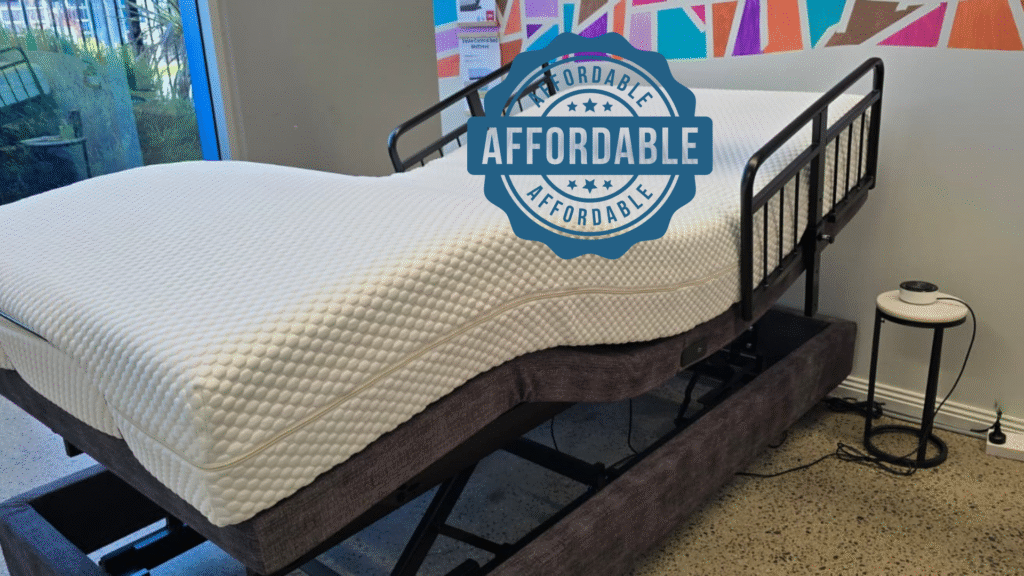
Why Hi-Lo Beds Are Essential in Elderly Care Caring for an elderly loved one involves balancing comfort, safety, and support — and the right bed can make all the difference. A Hi-Lo Bed for elderly care is more than just an adjustable hospital bed; it’s a vital piece of equipment that promotes mobility, prevents falls, and makes daily caregiving easier. Whether you’re a family carer, a health professional, or managing an aged care facility, investing in a Hi-Lo Bed can greatly improve both the user’s quality of life and the caregiver’s efficiency. At Assistive Tech Hub, we offer a range of adjustable hospital beds for elderly care designed to meet diverse needs — from simple home setups to advanced hospital-grade models. What Is a Hi-Lo Bed? A Hi-Lo Bed is a type of adjustable bed that allows you to raise or lower the mattress height, as well as adjust the head and leg sections. These electric beds are designed for aged care and disability support, offering both safety and comfort for users who spend extended time in bed. Unlike standard home beds, Hi-Lo Beds can be lowered close to the floor to reduce fall risk, or raised higher to assist with transfers and caregiving tasks. If you’re unsure whether a Hi-Lo Bed suits your setup, feel free to contact our team for personalised recommendations. Benefits of Hi-Lo Beds for Seniors Safety and Fall Prevention One of the greatest advantages of a Hi-Lo Bed is fall prevention. Seniors often have limited mobility or balance, making it risky to get in and out of bed. The adjustable height function allows the bed to lower near floor level, reducing injury risk in case of a fall. Some models even come with built-in side rails or low-profile designs to ensure maximum safety, ideal for both home and facility settings. Comfort and Pressure Relief Hi-Lo Beds support better posture and relieve pressure points — especially important for seniors prone to pressure soresor back pain. The adjustable backrest helps users sit up comfortably while eating, reading, or watching TV. Paired with a pressure-relief mattress, this setup provides continuous comfort and reduces the need for frequent repositioning. You can browse our pressure care mattress collection for compatible options that work perfectly with Hi-Lo Beds. Easier Caregiving and Transfers For carers, Hi-Lo Beds make daily tasks safer and less physically demanding. The height adjustment allows you to work at a comfortable level when assisting with personal care, wound dressing, or transfers. When combined with mobility aids such as hoists or overbed tables, Hi-Lo Beds can turn a simple bedroom into a functional care space. Key Features to Look for in a Hi-Lo Bed Adjustable Height and Backrest Choose a bed with smooth, electric height adjustment and multi-angle backrest control. This ensures comfort for the user and proper ergonomics for caregivers. Some advanced models even include a trendelenburg function (tilt feature) for added circulation benefits. Side Rails and Safety Options Safety should always be a top priority. Look for beds with removable or fold-down side rails for flexibility, as well as lockable wheels for stability during transfers. Our hospital-style beds for seniors include built-in safety rails and easy-to-operate controls that meet aged care standards in Australia. Compatibility with Mobility Aids Make sure your Hi-Lo Bed can accommodate other assistive devices such as bed poles, lifters, or overbed tables. This ensures a smooth care routine and maximises space efficiency in the room. If you’re setting up a full home care environment, we recommend exploring our aged care equipment range for compatible accessories. How to Choose the Right Hi-Lo Bed for Your Needs When selecting a Hi-Lo Bed, consider: The user’s mobility level – Does the person need help getting in and out of bed? Space availability – Ensure the bed fits comfortably in your room. Care environment – Is it for home or facility use? Budget and funding options – Check if the cost can be covered by NDIS or aged care funding. You can always contact Assistive Tech Hub for assistance in comparing models and identifying the best fit for your specific situation. Setting Up and Using a Hi-Lo Bed Safely Proper setup ensures both comfort and safety. Here are a few quick tips: Keep the power cord away from walkways to prevent tripping. Ensure all wheels are locked before use. Regularly check the bed’s remote and motors for smooth operation. Lower the bed to its minimum height when the user is sleeping. Clean and maintain the bed as per the manufacturer’s guidelines. Our support team offers guidance for delivery, installation, and setup of Hi-Lo Beds purchased from the Assistive Tech Hub Store. NDIS and Aged Care Funding Options in Australia If you’re an NDIS participant, Hi-Lo Beds can often be funded under Assistive Technology (AT) – Capital Supports. For older adults, My Aged Care or other home care packages may help cover part or all of the cost. Before purchasing, check with your OT or support coordinator to confirm eligibility. Our team at Assistive Tech Hub can assist with quotes, documentation, and support to help you access funding smoothly. Where to Buy or Rent Hi-Lo Beds in Australia When looking for reliable equipment, always choose a provider that offers quality assurance, after-sales support, and professional advice. At Assistive Tech Hub, we make this process simple. You can: Explore our full range of Hi-Lo and adjustable beds online. Visit our disability-friendly showroom for demonstrations. Book a free in-home trial or consultation through our Contact Us page. Conclusion: Enhancing Elderly Care with the Right Bed A Hi-Lo Bed is more than a comfort upgrade — it’s a safety and independence solution for both seniors and caregivers. By choosing the right model and setup, you can create a safer, more comfortable care environment at home or in a facility. At Assistive Tech Hub, we’re committed to helping you find the best equipment for your needs, supported by expert advice, easy trials, and reliable service. 🛏 Discover adjustable bed options in

A Complete Guide to Using a Hi-Lo Bed for Elderly Care Read More »

A Step-by-Step Checklist Before Buying Any Assistive Technology

Why Planning Matters for Assistive Tech Purchases Buying assistive technology (AT) isn’t just about picking a product that looks right — it’s about finding the right fit for your lifestyle, needs, and goals. Whether you’re an NDIS participant, a carer, or a health professional supporting a client, a well-planned purchase ensures safety, comfort, and value for money. Many people rush into buying assistive devices without proper assessment, only to find out later that it’s uncomfortable, hard to use, or not covered by funding. That’s why having a step-by-step checklist can help you make the most informed and confident decision possible. If you’re just starting your journey, explore our Assistive Tech Hub Store to get a sense of what types of devices are available — from mobility aids to home care essentials. Step 1: Identify Your Needs and Daily Challenges Start by asking: What do I really need help with? Understanding your daily struggles helps narrow down the type of assistive technology suitable for you — whether it’s mobility aids, bathroom safety equipment, or smart home solutions. Tip: Keep a short daily log of your routines and challenges. This helps you and your support team identify where an assistive device can make the biggest difference. You can also check our NDIS assistive technology guide for more ideas on matching devices with specific needs. Step 2: Consult Professionals (OTs, Physiotherapists, Carers) Before making any purchase, seek advice from a qualified professional. Occupational Therapists (OTs), Physiotherapists, and Support Coordinators can assess your condition, recommend suitable products, and ensure you meet NDIS or aged care funding requirements. These professionals can also guide you through: Correct sizing and setup Compatibility with your living environment Proper use and maintenance of the device You can also reach out to our team through the Contact Us page for recommendations or to book a consultation before purchasing any device. Step 3: Explore NDIS and Aged Care Funding Options Did you know that you may not need to pay for your assistive technology out of pocket? If you’re an NDIS participant, funding for assistive tech may be included under Capital Supports. For older adults, My Aged Care or other community programs may provide funding for eligible equipment. Before buying, confirm: If your item is covered under your plan Whether you need quotes or assessments Approved suppliers under your funding body At Assistive Tech Hub, we can help you navigate your funding options and provide formal quotes for your NDIS assistive tech purchases. Step 4: Compare Products and Features Carefully Not all assistive devices are created equal. When comparing options, consider: Weight and portability: Choose lightweight but sturdy designs. Adjustability: Can it be customized to your comfort or body size? Material and durability: Is it built for long-term use? Ease of maintenance: Can it be cleaned or serviced easily? Browse our mobility aids collection or daily living aids to see comparisons and descriptions that highlight these important features. Step 5: Request a Home Trial or Demonstration Whenever possible, try before you buy. A home trial or in-store demo allows you to test the equipment in your own environment — making sure it fits your space and meets your expectations. Assistive Tech Hub offers free in-home trials and a disability-friendly showroom, where clients can experience different mobility aids firsthand. This ensures that what you choose truly meets your comfort and accessibility requirements. Step 6: Check Warranty, Returns, and Servicing Policies Before finalizing your purchase, double-check the warranty period, return policy, and availability of replacement parts or servicing. Ask these questions: How long does the warranty last? Who should I contact if the device breaks down? Are spare parts or repair services available locally? At Assistive Tech Hub, all our products are backed by clear warranty and after-sales support, which you can learn more about by visiting our service support page. Step 7: Ask About Training and Ongoing Support Even the most advanced device can feel intimidating at first. Make sure you or your carer receive proper training on how to use, adjust, and maintain it safely. Some suppliers also offer after-sales support — including troubleshooting and re-adjustments — so don’t hesitate to ask about it. We provide ongoing assistance and training support after every purchase. Simply reach out via our Contact Us form if you need help understanding or operating your new device. Step 8: Confirm Delivery and Installation Requirements Large or powered equipment — such as hoists, lift chairs, or electric wheelchairs — may require professional delivery and setup. Before purchase, check: Delivery timeframes and installation fees Whether your home needs modifications (e.g., ramps, wider doors) If professional setup is included Assistive Tech Hub provides doorstep delivery and installation assistance for selected products. You can learn more about this by browsing our delivery information page or contacting our support team. Step 9: Review Feedback from Other Users Real-world experiences matter. Reading user reviews or asking others in your community can help you understand how the device performs day-to-day. Look for feedback on: Comfort and ease of use Durability Customer service from the supplier You can read authentic customer feedback directly on our product pages to see how our equipment performs in real homes and care settings. Step 10: Make an Informed Decision with Confidence Once you’ve gone through all these steps — assessed your needs, sought expert advice, compared options, and understood policies — you’re ready to make a confident, informed choice. The right assistive technology can transform daily life by improving independence, comfort, and safety. Take your time, follow this checklist, and choose a product that truly supports your goals. Conclusion: A Smarter Way to Buy Assistive Technology Planning your purchase doesn’t just save money — it ensures your device enhances your quality of life for the long run. At Assistive Tech Hub, we don’t just sell products; we guide you through every step of the process. From professional advice and free in-home trials to reliable after-sales support, our goal is to help you make the right choice with

A Step-by-Step Checklist Before Buying Any Assistive Technology Read More »

Gait Trainers for Kids: Right Fit or Just Another High-Cost Recommendation?

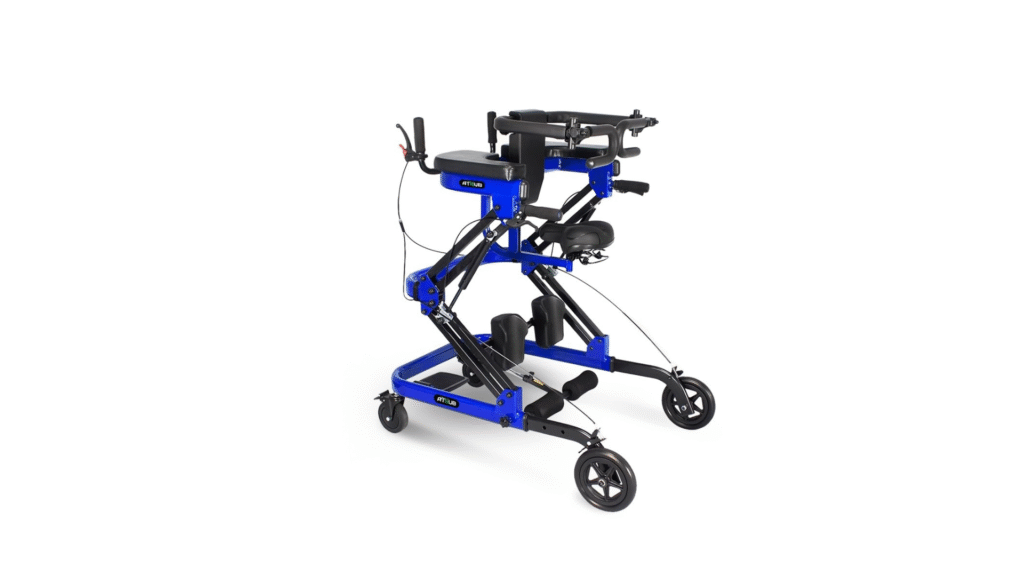
When it comes to supporting a child’s mobility journey, many parents are introduced to gait trainers—specialised walking aids that promise to improve strength, coordination, and independence. But with price tags often higher than traditional walkers, families are left wondering: Is it really worth it, or just another expensive recommendation? At Assistive Tech Hub, we believe that understanding a product’s true purpose and suitability helps parents and therapists make confident, cost-effective choices. Why Parents Are Asking This Question Choosing the right paediatric mobility aid isn’t easy. Gait trainers are frequently recommended for children with conditions such as cerebral palsy, muscular dystrophy, or developmental delays, but not every child needs one. Parents and carers want to know whether a paediatric gait trainer genuinely supports therapy outcomes or if a simpler solution — like a walker with gait support — might be just as effective. This blog helps you understand what gait trainers do, their benefits and limitations, and when it’s worth investing in one. What Is a Gait Trainer and How Does It Work? A gait trainer is a mobility device that helps children learn or relearn how to walk. Unlike standard walkers, gait trainers provide body-weight support, trunk stability, and adjustable harness systems, allowing children to practise safe, upright movement. These aids are commonly used in physiotherapy and occupational therapy sessions to improve strength, endurance, and confidence during rehabilitation. You can explore our Gait Trainer Collection to see a range of adjustable, NDIS-approved devices designed for both home and clinical use. Benefits of Gait Trainers for Kids Gait trainers can make a meaningful difference when prescribed appropriately. Mobility support for children with disabilitiesThey help children who cannot independently bear weight or maintain balance. Devices like our Gait Trainer Walker promote safe, guided mobility. Role in physiotherapy and occupational therapyGait trainers provide repetitive, supported walking patterns that strengthen lower limbs and enhance neuromuscular coordination — key goals in rehabilitation programs. Encouraging independence and confidenceChildren often feel more motivated and engaged when they can move freely and explore their surroundings safely. For further options, you can visit our Mobility Aids Store for walkers, rollators, and gait training accessories suitable for kids and adults. The Concerns: Are They Worth the High Cost? While gait trainers can be transformative, they also come with a higher price tag compared to traditional walkers. This leads many families to question their value. Price comparison vs. traditional walkersA traditional walker with gait support can cost significantly less but may not provide the same trunk and pelvic control essential for children with complex motor challenges. When a gait trainer is recommended vs. when it’s notA paediatric gait trainer is typically recommended when: A child cannot maintain upright balance without full support Traditional walkers cause fatigue or poor alignment Therapists target specific gait re-education goals However, for children with mild mobility challenges, adjustable walkers or rehab walking aids may suffice. Funding optionsFamilies can use NDIS funding or therapy plans to cover or subsidise gait trainer costs. Our Contact Us page offers help with NDIS quotes and product selection. Key Features to Look for in a Paediatric Gait Trainer Before purchasing, ensure the gait trainer meets your child’s physical and environmental needs. Adjustability for growth: Choose models that can be modified as your child grows, like our adjustable gait trainers. Comfort and safety: Look for padded supports, harnesses, and safety straps to prevent slipping. Ease of use for carers: Lightweight frames and foldable options make home use easier. Suitability for different settings: Some gait trainers are ideal for home therapy, while others suit clinical or school environments. If unsure, reach out through our Contact Us page for expert guidance. Alternatives and Complementary Rehab Aids Not every child requires a gait trainer. For those who can partially bear weight or maintain limited balance, other assistive walking aids can be equally effective. Some great alternatives include: Walkers with Gait Support – ideal for transitional rehab Rehab Walking Aids – suited for clinical and home training Pediatric Mobility Accessories – to enhance comfort and safety Therapists often combine gait trainers with these aids to create a more balanced, progressive rehabilitation plan. Trying Before Buying: The Role of Hire and Trials If you’re unsure whether a gait trainer is right for your child, consider home or clinic-based trial sessions before purchasing. Assistive Tech Hub supports gait trainer walker hire and product demonstrations, especially for families based in Victoria and nearby regions. Trying before buying allows parents and therapists to confirm that the device meets the child’s therapy goals, comfort, and usability requirements. Learn more about trials and hire options by visiting our Contact Us page. Where to Find Reliable Gait Trainers in Australia At Assistive Tech Hub, we offer a curated range of gait trainers and walking aids designed for children and adults under NDIS support. Every product is carefully assessed for safety, comfort, and durability to ensure parents and therapists get the right fit the first time. Browse the following pages to explore more: Gait Trainer Walker Mobility Aids Rehabilitation Equipment Contact Us for personalised support Conclusion: Balanced Advice for Parents and Carers Gait trainers can open doors to mobility and independence for many children, but they’re not a one-size-fits-all solution. Always consider your child’s therapy goals, functional ability, and comfort before investing. If you’re still uncertain, consult your child’s physiotherapist or contact our team for personalised guidance. Browse paediatric gait trainers in our store.Explore more mobility aids and rehab equipment. Contact us for advice or to arrange a trial

Gait Trainers for Kids: Right Fit or Just Another High-Cost Recommendation? Read More »

How to Choose the Right Mobility Aid for Children Without Falling for Sales Traps

Selecting the right mobility aid for children is more than just a shopping decision — it’s about supporting a child’s independence, comfort, and confidence in daily life. Unfortunately, many parents are overwhelmed by flashy marketing and end up with overpriced or unsuitable aids that don’t actually meet their child’s needs. This guide helps you make an informed choice — free from sales traps — and highlights how to identify which paediatric mobility aids and accessories genuinely add value. Why Careful Selection Matters for Kids Children’s mobility aids must balance safety, adaptability, and comfort. A mismatch between a child’s needs and their equipment can affect posture, independence, and even physical development. At Assistive Tech Hub, we specialise in providing paediatric mobility solutions that are practical, adjustable, and backed by NDIS and allied health support. Whether you’re choosing a walker, a child-sized wheelchair, or a set of accessories, every detail matters. You can explore our complete range of mobility aids and accessories in our online store. Common Mistakes Parents Make When Buying Mobility Aids It’s easy to fall into common traps when buying for children: Choosing based on appearance or colour instead of function Buying too large or too small for the child’s growth stage Ignoring advice from occupational therapists or physiotherapists Purchasing unnecessary add-ons promoted as “must-haves” Before adding accessories to your cart, ask: Does my child actually need this to move better or more safely? Key Factors to Consider Before Choosing When comparing mobility aids for kids, consider these essential points: Child’s age, size, and medical needs: Ensure the equipment fits properly and supports the child’s diagnosis. Safety and comfort features: Look for non-slip grips, padded handles, and secure harnesses like our Wheelchair Leg Strap Restraints. Adjustability and growth adaptability: Many items, like paediatric walkers and lightweight wheelchairs, are designed to grow with your child. Ease of use for carers and teachers: Accessories like the Portable Walker Tray make daily routines easier at home and in school. Each feature should serve a clear purpose — enhancing mobility, independence, and participation. Recognising and Avoiding Sales Traps Sales traps can appear in the form of: Overpriced accessories with minimal real-world use Flashy gadgets that attract attention but don’t improve functionality Mismatched products marketed as “paediatric-friendly” but designed for adults For example, instead of buying unnecessary gear, focus on essential aids such as: A sturdy Universal Cane Holder for walkers or scooters A waterproof Wheelchair Bag for school essentials A weather-resistant Wheelchair Umbrella for outdoor comfort If unsure, always consult your occupational therapist or mobility provider before purchasing. Must-Have Accessories That Truly Help Children The right mobility accessories can make life easier for children and carers alike. Here are a few worth considering: Wheelchair Cup Holder – promotes independence during school and outings Portable Shopping Bag for Automatic Folding Mobility Scooter – ideal for errands with carers Mobility Scooter Flag – improves outdoor safety and visibility Walker Padded Hand Grip Cover – provides better comfort for long-term use Shopping Bag Hook – helps attach school or therapy bags securely Wheelchair Table – creates an instant work or activity surface All of these can be explored in our Mobility Accessories Collection, designed for both children and adults under the NDIS. Consulting Professionals and Trialling Equipment Before purchasing, talk to your occupational therapist, physiotherapist, or NDIS planner. They can assess your child’s strength, coordination, and home environment to match the right device. Assistive Tech Hub also supports product trials and demonstrations to ensure you’re confident in your choice. Learn more or schedule a consultation via our Contact Us page. Where to Buy Trusted Mobility Aids in Australia When it comes to mobility aids for children, trust matters. At Assistive Tech Hub, every product — from paediatric wheelchairs to daily living aids — is carefully selected for quality, comfort, and NDIS compliance. You can browse our Store to discover more child-friendly options and accessories, including: Universal Cane Holder Wheelchair Bag Mobility Scooter Flag Walker Padded Hand Grip Cover And if you’re unsure where to start, our team is always ready to assist — simply Contact Us for personalised guidance. Conclusion: Empowering Parents to Make the Right Choice The right mobility aid for children promotes confidence, inclusion, and long-term safety — not just convenience. Avoid falling for sales-driven recommendations by focusing on what truly matters: your child’s comfort, independence, and growth. Browse child-friendly mobility accessories in our store. Explore more mobility aids for kids. Contact us for expert, family-focused guidance.

How to Choose the Right Mobility Aid for Children Without Falling for Sales Traps Read More »

Paediatric Wheelchairs: Are Parents Being Pushed Toward More Expensive Options?

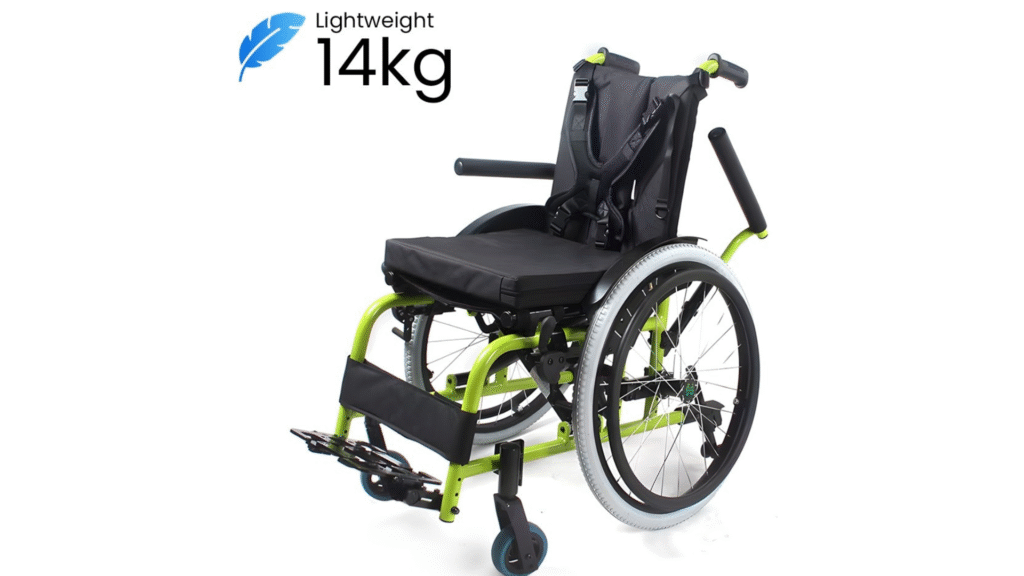
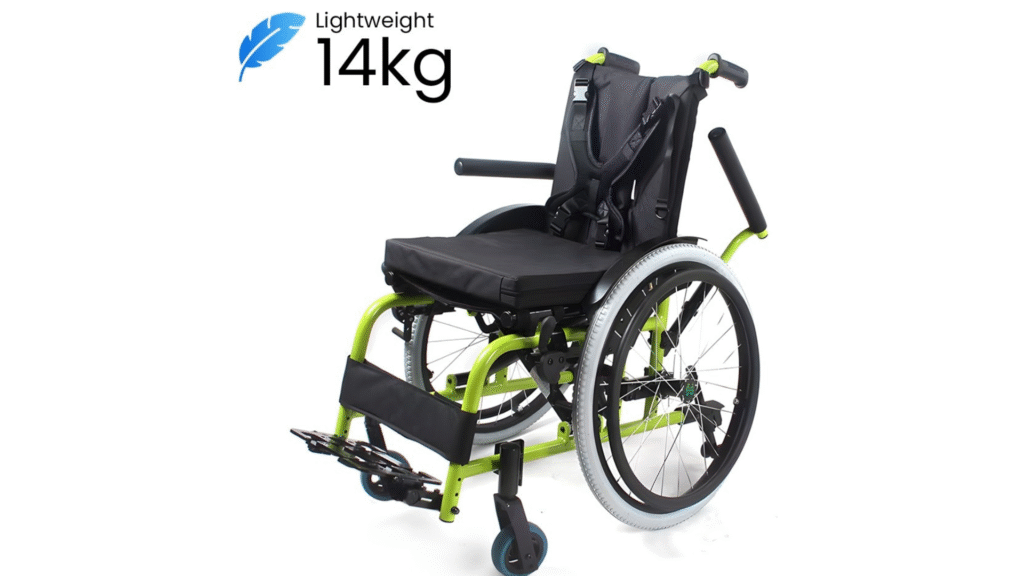
Choosing the right paediatric wheelchair can be one of the most emotional and financially challenging decisions for parents. Beyond ensuring your child’s comfort and mobility, there’s the added concern of marketing pressure — with some families feeling pushed toward top-end models that may not always be necessary. Let’s explore how to find the right balance between functionality, comfort, and cost when selecting a wheelchair for your child. The Challenge of Choosing a Paediatric Wheelchair Paediatric wheelchairs are designed to provide safe, adjustable mobility for children living with disabilities or long-term conditions. However, with dozens of models available — from lightweight folding chairs to high-end tilt-in-space designs — it can be difficult for parents to know which features truly benefit their child. At Assistive Tech Hub, we’ve seen many families struggle with this choice, especially when balancing growth potential, therapeutic recommendations, and funding eligibility. If you’re still exploring your options, you can visit our store to compare different types of manual and power wheelchairs suited for children, adults, and seniors. Understanding Paediatric Wheelchairs: Features and Functions Modern paediatric wheelchairs come with advanced features such as reclining backs, postural support, adjustable seating, and growth kits. These are valuable for long-term use, especially for children whose conditions require special seating systems or frequent repositioning. However, not every child needs these advanced upgrades. Some may benefit more from a lightweight or folding paediatric wheelchair that promotes independence and easier transport. You can explore a variety of models in our paediatric wheelchair collection, including the Growmate Paediatric Wheelchair — a durable and adjustable option designed to grow with your child. If your child requires more complex mobility, our range of power wheelchairs also includes compact electric models designed for paediatric use under NDIS plans. Why Some Parents Feel Pressured Toward Higher-Priced Models Marketing and sales tactics can make expensive options seem like the “best” or “only” choice for quality care. However, not all premium features are necessary, especially for young users who may quickly outgrow their chair or whose mobility needs may change over time. Before buying, consult occupational therapists or physiotherapists who understand paediatric mobility. They can help identify what’s essential for your child’s comfort and safety — and what’s merely a luxury feature. If you’re unsure which model suits your needs, you can request a home trial through Assistive Tech Hub to see how different options perform in real-life settings. Balancing Needs vs. Budget: What Children Really Require When choosing a wheelchair, focus on key elements that matter most: Comfort and postural support Growth adjustability Ease of transport and storage Compatibility with home and school environments Avoid being swayed by optional upgrades that add cost but offer minimal long-term benefit. The goal is to provide safe, functional, and growth-friendly mobility — not to buy every available feature. You can browse our complete paediatric wheelchair range or visit our store to compare other mobility solutions like patient lifters and daily living aids designed for families and carers. Role of NDIS and Allied Health Professionals in Equipment Choice The NDIS and programs like SWEP in Victoria can help fund paediatric mobility equipment if it’s deemed necessary for daily living and independence. Allied health professionals play a critical role in these assessments, ensuring the equipment supports your child’s development and participation in school or community activities. At Assistive Tech Hub, we frequently collaborate with allied health teams and NDIS providers to recommend equipment that meets both therapeutic goals and funding requirements. You can learn more about how we support clients through our NDIS information page. Key Considerations: Growth, Adjustability, and Everyday Use Children grow fast — and so should their wheelchair. Look for models with adjustable frames, removable cushions, and modular seating systems that can evolve as your child’s body and needs change. If you’re unsure how to adjust or maintain your child’s wheelchair, our support team can provide setup guidance and maintenance advice to keep your device safe and functional. Remember that a good paediatric wheelchair isn’t just about transport — it’s about fostering mobility, confidence, and independence. Conclusion: Making Informed Decisions for Your Child’s Mobility Parents should never feel pressured into overspending on mobility aids. With proper guidance from allied health professionals and access to NDIS or SWEP funding, you can find a safe, functional, and affordable paediatric wheelchair that supports your child’s comfort and growth. Browse our paediatric wheelchairs in the store. Explore our Growmate Paediatric Wheelchair Visit our power wheelchair collection for additional mobility support. Contact us for expert advice on selecting the right wheelchair for your child

Paediatric Wheelchairs: Are Parents Being Pushed Toward More Expensive Options? Read More »

Sock Aids, Grabbers & Dressing Sticks: Do They Truly Match Your Needs?

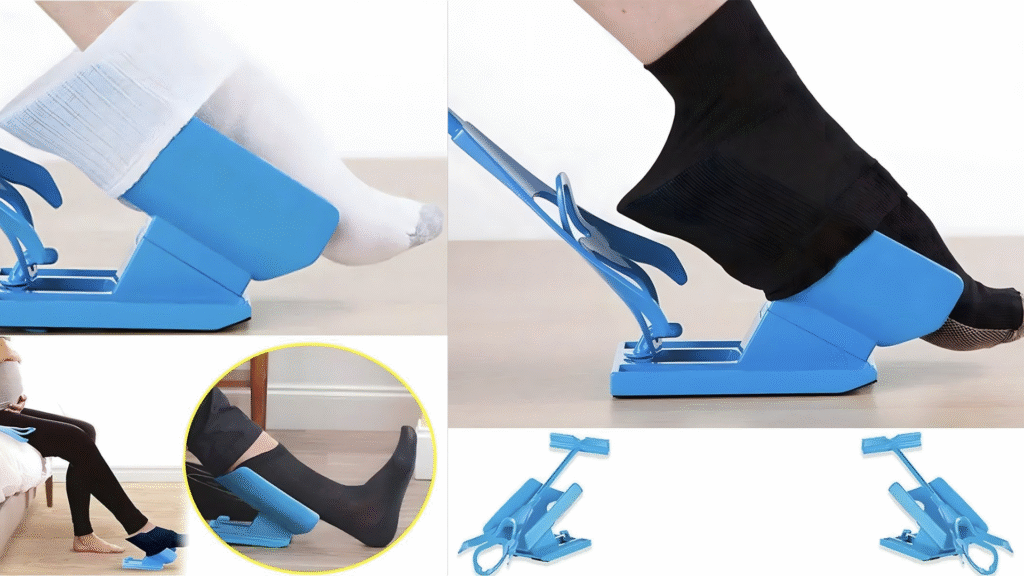
For many older adults and people with mobility challenges, getting dressed can become one of the most difficult daily routines. That’s why tools like sock aids, grabbers, and dressing sticks were created—to promote independence, reduce strain, and make everyday tasks easier. But are these products always necessary? Or are some of them ending up unused in drawers after a few weeks? At Assistive Tech Hub, we help individuals and carers make smart, practical choices about daily living aids—so every purchase truly supports your comfort, safety, and independence. Supporting Independence in Daily Living Maintaining independence in self-care is essential for confidence and overall wellbeing. The right daily living aids can make activities like dressing, grooming, and bathing easier—especially for people with arthritis, back pain, limited reach, or reduced grip strength. However, not every aid suits every person. The goal is to find what works for your level of mobility, coordination, and home setup. Occupational therapists often remind users that the most effective tools are those that seamlessly integrate into daily routines—without adding unnecessary complexity. What Are Sock Aids, Grabbers, and Dressing Sticks? These are simple yet effective assistive devices designed to make dressing and reaching easier for individuals with limited mobility: Sock Aids: Help users put on socks without bending or reaching their feet. Ideal for those with hip, back, or joint restrictions. Grabbers (Reachers): Extend your reach to pick up items from the floor or high shelves, reducing the need to bend or stretch. Dressing Sticks: Assist in pulling clothes over the shoulders or guiding sleeves and pant legs—especially helpful for people with one-sided weakness or shoulder pain. You can find these and other helpful tools in our Daily Living Aids collection, including trusted products like our Dressing Stick, designed for durability and everyday comfort. Assessing Your Needs Before Buying Before purchasing any assistive tool, it’s important to assess your mobility limitations and environmental setup. Ask yourself: Can I perform most dressing tasks independently with minor support? Are my difficulties temporary (e.g., post-surgery) or long-term (e.g., arthritis)? Will this aid actually make tasks easier—or add extra steps? Is there enough storage or accessibility for the tool in my home? An occupational therapist can provide a proper assessment to determine which daily living aids best match your physical needs and lifestyle. Benefits for Seniors and People with Mobility Challenges When chosen correctly, these aids can significantly enhance independence and quality of life. The main benefits include: Reduced physical strain by minimising bending, stretching, or twisting. Improved safety by decreasing the risk of falls during dressing. Greater independence in performing daily self-care routines. Time efficiency, especially for carers assisting loved ones. For example, pairing a sock aid with a grabber can allow a user to complete their morning dressing without external help—restoring confidence and dignity in the process. Common Pitfalls: Buying Gadgets That Gather Dust Many users purchase aids impulsively after seeing online recommendations—only to find they don’t suit their specific needs. The most common pitfalls include: Buying without professional advice, leading to mismatched or unnecessary products. Ignoring ergonomics, resulting in discomfort or awkward use. Overlooking training, leaving aids unused due to confusion. Choosing the wrong size or model, especially for tools like sock aids or dressing sticks. Before buying, it’s best to try products firsthand or opt for NDIS-funded home trials when available. This ensures your purchase truly benefits your daily activities. Recommendations from Occupational Therapists Occupational therapists often recommend multi-purpose, easy-to-use aids that promote independence while reducing carer strain. They also suggest: Prioritising simple and durable tools over overly complex designs. Opting for NDIS- or SWEP-approved equipment to ensure quality and safety. Regularly reassessing tools as your mobility or health changes. If your needs go beyond dressing, you might also explore other solutions in our Daily Living Aids and Mobility Aidscategories, which include practical supports for home safety and accessibility. Conclusion: Choosing the Right Daily Living Aids for Your Lifestyle Sock aids, grabbers, and dressing sticks can make daily dressing easier and more independent—but only when they truly match your needs. The key is to assess your abilities, seek professional guidance, and choose aids that align with your daily routine. At Assistive Tech Hub, we’re here to support you every step of the way.Explore our range of Daily Living Aids and Dressing Stick products, or contact us for personalised advice on choosing the right tools to support your comfort, independence, and mobility at home.

Sock Aids, Grabbers & Dressing Sticks: Do They Truly Match Your Needs? Read More »

Patient Lifters: How to Decide If You Really Need One

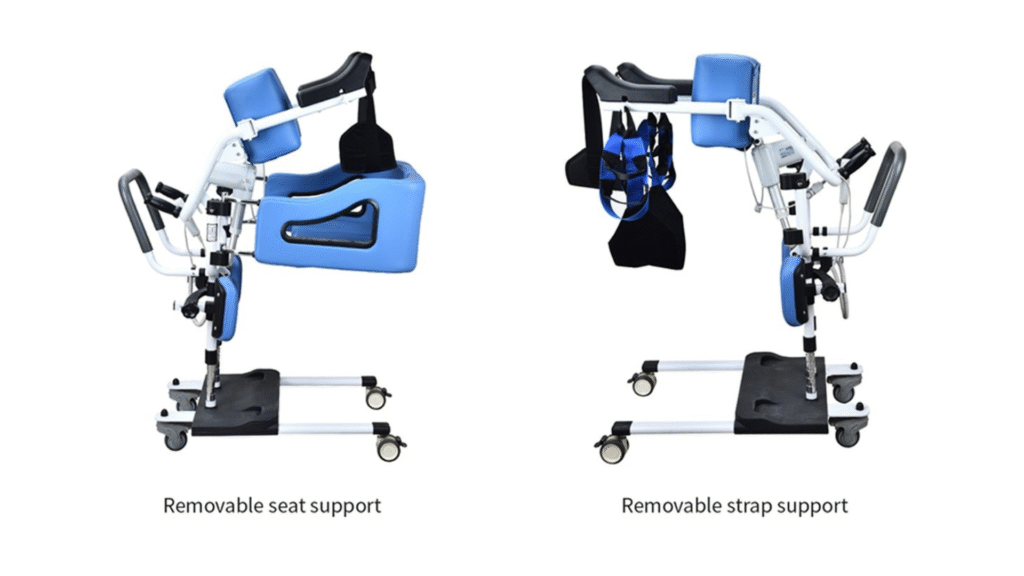
When mobility becomes limited, everyday care tasks like transferring from bed to chair or bathroom can turn into safety risks for both patients and carers. This is where patient lifters—also known as hoists or transfer lifters—come in. But here’s the real question: does every home or care setting actually need one? At Assistive Tech Hub, we help Australians make informed decisions about assistive technology—ensuring every purchase improves comfort, safety, and independence, not just convenience. The Importance of Safe Patient Handling Manual transfers, especially when done repeatedly, put significant strain on carers’ backs, shoulders, and wrists. Patients, on the other hand, face risks of falls or improper positioning. Using the right patient lifting equipment promotes dignity and safety for both parties. It reduces injury risk, encourages smoother transfers, and allows carers to assist patients confidently—especially in homecare and aged care settings. If you’re setting up a home environment for long-term care, you can browse our Patient Lifters collection for reliable, NDIS-compatible solutions. What Are Patient Lifters and How Do They Work? A patient lifter is an assistive device designed to help move a person with limited mobility between surfaces—such as from a bed to a wheelchair, toilet, or shower chair—without physical strain. The lifter typically includes a frame, sling, and hydraulic or electric mechanism that raises and lowers the patient safely. Modern lifters are engineered to be stable, ergonomic, and easy to operate—even for a single carer. Some models, like our featured portable patient lifter, are compact and lightweight—ideal for home environments where space and flexibility matter most. Different Types of Lifters: Sling, Hoist, Sit-to-Stand, and Portable There’s no one-size-fits-all when it comes to patient lifting equipment. Each type serves different mobility levels and care requirements: Sling Lifters (Full Hoists) – Used for patients who are fully dependent and unable to bear weight. Sit-to-Stand Lifters – Designed for users who can partially bear weight and need assistance standing. Ceiling or Track Hoists – Permanently installed systems for high-dependency care environments. Portable Lifters – Lightweight and foldable for transport or small home spaces. Choosing the right model depends on mobility level, transfer frequency, and care environment—something best assessed with your occupational therapist or physiotherapist. For example, our Patient Lifters range includes sit-to-stand and foldable portable lifters that meet both homecare and clinical-grade standards. Assessing the Need: When a Patient Lifter Is Essential You may need a lifter if: The patient requires assistance for all transfers (e.g., from bed to wheelchair). The carer experiences difficulty or strain during manual lifts. There’s a high fall risk or recent history of unsafe transfers. The patient’s condition involves progressive weakness (e.g., motor neuron disease, stroke, or spinal cord injury). You want to maintain independence and safety at home without relying on multiple carers. However, not every situation requires a full hoist system. Some individuals benefit more from sit-to-stand devices or adjustable support aids instead of heavy-duty lifters. Consulting an allied health professional helps determine whether a lifter is truly necessary—or if a simpler solution will do. Funding Options: NDIS, SWEP, and Local Support Good news—patient lifters are often NDIS-funded if they are deemed essential for daily living and mobility. Under the NDIS Assistive Technology category, participants can access support for both electric and manual lifters when recommended by a registered therapist. For residents of Victoria, SWEP (State-Wide Equipment Program) provides funding assistance for approved patient lifting devices and related accessories. If you’re unsure about eligibility, our Assistive Tech Hub team can help you explore options and identify NDIS-approved patient lifters suited to your care environment. Safety Considerations and Occupational Therapist Recommendations Even the best equipment is only safe when used correctly. OTs often recommend: Choosing the right sling size and material for comfort and pressure management. Ensuring proper floor clearance and stability before lifting. Regularly checking mechanical and battery components for wear or malfunction. Receiving hands-on training for carers before independent use. Following these steps not only prolongs the equipment’s lifespan but also ensures patient confidence during every transfer. Conclusion: Making an Informed Choice for Patient Safety and Independence A patient lifter can transform care delivery—reducing physical strain, preventing injuries, and maintaining dignity for patients and carers alike. But they’re not a universal solution. The right choice depends on individual mobility needs, clinical advice, and home setup. At Assistive Tech Hub, we’re here to guide you through every step of the process.Explore our range of Patient Lifters and other Mobility Aids, or Contact us for expert guidance on choosing the right lifting equipment for your home or care setting.

Patient Lifters: How to Decide If You Really Need One Read More »

Customer Rights: What to Do If You’re Sold Unsuitable Assistive Tech

Introduction: Why This Issue Matters for Families and Carers Buying assistive technology is often an emotional and financial investment. Whether it’s a mobility aid, shower chair, or adjustable bed, every piece of equipment plays a role in a person’s safety, independence, and comfort. But what happens when the product you receive doesn’t match your needs—or worse, turns out to be unsafe or poorly fitted? Unfortunately, some customers across Australia, including NDIS participants and aged care clients, have experienced being sold unsuitable or low-quality assistive equipment. Knowing your rights under Australian law is crucial to protecting yourself and ensuring you only use products that truly enhance your quality of life. Common Cases of Unsuitable Assistive Tech Unsuitable assistive technology can come in many forms. Some of the most common issues include: Wrong size or type of equipment – such as a wheelchair that’s too wide for home doorways or a bed that doesn’t adjust properly for the user’s needs. Lack of essential safety features – like missing brakes, unstable shower chairs, or poor weight support. Sales-driven recommendations – where the focus is on profit rather than genuine suitability or clinical need. If you’ve encountered any of these problems, you’re not alone—and you have options for redress. Understanding Your Rights Under Australian Consumer Law Australian Consumer Law (ACL) protects you when a product you’ve purchased is faulty or not as described. Assistive technology and mobility aids are no exception. You’re entitled to a refund, replacement, or repair depending on the nature of the problem. Major faults (for example, the product doesn’t function safely or cannot be used for its intended purpose) entitle you to a full refund or replacement. Minor faults (for example, small issues that can be repaired) entitle you to a free repair within a reasonable time. These rights apply even if the product was funded through the NDIS or another program such as SWEP—you still have the same consumer protections as any other customer. NDIS and Aged Care Pathways for Complaints If your unsuitable equipment was purchased or funded under the NDIS, you can raise a complaint through the NDIS Quality and Safeguards Commission. This body handles cases related to poor service delivery, unsafe products, or misleading sales practices. For aged care clients, similar support is available through the Aged Care Quality and Safety Commission, which ensures that providers are accountable for the products and services they recommend. Before escalating, it’s best to first contact the provider or supplier to give them a chance to resolve the issue directly. Steps to Take If You’ve Been Sold Unsuitable Equipment If you find yourself in this situation, follow these steps: Collect evidence – Keep all receipts, product information, and any communication with the supplier. Document the issue – Take clear photos or videos showing faults, poor fit, or unsafe conditions. Contact the supplier first – Explain the problem in writing and request a solution. Escalate if unresolved – If you’re not satisfied, contact Consumer Affairs Victoria, the ACCC, or the NDIS Quality and Safeguards Commission. Seek professional advice – Occupational therapists or allied health professionals can assess whether the equipment is appropriate or not. Being proactive helps you resolve the issue faster and ensures your safety in the meantime. Preventing Unsuitable Purchases in the First Place The best protection is prevention. Before purchasing any assistive technology, take these steps: Request a professional assessment – Occupational therapists and physiotherapists can recommend the right equipment based on your needs. Ask for a home trial – Reputable suppliers like Assistive Tech Hub offer home trials for products such as adjustable beds, wheelchairs, and shower chairs. Inquire about warranty and return policies – Always confirm these details before making a purchase. Avoid sales pressure – Genuine providers will prioritise your needs, not push unnecessary accessories or upgrades. Where to Seek Support and Trusted Advice If you’re unsure about your rights or next steps, several organisations can help: NDIS Quality and Safeguards Commission – for registered NDIS equipment issues. Aged Care Quality and Safety Commission – for older Australians receiving aged care services. Consumer Affairs Victoria – for general consumer law support. Assistive Tech Hub – for trusted guidance and high-quality, NDIS-compatible equipment designed to meet your mobility and care needs. Conclusion: Protecting Your Rights and Ensuring Safe Choices Assistive technology should never compromise your safety, comfort, or independence. If you’ve been sold unsuitable equipment, remember—you have the right to request a refund, replacement, or repair. Acting early and documenting the issue gives you the strongest position for resolution. When in doubt, seek help from qualified therapists or trusted providers who prioritise your well-being over profit. Explore our mobility aids and assistive tech range, or contact us today for professional advice on choosing equipment that truly supports your daily living needs.

Customer Rights: What to Do If You’re Sold Unsuitable Assistive Tech Read More »

Wheelchair Accessories: Necessary Add-Ons or Clever Upsells?

Walk into any mobility store and you’ll find countless wheelchair accessories—from cup holders and storage pouches to joystick mounts and power assist wheels. But how many of these are truly essential, and how many are simply clever upsells? At Assistive Tech Hub, we believe that every product should add genuine value to your mobility experience. Understanding what’s necessary versus what’s optional can help you make smarter purchases that improve independence without wasting money on unnecessary add-ons. The Role of Wheelchair Accessories  Wheelchair accessories are designed to enhance comfort, convenience, and safety. The right add-ons can make a huge difference in daily living—especially for people using their wheelchair for long hours or across different environments. Accessories like seat cushions, lap trays, and safety belts serve functional purposes, while others such as wheelchair bags or smartphone mounts focus more on convenience. Whether you’re using a manual or powered wheelchair, your needs should drive the decision—not sales trends. If you’re exploring options, our Power Wheelchair Collection features models compatible with various adaptive accessories to help users stay mobile and independent. Essential vs Optional Accessories for Electric and Manual Wheelchairs Essential Accessories These directly contribute to comfort, posture, and mobility performance: Pressure-relief cushions – prevent sores and promote better sitting tolerance Anti-tip wheels – add stability and prevent backward falls Safety belts or harnesses – crucial for secure positioning Adjustable armrests and leg rests – improve ergonomic comfort Optional Accessories While convenient, they’re not always necessary for everyone: Cup holders or storage bags – helpful but not essential for mobility LED lights or reflective strips – great for nighttime safety, but situational Joystick extensions and mounts – useful for specific hand function limitations Wheelchair covers – good for travel, not a must for indoor users Ultimately, the key is personalisation—choosing accessories that address real needs rather than collecting gadgets that sound impressive but don’t improve day-to-day life. How Marketing Can Influence Accessory Purchases Many wheelchair users are encouraged to “upgrade” their chairs through constant exposure to flashy marketing or bundled deals. Some brands promote accessories as “must-haves” when they simply provide aesthetic or convenience-based enhancements. For example, powered wheelchair users might be told to buy multiple joystick extensions or high-end headrests that aren’t clinically required. While these add-ons can look appealing, they may not improve performance or comfort at all. Before purchasing, ask: Does this accessory solve a problem I currently experience? Is it compatible with my wheelchair model? Will it make my mobility safer or more comfortable? Being aware of marketing tactics helps ensure every dollar goes toward equipment that genuinely enhances your lifestyle. Allied Health and Occupational Therapist Recommendations Occupational therapists (OTs) and physiotherapists often guide wheelchair users in selecting clinically appropriate accessories. They consider posture support, physical strength, and activity levels before recommending any add-on. For instance, an OT might suggest a power assist attachment for a manual wheelchair user with limited upper limb endurance or a custom cushion for those at high risk of pressure ulcers. Consulting an allied health professional ensures your chosen accessories don’t just look good—they align with your functional and therapeutic needs. NDIS and SWEP Approved Wheelchair Add-Ons in Victoria Through the NDIS and SWEP Victoria, eligible participants can access funding for essential wheelchair accessories that support safe and independent mobility. Approved add-ons typically include: Pressure-relief cushions Tilt or recline adjustments Headrests and lateral supports Power assist attachments Control modifications for powered wheelchairs At Assistive Tech Hub, we help clients identify NDIS-approved power wheelchairs and compatible accessories that qualify for funding. If you’re unsure which products are covered, our team can guide you through both NDIS and SWEP eligibility processes. Tips for Choosing the Right Accessories Without Overspending Assess your lifestyle – Indoor users may not need travel covers or large storage bags. Consult your OT – Ensure each add-on has clinical justification. Check compatibility – Avoid generic accessories that don’t fit your wheelchair model. Prioritise comfort and function – Choose accessories that make transfers, posture, or mobility easier. Review warranty and funding coverage – Confirm which add-ons are NDIS or SWEP approved before purchasing. A thoughtful approach prevents clutter and ensures every accessory has a real purpose in your daily life. Conclusion: Invest Wisely in Wheelchair Accessories That Truly Add Value Wheelchair accessories can empower users when chosen thoughtfully—but they can also drain budgets when influenced by clever marketing. The goal isn’t to collect every available add-on, but to invest in tools that truly support comfort, independence, and mobility. At Assistive Tech Hub, we help Australians choose wisely.Explore our range of Power Wheelchairs and accessories, or Contact us for personalised advice tailored to your lifestyle and funding needs.

Wheelchair Accessories: Necessary Add-Ons or Clever Upsells? Read More »

Are You Being Talked Into Buying Premium Home Care Beds You Don’t Need?

Choosing a home care bed is a major decision—one that directly affects comfort, safety, and overall quality of life. However, not every “premium” feature being marketed is truly necessary. Many Australians end up spending more than they need to because of upselling tactics that make high-end beds sound essential for basic care. Before investing, it’s important to understand what really matters for your situation. Explore the full range of Aged Home Care Beds at Assistive Tech Hub and discover options that balance comfort, safety, and cost-efficiency. The Truth About Upselling in Home Care Beds Some suppliers tend to overemphasize luxurious add-ons—such as advanced remote controls, massage settings, or high-end finishes—that may not contribute to clinical care. These features often drive up the price without improving safety or mobility. If your goal is to support daily transfers, postural comfort, and independence, you might only need a practical Hi-Low Bed or Portable Power Bed. Both provide excellent functionality and safety without unnecessary extras. Evaluating What You Actually Need Start by considering how the bed will be used day to day: Does the user need frequent position changes for pressure relief? Will the bed be used for long-term home care or short-term recovery? Are advanced features like voice control truly necessary? For example, a Voice Control Homecare Hi-Low Bed can be incredibly helpful for users with limited mobility or carers managing multiple tasks. But if independence can already be achieved with basic adjustability, a simpler electric bed is more than enough. Safety, Accessibility, and NDIS Support Safety and accessibility should always come before luxury. Features such as height adjustment, smooth operation, and sturdy side rails are far more valuable than aesthetic add-ons. To enhance safety, consider accessories like Foldable Steel Side Rails or a Waterproof Mattress for easy cleaning and infection control. Many NDIS-approved beds qualify for funding based on assessed needs. Working with your occupational therapist ensures that you receive the right support and avoid overspending. Learn more about Assistive Tech Hub’s mobility and home care equipment tailored for NDIS participants and aged care providers. Smart Tips Before Buying Always seek advice from your healthcare provider or occupational therapist. Focus on essential functions such as elevation, backrest control, and mobility support. Test the bed in your actual environment through a home trial. Check warranty and service options for long-term use and support. You can explore cost-effective, durable options through our Aged Care Beds Collection — designed with both comfort and practicality in mind. Home Trials and Expert Guidance One of the best ways to ensure you’re choosing the right bed is through an in-home trial. What feels comfortable in a showroom may not suit your bedroom space or care setup. Assistive Tech Hub provides free in-home trials and personalised support to help you find the most appropriate fit. Professional assessments from allied health experts also ensure your bed supports your mobility goals, prevents strain for carers, and aligns with NDIS or SWEP funding guidelines. Make an Informed Choice for Comfort and Safety Not all premium beds are worth the cost. The right choice should always depend on function, not fancy features. Whether you’re choosing for yourself or a loved one, focus on safety, comfort, and suitability above all. Explore our Aged Home Care Beds today and contact us for expert guidance. Our friendly team will walk you through every step of the way to ensure your choice fits your care needs and lifestyle perfectly.

Are You Being Talked Into Buying Premium Home Care Beds You Don’t Need? Read More »

Compare Products

Scroll to Top