Assistive Tech Hub

Recliners vs. Home Care Beds: How to Avoid Buying the Wrong One

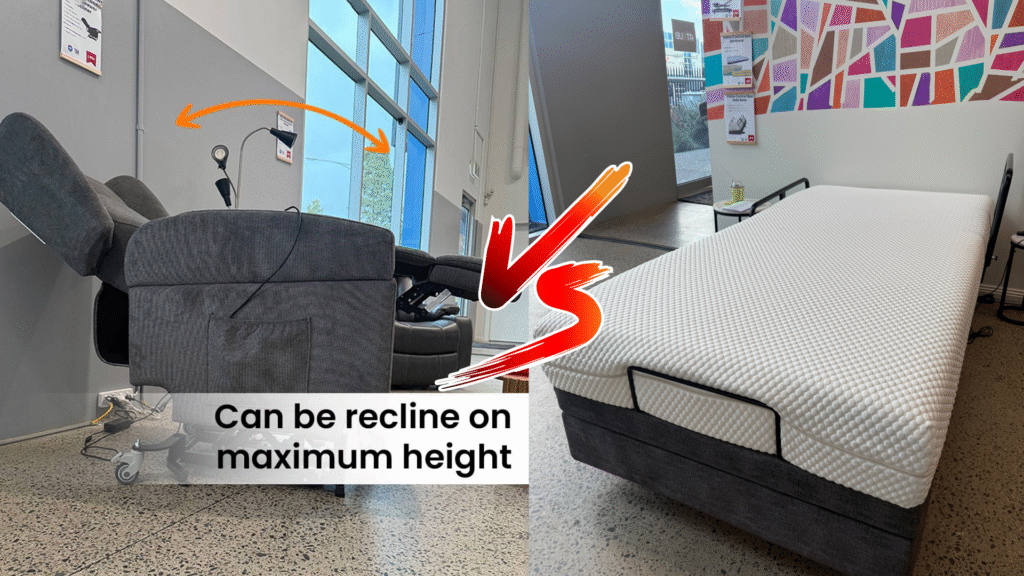
Introduction: Choosing Between Comfort and Clinical Support Selecting between a recliner and a home care bed may seem simple—until you realise how much your choice impacts daily comfort, mobility, and safety. Both play a vital role in aged care and disability support, but they serve very different purposes. Whether you’re an NDIS participant, a carer, or a family member supporting a loved one, knowing which option best fits your needs helps ensure the right support at home. At Assistive Tech Hub, we help Australians make confident decisions about aged care equipment, mobility recliners, and home care beds tailored to their goals and environment. Key Differences Between Recliners and Home Care Beds A recliner chair is designed for comfort and convenience. Models such as the Hi-Low Power Recliner or Mobility Recliner Chairs allow smooth position adjustments with minimal effort, helping users rest, sit upright, or transfer safely. These are ideal for those who spend long periods seated but still wish to engage in daily activities like reading, watching TV, or socialising. On the other hand, home care beds, including the Aged Home Care Beds and Voice Control Homecare Hi-Low Bed, are designed for users with higher medical or mobility needs. These beds provide clinical positioning, adjustable height, and safety features that support caregiver-assisted transfers and pressure management. Assessing Daily Care Needs and Mobility To avoid buying the wrong product, consider how often the user needs assistance and how much mobility they retain. For independent or semi-mobile users: A recliner promotes comfort, easy transfers, and circulation. For users requiring assistance or nursing support: A home care bed allows carers to provide safe, ergonomic care without strain. If you’re unsure, you can schedule a free in-home trial or visit our disability-friendly showroom to experience both options firsthand. You can also explore our Assistive Beds for Elderly and Mobility Recliner Chairs pages for more details. Safety, Weight Support, and Accessibility Considerations When it comes to aged care equipment, weight capacity, adjustability, and accessibility are crucial. Recliners like our Rise and Recline Chairs improve posture, reduce fall risks, and support easy transfers. Home care beds with adjustable height, side rails, and remote control options improve both user and carer safety. Always check product specifications such as safe working load, tilt angle, and mobility aid compatibility to ensure they meet NDIS standards and SWEP-approved guidelines in Victoria. NDIS and Allied Health Guidance for Selection NDIS participants and allied health professionals, including occupational therapists and physiotherapists, often collaborate to assess what’s clinically appropriate.Products like our NDIS-approved beds and recliners are eligible for funding under Assistive Technology (AT). We recommend consulting with your therapist to ensure your choice supports: Pressure care and circulation Posture and spinal alignment Safe transfers and carer ergonomics You can also learn more about NDIS funding options through our NDIS Support Guide and explore our range of NDIS-Approved Mobility Equipment. Home Trials and Practical Tips for Decision-Making Before purchasing, take advantage of home trials to see how well the equipment fits your space and lifestyle. This hands-on experience helps determine: Bed height compatibility with wheelchairs or hoists Ease of transfer from recliner to bed Remote control accessibility for users with limited mobility Our team at Assistive Tech Hub offers free in-home trials, personalised recommendations, and after-sales support to ensure a smooth experience from start to finish. Conclusion: Make the Right Choice for Comfort, Safety, and Independence Choosing between a recliner and a home care bed is not just about preference—it’s about ensuring comfort, independence, and long-term safety. With the right guidance and equipment, daily life becomes easier for both the user and their carer. Take the next step today by exploring our range of Recliners and Home Care Beds and contacting us for expert guidance. Our friendly team will help you find a solution that truly fits your care needs every step of the way.

Recliners vs. Home Care Beds: How to Avoid Buying the Wrong One Read More »
Mobility Scooters: Are You Being Pushed Toward Models That Don’t Suit Your Needs?

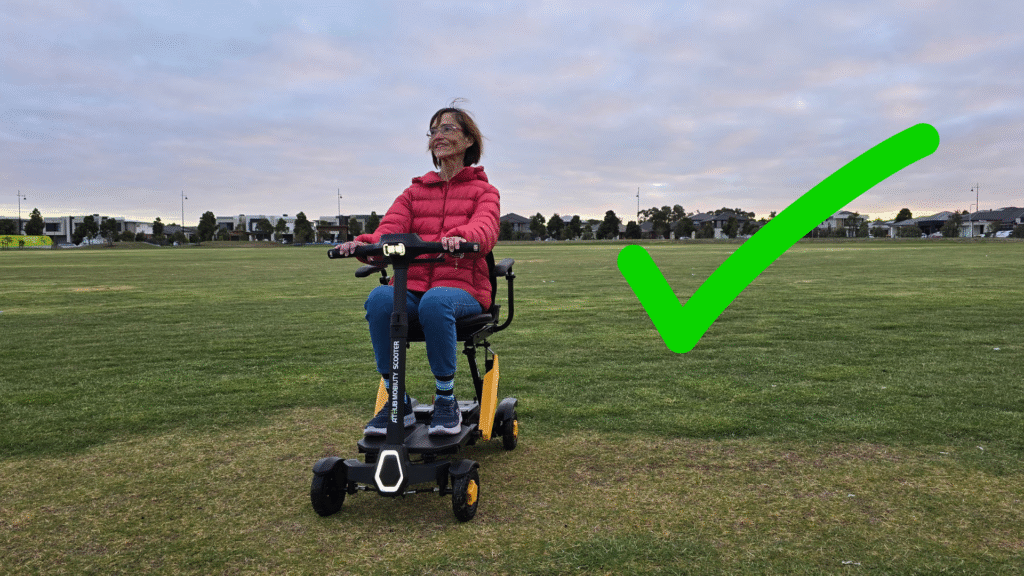
Introduction: Understanding Your Mobility Needs Choosing the right mobility scooter is about more than comfort and convenience — it’s about finding a reliable companion that matches your lifestyle, environment, and physical needs. Unfortunately, some customers feel pressured into buying expensive or overly advanced scooters that don’t truly fit their situation. At Assistive Tech Hub, we believe mobility decisions should always be guided by individual needs, not by sales tactics. Understanding how scooters differ and what features genuinely matter can help you avoid costly mistakes and enjoy long-term independence. Different Types of Mobility Scooters and Their Features There’s no one-size-fits-all solution when it comes to mobility scooters. Each model is designed for a specific purpose, user profile, and environment. Portable and Foldable Scooters – Ideal for users who travel often or need compact designs for apartment living. Our Lightweight Foldable Mobility Scooter is a great example — easy to fold, store, and transport in a car boot. Automatic Folding Scooters – For those who prefer convenience at the press of a button, the Automatic Folding Mobility Scooter allows effortless setup, perfect for seniors with limited hand strength. Heavy-Duty or Long-Range Scooters – Designed for outdoor use, longer travel distances, and rougher terrains. These often have larger batteries, higher weight capacity, and enhanced suspension for smoother rides. You can explore more options in our Mobility Scooters Collection or consult our Assistive Tech Hub store for feature comparisons and recommendations. Risks of Choosing the Wrong Model A mobility scooter that doesn’t suit your lifestyle can quickly become more of a burden than a benefit. Common risks include: Reduced safety and stability on uneven terrain if the scooter’s wheels or suspension aren’t suitable Battery drain and short range, especially for users who travel long distances daily Limited portability, making it difficult to transport or store Overpaying for unnecessary features, such as high-speed modes or heavy frames that aren’t needed Buying a scooter should never feel rushed or sales-driven. We encourage every customer to ask for demonstrations and home trials — something we offer for most NDIS-approved scooters across Victoria. How to Match Scooter Features to Your Lifestyle and Environment When selecting a scooter, consider these essential factors: Daily environment – Do you mainly drive indoors, on footpaths, or outdoors on uneven ground? Transport needs – Will you need to fold and load it into a car frequently? Weight and portability – A foldable or lightweight model may be best if storage space is limited. Battery life – Choose a scooter with enough range to suit your typical day’s activities. Comfort and adjustability – Look for adjustable armrests, tillers, and seat cushioning for long-term use. Our experts often recommend starting with a Lightweight Foldable Mobility Scooter for active users or an Automatic Folding Mobility Scooter for those seeking simplicity and effortless setup. You can also explore related accessories like mobility scooter batteries and portable chargers through our Assistive Tech Hub Store. NDIS and Allied Health Considerations for Scooter Selection The National Disability Insurance Scheme (NDIS) provides funding support for mobility scooters if they meet your functional goals and daily living needs. Before purchasing, participants are encouraged to work with their occupational therapist or physiotherapist to assess: Functional mobility and endurance Terrain requirements (indoor vs outdoor use) Portability and storage needs Safety and accessibility at home Assistive Tech Hub is NDIS-registered, making it easier for clients to access NDIS mobility scooter funding and SWEP support in Victoria. We also collaborate with allied health professionals to ensure each client receives an appropriately fitted scooter that meets both clinical and lifestyle requirements. Learn more about how we support NDIS mobility equipment selection on our Mobility Scooters page or by contacting our friendly team. Home Trials and Expert Guidance Mobility decisions are best made through experience, not pressure. That’s why Assistive Tech Hub offers free home trials and showroom visits for clients who want to try scooters in real-life settings. Our disability-friendly showroom allows users to test foldable, automatic, and heavy-duty models, ensuring every choice aligns with individual strength, comfort, and accessibility needs. If you’re unsure where to start, our team can walk you through comparisons between models like the Automatic Folding Mobility Scooter and the Lightweight Foldable Mobility Scooter — explaining not just the specs, but the practical differences in day-to-day use. Conclusion: Make an Informed Choice for Comfort and Independence Don’t let sales pressure decide your mobility future. The right scooter should feel natural, safe, and empowering — not complicated or costly. At Assistive Tech Hub, our goal is to make every mobility journey personal, transparent, and supportive. We help you compare models, understand NDIS eligibility, and test equipment before purchasing — ensuring your investment truly improves independence and comfort. Take your time, ask questions, and make an informed decision — we’ll support you every step of the way. Browse trusted mobility scooters in our store and Contact us for expert advice and home trial arrangements. Key Takeaways Choosing a mobility scooter should be based on personal needs, not sales influence. Foldable and portable scooters suit active users with limited space. NDIS and allied health professionals can guide scooter selection and funding. Assistive Tech Hub offers home trials and NDIS-supported mobility solutions across Victoria.

Mobility Scooters: Are You Being Pushed Toward Models That Don’t Suit Your Needs? Read More »

Do You Really Need a Gait Trainer, or Is It Just Overselling?

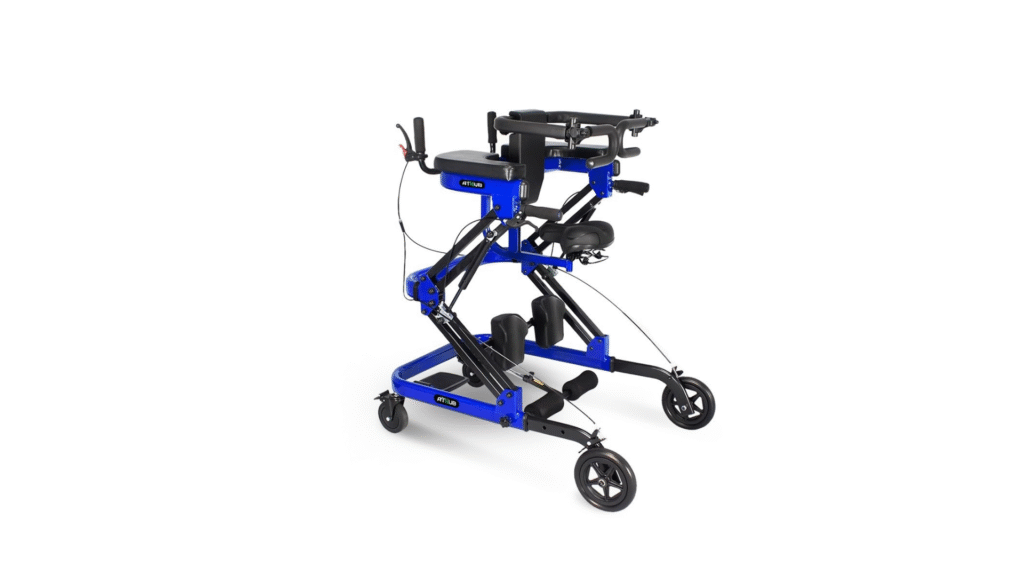
Introduction: Understanding Gait Trainers and Their Purpose A gait trainer is more than just a walker — it’s a specialised rehabilitation tool designed to help users learn or re-learn how to walk safely and efficiently. Whether it’s used by a child with developmental delays, an adult recovering from a stroke, or an elderly person regaining mobility after surgery, a gait trainer supports safe walking practice while maintaining correct posture and balance. At Assistive Tech Hub, we often hear people ask: “Do I really need a gait trainer, or is it just another product being oversold?” The answer depends on your mobility goals, physical condition, and the professional assessment of your healthcare provider. Let’s break down what gait trainers are for — and when you might truly need one. Pediatric vs. Adult Gait Trainers: Key Differences Gait trainers come in various models tailored to different age groups and therapy goals. Understanding these distinctions helps ensure you or your loved one get the right support. Pediatric Gait Trainers are designed for children with conditions like cerebral palsy, muscular dystrophy, or delayed motor milestones. They often feature adjustable frames, pelvic and trunk supports, and colourful designs to make rehabilitation engaging. Adult Gait Trainers focus on rehabilitation after injury, stroke, or neurological conditions. These models provide greater stability and are compatible with NDIS-funded mobility aids and rehab walking programs. Unlike a standard Gait Trainer Walker, these rehabilitation-focused designs offer more precise postural control, adjustable harnesses, and support accessories for upper or lower limb training. Browse both pediatric and adult gait trainer options in our Assistive Tech Hub store to find one that fits your therapy needs. Signs You May Benefit from a Gait Trainer Not everyone who has difficulty walking needs a gait trainer — but for the right user, it can be life-changing. You or your client may benefit from one if you experience: Weakness or unsteadiness when walking independently Difficulty bearing weight on one or both legs Need for long-term rehabilitation following injury or surgery Neurological conditions affecting gait, posture, or coordination Delayed motor development in children Physiotherapists often use gait trainers to gradually improve weight-bearing, step initiation, and endurance. The adjustable features found in models like our Gait Trainer Walker allow therapists to tailor support as progress occurs — reducing physical strain on both the user and carer. Common Overselling Pitfalls to Avoid Unfortunately, some mobility aid suppliers may promote gait trainers to clients who might benefit more from a basic rollator or walking frame. Here’s how to tell if you’re being oversold: You only need temporary support and can walk short distances unaided Your therapist has not specifically recommended a gait trainer The product lacks proper clinical justification or adjustment options The price seems significantly higher than a standard walker with similar features At Assistive Tech Hub, we believe in transparent and ethical recommendations. We guide clients through comparisons — whether it’s a gait trainer, rollator walker, or lightweight mobility aid — ensuring they get exactly what fits their needs and NDIS goals. You can compare product specifications directly on our Walkers Collection page or ask our team for help identifying the most suitable device. Professional Advice: Physiotherapists and Occupational Therapists A gait trainer should never be chosen without professional input. Physiotherapists and occupational therapists assess several factors before recommending one, including: Balance, muscle strength, and coordination Functional goals (e.g., walking indoors vs outdoors) Cognitive ability and safety awareness Carer support and training needs These assessments ensure the right device supports rehabilitation effectively. Our team at Assistive Tech Hub works closely with allied health professionals to match each user with the appropriate NDIS-approved mobility solution — often offering home trials for hands-on evaluation. Home Trials and NDIS Considerations If you’re an NDIS participant or working with a healthcare provider, you can request a home trial to determine if a gait trainer truly benefits your rehabilitation. This allows therapists to observe posture, gait pattern, and device comfort within your daily environment. Many of our Gait Trainers and NDIS mobility products are SWEP-supported, meaning they’re suitable for use across Victoria’s aged care and disability programs. Our NDIS-registered team can assist with product selection, quotes, and clinical coordination — ensuring every user receives a safe, approved, and effective mobility aid. For assistance, reach out through our Contact Page or visit our disability-friendly showroom for personalised support and demonstrations. Conclusion: Making an Informed Decision for Safe Mobility A gait trainer can be one of the most effective rehabilitation tools — but only when prescribed for the right reasons. If used appropriately, it helps restore mobility, improve confidence, and support long-term independence. However, not everyone requires one. The key is understanding your needs, consulting with professionals, and comparing options through trusted providers like Assistive Tech Hub. Whether you’re exploring a Gait Trainer Walker for rehabilitation or considering a simpler walking frame, we’re here to help every step of the way. Explore our full Gait Trainer Collection or Contact Us for expert guidance from our experienced mobility team. Key Takeaways Gait trainers can greatly improve rehabilitation when correctly prescribed. Avoid overspending on devices that don’t match your therapy goals. Both pediatric and adult models offer customisable support for gait re-education. Consult allied health professionals and arrange a home trial before buying. Assistive Tech Hub provides NDIS-approved, therapist-recommended gait trainers across Australia.

Do You Really Need a Gait Trainer, or Is It Just Overselling? Read More »

The Mistake of Buying a Walker Without Understanding Weight Capacity

Introduction: Why Weight Capacity Matters in Walkers A walker can make a world of difference in helping seniors and people with disabilities stay active, independent, and safe. But one common mistake people make is overlooking weight capacity. Every walker — whether it’s a lightweight rollator, upright walker, or heavy-duty model — is designed to support a specific user weight. Choosing one without understanding this limit can lead to discomfort, instability, and even safety hazards. At Assistive Tech Hub, we’ve helped countless Australians find the right walker through professional guidance, in-home trials, and NDIS-approved equipment options that ensure comfort and safety every step of the way. Understanding Different Types of Walkers for Seniors There are several types of walkers available, each designed for different mobility levels, environments, and physical needs. Here’s a breakdown of some of our most trusted and highly rated options available at Assistive Tech Hub: Double Folding Rollator Walker:Ideal for seniors who travel frequently or need a space-saving design. Its lightweight aluminium frame and dual-folding mechanism make it easy to store in small spaces or car boots. Upright Rollator Walker:Promotes better posture and reduces shoulder and back strain by keeping users in an upright position while walking. Heavy Duty Rollator Walker:Built with reinforced frames and higher weight capacities, perfect for users requiring extra durability and stability. Each of these walkers has a different weight capacity — generally between 100 kg and 180 kg. Choosing one that matches your needs ensures proper support and longevity of use. You can view all available options, from foldable walkers to seated rollators, in our Walkers Collection. Risks of Ignoring Weight Limits Ignoring a walker’s weight capacity may seem harmless at first, but it can have serious consequences. Exceeding the recommended weight limit can cause: Frame bending or breakage over time Reduced stability or tipping risk Brake failure or wheel malfunction Shortened product lifespan Increased fall or injury risk Even premium-quality walkers can fail if used incorrectly. At Assistive Tech Hub, we recommend checking the manufacturer’s specifications before purchasing — and consulting a professional for proper fitting and assessment. How to Select a Walker Based on Weight and Mobility Needs Choosing the right walker involves more than just weight. You should also consider your daily environment, mobility level, and posture requirements. Here’s a quick guide: For light use and indoor walking, the Double Folding Rollator Walker offers convenience and portability. For upright posture support and outdoor movement, try the Upright Rollator Walker. For users requiring higher weight support or larger seating surfaces, the Heavy Duty Rollator Walker ensures safe, stable mobility. Check out our full Walkers for Seniors range for NDIS-approved options, suitable for everyday mobility or aged care use. NDIS and Allied Health Recommendations For NDIS participants and aged care residents, walker selection should be guided by a professional assessment. Occupational therapists or physiotherapists typically evaluate: Weight and body composition Balance and endurance Home and community environments Functional goals Assistive Tech Hub’s walkers are NDIS-approved, SWEP-supported, and therapist-recommended — ensuring clinical-grade safety and quality. We work closely with healthcare professionals to recommend walkers that promote independence while meeting all NDIS funding requirements. You can contact our team to arrange a free consultation or in-home trial to experience the difference before purchasing. Tips for Safe Use and Home Trials Selecting the right walker is just the first step — using it safely every day is equally important. Here are simple yet vital tips: Always check the brakes and wheel locks before sitting or walking. Avoid leaning too far forward or putting your full weight on the handles. Inspect bolts, grips, and wheels regularly. Maintain correct posture when walking. Choose models with comfortable ergonomic handles for prolonged use. For first-time users, an in-home trial is highly recommended. This ensures that your walker suits your home layout, flooring, and daily activities. At Assistive Tech Hub, we offer convenient home trials across Victoria to help you find the perfect fit. Conclusion: Ensure Safety and Comfort with the Right Walker Buying a walker without understanding weight capacity can lead to costly and unsafe outcomes. The right choice should feel stable, comfortable, and suited to your physical needs. Whether you need a lightweight rollator, upright walker, or heavy-duty model, Assistive Tech Hub provides trusted, NDIS-approved walkers backed by expert advice and personal support. Explore our full range in the Walkers Collection, or contact us for personalised guidance on finding the right fit for you or your loved one. Key Takeaways Ignoring walker weight capacity can cause safety and durability issues. Different walkers meet different needs — from travel-friendly to bariatric. NDIS and allied health assessments help ensure proper equipment matching. Home trials allow users to test comfort and stability before purchase. Always seek expert advice before choosing a mobility aid.

The Mistake of Buying a Walker Without Understanding Weight Capacity Read More »

Power Wheelchair vs. Manual Wheelchair: Which One Truly Fits Your Lifestyle?

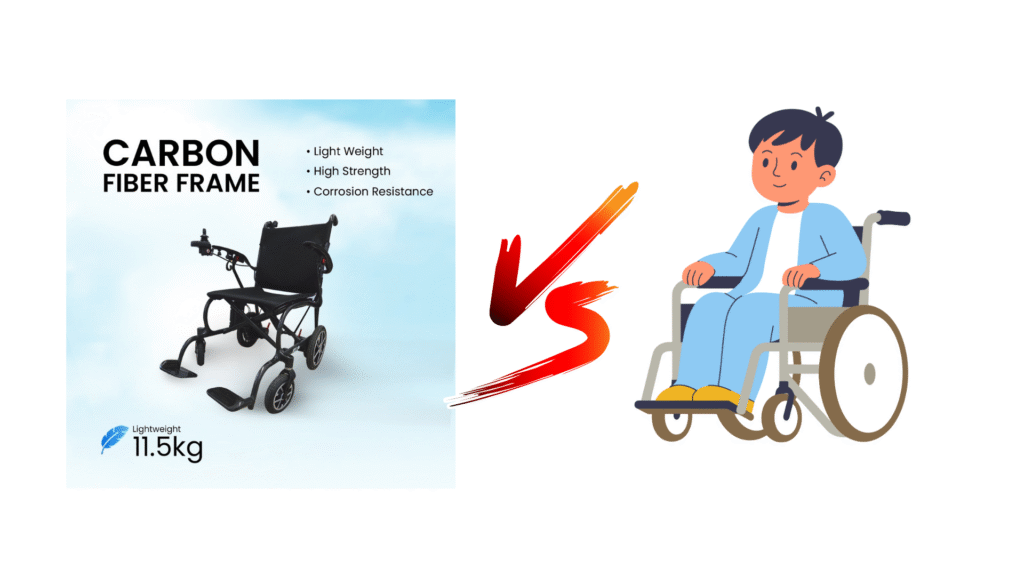
Introduction: Choosing the Right Wheelchair for Your Lifestyle Your wheelchair isn’t just a mobility aid—it’s a partner in your daily routine, independence, and comfort. Whether you’re exploring local parks, travelling to work, or simply navigating your home, choosing between a manual wheelchair and a power wheelchair can shape how easily you move through life. At Assistive Tech Hub, we understand that every user’s needs are unique. The goal isn’t to choose what’s most advanced—it’s to choose what truly fits you. Understanding Manual Wheelchairs: Features, Benefits, and Limitations Manual wheelchairs remain a popular choice for many Australians because of their simplicity and portability. They’re generally lightweight, easy to fold, and ideal for users with upper-body strength or career assistance. For example, the Ultra Light Folding Manual Wheelchair provides effortless movement, compact storage, and stability for daily mobility. It’s perfect for users who want independence without heavy maintenance. Advantages of Manual Wheelchairs: Lightweight and easily transportable Simple to maintain—no batteries or charging needed Cost-effective and reliable Ideal for short-distance or indoor mobility Limitations: Requires good upper-body strength or assistance Can cause shoulder strain over time Limited performance on uneven or long-distance terrain If your routine involves constant travel or longer distances, you may want to explore powered options that reduce physical effort and provide smoother control. Exploring Power Wheelchairs: Options, Advantages, and Considerations A power wheelchair gives users greater independence—especially for those with limited upper-body mobility or fatigue. They’re battery-powered, joystick-operated, and designed to handle varied environments. Take the Carbon Fibre Power Wheelchair, for example. Its lightweight yet sturdy carbon fibre frame offers smooth control and reliable power, making it ideal for both indoor and outdoor use. For advanced comfort, the Fully Automatic Reclining Power Wheelchair adds full recline and leg elevation features—perfect for users who need postural adjustments throughout the day. Advantages of Power Wheelchairs: Effortless movement—no manual propulsion needed Enhanced comfort with powered recline or tilt features Suitable for all terrains and longer travel Compatible with NDIS funding and SWEP support Considerations: Requires regular battery charging and care Higher upfront cost than manual chairs May need larger storage space For those seeking high performance and reliability, the Lightweight Heavy Duty Power Wheelchair offers robust support without sacrificing portability. Key Factors to Consider: Mobility Needs, Environment, and Daily Activities When choosing your wheelchair, reflect on how it will integrate into your lifestyle. Ask yourself: How far do I usually travel each day? Do I have a carer or prefer independence? Am I mostly indoors, or do I spend time outdoors on rough terrain? Is my home accessible for a powered model? For users needing enhanced comfort or posture support, accessories like a Wheelchair Cushion can make a major difference. If you have specific clinical requirements, you can also explore our Bariatric Power Wheelchair range for extra stability and comfort. Meanwhile, if you already own a power model, check out our Carbon Fibre Wheelchair Battery for a long-lasting and lightweight upgrade. Cost, Maintenance, and Funding: NDIS, SWEP, and Allied Health Options Both wheelchair types come with different costs and maintenance needs. Manual wheelchairs are generally more affordable and easier to repair, while powered ones involve a higher initial investment but provide unmatched independence. The National Disability Insurance Scheme (NDIS) and State-Wide Equipment Program (SWEP) can help fund your wheelchair if it meets functional goals and clinical recommendations. Our team regularly assists clients with NDIS applications and allied health referrals to ensure their mobility needs are fully supported. At Assistive Tech Hub, we also work closely with occupational therapists and physiotherapists to ensure each product is assessed and matched to the user’s capacity, comfort, and home setup. Home Trials and Professional Guidance Choosing the right wheelchair shouldn’t be a guess. We strongly recommend home trials and professional assessments before finalising your choice. Our team offers free in-home trials for eligible clients in Victoria, so you can test how different models—like the Carbon Fibre Power Wheelchair or Manual Wheelchairs—fit your space, posture, and comfort preferences. If you’re uncertain which model suits your needs, our experts are here to help every step of the way. Contact us for guidance before making your purchase. Conclusion: Making an Informed Choice for Comfort and Independence Your wheelchair should fit your life—not the other way around. A manual wheelchair might suit those who prefer light, simple mobility, while a power wheelchair offers freedom and comfort for those needing more support. Whatever your choice, understanding your needs, testing products, and seeking expert advice ensures long-term comfort, safety, and satisfaction. At Assistive Tech Hub, we’re here to help you find a wheelchair that truly works for you. Explore our wide range of Power Wheelchairs and Manual Wheelchairs, or get in touch to receive expert guidance on choosing the best mobility solution. Key Takeaways Matching your wheelchair to your lifestyle ensures comfort, safety, and independence. Manual wheelchairs offer portability and low maintenance. Power wheelchairs provide ease of movement and advanced comfort features. Funding options like NDIS and SWEP make both types accessible for eligible users. Home trials and professional assessments help make the right decision.

Power Wheelchair vs. Manual Wheelchair: Which One Truly Fits Your Lifestyle? Read More »

The Hidden Costs of Choosing the Wrong Mattress for Aged Care Beds

Choosing the right mattress for aged care isn’t just about comfort — it’s about protecting health, safety, and long-term wellbeing. For seniors or individuals requiring home care, a poorly chosen mattress can lead to pressure injuries, posture issues, and even unnecessary costs down the line. At Assistive Tech Hub, we’ve seen how choosing the wrong setup can impact not only the user’s comfort but also the caregiver’s workload and long-term maintenance costs. That’s why it’s important to understand what truly matters before purchasing. Explore our full range of Aged Home Care Beds and Waterproof Mattresses designed for comfort and clinical support. Why Mattress Choice Matters in Aged Care A mattress plays a crucial role in ensuring proper spinal alignment, pressure distribution, and mobility. In aged care settings, users often spend extended periods in bed, making the right surface essential for preventing pressure sores and ensuring restful sleep. A compatible mattress also enhances the performance of adjustable and Hi-Low Beds, allowing users and carers to safely adjust positions without straining or discomfort. Common Mistakes When Selecting Mattresses Many buyers focus on thickness, softness, or price — but not every mattress suits aged care needs. Common mistakes include: Buying standard foam mattresses without pressure relief features Ignoring compatibility with adjustable or electric beds Choosing mattresses that are too firm or too soft for medical use Overlooking waterproof or infection-control covers If you’re using a Voice Control Homecare Hi-Low Bed or Portable Power Bed, always confirm that the mattress supports adjustability and weight distribution effectively. Health, Safety, and Comfort Implications Using an unsuitable mattress can increase the risk of discomfort, poor sleep, and even skin breakdown for individuals with limited mobility. For carers, it can make repositioning and transfers more difficult, raising the risk of strain injuries. In contrast, investing in a properly designed Waterproof Mattress or a pressure-relieving support surface can: Improve sleep quality Reduce risk of pressure sores Support safe repositioning Simplify cleaning and hygiene maintenance Adding Foldable Steel Side Rails can further enhance safety by preventing falls during movement or adjustment. NDIS, SWEP, and Allied Health Guidance When choosing a mattress for aged care or disability support, it’s best to seek professional input. Occupational therapists and physiotherapists can assess specific needs, such as pressure care levels, body weight, and mobility status. If you’re an NDIS participant, funding may cover both the bed and mattress when deemed necessary for care and safety. Our NDIS-approved Aged Care Beds are designed to meet these standards and integrate seamlessly with clinical-grade mattresses. SWEP and allied health providers in Victoria also recommend matching bed bases and mattresses to reduce long-term health complications and equipment costs. The Real Cost of a Wrong Mattress A mattress that doesn’t meet the user’s needs often results in hidden costs over time — replacement expenses, added carer fatigue, or even hospital readmissions due to pressure injuries. By choosing the correct combination of mattress and Aged Home Care Bed, families can reduce maintenance costs and ensure years of safe, reliable use. A high-quality Waterproof Mattress also lowers infection risk, saving money on cleaning and replacement in the long run. Tips for Choosing the Right Mattress Match the mattress type to your bed’s design (manual, electric, or hi-low). Prioritise pressure-relieving and breathable materials. Consider waterproof or removable covers for hygiene. Test comfort and adjustability during an in-home trial. Consult an allied health professional before purchase. At Assistive Tech Hub, we offer free in-home trials to help users and families experience comfort and functionality before deciding. Conclusion: Protect Health and Budget with the Right Choice Selecting the wrong mattress can lead to physical discomfort, safety hazards, and hidden costs — but with the right guidance, you can make an informed, cost-efficient decision. Explore our full range of Aged Home Care Beds and Mattresses designed for seniors, NDIS participants, and carers.Contact us for expert advice and personalised home trials — our team will guide you through every step to ensure lasting comfort, safety, and support.

The Hidden Costs of Choosing the Wrong Mattress for Aged Care Beds Read More »

Are You Choosing the Wrong Wheelchair Because of Sales Pressure?

Introduction: The Risks of Sales Pressure in Wheelchair Purchases Buying a wheelchair is more than just a purchase — it’s a life-changing decision that affects independence, comfort, and daily living. Yet many people feel pressured into making quick decisions by persuasive sales pitches, limited-time offers, or promises of “premium” features that might not actually meet their needs. At Assistive Tech Hub, we often hear from clients who realised later that they had bought the wrong wheelchair — one that was too bulky, too heavy, or too complex for their everyday use. The good news? These mistakes can be avoided by understanding your needs and making informed decisions, not rushed ones. Understanding Your Mobility Needs The first step to avoiding sales-driven mistakes is understanding what you or your loved one truly needs in a wheelchair. Consider: Your daily environment – Are you mostly indoors, outdoors, or travelling? Physical strength and endurance – Can you self-propel, or do you need a powered option? Storage and transport needs – Do you need something foldable or lightweight? If you’re exploring lightweight mobility solutions, our Ultra Light Folding Manual Wheelchair offers effortless handling and compact storage — ideal for users who prefer flexibility and independence. Meanwhile, users with higher mobility needs might benefit from a power wheelchair, such as the Carbon Fibre Power Wheelchair — known for its sturdy yet lightweight design. Common Sales Pressure Tactics to Watch Out For Sales pressure can come in subtle forms. Some of the most common tactics include: Claiming that a model is on “limited stock” to rush your decision. Emphasising expensive “premium” features that don’t match your actual use. Downplaying the importance of trials or assessments. Suggesting upgrades for profit rather than function. It’s important to pause, ask for documentation, and request a proper trial before buying. A trustworthy provider will always support your right to test and compare — never pressure you into buying immediately. To see what ethical, user-first service looks like, explore our range of NDIS-approved power wheelchairs in Victoria, where trials and professional guidance are part of our process. Comparing Wheelchair Options: Power vs Manual The choice between manual and power wheelchairs depends on mobility level, environment, and comfort preferences. Type Ideal For Example Product Manual Wheelchairs Users with upper-body strength and minimal travel needs Lightweight Heavy Duty Power Wheelchair Power Wheelchairs Users needing powered support for long distances or uneven terrain Fully Automatic Reclining Power Wheelchair Bariatric Models Users needing extra support and comfort Bariatric Power Wheelchair If you’re unsure which type suits you best, our team offers personalised assistance to help you find the perfect fit. Contact us today to discuss your mobility goals. How to Assess Features and Necessity Modern wheelchairs often come with advanced technology — but more features don’t always mean a better experience. Ask yourself: Do I need power recline or tilt-in-space, or would a manual adjustment suffice? Are the battery and frame materials suitable for my daily routine? (Check out our Carbon Fibre Wheelchair Battery for lightweight, long-lasting use.) Is the cushion designed for pressure relief and comfort? You can find suitable options in our Wheelchair Cushion category. The goal is to buy what’s necessary, safe, and functional — not what sounds impressive in a brochure. Seeking Professional Advice and Home Trials Before purchasing, seek professional input from an occupational therapist, physiotherapist, or NDIS support coordinator. They can help assess your posture, home layout, and daily tasks to ensure the wheelchair fits both your needs and environment. At Assistive Tech Hub, we offer free in-home trials for eligible clients and expert consultations to help match you with the right model. Whether it’s the Carbon Fibre Power Wheelchair or the Manual Wheelchairs range, our goal is to ensure you make a confident, comfortable choice. Making Confident, Informed Decisions Here’s how you can protect yourself from sales pressure and make better purchasing choices: Take time to research and compare. Test the wheelchair before deciding. Ask for professional assessments. Focus on comfort, fit, and functionality — not just features. Read independent reviews and ask about maintenance support. If you need help comparing models, our team can guide you through specifications, NDIS eligibility, and functional suitability. Get in touch today for a no-pressure consultation. Conclusion: Avoid Costly Mistakes and Choose the Right Wheelchair Sales-driven decisions often lead to regret — but informed ones lead to independence. When you focus on functionality, comfort, and fit, you’ll end up with a wheelchair that truly supports your lifestyle and long-term health. At Assistive Tech Hub, we’re here to help you every step of the way. Explore our wide range of Power Wheelchairs, from ultra-light carbon fibre models to bariatric options, or contact our team for expert, friendly guidance before purchasing. Key Takeaways Sales pressure can lead to unsuitable or overpriced wheelchair purchases. Comparing options and trialing products prevent regret. Seek professional input and NDIS guidance for best results. Explore trusted mobility aids and expert support through Assistive Tech Hub.

Are You Choosing the Wrong Wheelchair Because of Sales Pressure? Read More »

Why Choosing the Right Shower Chair Is More Important Than You Think

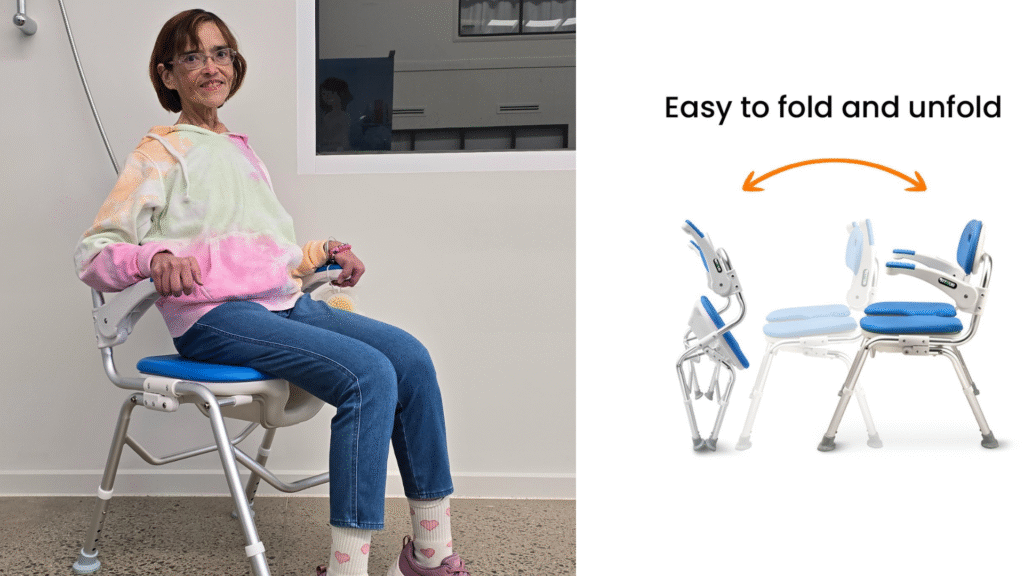
Finding the right shower chair isn’t just about comfort—it’s about safety, dignity, and independence. Whether you’re supporting an elderly loved one, an NDIS participant, or a person living with a disability, the right choice can make daily routines safer and easier. Assistive Tech Hub offers a wide selection of shower chairs and other mobility aids designed to meet various care needs and bathroom setups. But before you choose, it’s essential to understand what makes one shower chair better suited for your situation than another. Safety and Comfort in Bathroom Mobility The bathroom is one of the most common places for slips and falls, especially among seniors and people with reduced mobility. That’s why choosing a stable and supportive shower chair is vital. A reliable foldable shower chair offers both convenience and safety, allowing easy storage without compromising stability. For those who need extra flexibility, a 360° rotation shower chair ensures safer transfers and improved accessibility. Common Mistakes When Selecting Shower Chairs Many buyers focus on price alone and overlook critical features like non-slip feet, weight capacity, and adjustability. Others assume all shower chairs are the same—only to find out later that the one they purchased doesn’t fit their bathroom layout or the user’s mobility level. To avoid this, consult with an occupational therapist or explore our NDIS-approved shower chair options designed to meet safety and comfort standards. Key Features to Look For: Stability, Adjustability, and Ease of Use When evaluating shower chairs, prioritise: Stability and non-slip materials – Essential for preventing accidents. Height adjustability – Allows proper posture and safe transfers. Portability and foldability – Ideal for compact bathrooms or carers who need easy setup and storage. Water-resistant design – Ensures long-term durability. You can find all these features in our Foldable Shower Chair and 360° Rotation Shower Chair collections. NDIS, SWEP, and Allied Health Recommendations For individuals supported by the NDIS or SWEP, choosing an NDIS-approved shower chair ensures both compliance and safety. Occupational therapists often recommend specific shower aids that match the user’s balance, strength, and home environment. Our Assistive Tech Hub Store includes therapist-recommended products that meet Australian safety standards, offering peace of mind for both users and carers. Cost Implications of Choosing the Wrong Chair Buying the wrong shower chair can lead to unnecessary costs—either from replacing unsuitable equipment or from injuries that occur due to poor support. Investing in a sturdy, high-quality chair upfront helps prevent hospital visits and improves long-term comfort. Our affordable, NDIS-funded shower chairs provide great value without compromising on quality. Tips for Selecting the Right Shower Chair for Seniors and People with Disabilities Assess bathroom layout and water drainage before purchase Check for weight capacity and user height compatibility Consider models with padded seats or swivel functions for enhanced comfort Opt for foldable or portable designs for flexible use Request a home trial to ensure the chair suits the user’s needs Explore our full range of shower chairs and mobility aids to find the best fit for your care setup. Conclusion: Protect Health and Independence with the Right Shower Chair Choosing the right shower chair is about more than just convenience—it’s about creating a safe, comfortable, and independent environment for daily living. Whether you’re an NDIS participant, a carer, or a family member, the right equipment can make all the difference. Explore our Shower Chairs and Bathroom Mobility Solutions or Contact us for personalised advice and home trials every step of the way.

Why Choosing the Right Shower Chair Is More Important Than You Think Read More »

Toilet Rails: Functional Necessity or Oversold Product?

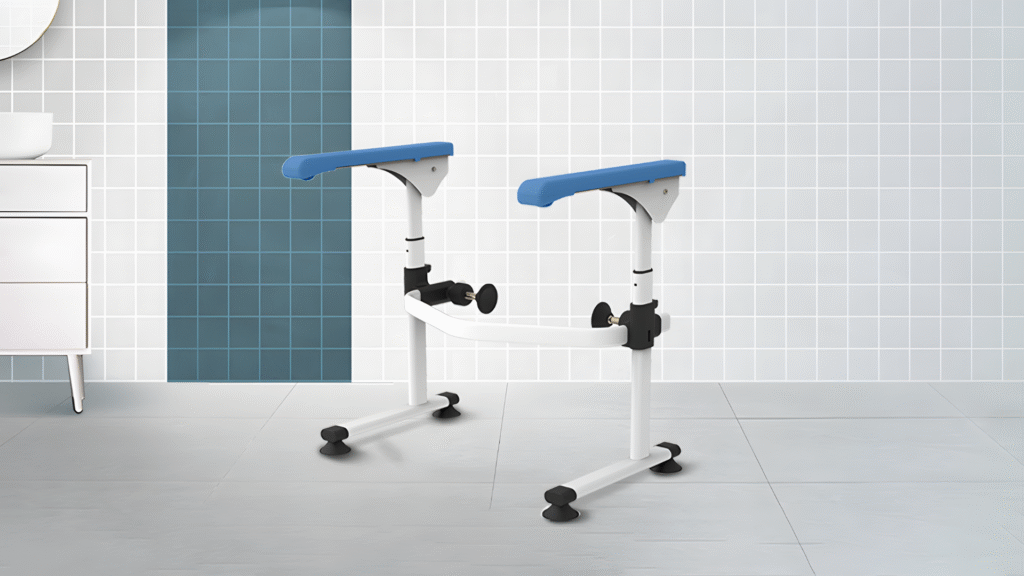
When it comes to bathroom safety, toilet rails often sit in the middle of debate—are they essential for safety or just another product being oversold? The truth is that for many seniors, carers, and people living with disabilities, toilet rails are more than just accessories—they’re life-changing supports that improve independence and reduce injury risk. At Assistive Tech Hub, we believe safety should never be an afterthought. Our toilet rails and other bathroom mobility aids are designed to meet the unique needs of NDIS participants, aged care facilities, and home users alike. The Importance of Bathroom Safety Bathrooms can be hazardous for older adults and people with mobility challenges. Slippery floors, awkward movements, and limited space increase the risk of falls—especially when transferring to and from the toilet. Installing a reliable toilet grab rail or adjustable toilet safety rail helps users maintain stability, independence, and dignity during one of the most personal daily routines. Common Misconceptions About Toilet Rails Some assume toilet rails are only necessary for those with severe disabilities or total mobility loss. In reality, these rails are beneficial for anyone with reduced strength, balance issues, or post-surgical recovery needs. A frequent misconception is that all rails are the same—but incorrect height, width, or placement can make them ineffective or even unsafe. Consulting an occupational therapist or NDIS provider before purchase ensures the rails meet the user’s needs and bathroom layout. Key Features and Standards to Consider (Height, Position, Adjustability) When selecting toilet rails, prioritise features that meet Australian standards and provide customisable safety: Height and width adjustability – Supports users of varying sizes and needs. Secure mounting options – Whether wall-mounted or floor-fixed, stability is key. Slip-resistant handles – Ensure firm grip even in wet environments. Compliance with Australian standards – Guarantees safety, quality, and reliability. Our Toilet Rail Collection includes models that meet these criteria, including compact drop-down toilet rails ideal for smaller bathrooms. NDIS, SWEP, and Allied Health Recommendations Under the NDIS assistive technology guidelines, toilet rails are recognised as essential safety equipment for those at risk of falls or requiring mobility support. Occupational therapists often include these aids in home modification plans to improve accessibility and independence. Our NDIS-approved toilet rails are designed to align with SWEP funding and allied health recommendations, ensuring compliance and peace of mind for both participants and carers. Cost vs. Benefit: When Toilet Rails Make Sense While some may hesitate to invest in bathroom safety equipment, the cost of falls or injuries can far exceed the price of a simple assistive aid. Installing toilet rails is a small step that prevents costly hospital visits and supports safer long-term independence. If you’re unsure which option fits best, explore our affordable toilet hand rails designed to suit every level of mobility and home environment. Tips for Selecting the Right Toilet Rails for Elderly and Disabled Users Measure toilet height and available space before purchase Choose rails with adjustable height and grip width Opt for drop-down or foldable models for shared bathrooms Verify that materials are corrosion-resistant and easy to clean Seek an occupational therapy assessment for correct positioning You can find a range of suitable options in our Assistive Tech Hub Store, where every product is designed for comfort, safety, and long-term use. Conclusion: Enhance Safety and Independence with the Right Toilet Rails Toilet rails aren’t just an optional extra—they’re an investment in safety, dignity, and independence. Whether you’re a carer, an NDIS participant, or supporting a loved one at home, the right rails can make daily life significantly safer and easier. Explore our Toilet Rails and Bathroom Safety Solutions or Contact us for expert advice and installation guidance every step of the way.

Toilet Rails: Functional Necessity or Oversold Product? Read More »

How Families Can Advocate for the Right Equipment for Loved Ones

Introduction: Every Individual Has Unique Needs When it comes to assistive technology, there’s no such thing as a “universal fit.” Every person’s body, ability, and lifestyle are unique — and their assistive equipment should reflect that. Yet, many customers are still being offered one-size-fits-all assistive technology, from mobility aids to daily living devices, that simply don’t meet their actual needs. At Assistive Tech Hub, we see this every day: someone buys a walker, power wheelchair, or smart bed that looks perfect online, only to discover it’s uncomfortable, hard to control, or too heavy to transport. The truth is simple — assistive tech should be as unique as the person using it. That’s why we encourage every customer to explore our store, where products are designed for different body types, medical conditions, and living environments. The right fit goes beyond comfort — it’s about maintaining independence, dignity, and safety. The Problem with Standardised Solutions in Assistive Tech The idea of “one-size-fits-all” might work for a hat or scarf, but it falls short when it comes to something as personal as assistive technology.Devices like wheelchairs, shower commodes, adjustable beds, and walking aids must suit each user’s specific measurements, mobility level, and physical needs. Standardised solutions ignore critical factors such as: User height, weight, and body proportions Posture support and positioning requirements Indoor or outdoor usage Power needs and battery life for powered mobility aids Environmental layout (home space, ramps, flooring) When these factors aren’t considered, the equipment becomes more of a burden than a solution. At Assistive Tech Hub, our mission is to make sure Australians get assistive tech that doesn’t just “fit” — it works for them. Our team offers free in-home trials and professional advice to ensure every purchase supports both comfort and mobility goals. Physical and Functional Mismatches One of the biggest dangers of one-size-fits-all assistive devices is poor physical fit. A wheelchair that’s too wide may cause posture issues, while a frame that’s too tall can increase fall risk. Similarly, power wheelchairs that are too heavy or lack proper maneuverability can cause fatigue or make it hard to navigate tight spaces. These functional mismatches affect not only safety but also long-term health. Poor ergonomics can lead to shoulder strain, back pain, or uneven weight distribution. For seniors and NDIS participants with conditions like arthritis, stroke, or multiple sclerosis, the right measurements and adjustability can make all the difference in comfort and confidence. Our powered wheelchair collection and adjustable recliners are designed with these concerns in mind — lightweight, sturdy, and adjustable to individual needs. You can also visit our home page to explore guides and insights on how to choose safe assistive equipment for daily living. Emotional and Psychological Impacts of Poor Fit The wrong assistive device doesn’t just affect the body — it impacts the mind too. Many users who end up with unsuitable products report feelings of frustration, embarrassment, and loss of independence. When a product doesn’t perform as promised, it can lead to disappointment and decreased motivation to use it at all. For caregivers and families, it can be heartbreaking to see loved ones struggle with equipment that was supposed to make life easier. A device that doesn’t fit properly can make users feel dependent again, reversing progress toward independence. That’s why our approach at Assistive Tech Hub focuses on empowerment. We provide personalised assessments and expert consultations so users feel confident that their chosen mobility aid supports their lifestyle, not limits it. Financial Waste and Abandonment of Equipment A poorly chosen assistive device isn’t just inconvenient — it’s a costly mistake.Australians spend thousands of dollars on mobility aids each year, yet many of these products are abandoned within months because they don’t suit the user’s actual needs. Financial losses can come from: Replacing unsuitable devices Modifying products that were never right to begin with Additional healthcare costs from discomfort or injury These are preventable expenses. By consulting a professional or accessing NDIS guidance before purchasing, users can ensure their investment truly enhances mobility and comfort. At Assistive Tech Hub, we offer NDIS-approved, trial-friendly products — from lightweight mobility aids to home care equipment — designed to reduce long-term waste and increase satisfaction. How Personalised Assessments Improve Outcomes The key to success in assistive technology is personalisation. No two individuals share the same daily routines, health goals, or physical conditions, so why should their mobility solutions be identical? Personalised assessments take into account: The user’s mobility level and strength Home environment (stairs, flooring, outdoor access) Cognitive ability and control preferences Carer involvement and transport needs When these factors are evaluated by professionals or trusted providers, users end up with products that are more comfortable, safe, and long-lasting. You can request an in-home product trial through our store or speak with our friendly team through the Contact Us page. We’ll help you find the right match — whether that’s a compact power chair, an adjustable bed, or a bathroom aid designed for safety and independence. The Role of NDIS and Professional Guidance in Custom Choices The NDIS (National Disability Insurance Scheme) plays a key role in helping Australians access personalised assistive technology. With the right guidance, participants can secure funding for equipment that aligns with their specific goals — from mobility and independence to home comfort and carer support. Working with NDIS-registered providers ensures every purchase meets both funding and functional requirements. At Assistive Tech Hub, our team assists participants, occupational therapists, and families throughout the entire process — from product selection and assessment to delivery and aftercare. Our NDIS assistive tech guide explains how to make the most of your plan while avoiding the pitfalls of generic, unsuitable devices. We take pride in being a trusted name in Australia’s mobility and disability equipment industry, focused on comfort, reliability, and independence. Conclusion & Key Takeaways The phrase “one-size-fits-all” might sound convenient, but in assistive technology, it simply doesn’t work. Every user deserves equipment that supports their unique needs, environment, and lifestyle. Key Takeaways: One-size-fits-all assistive

How Families Can Advocate for the Right Equipment for Loved Ones Read More »

Compare Products

Scroll to Top