Assistive Tech Hub

How Shopping Centres in Perth Are Becoming More Inclusive

Perth is experiencing a positive shift toward inclusive retail, as more shopping centres upgrade their facilities to cater to people with disabilities, seniors, and mobility aid users. But despite these improvements, many shoppers still face challenges navigating crowded stores, narrow aisles, or inaccessible entrances. For individuals using wheelchairs, scooters, or walkers, a single step, a poorly designed ramp, or a lack of automatic doors can turn shopping into a stressful experience. This is why Perth malls are investing in better accessibility, assistive technology, and staff awareness programs. At Assistive Tech Hub, we work closely with malls and retail operators to provide mobility solutions and practical guidance that make inclusive shopping a reality for all. The Need for Accessible Retail Spaces in WA Western Australia is home to a growing population of elderly and mobility-impaired residents. According to local data, thousands of Perth residents rely on wheelchairs, scooters, or walking aids in their daily lives. Without proper accessibility: Shoppers may avoid certain malls, reducing foot traffic and revenue. Carers and family members face extra strain, making trips shorter or less frequent. Retailers risk complaints or legal issues under the Disability Discrimination Act (DDA). Making a mall inclusive from entrance to checkout is not just ethical—it benefits the entire retail ecosystem. Recent Accessibility Improvements in Perth Malls In recent years, several Perth shopping centres have begun enhancing their accessibility features, including: Automatic sliding doors and wider entrances for wheelchair and scooter users. Improved ramp gradients and elevator access connecting multi-level retail spaces. Accessible restrooms and parent rooms with adequate maneuvering space. Reserved mobility parking spots closer to entrances. In-mall mobility services, such as loanable wheelchairs and scooters. These upgrades make shopping less stressful and more welcoming for people of all abilities. Assistive Technology and Staff Training Programs Technology plays a key role in retail accessibility. Malls in Perth are integrating: Powered wheelchairs and mobility scooters for customer use. Clear digital and tactile signage for those with visual impairments. Accessible trolleys and baskets designed for wheelchair attachment. Equally important is staff training. Even with the right equipment, shoppers need knowledgeable employees who: Understand how to assist wheelchair and scooter users safely. Can offer directions to accessible entrances or facilities. Are aware of inclusion policies to ensure every visitor feels respected. Assistive Tech Hub helps malls choose reliable equipment and provides training recommendations to maintain high accessibility standards. Case Studies: Leading Inclusive Centres in Perth Some Perth malls are already setting the benchmark for inclusive shopping: Lakeside Joondalup Shopping City – Offers wheelchair and scooter hire, plus multiple accessible restrooms. Westfield Carousel – Features wide aisles, multiple lifts, and mobility parking bays for easier access. Karrinyup Shopping Centre – Recently upgraded with improved signage, automatic doors, and loanable mobility aids. These examples show that investing in accessibility leads to better community reputation and higher shopper satisfaction. What More Needs to Be Done While progress is visible, many Perth malls still have room to improve. Common gaps include: Limited in-mall mobility equipment, leaving some visitors without support. Cluttered aisles and temporary displays that block wheelchair navigation. Insufficient signage guiding shoppers to elevators or accessible restrooms. Solutions include expanding mobility aid availability, regular accessibility audits, and partnering with local experts to maintain compliance with AESMM 2025 and the DDA. FAQs Do all Perth shopping centres provide wheelchairs or scooters?Not all. Larger centres usually offer loanable equipment, but availability varies, so it’s best to check in advance. How can I request accessibility assistance while shopping?Visit the customer service desk or call ahead to arrange wheelchair or scooter use and confirm parking options. Are Perth malls legally required to be accessible?Yes. Under the Disability Discrimination Act (1992), businesses must provide equal access to facilities and services. Moving Perth Retail Toward Full Inclusion Perth’s journey toward fully inclusive shopping is ongoing, but the momentum is clear. By combining assistive technology, thoughtful design, and trained staff, shopping centres can enhance experiences for every visitor. Explore our mobility and accessibility solutions or contact Assistive Tech Hub to create a more inclusive retail environment for Perth shoppers.

How Shopping Centres in Perth Are Becoming More Inclusive Read More »

How to Choose the Right Assistive Device for Your Retail Needs

Retail spaces in Australia are becoming more inclusive and mobility-friendly. From shopping centres to local stores, customers now expect accessible facilities and equipment that make shopping easier for everyone. But for many retail owners and mall managers, choosing the right assistive devices can be challenging. At Assistive Tech Hub, we guide retailers in selecting and maintaining the best mobility equipment to meet customer needs while improving store accessibility. Why Accessibility in Retail Matters Accessibility is not just a legal responsibility under the Disability Discrimination Act (DDA). It is also good business. When a store is easy to navigate for all shoppers, including wheelchair and scooter users, it: Increases foot traffic and dwell time. Builds customer loyalty and positive word-of-mouth. Reduces accidents and complaints related to poor access. Shoppers who face difficult aisles, heavy doors, or a lack of mobility equipment may choose to shop elsewhere. Common Assistive Devices for Retail Environments Retailers can provide several types of assistive devices to improve accessibility: Manual Wheelchairs – Lightweight, foldable models for short-term in-store use. Powered Wheelchairs – Compact, battery-powered chairs ideal for indoor navigation. Mobility Scooters – Best for longer trips around larger malls, but require space to maneuver. Walker Frames and Rollators – Perfect for elderly shoppers needing light support. Accessible Trolleys or Baskets on Wheels – Help shoppers carry items safely while using mobility aids. Explore our mobility solutions to see which devices work best for your retail space. Key Factors to Consider Before Buying or Renting Before investing in assistive technology for your retail space, consider these points: Store Layout and Space: Compact or narrow stores benefit from lightweight or foldable wheelchairs rather than large scooters. Customer Demographics: Malls with elderly shoppers or NDIS participants may need a mix of scooters and powered chairs. Maintenance Requirements: Devices with low upkeep and easy charging are better for busy malls. Battery Life and Reliability: Essential for powered chairs and scooters to last a full shopping day without interruptions. Safety Features: Anti-tip wheels, easy controls, and stable seating prevent accidents. Matching Equipment to Customer Needs Not every shopper has the same mobility requirement. Here are some common matches: Quick visits or tight stores → Manual or lightweight powered wheelchairs. Long mall visits or wide retail spaces → Compact mobility scooters with strong battery life. Assistance for elderly or fatigued shoppers → Rollators or store-provided rest stops along with mobility aids. Providing the right mix ensures every shopper can move comfortably and safely. Vendor Selection and After-Sales Support Buying the device is only half the process. Reliable vendors should offer: Warranty and servicing options. Training for staff on safe device handling. Spare parts and accessories for quick repairs. Recommendations based on store size and layout. At Assistive Tech Hub, we not only supply top-rated wheelchairs and scooters, but also advise on the best mix of devices for your specific retail environment. Browse our products or contact our team for expert recommendations. FAQs Should I buy or rent mobility devices for my store?Smaller stores often rent or lease devices, while large malls benefit from owning and maintaining their fleet. What is the most common assistive device for Australian malls?Compact powered wheelchairs and mobility scooters are the most popular due to their ease of use indoors. How often should devices be serviced?Check equipment daily for basic safety, and have professional servicing every 3–6 months. Make Your Store More Accessible Today Providing the right assistive devices not only helps your customers shop comfortably but also strengthens your store’s reputation as inclusive and forward-thinking. Explore our top-rated mobility solutions or talk to our retail accessibility team for personalised advice.

How to Choose the Right Assistive Device for Your Retail Needs Read More »

Maintenance Tips for In-Mall Assistive Technology

Shopping centres that provide mobility aids like wheelchairs, mobility scooters, and powered chairs offer a more inclusive shopping experience. However, offering these services is only effective if the equipment is well-maintained and safe to use. Poorly serviced devices can lead to breakdowns, injuries, and frustrated shoppers. At Assistive Tech Hub, we help malls and retailers keep their assistive technology reliable. Here are simple, actionable maintenance tips to ensure your mobility equipment stays in top condition. Why Regular Maintenance Is Critical Mobility equipment in shopping centres is used daily by multiple shoppers. Without routine checks: Scooters and powered wheelchairs can lose battery life or stall mid-trip. Dirty or damaged devices increase the risk of accidents. Shoppers may lose trust in your services, reducing repeat visits. A regular maintenance plan ensures your mall is safe, reliable, and disability-friendly. It also extends the lifespan of your equipment, saving on costly replacements. Daily vs Weekly Upkeep Checklist Daily Checks: Ensure all mobility devices are fully charged. Inspect wheels and brakes for visible damage. Clean high-touch areas like armrests and handles. Confirm devices are ready for immediate use. Weekly Checks: Check battery health and connections. Test horns, lights, and controls on powered chairs and scooters. Tighten any loose screws or joints. Record usage and any reported issues in a simple logbook. Common Issues and How to Spot Them Early Shopping centre staff should be alert for: Sluggish movement or sudden stops – often a battery or motor issue. Squeaky or stiff wheels – may indicate dirt buildup or a need for lubrication. Error lights or unresponsive controls – electrical problems that need service. Visible cracks or seat wear – can affect user safety and comfort. Catching these early prevents costly repairs and keeps your shoppers happy. Cleaning and Battery Care Best Practices Use mild cleaners for frames and seats. Avoid water near electronics. Store devices in a cool, dry space when not in use. Charge batteries after every use, but avoid overcharging. Rotate devices if you have several to ensure even wear and usage. When to Replace or Upgrade Equipment Even with proper care, all mobility devices wear out over time. Signs it may be time to replace or upgrade include: Frequent battery replacements or motor failures. Frames or seats that can’t be safely repaired. Increased downtime and repair costs. Investing in newer, lightweight models improves user experience and ensures compliance with Australian accessibility standards. At Assistive Tech Hub, we provide powered wheelchairs, mobility scooters, and spare parts designed for retail and mall use. Explore our mobility solutions or contact our team for expert advice. FAQs How often should mall mobility aids be serviced? Basic checks should be daily, with a professional inspection every 3–6 months. Can staff handle all maintenance tasks in-house? Staff can do basic cleaning and battery checks, but motor or electrical issues need a technician. How long do mobility scooter batteries last? On average, 12–18 months, depending on usage and proper charging habits. Keep Your Mall Mobility-Ready Routine maintenance keeps your assistive technology safe and reliable for every shopper. It improves customer satisfaction, prevents unexpected breakdowns, and protects your investment. Need help maintaining your equipment? Contact our support team today or browse our mobility solutions to upgrade your fleet.

Maintenance Tips for In-Mall Assistive Technology Read More »

Top 5 Powered Wheelchairs for Australian Retail Environments

Shopping in busy malls can be challenging for people with mobility limitations. Wide aisles, multiple levels, and long walking distances can make the experience tiring or even impossible without the right equipment. Retail environments that want to be truly inclusive need powered wheelchairs designed for indoor navigation. At Assistive Tech Hub, we provide mobility solutions that make shopping more comfortable, efficient, and accessible for everyone. Whether you are a mall operator looking to improve accessibility or a shopper searching for the best powered wheelchair, these models are designed to fit the unique needs of Australian retail spaces. Why Retail Environments Require Specialized Powered Wheelchairs Not every powered wheelchair is ideal for indoor retail use. Malls and shops often have: Tight store aisles and corners that make large scooters hard to maneuver Crowded walkways during peak hours Multiple floor levels requiring easy lift access Prolonged shopping trips, which demand comfort and reliable battery life A powered wheelchair that is lightweight, compact, and easy to control is essential for both the user’s comfort and the mall’s accessibility. Key Features to Look For in Retail-Friendly Powered Wheelchairs When choosing a wheelchair for shopping centres, consider: Compact Size and Turning Radius – Easily navigate narrow aisles and elevators. Lightweight and Foldable Options – Convenient for storage and transport. Comfort for Extended Use – Reclining features and proper cushioning make long trips easier. Battery Life – Reliable power to last through a full shopping day. Durability and Indoor-Friendly Design – Wheels and frames designed for smooth indoor surfaces. Our Top 5 Powered Wheelchair Picks for 2025 Here are the models we recommend for Australian shopping centres and retail environments: 1. Lightweight Carbon Fibre Power Wheelchair Why it’s great for malls: Its carbon fibre frame is ultra-light yet sturdy, making it easy to navigate crowded aisles. Key features: Easy to fold and transport Strong and lightweight Smooth handling for indoor use Best for: Frequent shoppers who need independence without the bulk. Explore it: View in store 2. Fully Automatic Reclining Power Wheelchair Why it’s great for malls: Ideal for long shopping days where comfort is a priority. Users can recline and adjust seating without manual effort. Key features: Automatic reclining function Padded seat and leg support Easy joystick control Best for: Shoppers who require comfort and pressure relief during extended trips. Explore it: View in store 3. Growmate Paediatric Wheelchair Why it’s great for malls: Perfect for children who need mobility support during family outings. Compact and safe for retail environments. Key features: Child-friendly design Lightweight and easy to push or control Fits through standard retail aisles Best for: Families with children who require mobility assistance. 4. Carbon Fibre Foldable Travel Chair (from lightweight series) Why it’s great for malls: Its foldable design makes it a breeze to store in a car boot or carry through tight mall spaces. Key features: Lightweight, durable carbon fibre frame Compact folding mechanism Smooth wheels for tiled surfaces Best for: Shoppers who frequently move between home, car, and mall. 5. Powered Wheelchair with Comfort Cushion Upgrade Why it’s great for malls: A standard powered chair enhanced with supportive seating, helping reduce fatigue during shopping trips. Key features: Indoor maneuverability Comfortable seating with optional cushion Easy battery management Best for: Users prioritizing comfort in moderate shopping trips. Quick Comparison Table Wheelchair Model Weight / Frame Best Feature for Retail Price (AUD) Lightweight Carbon Fibre Ultra-light carbon fibre Easy indoor navigation $3,500 Fully Automatic Reclining Sturdy steel/aluminium Reclines automatically for comfort $2,700 Growmate Paediatric Compact & child-safe Family-friendly mobility $1400 Carbon Fibre Foldable Travel Chair Foldable carbon fibre Compact for car & small aisles $3500 Accessibility Benefits for Centres and Shoppers Improve visitor satisfaction and repeat visits Enhance mall inclusivity and brand reputation Ensure compliance with Australian accessibility standards Encourage longer and more comfortable shopping trips, which boost sales Final Thoughts Investing in the right powered wheelchair can transform how shoppers experience your retail environment. A comfortable, compact, and reliable chair doesn’t just benefit the user—it improves traffic flow, safety, and overall customer loyalty. Ready to make your mall or shopping trip more accessible? Explore powered wheelchairs designed for Australian retail Contact us for expert recommendations or bulk orders. FAQs Which powered wheelchair is best for tight store spaces? The Lightweight Carbon Fibre Power Wheelchair is compact, easy to maneuver, and fits through narrow aisles. Can malls provide powered wheelchairs for shoppers? Yes, and many now do. Offering lightweight, indoor-friendly models improves access and keeps shoppers comfortable. Are powered wheelchairs safe in busy malls? Yes. Choose models with good turning control and stable wheels for safe indoor use. Do they fit standard doors and elevators? Most retail-friendly wheelchairs are built to fit standard Australian entrances and lifts. How are powered wheelchairs different from mobility scooters? Wheelchairs are better for indoor use. Scooters are best for longer, outdoor trips, but larger models may struggle indoors.

Top 5 Powered Wheelchairs for Australian Retail Environments Read More »

Best Mobility Scooters for Shopping Centres – 2025 Edition

Navigating shopping centres can be overwhelming when you have limited mobility. From tight turns to long walkways, even the most accessible centres can still pose challenges. That’s where the right mobility scooter becomes essential. But here’s the catch—not all mobility scooters are designed for the fast-paced, crowded environment of a retail space. Oversized scooters can be difficult to steer, and low-range models may not keep up during longer visits. Choosing the wrong one can turn a shopping trip into a frustrating experience. In this guide, we’ll walk you through what to look for in a mobility scooter tailored for retail environments and share our top picks for 2025 to help Australians move around malls with ease and comfort. What Makes a Mobility Scooter Ideal for Shopping Centres? Mobility scooters used in shopping centres must handle a unique mix of conditions. These include navigating around shelves, fitting into lifts, and having reliable battery life to support extended use. An ideal scooter for mall use is: Compact: Easy to steer around corners and through busy aisles Lightweight: Easier to store or fold when needed Battery-efficient: Supports longer retail trips without worry Comfortable: Includes cushioned seating, adjustable handles, and stable wheels Key Features to Look For When choosing the best mobility scooters for retail centres, focus on these essential features: 1. Maneuverability Look for a tight turning radius and responsive steering. A scooter that turns easily in narrow spaces is crucial for busy centres. 2. Battery Range Shopping centres can be larger than expected. Choose a scooter with a battery that lasts at least 15–20 km on a single charge. 3. Weight Capacity and Portability Make sure the scooter can support the user’s weight comfortably. If transport or storage is needed, look for foldable or disassemblable designs. 4. Seating and Comfort For longer shopping trips, padded and adjustable seats make a big difference in user comfort. Suspension systems also help reduce jarring during movement. How to Choose the Right Scooter for Your Retail Location If you’re a shopping centre owner or NDIS coordinator, choosing the right scooter for your facility involves more than just specs. Consider: The layout of your centre: Are there ramps, lifts, or narrow corridors? User needs: Will the scooters be shared among multiple users? Maintenance requirements: Choose models with easy-to-replace parts Some retail centres also offer mobility scooter hire. If you’re managing this, go for models with simple interfaces and standard safety features. We can help advise you on bulk orders or custom fleet solutions. FAQs About Shopping Centre Mobility Scooters Can these scooters be used outdoors too? Yes, most models are versatile enough for mall and short outdoor travel. But for uneven terrain, you may want something more rugged. Are shopping centre scooters covered by the NDIS? NDIS may cover personal-use scooters if they meet the participant’s mobility needs. For centres offering public access scooters, this may fall under business or operational expenses. What’s the weight limit for most compact scooters? Most range between 110 to 120 kg. But our mobility scooters can take up to 140 kg. Check each product’s specs for accurate support limits. Can scooters be folded or disassembled for transport? Many lightweight models come with foldable frames or detachable parts. This makes them easier to store in retail facilities or car boots. Do you offer delivery across Australia? Yes, we provide fast, Australia-wide delivery with accessible packaging and setup assistance. Your Next Step Towards Inclusive Retail Mobility At Assistive Tech Hub, we believe shopping should be accessible to everyone. That’s why we offer a range of lightweight and compact scooters tailored for use in malls, supermarkets, and retail centres. Our team works closely with NDIS participants, aged care facilities, and shopping centre managers to recommend the most suitable mobility options for every situation. Explore our full scooter range and contact us for a personalised recommendation or bulk order support. Let’s make Australian shopping centres more inclusive, one ride at a time.

Best Mobility Scooters for Shopping Centres – 2025 Edition Read More »

Lightweight Wheelchairs for Small Spaces: Our Top Picks

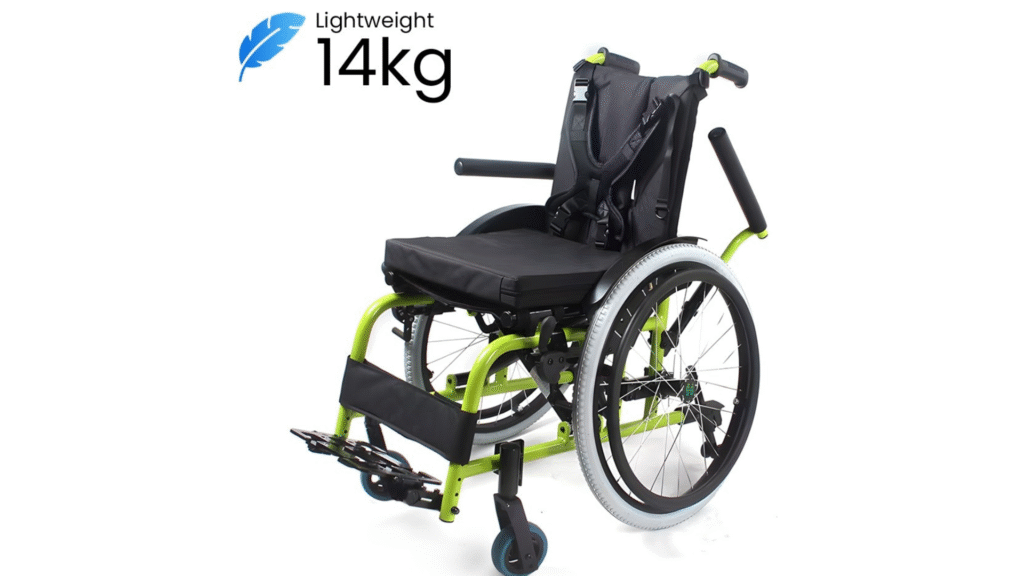
Navigating small spaces with a traditional wheelchair can be frustrating and exhausting. Whether it’s tight doorways at home, narrow store aisles, or compact public transport, large and heavy mobility aids can limit independence. That’s why choosing the right lightweight wheelchair isn’t just about convenience—it’s about reclaiming mobility in everyday life. In this blog, we explore what makes a wheelchair suitable for small spaces, who can benefit from them the most, and share our top picks tailored for Australian users. Why Size and Weight Matter in Wheelchair Design Many wheelchairs on the market are built for stability and durability, but not all are designed with space limitations in mind. Standard models may feel bulky in smaller homes, apartments, or crowded public areas. This becomes a challenge for those who want freedom of movement without assistance. A lightweight wheelchair helps solve this. These models are: Easier to carry or lift into cars or public transport Compact enough for narrow doorways or tight corridors More agile in retail spaces and busy environments Less physically demanding for carers to push or store Ultimately, they support better day-to-day independence—whether you’re shopping, traveling, or simply moving from room to room. Key Features to Look For in Compact Wheelchairs Not all lightweight wheelchairs are created equal. When shopping for one, consider: Total weight: Ideal models weigh under 18kg. Foldability: A quick-fold frame is crucial for storage and travel. Overall width: Narrower than 60cm fits most doorways comfortably. Arm and footrest design: Detachable or swing-away parts improve transfer ease. Durability: Look for a strong yet lightweight frame, such as carbon fibre or aluminum. Adjustability: Backrest angle, seat height, and handles should adapt to different needs. Who Should Consider Lightweight or Foldable Chairs? Lightweight, compact wheelchairs are particularly beneficial for: Seniors living in apartments or aged care where space is tight NDIS & Aged Care Participants looking for a second wheelchair for errands or travel Frequent commuters and travelers needing a chair that’s easy to store Caregivers who need to lift or fold a chair regularly Shoppers and mall-goers navigating crowded retail spaces They are also ideal for temporary recovery or as a backup to larger powered models. Where to Buy Reliable Small-Space Wheelchairs in Australia At Assistive Tech Hub, we specialise in mobility aids that are not only functional but also designed to suit modern Australian lifestyles. Our lightweight wheelchair range has been handpicked based on: User feedback from real Australians Accessibility challenges reported in urban homes and shopping centres Durability and performance across different terrains Browse our collection online or speak to our team for personalised support. We understand that every space and user is different—and we’re here to help you find the right fit. FAQs Are lightweight wheelchairs less durable than standard ones? Not necessarily. Many are made from advanced materials like aircraft-grade aluminum or carbon fibre, making them both sturdy and light. Can I use a lightweight wheelchair outdoors? Yes, but check the wheel size and suspension. Some models are best for smooth indoor surfaces, while others handle uneven ground better. Do I need an NDIS plan to buy one? No, but if you have an NDIS plan, we can help you access funding for suitable wheelchair models. What’s the difference between a travel chair and a compact wheelchair? Travel chairs often lack full features like adjustable armrests or brakes. Compact wheelchairs provide more comfort and control while still being portable. How can I test a wheelchair before buying? We offer free in-home trials in select areas and a disability-friendly showroom in Melbourne. Book a consultation here. Let’s Find Your Fit Small spaces shouldn’t mean small freedom. The right wheelchair can help you live more independently, comfortably, and confidently—whether at home, on the move, or out shopping. At Assistive Tech Hub, we make mobility more manageable. Shop our lightweight wheelchair collection or get in touch with our team to find the best option for your needs

Lightweight Wheelchairs for Small Spaces: Our Top Picks Read More »

Creating an Inclusive Shopping Experience: Staff Training Tips

Inclusive shopping isn’t just about ramps and wide aisles. It’s about people. For many Australians with disabilities, the biggest barrier in a shopping centre isn’t the physical layout—it’s the lack of informed, respectful customer service. Poorly trained staff can unintentionally create uncomfortable, frustrating, or even discriminatory experiences that drive customers away. If retail teams aren’t prepared to interact confidently and sensitively with all customers, accessibility efforts fall flat. That’s why inclusive customer service training isn’t optional, but it’s essential. Let’s explore how to turn your staff into confident accessibility champions and why this shift is good for people, brand trust, and your bottom line. Why Inclusive Customer Service Matters Customer-facing staff are the frontline of the retail experience. Whether it’s a security guard, cashier, store assistant, or greeter, their actions shape how welcome a person feels. Disability-inclusive shopping is about more than compliance. It’s about respect, independence, and dignity. When staff understand how to serve everyone—regardless of mobility, vision, hearing, or cognitive differences—customers feel safe, valued, and more likely to return. Positive, accessible customer service boosts: Customer loyalty Word-of-mouth recommendations Reputation in the local community Compliance with the Disability Discrimination Act (DDA) Common Accessibility Mistakes Staff Make Even well-meaning employees can unintentionally exclude customers. Some common issues include: Talking to a companion or carer instead of directly addressing the person with a disability Offering unsolicited physical help without asking Blocking accessible paths with signage or stock Making assumptions about someone’s abilities based on appearance Lacking knowledge of how to operate accessibility features in-store These moments may seem small, but they can have a lasting negative impact. Core Elements of Disability-Awareness Training Effective training doesn’t require a huge budget. It starts with understanding. Here’s what your program should cover: 1. Understanding Different Types of Disabilities Introduce staff to physical, sensory, cognitive, and hidden disabilities. Help them understand that not all disabilities are visible. 2. Communicating with Confidence Teach respectful, person-first language. Give staff scripts and phrases that help them approach customers appropriately and without fear of offending. 3. Recognising and Removing Physical Barriers Train staff to identify common accessibility issues—blocked ramps, high counters, hard-to-reach items—and how to address them promptly. 4. Emergency Procedures for All Ensure your team knows how to assist customers with disabilities during fire drills, evacuations, or other emergencies. Simple Etiquette When Assisting Shoppers with Disabilities Here’s a quick refresher on inclusive etiquette: Always ask before helping. A simple “Would you like assistance?” goes a long way. Speak directly to the customer. Never talk over them to their companion. Be patient. Allow time for communication, especially with people who use AAC devices or interpreters. Avoid assumptions. Not all wheelchair users need help. Not all disabilities are visible. Role-Playing and Scenario-Based Training Examples Real-world examples make training more effective. Include practice for situations like: A customer who is deaf and needs help understanding a store announcement A person using a powered wheelchair who asks for assistance reaching a shelf A parent of a child with autism navigating a sensory meltdown Role-plays prepare staff to respond calmly and helpfully. Use feedback sessions to highlight respectful, inclusive behaviours. Building Long-Term Awareness Culture in Retail Teams One-time training isn’t enough. Building a truly inclusive team means: Regular refresher courses Incentivising staff who champion accessibility Including inclusive practices in performance reviews Appointing an accessibility lead in each store or centre Fostering this culture means accessibility becomes embedded in everyday operations—not just an afterthought. At Assistive Tech Hub, We’re Here to Help We believe real inclusion starts with people. That’s why we support shopping centres and retail stores across Australia with accessible products and education. Whether you’re a national brand or a local shop, we offer: Free accessibility recommendations for retail teams Helpful resources and training tools Assistive technology designed for public spaces You can also explore our guide to Assistive Technology in Shopping Centres or reach out through our Contact Us page. Key Takeaways Staff training is the foundation of a welcoming, inclusive shopping experience Most accessibility mistakes are avoidable with the right education Empathy and preparedness improve customer loyalty and brand reputation FAQs Q: How often should retail staff receive disability-awareness training? A: Ideally, staff should receive annual training, with new employees trained during onboarding. Q: Do we need to hire outside experts for this training? A: Not necessarily. While experts help, you can start with in-house programs using guides, videos, and online tools from credible sources like disability organisations and the NDIA. Q: What if we don’t often serve customers with visible disabilities? A: Inclusion isn’t about who you see—many disabilities are invisible. Everyone benefits from a respectful, inclusive environment. Q: Does inclusive training really affect sales? A: Yes. Accessible service encourages repeat visits, boosts satisfaction, and supports your brand reputation. It also reduces the risk of discrimination complaints. Need help making your team more inclusive? Contact Assistive Tech Hub today for free training resources and inclusive retail tools. Let’s make Australian shopping centres welcoming for everyone.

Creating an Inclusive Shopping Experience: Staff Training Tips Read More »

Are Shopping Centres Really Accessible? We Investigate

What Does Accessibility Really Mean in a Shopping Centre? Accessibility in shopping centres goes far beyond having a ramp at the entrance or a designated parking spot. True accessibility ensures that people of all mobility levels, whether they use wheelchairs, mobility scooters, walkers, or have sensory impairments—can enter, navigate, shop, rest, and enjoy facilities safely and independently. Yet for many Australians with disabilities, the shopping experience is still full of barriers. From narrow aisles to the absence of mobility scooter parking, shopping centres often fall short of providing dignified access for everyone. Despite existing regulations, many centres don’t fully consider the real, everyday challenges that disabled shoppers face. Key Features That Should Be Present A truly inclusive shopping centre typically includes: Level entrances with automatic sliding doors Wide, obstruction-free walkways to accommodate mobility aids Accessible parking spaces near entrances Functional lifts and escalators with audible and tactile indicators Signage with high contrast and braille Mobility equipment hire stations like wheelchairs or scooters Rest areas and accessible toilets on every floor Shop entrances and layouts that are navigable for large mobility scooters These aren’t just “nice-to-haves”—they’re essential for providing equitable access. Common Accessibility Gaps We Found Even when some features are technically present, they often don’t serve their purpose effectively. Our observations and interviews with shoppers revealed several recurring issues: Mobility scooter users can’t enter some shops due to narrow doors or crowded layouts. Accessible toilets are limited, hard to find, or poorly maintained. Inadequate signage makes it hard for visually impaired shoppers to navigate. Accessible parking bays are frequently taken up by cars without permits. Lack of mobility hire stations leaves shoppers without options if they can’t bring their own aids. Even larger scooters often don’t fit into lifts, or the lifts are located far from key retail areas. For shoppers with fatigue or chronic conditions, walking extended distances just to reach accessibility features defeats the purpose entirely. Case Study: A Comparison of Two Australian Malls We visited two major shopping centres in Victoria: Centre A, which markets itself as inclusive, and Centre B, which has made limited claims around accessibility. Centre A: Dedicated mobility hire station near entrance Clear, frequent signage and digital directories with audio options Wide walkways, benches every 50 metres, and toilets on every floor Most shops accessible, with automatic or push-to-open doors Result: Shoppers reported a stress-free and dignified experience. Centre B: Only one accessible toilet (on a lower level) Poor lighting and no braille signage Cramped corridors and store aisles No scooter rentals Result: Many mobility aid users said they avoid the mall altogether. These findings show how shopping centres vary drastically in quality and consideration—even when following similar legal requirements. How Shoppers Can Advocate for Better Access Shoppers play a vital role in shaping more inclusive retail spaces. If you encounter accessibility issues, consider: Providing feedback directly to centre management. Raising concerns on social media or in community groups. Joining local accessibility advocacy organisations. Filing reports with your state’s anti-discrimination commission if you believe your rights under the Disability Discrimination Act 1992 have been violated. You can also refer shopping centres to services like Assistive Tech Hub’s accessibility consultation for support in improving their infrastructure. Practical Solutions for Mall Operators and Councils Let’s focus on what can be done to make retail spaces genuinely inclusive: Integrate accessible design from the start. Wide doorways, seamless flooring, and proper signage shouldn’t be afterthoughts. Provide mobility aids for rent or free use. Not all shoppers can bring their own equipment. Offer staff training on how to assist customers with different disabilities respectfully. Partner with accessibility consultants to audit existing infrastructure and make improvements. Promote a culture of accessibility. Inclusion should be part of your brand identity and daily operations. At Assistive Tech Hub, we work with shopping centres to enhance access through modern assistive technologies. From mobility scooters that glide through wide aisles to portable access ramps, we provide custom solutions tailored to each retail space. We also connect retailers to our expert partners who specialise in inclusive design and audits. Learn more here: Assistive Tech for Shopping Centres. Let’s Build More Accessible Shopping Together Accessibility is not a bonus—it’s a basic right. But achieving consistent, high-quality accessibility across Australian malls requires collective effort. If you’re a shopper, speak up. If you’re a mall operator or retailer, start auditing and improving your space today. Explore accessibility solutions for shopping centres at Assistive Tech Hub or contact our team for personalised advice. Have a shopping centre in mind that’s doing it right or wrong? Let us know. Together, we can make Australian retail better for everyone. FAQs Are shopping centres required by law to be accessible? Yes. Under the Disability Discrimination Act 1992, public spaces including shopping centres must provide reasonable access to people with disabilities. However, the degree of compliance varies widely in practice. Why are mobility scooters often hard to use in malls? Large scooters can be difficult to navigate in centres with narrow walkways or cluttered shop layouts. Many malls still cater primarily to foot traffic without considering powered mobility devices. Can I request an accessibility review for my local shopping centre? Yes. You can contact your centre’s management or suggest they consult with professional services like ours at Assistive Tech Hub. Reach out here. What should I do if I experience discrimination in a shopping centre? Document the incident and report it to the centre manager. If the issue isn’t resolved, you may file a complaint through your state’s Human Rights or Equal Opportunity Commission.

Are Shopping Centres Really Accessible? We Investigate Read More »

How Accessibility Improves Retail Sales and Customer Loyalty

Why Accessibility Matters in Retail Today Retail is evolving, and so are customer expectations. Shoppers aren’t just looking for trendy products or good prices—they’re also looking for inclusive, welcoming environments. For Australians with disabilities, visiting a shop or mall can still be a frustrating experience. Many retail spaces lack ramps, accessible change rooms, or proper signage. Others are physically difficult to navigate, especially for people using wheelchairs, mobility scooters, or walking aids. This isn’t just a social issue, it’s also a missed business opportunity. The Connection Between Access and Sales Accessibility directly impacts foot traffic, dwell time, and conversion rates. When your store is easy to navigate, more people can enter, stay longer, and buy with confidence. Consider this: There are over 4.4 million Australians living with a disability. That’s nearly 1 in 5 customers. When a store is inaccessible, shoppers may choose competitors who prioritise their needs. Families and carers often shop together, meaning one inaccessible experience affects multiple potential buyers. The business case is clear: the more accessible your space, the larger your customer base. How Inclusive Design Builds Customer Loyalty Accessibility improvements don’t just bring in new customers—they also encourage repeat business. Features such as automatic doors, wide aisles, and seated service counters show customers you value their comfort and autonomy. These seemingly small upgrades often lead to stronger emotional connections and lasting brand trust. When people feel respected and accommodated, they are far more likely to return and recommend your store to others. Accessibility also promotes equity. Older adults, parents with prams, and people with temporary injuries all benefit from inclusive design—further expanding your reach. Real-World Examples and Case Studies Across Australia, shopping centres and retail brands are seeing the benefits of prioritising accessibility. Westfield Shopping Centres have rolled out inclusive features like quiet rooms, accessible bathrooms, and clearly marked mobility parking. Kmart and Target have received praise for wide pathways and improved shelf access in select locations. Local boutiques that invest in simple fixes—like portable ramps or better lighting—report an increase in customer satisfaction and positive reviews. These changes don’t just help shoppers; they reflect forward-thinking business strategies. How to Start Making Your Store More Accessible You don’t need a massive budget to start improving accessibility. Begin with the basics: Clear pathways: Make sure aisles and entryways can accommodate wheelchairs or scooters. Accessible signage: Use large fonts, high contrast, and clear symbols. Seating areas: Provide rest stops for elderly or disabled shoppers. Training staff: Educate your team on inclusive customer service practices. You can also partner with accessibility consultants to audit your space or access grants that support disability-friendly upgrades. At Assistive Tech Hub, we support retailers with expert advice and practical tools. Our range of assistive technologies can help stores become more welcoming and functional for everyone. Whether you’re running a small boutique or managing a large shopping centre, we can help you meet both ethical and business goals. Where to Go From Here Accessibility is more than a checklist. It’s a long-term investment in your brand’s future. By making retail spaces easier to access, you’re not just following regulations—you’re building trust, growing your audience, and increasing revenue. Ready to take the next step? FAQs Why should I prioritise accessibility in my retail store? Because it expands your customer base, improves customer experience, and increases loyalty. Inclusive design supports ethical business practices and makes financial sense. What are the most impactful upgrades I can start with? Widening aisles, installing ramps, adding automatic doors, improving lighting, and training staff on inclusive service are excellent first steps. How can I check if my store meets accessibility standards? You can conduct an internal review using accessibility checklists, or work with professionals for a detailed audit. Is it expensive to make a store accessible? Many basic changes are affordable and cost-effective. The ROI often comes from increased foot traffic and repeat business. Where can I get help or advice? You can contact Assistive Tech Hub for support, product recommendations, and expert consultation. Let’s Build Inclusive Retail Together Don’t let accessibility be an afterthought. Make it part of your brand’s identity. Explore our assistive technologies for shopping centres, or reach out to our team for tailored guidance. Lead the way in inclusive retail, and join the movement now!

How Accessibility Improves Retail Sales and Customer Loyalty Read More »

A Shopper’s Guide to Disability-Friendly Malls in Australia

Why This Matters: The Problem with Standard Shopping Centres For many Australians living with disability, a simple shopping trip can feel like an obstacle course. Narrow aisles, broken lifts, awkward ramps, or the lack of proper signage and rest zones can turn a casual day out into a stressful, exhausting experience. And it’s not just the environment—size and layout also matter. Large malls may appear modern, but if they’re filled with tight turns, heavy doors, or inaccessible bathrooms, they become a challenge for people using mobility aids like wheelchairs or scooters. Even some of the most popular shopping centres struggle to accommodate those who rely on large mobility scooters, especially when navigating through crowded or poorly designed spaces. This mindset needs to change—and it starts with taking small steps. What Makes a Mall Disability-Friendly? A disability-friendly mall isn’t just one with a ramp at the entrance. True accessibility goes far beyond legal compliance and basic features. Inclusive shopping centres are designed with every user in mind. This means: Smooth, level flooring for ease of movement Wide automatic doors and spacious aisles Clearly marked accessible toilets and changing facilities Braille signage and auditory wayfinding systems Lift access to every level Ample disability parking near entrances Seating or rest stops throughout long hallways Friendly staff who understand and accommodate accessibility needs It’s about creating a shopping experience that feels normal, not difficult or exclusive. Key Accessibility Features to Look For If you’re planning a visit to a new shopping centre, here are features that help make a real difference: Accessible entrances that don’t require long detours Wide turning space for mobility scooters and wheelchairs Low-counter service areas in food courts and retail counters Accessible restrooms with adult change tables and support bars Tactile and visual signage for people with vision impairments In-mall mobility equipment rental such as scooters or wheelchairs Emergency systems that include audio and visual cues Drop-off zones that are safe and convenient for carers These features reduce stress and create a more dignified shopping experience. Top Shopping Centres That Are Getting It Right Australia is home to a growing number of malls that prioritise accessibility. Some noteworthy examples include: Chadstone Shopping Centre (VIC) One of the largest malls in the Southern Hemisphere, Chadstone offers wheelchair and scooter hire, adult change facilities, and wide, open-plan layouts. Westfield Chermside (QLD) This Brisbane mall has an excellent accessibility program, with mobility services, quiet rooms, and accessible lifts spread evenly throughout. Westfield Parramatta (NSW) With direct train access, mobility scooter rental, and updated accessible restrooms, this mall is making the shopping experience more inclusive. For more shopping centres improving their accessibility, check out our dedicated accessibility page. Tips for a Smooth and Inclusive Shopping Experience Whether you’re navigating the mall alone or supporting a loved one with a disability, here are practical tips to improve your next trip: Plan ahead by visiting the mall’s website or calling to ask about access options Use mobility aids that are suited to tighter mall layouts—smaller powered wheelchairs often navigate better than large scooters Park near disability entrances when possible, and check if drop-off zones are staffed Ask for assistance at concierge desks; many malls now offer accessibility escorts or concierge services Avoid peak hours to minimise crowds, especially when using larger scooters Note your rest points—some maps highlight quiet areas and seating spots How Assistive Tech Hub Helps At Assistive Tech Hub, we understand the everyday barriers people face. That’s why we provide solutions designed for comfort, ease, and accessibility. Looking for a smaller powered wheelchair that can turn tightly in crowded shops? Or maybe a travel-friendly mobility scooter that’s lightweight and easy to transport? Our range includes thoughtfully designed equipment ideal for shopping centres and public spaces. Visit our assistive technology for shopping centres page or contact our team for support tailored to your needs. What’s Next? Build a More Inclusive Retail Experience Everyone deserves to enjoy the freedom of choice and the pleasure of a simple shopping day. As more malls improve their design, signage, and support, accessibility will become the norm and not a bonus. Let’s continue building awareness and pushing for better design. Share this guide with friends, carers, and community groups. And if you know of a mall doing accessibility right, let us know—we’d love to share it with others. FAQs What is a disability-friendly mall? It’s a shopping centre designed to be accessible to people with physical, sensory, or cognitive impairments. These malls go beyond compliance and offer features like wide walkways, accessible restrooms, and supportive services. Can I bring my own scooter to a shopping centre? Yes. Most malls welcome personal mobility aids. However, large scooters may find it difficult to navigate smaller stores or tight corners. You may want to consider smaller or foldable options. Are there Australian laws that require malls to be accessible? Yes. The Disability Discrimination Act 1992 requires public places, including shopping centres, to provide equal access. However, how well this is implemented can vary. What do I do if I experience discrimination or barriers at a mall? Start by reporting it to mall management. If the issue isn’t resolved, you can lodge a complaint with the Australian Human Rights Commission. Do malls rent mobility scooters or wheelchairs? Many larger malls offer these services free or for a small fee. Contact the centre in advance to check availability and reserve equipment.

A Shopper’s Guide to Disability-Friendly Malls in Australia Read More »

Compare Products

Scroll to Top