Introduction: Living with Paralysis at Home in Australia
Living with paralysis—whether caused by spinal cord injury, stroke, trauma, or a progressive neurological condition—brings daily challenges that many people don’t see. Simple tasks like sitting up, changing positions, or adjusting the height of a bed may require constant assistance from family, carers, or support workers. For many Australians, especially NDIS participants and people living with mobility limitations, the goal is to be as independent and safe as possible at home.
This is where modern assistive technology, particularly voice-operated adjustable beds, can make an immediate difference. With options available across Victoria through the Assistive Tech Hub homepage, more people can access equipment that improves comfort, independence, and day-to-day safety.
What Are Voice-Operated Hi-Low Beds?
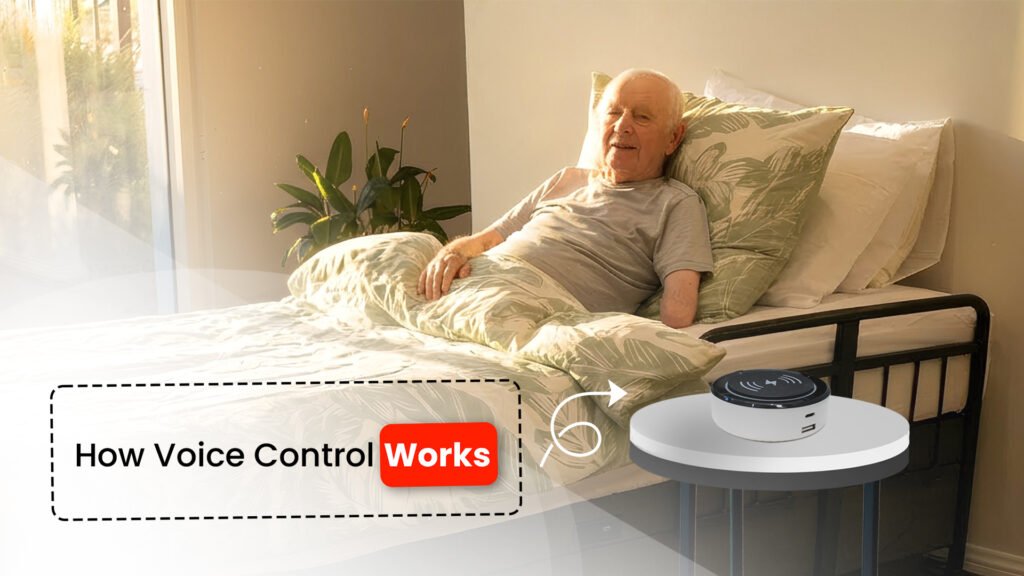
Voice-operated hi-low beds are electric adjustable beds designed to move using spoken commands. Instead of pressing buttons or lifting heavy levers, the user can simply say a command like “raise the bed” or “lower the head section.”
These beds, such as the Voice-Control Homecare Hi-Low Bed, combine height adjustment, head elevation, foot elevation, and built-in safety features—all controlled hands-free.
They are part of a growing category of assistive technology beds in Victoria, helping Australians live more comfortably at home.
Challenges People with Paralysis Face in Daily Bed Mobility
People with paralysis often face:
• Difficulty sitting up independently
• Limited hand or finger control, making remotes hard to use
• High fall risk during transfers
• Pain or discomfort from staying in the same position
• Increased pressure injury risk
• Carer fatigue during repeated manual adjustments
A regular electric bed still requires pressing buttons on a remote, which may not be possible for someone with limited grip, reduced hand function, or complete paralysis. Voice control removes that barrier completely.
How Voice-Control Adjustable Beds Make Daily Life Easier
Hands-free height adjustment
With a voice command, a user can elevate or lower the bed without needing assistance. This is especially helpful when preparing for transfers, medication, meals, or sleep.
Easier breathing and comfort positioning
Changing the angle of the head and upper body can support easier breathing, reduce discomfort, and offer better sleep quality—particularly for users with compromised lung capacity or difficulty adjusting themselves.
Better pressure management
Regular repositioning helps reduce pressure build-up on sensitive areas. Voice control allows for quick, effortless adjustments—helping users relieve pressure areas without waiting for a carer.
Improved safety during transfers
The hi-low function creates safer heights for standing transfers, hoist transfers, or slide-board transfers. This reduces the risk of falls and minimises the physical strain on carers.
Key Features That Support Paralysed Users
Hi-low function
The ability to raise or lower the entire bed helps with safe transfers and everyday routines. You can also learn more about other Hi-Low Beds available through Assistive Tech Hub.
Voice control system
Instead of relying on manual remotes, users speak commands aloud. This increases independence for anyone who cannot grip, squeeze, or hold a device.
Support with rails and mobility aids
Many users benefit from side rails, grab points, and mobility accessories that can be added to enhance safety and comfort. Assistive Tech Hub also provides electric adjustable beds with options tailored to different needs.
Electric adjustments for allied health use
Physiotherapists, occupational therapists, and carers often require specific bed positions to support exercises, treatment, hygiene care, or transfers. Electric beds streamline this process and reduce manual strain.
Benefits for Carers and Family Support Workers
A voice-operated adjustable bed supports not only the user but also the people who care for them. Carers often manage the physical workload of helping someone move, turn, or reposition in bed many times a day.
With voice control:
• Manual lifting is reduced
• Repetitive strain injuries are minimised
• Night-time adjustments are easier
• Transfers become safer and quicker
• Carers can focus more on meaningful support and less on physical strain
This kind of equipment supports sustainable care at home—something many families across Victoria advocate for.
NDIS and SWEP Pathways for Australians with Paralysis
NDIS approved adjustable beds
Voice-operated beds align well with NDIS goals around improving functional independence, reducing reliance on carers, and supporting safe daily living. Many users receive funding for NDIS approved adjustable beds as part of home modifications or assistive technology supports.
SWEP approved assistive beds
Victorian users can also access funding through SWEP for suitable assistive beds, including hi-low systems recommended by therapists.
Occupational therapist recommendations
OTs can assess individual needs and recommend the right bed features for safety, comfort, and independence at home. They may trial equipment, complete reports, and support funding applications.
Should You Hire or Buy? Options for Victorian Homes
Not everyone needs a long-term bed. Some people require temporary support after injury, surgery, or a new diagnosis. Others want time to trial the bed before committing to purchase.
Assistive Tech Hub offers both options:
• Explore equipment for short-term or long-term hire via the Bed Hire service
• Submit a booking through the Rental Enquiry form
• View permanent options like the Voice-Control Hi-Low Bed for long-term home use
Both purchase and hire options are suitable for NDIS self-managed and plan-managed participants.
How to Get a Voice-Operated Bed in Australia
The easiest way to get started is to explore the available models and speak with a team member who can help you choose the right setup for your home.
You can browse voice-control options on the Assistive Tech Hub website, view other mobility beds for elderly users in Victoria, or reach out directly to discuss needs, funding, and trial options.
Conclusion
Voice-operated adjustable beds bring independence back into daily life for people living with paralysis in Australia. They offer hands-free comfort, safer transfers, better pressure management, and essential support for carers—making home life smoother and more dignified.
With accessible options across Victoria, NDIS pathways, and both hire and purchase choices, these beds are now easier than ever to bring into the home.
If you’re ready to explore your options, you can view the Voice-Control Hi-Low Bed, submit a request through the Rental Enquiry page, learn about hire options, or speak directly with the team through Contact Us to receive personalised support.