In rehabilitation and hospital settings, the goal is simple — help patients regain independence safely and confidently. But achieving that goal often depends on one critical factor: access to the right mobility aids. Offering mobility aid trials in hospitals and rehab centres ensures that patients, carers, and clinicians can make informed decisions before committing to a purchase.
At Assistive Tech Hub, we believe that trying before buying is not just a convenience — it’s essential for achieving the best rehabilitation outcomes.
What Are Mobility Aid Trials?
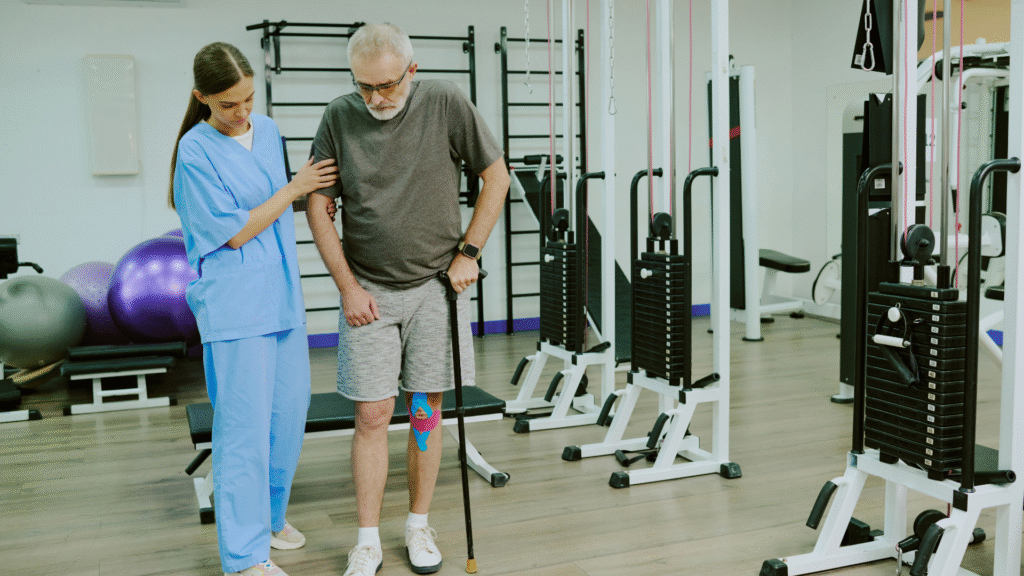
Mobility aid trials give patients the opportunity to test assistive devices such as walkers, rollators, wheelchairs, and mobility scooters in a safe, supervised environment.
These trials allow therapists and patients to assess comfort, usability, and compatibility with individual needs before purchase or funding approval through the NDIS or aged care programs.
To learn more about choosing the right device for your needs, check out our Step-by-Step Checklist Before Buying Any Assistive Technology.
Benefits for Patients
Confidence in Choosing the Right Equipment
Not all mobility aids fit everyone. Through trials, patients can explore different mobility solutions to find what truly works for them — whether that’s a lightweight rollator for daily walks or a power wheelchair for longer distances.
Trying the equipment firsthand reduces anxiety and helps users gain confidence in their mobility.
Reducing Financial Burden of Unsuitable Purchases
Assistive technology can be a major investment. A trial ensures that funding — especially under NDIS assistive technology plans — is spent wisely on equipment that meets both short-term recovery and long-term independence goals.
You can also read our Assistive Tech Buying Checklist for more purchasing guidance.
Supporting Faster Rehabilitation Progress
When patients use equipment tailored to their needs, rehabilitation outcomes improve. For example, testing a Hi-Lo bed during post-surgery recovery (see Recovering After Surgery: How a Hi-Lo Bed Can Help Your Healing Process) allows smoother transitions, better posture, and improved motivation during therapy sessions.
Promoting Independence and Safety
Trials let patients practice transfers, walking, and daily tasks safely. With therapist supervision, they can discover the correct techniques for using aids — ensuring both safety and confidence once they return home.
Benefits for Hospitals and Rehab Centres
Enhancing Patient Satisfaction and Trust
Offering mobility aid trials shows a strong commitment to patient-centred care. Patients feel supported and valued when they’re given choices, which fosters trust and satisfaction in your facility’s rehabilitation services.
Improving Clinical Outcomes
When the right assistive devices are chosen early, clinicians spend less time adjusting unsuitable equipment and more time focusing on recovery. This helps shorten hospital stays and improves long-term functional independence.
Building Stronger Partnerships with Equipment Providers
Working with trusted suppliers like Assistive Tech Hub allows hospitals and rehab centres to access a variety of trial-ready devices, from walkers to power wheelchairs. These partnerships also streamline procurement and ensure equipment quality and compliance with Australian standards.
Examples of Mobility Aids Suitable for Trials
Walkers and Rollators
Perfect for early rehabilitation, these devices promote stability and confidence for patients learning to walk again.
You can explore options in our Mobility Aids collection for lightweight and sturdy designs suited to every recovery stage.
Wheelchairs and Power Chairs
Manual and electric wheelchairs allow patients to test seating comfort, control, and maneuverability in real-life settings before purchase.
Mobility Scooters
Great for outdoor independence, scooters can be tested to ensure they match terrain needs, battery range, and personal comfort.
How to Set Up a Trial Program in Your Facility
Hospitals and rehabilitation centres can easily integrate mobility aid trials by:
- Partnering with equipment providers like Assistive Tech Hub to access demo-ready products.
- Designating a trial area where patients can safely test aids under therapist supervision.
- Recording patient feedback to guide equipment selection and funding justification.
- Offering post-trial education, such as safe transfer training or maintenance demonstrations.
Our team can help you establish a structured trial program — simply Contact Us to get started.
Where Patients Can Access Mobility Aid Trials in Australia
Assistive Tech Hub proudly supports hospitals, rehabilitation centres, and aged care facilities across Australia with access to trial-ready assistive technology.
We also offer free in-home trials for NDIS participants and private buyers — ensuring every Australian has the opportunity to experience safe, reliable mobility solutions before committing.
Learn more about home-friendly options such as our Hi-Lo Beds for Elderly Care and Smart Reclining Chairs that make daily living easier.
Conclusion: Better Outcomes with Trial Opportunities
Offering mobility aid trials is a win-win for patients and healthcare providers alike. Patients regain confidence, clinicians see better outcomes, and facilities strengthen their reputation for quality, person-centred care.
By giving patients the chance to try before they buy, hospitals and rehab centres can truly empower recovery and independence.
Start today — browse our trial-ready mobility aids or contact our team to arrange trial partnerships for your facility.