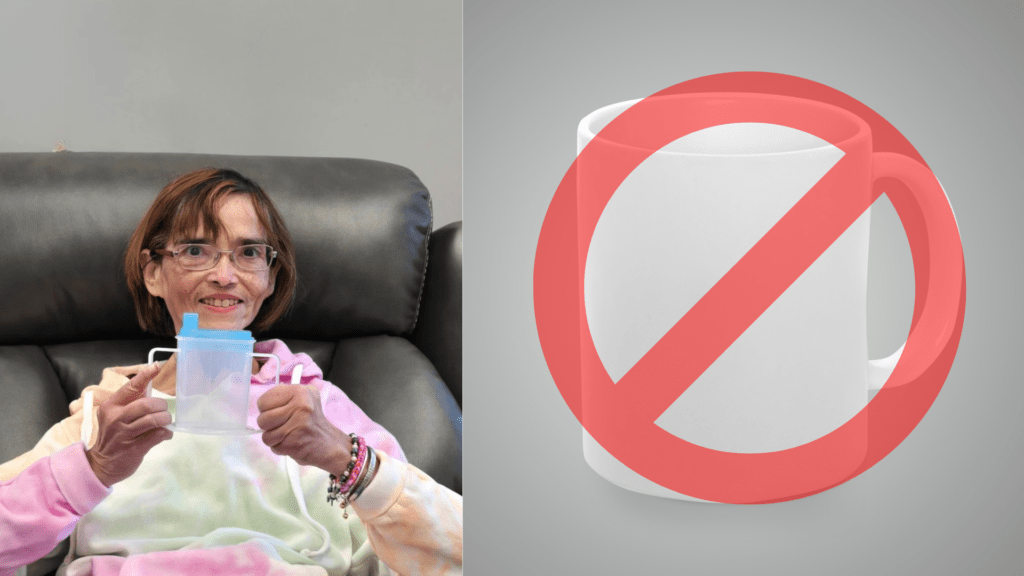
Recovering from a stroke or undergoing physical rehabilitation can present many challenges, especially when it comes to mobility and daily activities. Simple movements such as sitting down, standing up, or repositioning the body can become difficult due to muscle weakness, reduced coordination, or fatigue. For patients recovering at home, having the right support equipment can significantly improve both safety and comfort.
One commonly recommended solution by healthcare professionals is the hi low power recliner chair. These specialised recliners provide motorised lift assistance, adjustable positioning, and ergonomic support that help patients move more safely while reducing strain on carers. Families and healthcare providers exploring rehabilitation support equipment can learn more about available options through AssistiveTechHub, where assistive seating solutions are designed to support recovery and independence.
Understanding how hi-lo recliners support rehabilitation can help patients, carers, and healthcare professionals choose the right equipment to enhance recovery outcomes.
Introduction: Supporting Stroke & Rehab Patients at Home
Stroke recovery and rehabilitation often involve regaining strength, improving coordination, and relearning everyday movements. Many patients experience weakness on one side of the body, balance issues, or difficulty maintaining stable posture while sitting or standing.
Standard household chairs may not provide the level of support needed for safe movement during rehabilitation. Low seating heights, lack of adjustability, and limited support can make transfers more difficult and increase the risk of falls.
This is why many therapists recommend an electric hi low recliner chair as part of a home rehabilitation setup. These chairs provide adjustable positioning and lift support that allow patients to sit and stand more safely while also maintaining comfort throughout the day.
By providing proper seating support, rehabilitation equipment can help patients participate more actively in recovery while reducing the risk of injury during movement.
How Hi-Lo Recliners Improve Recovery and Mobility
A hi low mobility recliner is designed to assist individuals who have limited strength or mobility. Unlike traditional chairs, these recliners use a motorised system that gently lifts and tilts the seat to help the user stand up safely.
The Hi-Low Power Recliner is an example of a seating solution designed to support rehabilitation and homecare environments.
These recliners help improve mobility during recovery in several ways:
- Motorised lift assistance helps patients stand without excessive strain
- Height adjustment allows easier transfers to wheelchairs or walking aids
- Reclining positions provide comfortable rest between therapy sessions
- Stable armrests support balance when repositioning
These features make lift recliners useful as assistive recliner chair for home care, particularly for patients who require additional support during rehabilitation.
Key Features: Lift Function, Adjustable Back, Safety & Comfort
Modern motorised hi low recliner chairs incorporate several features that make them especially beneficial for individuals recovering from stroke or undergoing physical rehabilitation.
These features are designed to promote both comfort and safe mobility.
Common features include:
- Lift function to assist with standing safely
- Adjustable backrest for proper posture and relaxation
- Elevating footrest to support circulation and reduce swelling
- Supportive armrests that provide stability during transfers
- Comfortable cushioning suitable for extended sitting periods
These capabilities make the recliner suitable for individuals who require an electric recliner for disabled users or mobility recliner for elderly Australia rehabilitation environments.
By supporting proper posture and reducing strain during movement, these recliners can help patients remain comfortable while focusing on recovery.
Recommendations from Occupational Therapists and Physiotherapists
Occupational therapists and physiotherapists play a crucial role in helping patients regain independence after stroke or injury. As part of rehabilitation planning, therapists often recommend assistive equipment that improves safety during everyday activities.
An occupational therapist recommended recliner can provide several advantages during rehabilitation. Proper seating support helps patients maintain alignment, improve circulation, and safely perform transfers.
Therapists may recommend lift recliners because they help patients:
- Transition safely between sitting and standing
- Maintain stable posture during rest
- Reduce strain on weakened muscles or joints
- Improve confidence when moving independently
Because of these benefits, hi low recliner for home care setups are commonly used in both rehabilitation centres and home recovery environments.
Hiring vs Buying: Short-Term Rehab Solutions
Rehabilitation timelines vary depending on the individual and the severity of the condition. Some patients may require assistive equipment for only a few months, while others may benefit from long-term mobility support.
For short-term recovery periods, hiring a power recliner for elderly Australia rehabilitation can be a flexible and practical option.
Hiring provides several advantages:
- Access to specialised equipment without a large upfront investment
- Flexible rental durations that match rehabilitation timelines
- Opportunity to test equipment before purchasing
- Immediate access to mobility support after hospital discharge
Families and carers can review assistive equipment hire options to explore short-term solutions suitable for rehabilitation.
If you are interested in checking availability or rental arrangements, submitting a rental enquiry can help identify suitable equipment options.
Choosing NDIS or SWEP Approved Recliners in Victoria
When selecting a motorised recliner chair NDIS provider, it is important to consider both the patient’s mobility needs and available funding options.
Many individuals undergoing rehabilitation may qualify for equipment support programs such as:
- NDIS approved recliner chair funding
- NDIS mobility recliner chair Victoria programs
- SWEP funded recliner chair Victoria assistance
These programs can help patients access assistive equipment recommended by healthcare professionals.
Families should also consider factors such as the patient’s mobility level, therapy goals, and recommendations from physiotherapists or occupational therapists.
If you would like guidance when selecting a suitable recliner, you can contact AssistiveTechHub to discuss available options and find equipment designed for rehabilitation support.
Conclusion: Enhance Rehab Outcomes with a Safe and Comfortable Recliner
Stroke recovery and physical rehabilitation often require specialised support to ensure safe movement and comfortable rest. Many patients experience reduced strength, balance issues, or limited mobility during recovery, making everyday activities such as sitting and standing more challenging.
A hi low mobility recliner can provide valuable support during rehabilitation by assisting with transitions between sitting and standing while offering comfortable reclining positions for rest and recovery. Features such as lift assistance, adjustable backrests, and ergonomic support help patients maintain proper posture and reduce physical strain throughout the day.
Solutions such as the Hi-Low Power Recliner are often recommended by therapists because they combine accessibility with supportive seating designed for rehabilitation environments. Patients, carers, and healthcare providers can explore assistive seating options through AssistiveTechHub to find equipment suited for home recovery and therapy support.
For individuals who need temporary support during rehabilitation, reviewing assistive equipment hire services can help determine whether renting a recliner is the most suitable option. If you would like to arrange a rental or discuss mobility seating solutions, you can submit a rental enquiry or contact AssistiveTechHub to find a recliner that supports safe movement, comfort, and successful rehabilitation outcomes.