Training Program
Mobility Device Handling Safety for Ground Operations
Training Program
Mobility Device Handling Safety for Ground Operations
Practical training to reduce damage to wheelchairs and mobility scooters during ground operations.
Aviation teams handle mobility devices every day, yet most ground staff receive limited specialised training in how to prepare, move, load, unload, and return them safely. This program is designed to reduce preventable damage, improve passenger experience, and support safer ground handling practices.
A two-day practical training module, which can be part of your existing training
Why This Training Matters
For many passengers, a wheelchair or mobility scooter is not just equipment — it is their mobility and independence.
When a mobility device is damaged during air travel, the impact is immediate:
Operational disruption
Compensation and repair costs
Passenger stress and loss of mobility
Reputational risk for airlines and ground service providers
Powered wheelchairs and scooters can cost $10,000 to $30,000 or more to repair or replace. Preventing even one or two serious incidents can make a meaningful operational difference.
The Gap This Program Addresses
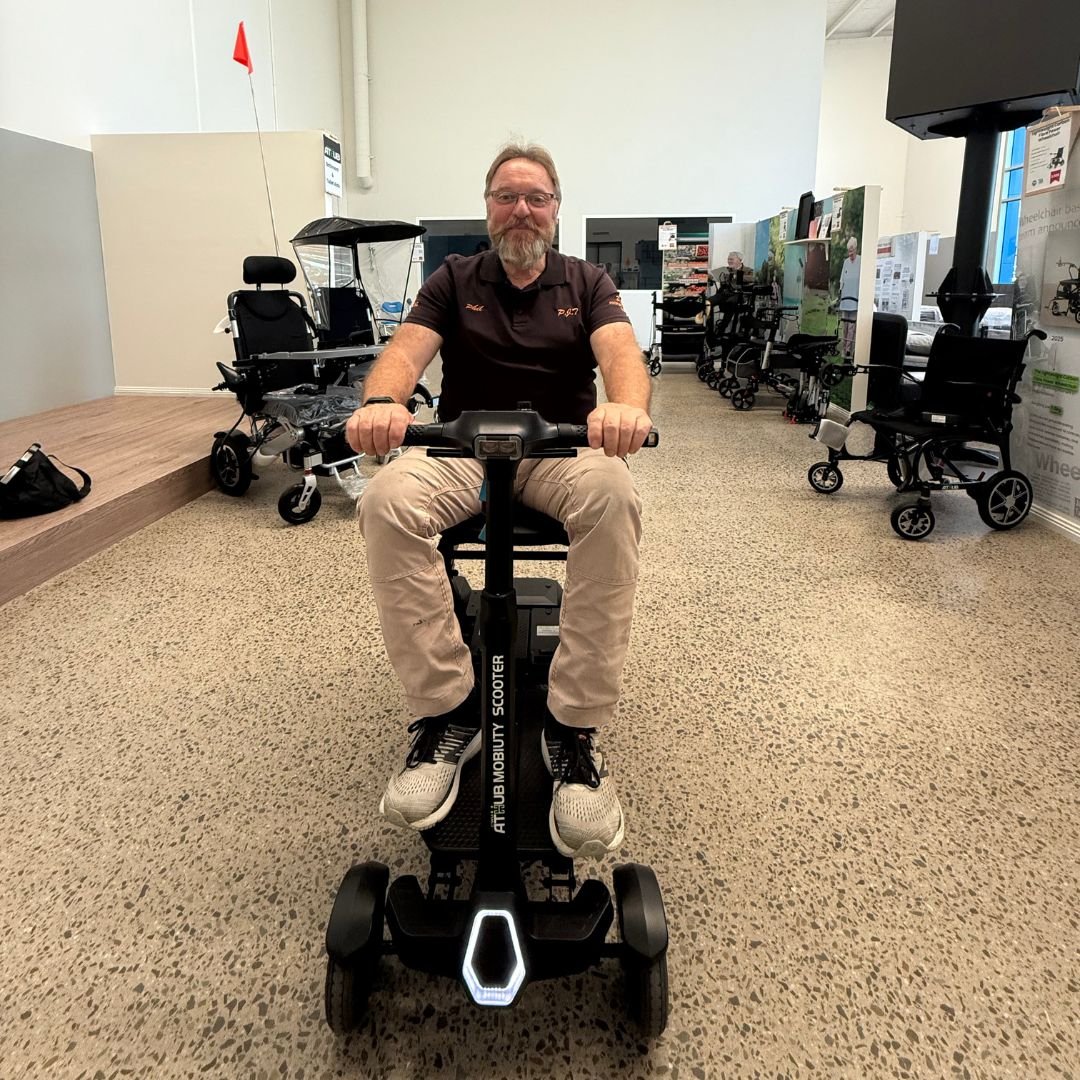
Ground teams often handle hundreds of mobility devices each month, including manual wheelchairs, powered wheelchairs, and mobility scooters. Many of these devices include:
Sensitive electronics
Joysticks and control systems
Removable components
Batteries
Custom seating and positioning supports
Despite this, mobility devices are still too often treated like standard baggage.
This training focuses specifically on the practical handling skills required to reduce damage during:
Receiving and assessing devices
Preparation for transport
Loading and securement
Unloading and reassembly
Passenger handover
About the Program
Mobility Device Handling Safety for Ground Operations is a practical training program designed for:
- Ground handling teams
- Ramp staff
- Passenger assistance teams
- Airline operations staff
- Airport service providers
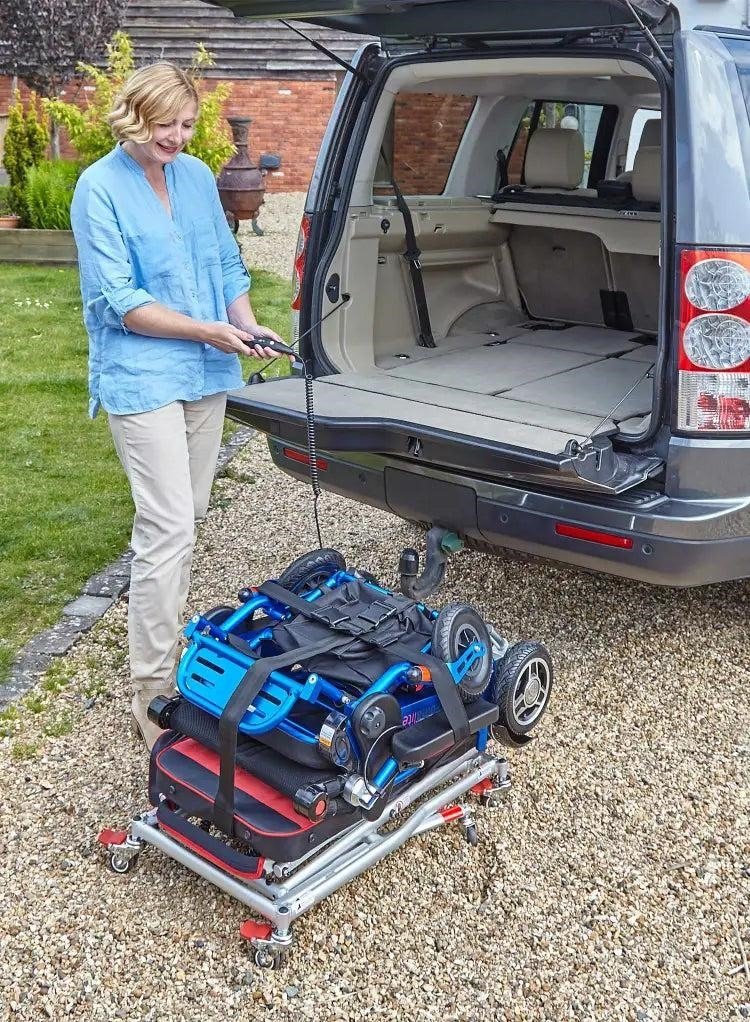
The training is designed to integrate into existing ramp safety or passenger assistance programs and uses real wheelchairs and mobility scooters for hands-on learning.
What Participants Learn
Participants learn how to:
- Identify different mobility devices and key components
- Recognise fragile vs structural parts
- Use correct lifting points and team handling techniques
- Prepare devices for transport, including removal of detachable parts
- Understand battery types and safe handling requirements
- Position and secure devices correctly in cargo environments
- Unload and reassemble devices safely
- Perform basic functional checks before returning a device to a passenger
- Communicate with passengers and carers to gather correct handling information
- Identify and respond to damage risks in real operational scenarios
Program Structure
-
Module 1: Understanding Mobility Devices
Manual wheelchairs, powered wheelchairs, mobility scooters, key components, fragile vs structural parts, and weight distribution.
-
Module 2: Risk and Damage Awareness
Top causes of device damage, cost impact, passenger impact, and risk recognition.
-
Module 3: Safe Manual Handling
Correct lifting points, team lifting techniques, handling heavy devices, and ramp movement.
-
Module 4: Preparing Devices for Transport
Removing detachable parts, battery handling, protection techniques, and documentation.
-
Module 5: Aircraft Loading and Securement
Positioning inside cargo areas, securement methods, and preventing movement or pressure damage.
-
Module 6: Unloading and Reassembly
Safe unloading, reattaching parts, functional checks, and issue reporting.
-
Module 7: Communication with Passengers
How to ask the right questions, work respectfully with passengers and carers, and gather handling instructions.
-
Module 8: Real-World Scenarios
Full workflow simulations covering real operational challenges such as time pressure, heavy devices, missing instructions, and damage escalation.
-
Module 9: Practical Assessment
Competency-based assessment, including practical handling, scenario evaluation, and instructor observation.
Key Outcomes
This program is designed to help organisations:
- Reduce costly damage claims and repair costs
- Minimise delays during handling and loading
- Improve staff confidence in handling complex mobility devices
- Improve passenger experience for travellers with mobility needs
Support accessibility, safety, and operational handling requirements
Who This Is For
This program is suitable for organisations involved in aviation ground operations, including:
- Ground handling companies
- Airlines
- Airport operators
- Mobility assistance teams
- Aviation training providers
Delivery Format
Two-day practical training module
Hands-on learning with real devices
Group-based instruction and scenario practice
Practical assessment included
Certificate of Completion provided
About the Trainer
This program has been shaped by more than six years of experience in the disability sector supplying and supporting mobility equipment, including powered wheelchairs and mobility scooters. That hands-on equipment knowledge informs the practical focus of the training.
Certificate
Participants who complete the training and assessment receive a:
Certificate of Completion
Mobility Device Handling Safety for Ground Operations
Contact / Enquiries
Interested in a pilot workshop or operational discussion?
Get in touch to discuss how this training could fit within your existing ramp safety or passenger assistance framework.
Name: Anjali S
Email: info@carewithus.com.au
Phone: 0478637760
Location: Melbourne, Australia
- 1/57 Willandra Drive Epping VIC 3076
- 0478637760
- info@carewithus.com.au
Send us a message
We’re here to support your journey with assistive technology. Reach out by phone, visit us in person, or send us a message, and our team will assist you every step of the way!