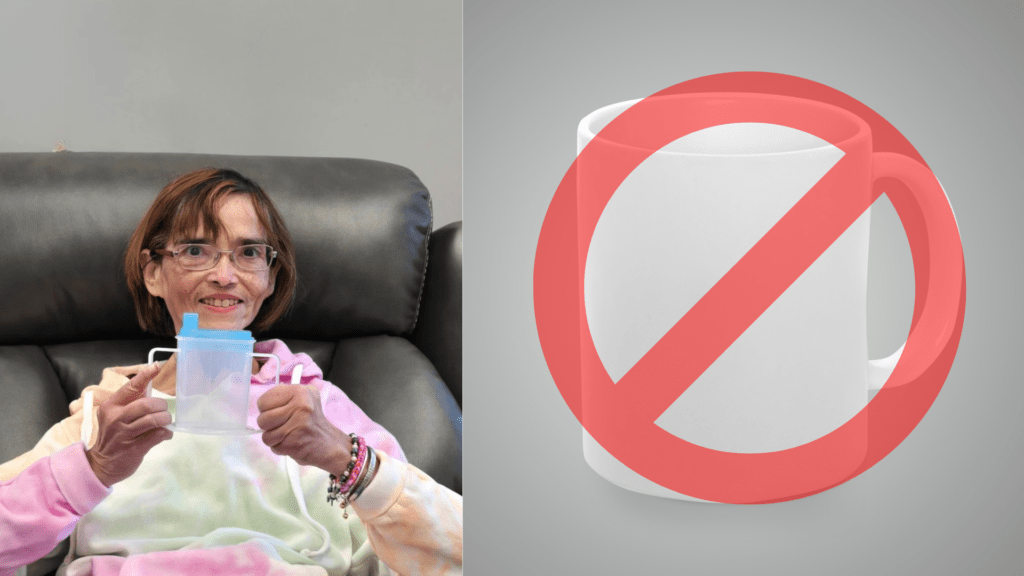
Living with ataxia or other balance disorders can make everyday movement feel uncertain and physically demanding. Walking across a room, navigating outdoor surfaces, or standing for longer periods may become increasingly difficult when balance and coordination are affected. For many individuals, reliable mobility support becomes essential for maintaining safety, confidence, and independence.
Smart elbow crutches are designed to provide lightweight stability, ergonomic comfort, and practical walking assistance for people experiencing balance challenges caused by neurological conditions or mobility disorders. By improving support during movement, these mobility aids can help reduce the risk of falls while making daily activities more manageable.
At Assistive Tech Hub, patients, caregivers, and rehabilitation professionals can access supportive mobility solutions designed to improve comfort, stability, and safer walking for Australians living with balance disorders.
Understanding Balance Disorders
Balance disorders affect the body’s ability to maintain stable posture and coordinated movement. Conditions such as ataxia, neurological disorders, vestibular dysfunction, stroke recovery, and certain chronic illnesses may interfere with walking and balance control.
Individuals experiencing balance difficulties may notice:
- Unsteady walking
- Poor coordination
- Frequent stumbling
- Difficulty standing still
- Muscle weakness
- Fatigue during movement
- Fear of falling
- Difficulty walking on uneven surfaces
For many people, these symptoms can affect confidence and limit participation in daily activities, social outings, and rehabilitation programs.
Walking support balance disorders patients rely on may help improve movement safety while supporting greater independence during everyday tasks.
Role of Crutches
Mobility aids play an important role in helping individuals move more safely and comfortably when balance is affected.
Crutches for ataxia and neurological walking support devices may assist by:
- Improving stability during walking
- Providing additional balance support
- Reducing fall risks
- Supporting safer posture during movement
- Helping users feel more confident outdoors
- Assisting during rehabilitation exercises
Compared to some traditional walking aids, smart elbow crutches provide forearm support that helps distribute body weight more evenly while improving walking control.
The Smart Elbow Crutch available from Assistive Tech Hub is designed to provide lightweight and sturdy support for individuals who require dependable mobility assistance throughout daily life and rehabilitation.
For many users, practical walking support can help restore confidence and improve participation in everyday routines.
Benefits of Smart Crutches
Modern stability mobility aids are designed to improve both comfort and walking safety. Smart elbow crutches offer several important benefits for individuals living with balance disorders.
Improved Walking Stability
Balance support crutches help users feel steadier during movement on indoor flooring, outdoor paths, and uneven surfaces.
Reduced Risk of Falls
Additional walking support can help improve balance and reduce instability during movement transitions or turning.
Lightweight Yet Sturdy Design
A lightweight mobility aid is often easier to manage while still providing reliable stability throughout daily use.
Better Weight Distribution
Forearm support helps spread body weight more evenly, reducing upper body strain during prolonged use.
Increased Confidence During Walking
Many individuals with balance disorders experience anxiety about falling. Additional support may help improve confidence while moving independently.
Supports Rehabilitation and Daily Activities
Smart elbow crutches can assist users during physiotherapy sessions, home mobility, shopping trips, and community activities.
These benefits can improve both physical mobility and emotional wellbeing for individuals managing long-term balance challenges.
Stability Features
Choosing the right mobility aid is important for maintaining comfort and safety during daily movement.
Adjustable Height Support
Correct height adjustment helps improve posture and walking stability while reducing strain on the shoulders and back.
Ergonomic Hand Grips
Comfortable handles help minimise pressure on the wrists and hands during extended use.
Forearm Support for Better Balance
Forearm crutches provide improved control and stability during movement.
Non-Slip Rubber Tips
Rubber tips improve traction and help reduce slipping risks on indoor and outdoor surfaces.
Lightweight Construction
Lightweight mobility aids are easier to manoeuvre and transport throughout daily activities.
Durable Everyday Support
Mobility aids should remain sturdy and dependable for regular rehabilitation and walking support needs.
These features contribute to safer movement and greater confidence for individuals living with neurological balance disorders.
Choosing Right Support
Every person experiences balance challenges differently, so choosing the right mobility aid depends on individual mobility needs and rehabilitation goals.
When selecting neurological walking support equipment, consider:
- Walking stability requirements
- Weight and portability
- Grip comfort
- Height adjustability
- Indoor and outdoor usability
- Long-term comfort
- Rehabilitation recommendations
Healthcare professionals such as physiotherapists or occupational therapists may recommend specific mobility aids depending on the individual’s physical condition and balance difficulties.
Some users may require temporary mobility support during rehabilitation, while others may benefit from ongoing walking assistance.
Caregivers should also ensure mobility aids are correctly adjusted to maximise comfort and safety during use.
NDIS Support
Many Australians living with ataxia or other neurological balance disorders may qualify for support through the NDIS.
NDIS balance disorder support and mobility aids disability NDIS participants use may include:
- Elbow crutches
- Walking support devices
- Rehabilitation mobility aids
- Stability support equipment
- Assistive walking devices
These supports may help improve independence, rehabilitation participation, mobility confidence, and home safety.
Patients, caregivers, and therapists seeking personalised guidance can contact the Assistive Tech Hub Support Team to explore suitable mobility products and available support options.
Conclusion
Living with ataxia or other balance disorders can create ongoing mobility challenges, but the right walking support can help individuals move more safely and confidently throughout daily life.
Smart elbow crutches provide lightweight stability, ergonomic comfort, and dependable walking assistance for individuals experiencing coordination and balance difficulties. By supporting safer movement and reducing fall risks, these mobility aids can help improve independence, rehabilitation participation, and overall confidence during everyday activities.
Whether supporting a loved one, exploring rehabilitation solutions, or searching for dependable walking support for yourself, Assistive Tech Hub offers practical mobility products designed to improve comfort, safety, and stability for Australians living with balance disorders.
To learn more, View Smart Crutches, Improve Stability Today, or Get Support for personalised mobility support assistance.