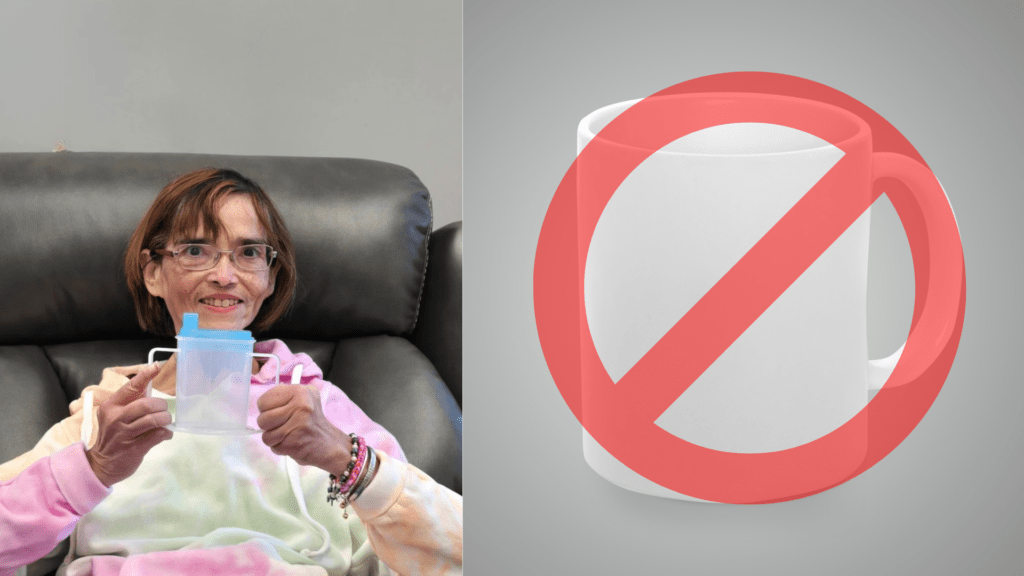
Living with dystonia can make movement feel unpredictable and sometimes difficult to control. Muscle contractions may cause twisting, stiffness, or involuntary movements that affect walking balance and daily mobility.
For many individuals, having the right support can make a significant difference in safety and confidence. A walking stick with seat provides both controlled walking assistance and a stable place to rest when the body needs a pause.
Across mobility aids Australia communities, supportive tools are helping people with neurological conditions maintain independence and move more safely in daily life.
Understanding Dystonia Mobility Challenges
Dystonia is a neurological condition that affects muscle control, often leading to involuntary movements or abnormal postures. These symptoms can vary from mild to severe and may affect different parts of the body, including the legs.
Common mobility challenges include:
- Sudden muscle contractions
- Difficulty maintaining steady walking rhythm
- Balance instability during movement
- Fatigue from controlled effort walking
- Pain or discomfort from muscle tension
- Increased risk of tripping or falling
Because symptoms can fluctuate, individuals often need flexible and reliable support throughout the day.
This is where walking support dystonia solutions become important for improving safety and confidence.
Why Controlled Support Matters
Movement for individuals with dystonia requires more than basic walking assistance. It needs controlled, stable support that adapts to unpredictable changes in muscle activity.
A mobility aid dystonia users can rely on helps reduce strain while improving balance during walking and standing.
With proper support, individuals can:
- Move with greater stability and control
- Reduce risk of sudden imbalance
- Take rest breaks when symptoms increase
- Maintain independence in daily routines
- Improve confidence in public spaces
Controlled support tools help create a safer environment for mobility, especially when symptoms fluctuate without warning.
Benefits of Walking Stick with Seat
A walking cane with seat offers both stability and rest, making it particularly useful for neurological conditions like dystonia.
The Walking Stick with Seat is designed to support users who need balance assistance and immediate seating during movement.
Improved Movement Control
The walking stick provides structured support that helps guide movement and improve walking stability.
Immediate Rest When Needed
Users can sit down quickly during muscle fatigue or involuntary movement episodes.
Reduced Risk of Falls
Extra support helps minimise instability caused by sudden muscle contractions.
Better Energy Management
Rest breaks help reduce fatigue caused by continuous effort to control movement.
Increased Confidence in Daily Life
Knowing that support is available helps users feel more secure when moving outdoors or in public spaces.
If you are exploring more options, you can browse our range of mobility aids designed for stability and support.
Features for Stability
When choosing a controlled movement walking aid for dystonia, safety and reliability are essential.
Key features include:
- Strong and stable frame for controlled movement
- Lightweight design for easier handling
- Non-slip rubber feet for secure footing
- Ergonomic handle for better grip control
- Foldable seat for quick rest support
- Durable construction for daily use
- Compact and portable design
The Walking Stick with Seat is built to support users who need both mobility assistance and controlled movement stability.
Usage Tips
Move at a Comfortable Pace
Avoid rushing. Slow, steady movement helps improve control and stability.
Rest When Symptoms Increase
Use the seat as soon as fatigue or muscle tightening begins.
Ensure Safe Ground Conditions
Always check that the surface is stable before sitting or walking.
Keep the Aid Within Reach
Make sure the walking stick is always accessible during movement.
Follow Therapy Guidance
Use mobility aids according to advice from healthcare professionals or therapists.
These habits help improve safety and effectiveness in daily use.
NDIS Support for Mobility Aids
Many Australians living with dystonia or other neurological conditions may be eligible for support through the National Disability Insurance Scheme (NDIS).
Depending on individual plans, NDIS neurological mobility aids may be funded if they assist with independence, safety, and daily living activities.
Assistive devices funding Australia programs help eligible participants access essential mobility equipment that improves quality of life.
If you need help understanding eligibility or choosing the right support, our team is available to assist. You can easily reach out via our Contact page for personalised guidance.
Supporting Safer and More Controlled Movement
Living with dystonia can be challenging, especially when movement is unpredictable. However, with the right support, individuals can maintain independence and continue participating in daily activities more safely.
A walking cane with seat provides a practical solution by combining stability with immediate rest, helping users manage symptoms while staying mobile and confident.
If you are looking for reliable support, explore how a Walking Stick with Seat can assist your daily movement. You can also browse more mobility aids or contact our team through the Contact page for personalised recommendations.
With the right support, movement can become more controlled, safer, and more empowering every day.