Assistive Tech Hub

Is Long-Term Hire of a Hi-Low Bed Right for You? What to Consider for 1- to 10 Year Use

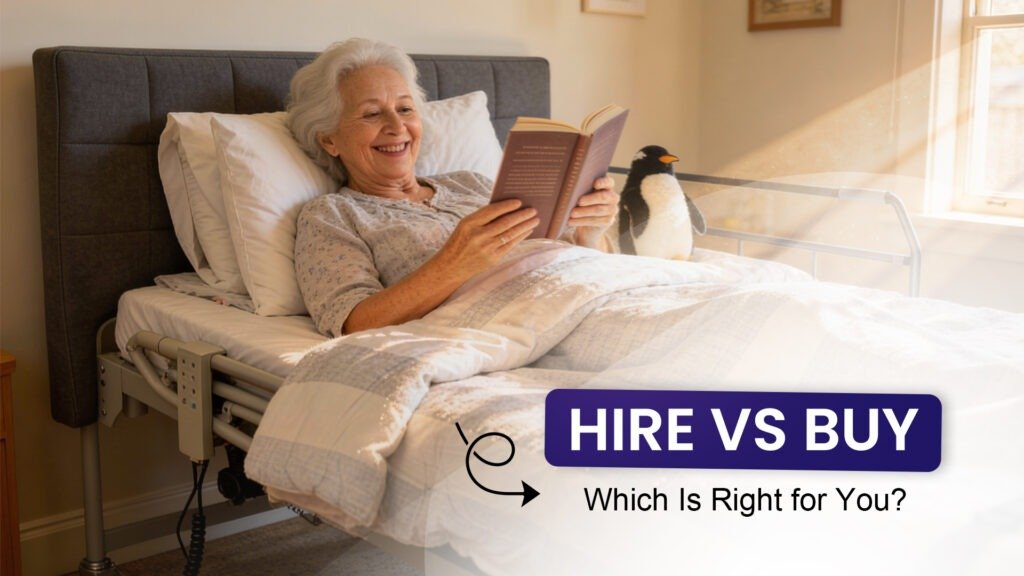
Introduction: Why Long-Term Bed Hire Matters in Aged and Home Care When caring for an elderly family member or supporting an NDIS participant at home, choosing the right bed can make a significant difference in comfort, mobility, and safety. A hi-low bed is often one of the first pieces of equipment recommended by allied health professionals—especially when support needs are changing or expected to increase over time. For many families and aged care providers in Victoria, long-term hire offers a practical way to access safe, modern, assistive beds without taking on a large upfront cost. It also ensures equipment remains serviced, compliant, and ready for everyday use. To browse available products, you can visit the Assistive Tech Hub Home Page directly through the Home link. What Is a Hi-Low Bed and Who Benefits from It? A hi-low bed is an electrically adjustable bed designed for people who need support with transfers, repositioning, and safe sleeping. The height can be raised or lowered using a simple handset—supporting both carers and the person using the bed. People who benefit from hi-low beds include: Seniors with reduced mobility NDIS participants needing safer transfers Individuals recovering from injury or surgery People requiring pressure care or specialised positioning Aged care residents transitioning from hospital to home You can explore different options through the Aged Home Care Beds category. Advantages of Long-Term Hire (1 to 10 Years) Cost-effectiveness and flexibility Long-term hire provides flexibility when needs change over time. Instead of paying for maintenance, servicing, or upgrades, everything is included in the ongoing rental. This makes budgeting easier and avoids large upfront costs. You can review rental options under the Hire section. Maintenance and service included Hiring a bed means maintenance and repairs are handled for you. If the motor fails or the bed needs an adjustment, the supplier takes care of it—keeping the equipment safe and functioning. NDIS and SWEP funding support In Victoria, long-term bed hire can often be funded through: NDIS plans SWEP (State-Wide Equipment Program) Short-Term Restorative Care (STRC) Program Aged Care Packages Home at Support Using NDIS-approved aged care beds, NDIS bed rails, Home at Support funded Hi Lo Beds, STRC or SWEP-approved beds helps ensure compliance and safety. If you need assistance understanding eligibility, you can reach the team through Contact Us. When to Consider Buying Instead of Hiring Comparing long-term hire vs purchase Buying may be better if: The bed will be needed for more than 5–7 years There is available funding for a once-off purchase The user’s condition is stable You prefer long-term ownership Hiring is better when: Needs may change You prefer included servicing and repairs You want to avoid large initial costs You expect to upgrade in the future You or your package can not afford big investments Budget and clinical needs For individuals with progressive conditions, hire makes it easier to upgrade equipment as needs evolve. Allied health professionals may also recommend hire if the equipment needs ongoing adjustments. Key Considerations Before You Commit to Long-Term Hire Safety and compliance (NDIS-approved beds) Before hiring, ensure the bed is: TGA Approved Complaint for aged care and disability safety standards Suitable for use with rails, pressure care mattresses, and mobility accessories Sturdy enough for long-term daily use Assistive Tech Hub offers a range of NDIS and Aged Care Beds and Electric Beds for seniors in Victoria, all designed for ongoing use. Assessments and recommendations (Allied Health / OT) An occupational therapist assessment helps determine: Posture and positioning needs Transfer ability Space available in the home Carer safety Mattress and accessory requirements This is especially important for NDIS funded beds for elderly, disability beds for home care, and beds needed for OT assessments. Bed accessories and upgrades over time If the bed will be used for several years, consider whether you may later need: Pressure care mattresses Lift poles Side rails Hi Lo Overbed tables Slide sheets Voice Control Massage To request recommendations, submit a form through Rental Enquiry. How Assistive Tech Hub Supports Long-Term Hire in Victoria Assistive Tech Hub provides comprehensive aged care and disability equipment support, including long-term hire across Victoria. Their services include: NDIS and Aged Care Package guidance including Short-Term Restorative Care (STRC) Program SWEP assistance Onsite delivery and setup Scheduled servicing and repairs OT-supported product recommendations Families, support coordinators, occupational therapists, physios and aged care teams can find reliable information and product choices across the website, starting from the Home Page. Conclusion: Finding the Right Aged Care Bed for Long-Term Comfort Choosing between hiring and buying a hi-low bed depends on clinical needs, long-term plans, and available funding. Long-term hire provides flexibility, predictable costs, and ongoing support—ideal for many elderly individuals and NDIS participants in Victoria. With professional guidance and a trusted supplier like Assistive Tech Hub, you can feel confident that the bed remains safe, sturdy, and suited to your changing needs from year one through year ten. If you’re ready to take the next steps, you can explore aged care beds available for hire, submit a Rental Enquiry, or Contact Us to discuss long-term care options.

Is Long-Term Hire of a Hi-Low Bed Right for You? What to Consider for 1- to 10 Year Use Read More »

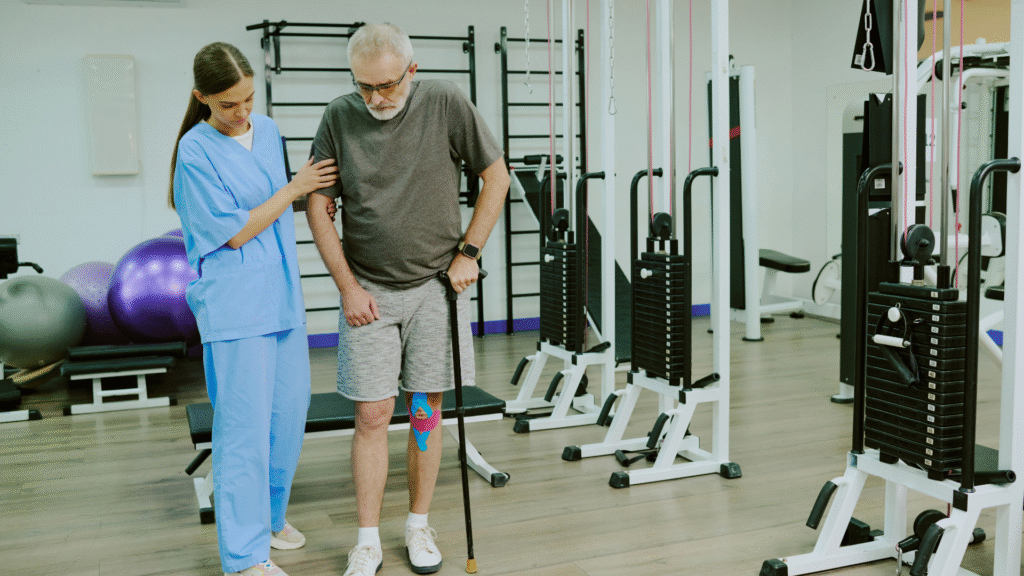
Trying Mobility Aids at Medical Centres: A Safer Way to Find the Perfect Fit

Introduction: Ensuring Safety and Comfort for Patients Selecting the right mobility aid is more than just a purchase — it’s about safety, comfort, and independence. Many patients and caregivers often struggle to find the right fit without first-hand experience. That’s where mobility aid trials at medical centres come in.At Assistive Tech Hub, we believe that every mobility solution should be tried and tested to ensure it meets individual needs, especially for patients recovering from injury, illness, or surgery. Why Medical Centre Trials Are Better than Buying Blind Reducing the Risk of Unsuitable Purchases Without proper testing, patients may end up with mobility aids that cause discomfort or worsen existing conditions. Medical centre trials allow patients to test different wheelchairs, walkers, and rollators in a controlled and supervised environment before committing to a purchase.You can browse our trial-ready mobility aids in the Assistive Tech Hub store to explore models commonly used in rehabilitation and aged care settings. Ensuring Proper Fit and Support During supervised trials, physiotherapists or occupational therapists can assess posture, handle height, and seating comfort. This ensures that the chosen device provides the right level of support — preventing falls, fatigue, or strain.Our NDIS-approved mobility products are designed to provide safe, adjustable, and user-friendly features for long-term comfort and independence. Types of Mobility Aids Suitable for Trials Wheelchairs and Power Chairs Testing wheelchairs and power chairs allows patients to understand maneuverability, turning radius, and seating ergonomics. At Assistive Tech Hub, we offer both manual and powered options that balance comfort with control. Walkers, Canes, and Rollators Trying out walkers and rollators in a real environment helps patients choose the right size, grip, and weight. Many of our lightweight rollators can be viewed online or tested through partnered facilities across Australia. Daily Living Assistive Devices Trials aren’t limited to mobility equipment. Daily living aids, such as transfer boards, reclining chairs, or adjustable beds, can also be part of a medical centre’s trial program — promoting a holistic recovery experience. Benefits for Patients and Caregivers Confidence in Choice Trial programs allow patients to make informed, confident decisions. They can feel how each device supports their unique needs — reducing anxiety and encouraging independence at home.Explore how our mobility aid trials align with the philosophy of safe, confident care at Assistive Tech Hub. Improved Rehabilitation Outcomes When patients use correctly fitted devices, their rehabilitation outcomes improve significantly. Proper equipment promotes better mobility, posture, and endurance — helping patients reach their therapy goals faster. How Medical Centres Can Implement Trials Partnering with Assistive Tech Providers Medical centres can collaborate with trusted suppliers like Assistive Tech Hub to offer in-centre trials. We assist facilities in setting up safe trial programs with the right products, safety standards, and guidance. Staff Training and Supervision Proper staff supervision ensures patients test equipment safely. Training includes assisting patients with adjustments and evaluating comfort and support.For partnerships or custom trial programs, contact us — we can help your facility implement an effective and accessible solution. Conclusion: Safe Trials Lead to Better Mobility Choices and Patient Satisfaction Trying mobility aids in a supervised setting helps patients and carers make safer, more informed choices. It reduces returns, prevents injury, and increases long-term satisfaction.Whether you’re a therapist, caregiver, or facility manager, enabling these trials means creating a patient-centred environment that truly supports recovery. Discover mobility aids available for trial in our online store or contact us to set up a program in your medical centre.

Trying Mobility Aids at Medical Centres: A Safer Way to Find the Perfect Fit Read More »

Why Offering Mobility Aid Trials in Hospitals and Rehab Centres Benefits Patients

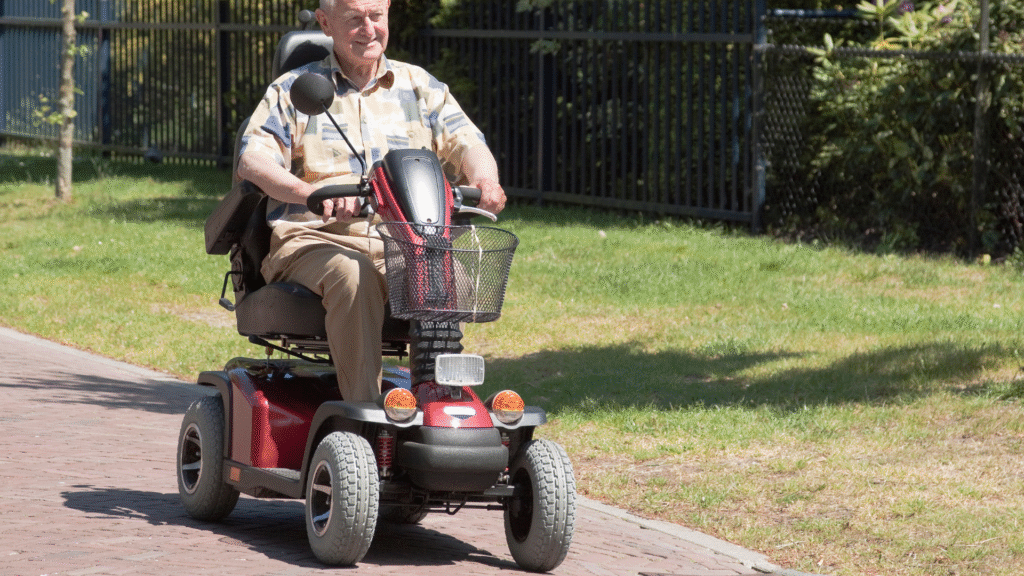
In rehabilitation and hospital settings, the goal is simple — help patients regain independence safely and confidently. But achieving that goal often depends on one critical factor: access to the right mobility aids. Offering mobility aid trials in hospitals and rehab centres ensures that patients, carers, and clinicians can make informed decisions before committing to a purchase. At Assistive Tech Hub, we believe that trying before buying is not just a convenience — it’s essential for achieving the best rehabilitation outcomes. What Are Mobility Aid Trials? Mobility aid trials give patients the opportunity to test assistive devices such as walkers, rollators, wheelchairs, and mobility scooters in a safe, supervised environment.These trials allow therapists and patients to assess comfort, usability, and compatibility with individual needs before purchase or funding approval through the NDIS or aged care programs. To learn more about choosing the right device for your needs, check out our Step-by-Step Checklist Before Buying Any Assistive Technology. Benefits for Patients Confidence in Choosing the Right Equipment Not all mobility aids fit everyone. Through trials, patients can explore different mobility solutions to find what truly works for them — whether that’s a lightweight rollator for daily walks or a power wheelchair for longer distances.Trying the equipment firsthand reduces anxiety and helps users gain confidence in their mobility. Reducing Financial Burden of Unsuitable Purchases Assistive technology can be a major investment. A trial ensures that funding — especially under NDIS assistive technology plans — is spent wisely on equipment that meets both short-term recovery and long-term independence goals.You can also read our Assistive Tech Buying Checklist for more purchasing guidance. Supporting Faster Rehabilitation Progress When patients use equipment tailored to their needs, rehabilitation outcomes improve. For example, testing a Hi-Lo bed during post-surgery recovery (see Recovering After Surgery: How a Hi-Lo Bed Can Help Your Healing Process) allows smoother transitions, better posture, and improved motivation during therapy sessions. Promoting Independence and Safety Trials let patients practice transfers, walking, and daily tasks safely. With therapist supervision, they can discover the correct techniques for using aids — ensuring both safety and confidence once they return home. Benefits for Hospitals and Rehab Centres Enhancing Patient Satisfaction and Trust Offering mobility aid trials shows a strong commitment to patient-centred care. Patients feel supported and valued when they’re given choices, which fosters trust and satisfaction in your facility’s rehabilitation services. Improving Clinical Outcomes When the right assistive devices are chosen early, clinicians spend less time adjusting unsuitable equipment and more time focusing on recovery. This helps shorten hospital stays and improves long-term functional independence. Building Stronger Partnerships with Equipment Providers Working with trusted suppliers like Assistive Tech Hub allows hospitals and rehab centres to access a variety of trial-ready devices, from walkers to power wheelchairs. These partnerships also streamline procurement and ensure equipment quality and compliance with Australian standards. Examples of Mobility Aids Suitable for Trials Walkers and Rollators Perfect for early rehabilitation, these devices promote stability and confidence for patients learning to walk again.You can explore options in our Mobility Aids collection for lightweight and sturdy designs suited to every recovery stage. Wheelchairs and Power Chairs Manual and electric wheelchairs allow patients to test seating comfort, control, and maneuverability in real-life settings before purchase. Mobility Scooters Great for outdoor independence, scooters can be tested to ensure they match terrain needs, battery range, and personal comfort. How to Set Up a Trial Program in Your Facility Hospitals and rehabilitation centres can easily integrate mobility aid trials by: Partnering with equipment providers like Assistive Tech Hub to access demo-ready products. Designating a trial area where patients can safely test aids under therapist supervision. Recording patient feedback to guide equipment selection and funding justification. Offering post-trial education, such as safe transfer training or maintenance demonstrations. Our team can help you establish a structured trial program — simply Contact Us to get started. Where Patients Can Access Mobility Aid Trials in Australia Assistive Tech Hub proudly supports hospitals, rehabilitation centres, and aged care facilities across Australia with access to trial-ready assistive technology.We also offer free in-home trials for NDIS participants and private buyers — ensuring every Australian has the opportunity to experience safe, reliable mobility solutions before committing. Learn more about home-friendly options such as our Hi-Lo Beds for Elderly Care and Smart Reclining Chairs that make daily living easier. Conclusion: Better Outcomes with Trial Opportunities Offering mobility aid trials is a win-win for patients and healthcare providers alike. Patients regain confidence, clinicians see better outcomes, and facilities strengthen their reputation for quality, person-centred care. By giving patients the chance to try before they buy, hospitals and rehab centres can truly empower recovery and independence. Start today — browse our trial-ready mobility aids or contact our team to arrange trial partnerships for your facility.

Why Offering Mobility Aid Trials in Hospitals and Rehab Centres Benefits Patients Read More »

How In-Front-of-Doctor Trials Ensure You’re Choosing the Right Mobility Aid

Introduction: Why Clinical Guidance Matters Choosing a mobility aid isn’t just about comfort—it’s about ensuring clinical safety, proper fit, and long-term usability. For many patients, making that decision without medical supervision can lead to discomfort or even injury.That’s why in-front-of-doctor mobility aid trials are becoming an essential part of patient-centred care in Australia. At Assistive Tech Hub, we support these clinical trials by offering a wide range of trial-ready mobility aids and personalised guidance for rehabilitation and aged care facilities. Benefits of Doctor-Supervised Trials Personalized Assessment for Patient Needs During a doctor-supervised mobility trial, healthcare professionals assess posture, balance, and movement patterns to determine which equipment best supports each individual’s needs.This approach ensures that wheelchairs, walkers, or power chairs are properly adjusted and clinically appropriate—reducing the risk of overexertion or poor alignment. You can find our range of clinically tested mobility aids in the Assistive Tech Hub store, designed to meet rehabilitation and daily living standards. Avoiding Unsuitable Purchases Many patients unknowingly buy aids that aren’t suited to their mobility goals or body mechanics. With a doctor present during the trial, they receive immediate feedback and evidence-based recommendations.This not only prevents unsuitable purchases but also ensures that NDIS funding and patient budgets are used wisely. Learn more about how Assistive Tech Hub supports safe and affordable assistive solutions across Australia on our homepage. Types of Mobility Aids Tested in Clinical Trials Wheelchairs and Power Chairs Doctors and therapists commonly supervise trials involving manual wheelchairs and powered mobility chairs, assessing how well each model supports posture, circulation, and independence.Explore our lightweight and sturdy designs at the Assistive Tech Hub store, many of which are ideal for post-surgery or long-term rehabilitation use. Walkers, Canes, and Rollators Clinical trials with walkers, canes, and rollators help ensure correct handling height and weight distribution—two critical factors in reducing fall risks.At Assistive Tech Hub, we provide models that balance comfort, stability, and portability for every user level. Other Daily Living Aids Doctors may also recommend trials for daily living aids such as adjustable beds, transfer chairs, or pressure-relief cushions. Testing these in a supervised setting helps patients find the best combination for comfort and function during recovery. How Doctors and Centres Facilitate Effective Trials Collaboration with Assistive Tech Providers Medical centres can partner with trusted suppliers like Assistive Tech Hub to access a variety of assistive devices for clinical evaluation. We work with rehabilitation specialists and allied health teams to create safe, trial-ready environments for patients to test before purchase. Staff Training and Trial Supervision Proper staff supervision ensures that each trial is safe and beneficial. Healthcare teams receive training on fitting adjustments, patient safety, and functional mobility assessments.If your clinic or rehab facility wants to start offering doctor-supervised trials, contact us for tailored guidance and partnership opportunities. Patient and Caregiver Advantages Confidence in Choice When a mobility trial takes place under medical supervision, patients gain confidence that their chosen aid is both clinically safe and functionally appropriate. This reduces anxiety and builds trust between the patient, doctor, and provider. Better Rehabilitation Outcomes Using a properly fitted mobility device enhances rehabilitation outcomes, encourages safe exercise, and improves overall patient independence.Many of our customers in Australia share positive experiences about how doctor-guided equipment selection has supported their healing journey—explore their stories through our Assistive Tech Hub network. Conclusion: Doctor-Supervised Trials Lead to Safer, More Effective Mobility Aid Selection In-front-of-doctor mobility aid trials offer the safest and most reliable path to finding the right support equipment. With clinical input, proper training, and trusted assistive technology, patients can make choices that promote comfort, confidence, and long-term recovery. To explore mobility aids available for doctor-supervised trials, visit our online store or contact us to arrange a customised trial program at your clinic.

How In-Front-of-Doctor Trials Ensure You’re Choosing the Right Mobility Aid Read More »

The Role of Shopping Centre Trials in Helping Customers Choose the Right Assistive Tech

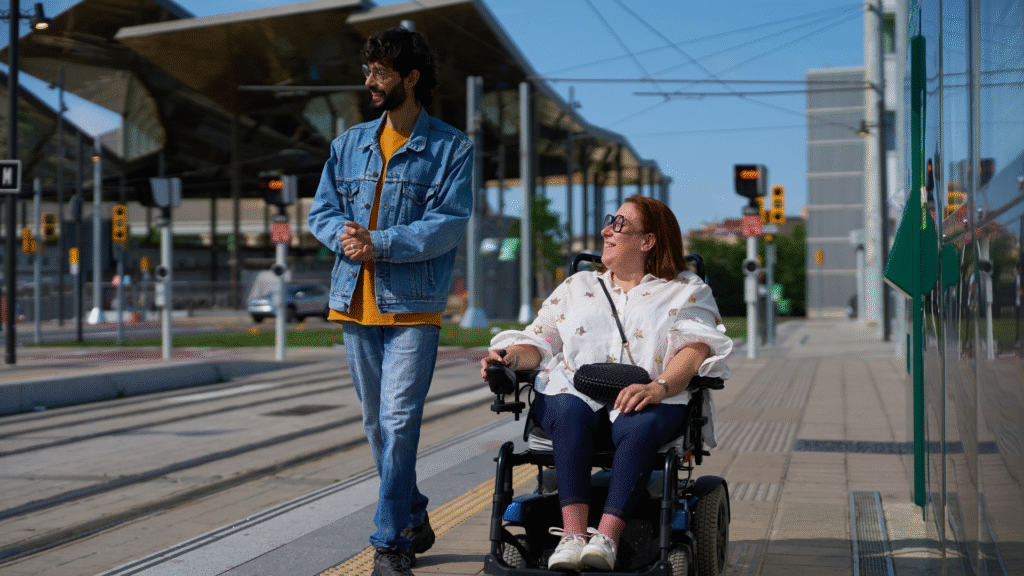
Making assistive technology more accessible isn’t just about selling equipment — it’s about helping people make informed, confident decisions. One of the best ways to achieve this is through shopping centre trials for assistive technology, where customers can test mobility aids and daily living products in real-world environments before buying. At Assistive Tech Hub, we believe that inclusive retail spaces — where customers can try assistive tech firsthand — create not only better buying experiences but also stronger communities built on accessibility and trust. Introduction: Making Retail Inclusive for Everyone Many people who need mobility aids or assistive equipment hesitate to buy online because they’re unsure how the product will feel, fit, or function in daily life.By allowing assistive tech trial programs inside shopping centres, mall operators and retailers can bridge that gap — providing a safe, welcoming place for people to explore, test, and learn about assistive devices before committing to a purchase. This approach complements resources like our Step-by-Step Checklist Before Buying Any Assistive Technology, which helps customers plan ahead and make confident, well-informed decisions. Why Assistive Tech Trials Matter for Customers Understanding Individual Needs Every person’s mobility and comfort needs are different. A shopping centre trial lets customers test equipment like wheelchairs, mobility scooters, or rollators on real flooring surfaces — simulating how these devices would perform at home, outdoors, or during errands. It also gives healthcare professionals and carers the chance to provide on-the-spot advice, ensuring that customers find the right equipment for their physical and environmental needs. Reducing the Risk of Unsuitable Purchases Trying before buying helps prevent costly mistakes. Customers often purchase assistive devices online without testing them, only to realise they’re too bulky, too light, or not suited to their condition.Through trial programs, customers can assess fit, comfort, maneuverability, and safety — ensuring that what they buy truly supports their independence and lifestyle. You can read more about this in our article Why Offering Mobility Aid Trials in Hospitals and Rehab Centres Benefits Patients, which explores how similar programs improve user satisfaction and outcomes. Benefits for Shopping Centres Increasing Foot Traffic and Customer Loyalty Inclusive trial spaces attract not only people with disabilities but also seniors, families, and caregivers — all looking for reliable assistive tech. This leads to increased foot traffic, better community engagement, and a reputation for being accessibility-friendly. Retailers that collaborate with providers like Assistive Tech Hub can host live demos or pop-up testing areas, giving customers hands-on experiences that foster trust and long-term loyalty. Positioning Your Centre as Accessibility-Friendly Shopping centres that prioritise accessibility stand out as community leaders. By offering assistive tech trials, you create a welcoming environment for people of all abilities, showing commitment to inclusivity and equality.This aligns perfectly with Australia’s accessibility standards and can even contribute to local council accessibility goalsor NDIS community initiatives. For further reading, explore our guide A Complete Guide to Using a Hi-Lo Bed for Elderly Care to understand how inclusive design supports safety and comfort in aged care — an approach that also translates well into accessible retail planning. Types of Assistive Tech Suitable for Trials Mobility Scooters Mobility scooters are among the most popular devices to trial in shopping centres. Customers can test turning radius, battery performance, and control systems in open areas to ensure they’re confident using them in real conditions. Wheelchairs and Power Chairs Trying manual or electric wheelchairs lets customers experience seating comfort, wheel control, and height adjustability. It also helps therapists and carers assess posture and safety during everyday use. Daily Living Aids and Accessories Beyond mobility devices, smaller aids like reachers, cushions, or kitchen tools can be displayed for trial. These simple but essential tools improve independence and can be integrated into assistive tech awareness events hosted by shopping centres. You can explore our full range of mobility and daily living aids available for trial and purchase across Australia. How Centres Can Implement Trial Programs Partnering with Assistive Tech Providers Collaborating with trusted suppliers such as Assistive Tech Hub ensures access to safe, high-quality trial-ready devices.We support shopping centres, hospitals, and rehabilitation facilities through customised trial partnerships — from short-term demos to long-term accessibility programs. Staff Training and Demonstrations Retail staff should be trained to handle assistive devices responsibly and communicate with empathy. Organising guided demo sessions — where occupational therapists or product specialists assist customers — enhances safety and builds confidence in every trial interaction. If you’d like support establishing these partnerships, simply Contact Us and our team will help design a program suited to your facility’s goals and audience. Conclusion: Shopping Centre Trials Improve Customer Confidence and Satisfaction Shopping centre trials for assistive technology create more than just sales opportunities — they create inclusive spacesthat empower customers to make confident, informed choices.By offering hands-on experiences, shopping centres can reduce product returns, increase accessibility awareness, and build lasting trust within their communities. To take the next step in promoting accessibility and inclusion, discover trial-ready assistive tech in our store or contact our team to set up a trial program at your shopping centre today.

The Role of Shopping Centre Trials in Helping Customers Choose the Right Assistive Tech Read More »

Recovering After Surgery: How a Hi-Lo Bed Can Help Your Healing Process

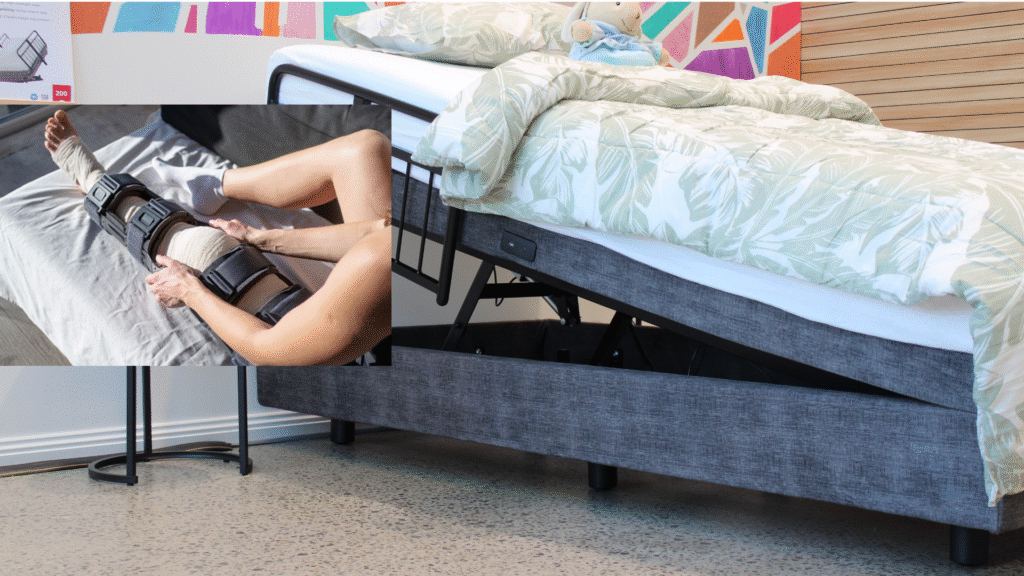
Recovering from surgery requires patience, comfort, and the right equipment to support your healing journey. One of the most effective tools for post-surgical recovery is a Hi-Lo Bed for Surgery Recovery — designed to make rest, movement, and care more manageable. Whether you’re healing at home or in a care facility, understanding how this adjustable bed works can make a huge difference in your comfort and safety. What Is a Hi-Lo Bed and How Does It Work? A Hi-Lo bed is an adjustable hospital-style bed that allows you to raise or lower the bed’s height and backrest with ease. It’s especially beneficial for patients who need to maintain specific postures or who experience mobility challenges after surgery. Unlike standard beds, Hi-Lo beds help reduce pressure, improve circulation, and make it easier for both patients and carers to perform transfers or repositioning safely. Why a Hi-Lo Bed Supports Faster and Safer Healing Reducing Strain on the Body After surgery, getting in and out of bed can be painful and risky. A Hi-Lo bed minimizes strain on incisions and joints by allowing height and angle adjustments, helping you maintain proper alignment during recovery. Enhancing Comfort with Adjustable Positions You can elevate your back, legs, or both to find a comfortable resting position — especially helpful after orthopaedic, cardiac, or abdominal surgeries. This feature also aids in reducing swelling and improving lung expansion for better healing. Improving Circulation and Breathing Keeping your body in an optimal position promotes better blood flow and oxygenation. This reduces the risk of bedsores and enhances recovery outcomes — a key consideration for people under NDIS assistive technology funding. Supporting Independence and Mobility Hi-Lo beds empower patients to move with minimal help, promoting independence and dignity. For caregivers, it also lessens the physical effort required during care routines. Common Surgeries Where Hi-Lo Beds Are Beneficial Orthopaedic Surgery (Hip, Knee, Spine) Patients recovering from joint replacements or spinal operations benefit greatly from adjustable height and recline, reducing pain and preventing strain on healing tissues. Abdominal and Cardiac Surgery Hi-Lo beds support semi-upright positions that reduce tension on surgical sites, ease breathing, and help prevent complications like pneumonia. Post-Caesarean Recovery For mothers recovering from C-sections, Hi-Lo beds offer gentle mobility assistance for safe transfers and breastfeeding comfort. Read more on Hi-Lo Beds for Pregnant Women to understand how they can support both pregnancy and postpartum recovery. Key Features of Hi-Lo Beds That Aid Recovery Height adjustment for easy transfers and caregiver support Backrest and leg elevation to relieve pain and improve comfort Lockable wheels for stability and safety Side rails to prevent falls and improve security Pressure-relieving mattress compatibility for long-term recovery For additional guidance, explore A Complete Guide to Using a Hi-Lo Bed for Elderly Care to see how similar features enhance safety for seniors and post-surgery patients alike. Tips for Using a Hi-Lo Bed Safely After Surgery Always follow your doctor’s or physiotherapist’s advice on positioning. Adjust the bed height before standing up to reduce dizziness or imbalance. Use side rails or handles for stability during transfers. Keep essential items like your phone or medication within arm’s reach. Regularly check that the bed’s power cord and control remote are in good condition. For more pre-purchase advice, see our Step-by-Step Checklist Before Buying Any Assistive Technology. Where to Get Hi-Lo Beds in Australia You can explore high-quality, recovery-friendly Hi-Lo beds at the Assistive Tech Hub Store — offering options designed for both comfort and medical precision. We also provide free in-home trials and NDIS-compliant equipmentto help you choose what fits your recovery needs best. If you need personal advice or have questions about NDIS or aged care funding, Contact Us for friendly guidance. Conclusion: Making Recovery Easier and Safer with the Right Bed Recovering after surgery doesn’t have to be uncomfortable or stressful. With a Hi-Lo bed, you can rest safely, move comfortably, and regain independence faster. Choosing the right equipment ensures not only physical recovery but also peace of mind for both patients and carers. Take your next step toward safer healing — browse our adjustable Hi-Lo bed collection or speak to our experts todayfor personalised support.

Recovering After Surgery: How a Hi-Lo Bed Can Help Your Healing Process Read More »

Physiotherapy-Based Trials: Testing Equipment with Expert Guidance

Introduction: Why Physiotherapist Guidance Matters Choosing the right mobility or rehabilitation equipment is more than just a purchase — it’s a crucial step toward long-term independence and safety. That’s why physiotherapy-based trials are essential before committing to any assistive device. Under the guidance of physiotherapists, patients can test products in a clinically supervised environment, ensuring every recommendation aligns with their rehabilitation goals and physical capabilities. At Assistive Tech Hub, we make this process simpler by connecting clinics and patients with trial-ready mobility aids designed for safety, comfort, and confidence. You can browse our full range of rehabilitation and mobility aids through our online store, all available for in-clinic or guided trials. Benefits of Physiotherapy-Based Trials Personalized Assessment for Patient Needs Every person’s mobility needs are unique. Through physiotherapy-based trials, patients receive individual assessments of balance, strength, and posture while trying different aids. This ensures that each mobility device — from a wheelchair or walker to a daily living aid — fits the user’s physical abilities and environment perfectly. This personalised process supports both short-term comfort and long-term rehabilitation outcomes. Visit our mobility solutions section to see the types of equipment that can be customised for physiotherapy-based testing. Avoiding Unsuitable Equipment Purchases Buying assistive equipment without proper assessment can lead to poor fit, pain, or even injury. Physiotherapy-supervised trials reduce these risks by ensuring every product truly supports patient needs. Many of our mobility aids are available for demonstration and adjustment during clinical trials, allowing physiotherapists to fine-tune features for optimal safety and usability. If you’re unsure about what suits your rehabilitation plan, you can contact our team for professional assistance and arrange a guided equipment trial. Types of Equipment Tested in Physiotherapy Trials Wheelchairs and Walkers Wheelchairs and walkers are two of the most frequently trialled mobility aids in physiotherapy clinics. During these trials, physiotherapists focus on proper seating, posture, and maneuverability. Assistive Tech Hub offers a variety of lightweight and sturdy wheelchairs, along with ergonomic walkers, that can be adjusted to match individual needs. Explore our wheelchair and walker collection here. Gait Trainers and Daily Living Aids For patients in active rehabilitation, gait trainers and daily living aids are essential tools to enhance mobility and independence. Physiotherapists guide patients on how these devices affect gait, posture, and muscle control — ensuring every piece of equipment contributes to steady progress. Learn more about our rehabilitation-friendly devices by visiting Assistive Tech Hub’s product page. How Clinics Facilitate Effective Trials Collaboration with Assistive Tech Providers Successful physiotherapy-based trials are made possible through strong partnerships between clinics and providers like Assistive Tech Hub. We support rehabilitation facilities by providing access to trial-ready assistive technology, from power wheelchairs to walking aids. Clinics that partner with us can offer hands-on testing experiences that help patients choose confidently and safely. Interested in setting up a partnership or learning how your clinic can implement trial programs? Contact us here. Staff Training and Trial Supervision Every successful trial requires well-trained staff. Physiotherapists and assistants receive education on safe handling, adjustment, and evaluation of assistive devices. Assistive Tech Hub also provides demonstration and training support for clinical teams that want to expand their trial programs. To learn more about how we help clinics offer accessible trials, visit our main website. Patient and Caregiver Advantages Confidence in Choice Trying equipment under professional supervision helps patients and caregivers make informed, confident choices. They can directly see how a product performs in real settings, compare comfort levels, and understand how to maintain it. For anyone considering mobility aids for home or clinical use, we recommend exploring our trial-ready selections in the Assistive Tech Hub store. Improved Rehabilitation Outcomes When equipment is properly fitted under physiotherapist supervision, rehabilitation becomes smoother and more effective. The right assistive tech supports posture, gait, and endurance — reducing strain and preventing injury. We’ve seen patients achieve faster recovery and improved confidence simply by testing their aids before purchase. To find out which mobility aids best suit your rehabilitation goals, contact our team today. Conclusion: Expert-Guided Trials Lead to Safer, More Effective Equipment Choices Physiotherapy-based trials combine expert guidance with real-world usability, ensuring every assistive device is safe, supportive, and effective. This partnership between clinicians and providers like Assistive Tech Hub gives patients the best chance to regain independence with confidence. If you’re looking for mobility aids or daily living supports suitable for professional trials, visit our online store or contact our team directly for expert guidance and trial arrangements. Our friendly staff can help match you with the right assistive equipment and connect your clinic with resources that make every trial a success.

Physiotherapy-Based Trials: Testing Equipment with Expert Guidance Read More »

How Pregnant Women Can Safely Use a Hi-Lo Bed for Comfort and Support

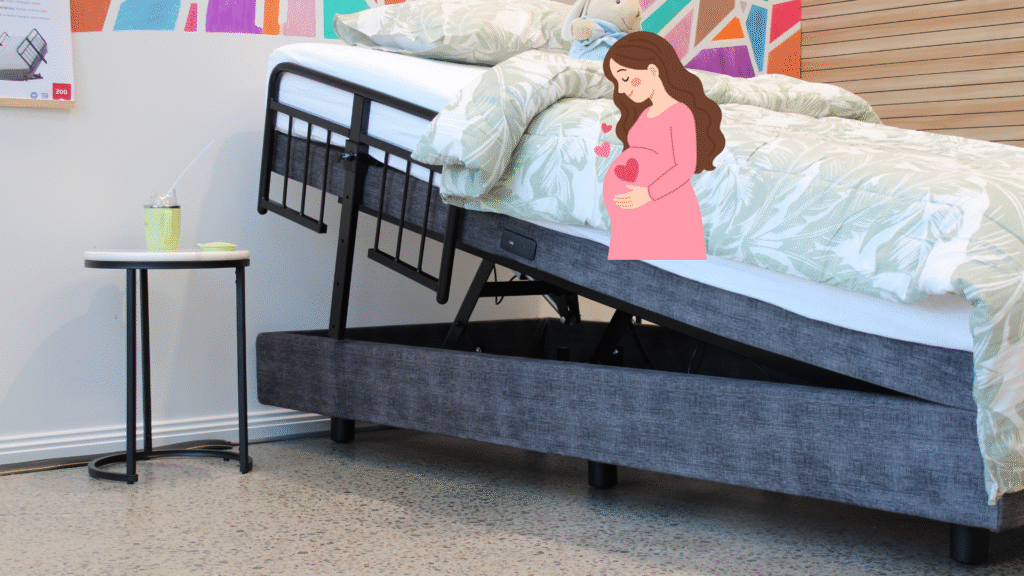
Comfort and Safety During Pregnancy Pregnancy is a beautiful journey — but it also brings physical changes that can make sleeping and moving more challenging. From back pain to swollen legs and limited mobility, many expectant mothers find it difficult to get comfortable in bed, especially during the later stages. A Hi-Lo Bed for pregnant women offers a supportive and adjustable solution that helps maintain comfort and promotes safe rest. Designed with both mother and baby in mind, these beds can be raised, lowered, or tilted to relieve strain, improve circulation, and make it easier to get in and out of bed. At Assistive Tech Hub, we understand the importance of a safe and restful sleep environment during pregnancy. That’s why our adjustable hospital-style beds are built with comfort, safety, and flexibility in mind — perfect for use at home or in maternity care settings. What Is a Hi-Lo Bed? A Hi-Lo Bed is an electric adjustable bed that allows users to raise or lower the height of the entire bed, as well as adjust the head and foot sections for optimal comfort. For pregnant women, this means easier access, safer movement, and better positioning for rest and relaxation. Unlike standard beds, Hi-Lo Beds help you find the perfect angle to reduce body pressure and support healthy posturethroughout pregnancy. If you’re unsure which model best suits your needs, you can contact our team for personalised guidance and recommendations. Why Pregnant Women May Benefit from a Hi-Lo Bed Reducing Back and Hip Strain As the baby grows, your body’s centre of gravity shifts — putting more pressure on your back, hips, and legs. A Hi-Lo Bed lets you adjust the backrest and leg height, easing strain and promoting a more natural spinal alignment. Using a slight incline or elevating your knees can also help reduce lower back discomfort and pelvic tension, especially in the third trimester. Improving Blood Circulation Swelling in the legs and feet (edema) is common during pregnancy, especially after long periods of standing or sitting. With a Hi-Lo Bed, you can raise your legs slightly to improve circulation and reduce swelling. This adjustable feature is particularly helpful for expectant mothers with gestational hypertension or varicose veins, as it promotes healthier blood flow and relieves pressure from the lower limbs. For high-quality adjustable options, visit our Assistive Tech Hub Store to explore models designed for both comfort and circulation support. Easier Mobility and Transfers As pregnancy progresses, getting in and out of bed safely can become more difficult. Hi-Lo Beds make this process easier by allowing the bed to lower close to the floor or rise to a comfortable level for transfers. This is especially helpful for women recovering from C-section births or managing pelvic pain, as it reduces strain on the abdomen and joints. If you’re a caregiver or partner assisting a pregnant woman, this feature also helps reduce your own risk of back injury during transfers. Safe Sleeping Positions with a Hi-Lo Bed During Pregnancy One of the safest and most comfortable sleeping positions during pregnancy is the left side-lying position. It promotes better blood flow to the placenta and helps prevent swelling. A Hi-Lo Bed allows you to fine-tune your sleeping angle: Slightly elevate your upper body to reduce acid reflux and shortness of breath. Support your knees with a pillow or gentle incline to relieve lower back pressure. Use the remote controls to adjust your head and legs without straining or twisting your body. Remember, always consult your doctor or midwife before making major adjustments, especially if you have a high-risk pregnancy. Key Features to Look for in a Hi-Lo Bed for Maternity Care Adjustable Height and Backrest Look for smooth electric controls that let you easily raise or lower the bed — even while lying down. This feature is ideal for both comfort and convenience, especially during late pregnancy or postpartum recovery. All of our adjustable beds at Assistive Tech Hub are designed with quiet motors and easy-to-use remotes for effortless positioning. Side Rails for Extra Security Side rails can provide extra peace of mind, especially if you experience dizziness or balance issues when getting out of bed. Many Hi-Lo Beds include fold-down or removable side rails for added safety without compromising comfort. If you’re preparing a maternity care setup at home, consider a model with optional rails or bed handles for flexible use. Mattress Compatibility and Comfort Pair your Hi-Lo Bed with a supportive mattress that adapts to body changes during pregnancy. Look for materials that balance softness with firm support to reduce pressure points. Our maternity-friendly adjustable beds are compatible with premium memory foam and pressure-relief mattresses to ensure consistent comfort. Tips for Safe Use of Hi-Lo Beds in Pregnancy Always check the bed’s height and lock wheels before getting on or off. Avoid overly high elevation settings without supervision. Use side rails or support poles if needed for balance. Keep cords and remotes within easy reach. Clean and maintain the bed regularly for hygiene and safety. If you need assistance setting up or learning to use your Hi-Lo Bed safely, reach out through our Contact Us page — we offer free product guidance and support. Where to Find Hi-Lo Beds in Australia When choosing where to buy or rent your Hi-Lo Bed, look for a trusted supplier that offers product quality, trials, and after-sales support. At Assistive Tech Hub, we provide: A wide selection of Hi-Lo Beds and adjustable maternity beds Free in-home trials (available in selected areas) Expert advice tailored to your comfort and medical needs Our goal is to help expectant mothers and families make informed, confident decisions that support a safer and more comfortable pregnancy journey. Conclusion: Supporting Mothers with the Right Bed Choice A Hi-Lo Bed for pregnant women can transform your rest and recovery experience — offering the right mix of comfort, safety, and independence during pregnancy. From relieving pressure and improving sleep to helping you move more easily, these beds are a valuable addition

How Pregnant Women Can Safely Use a Hi-Lo Bed for Comfort and Support Read More »

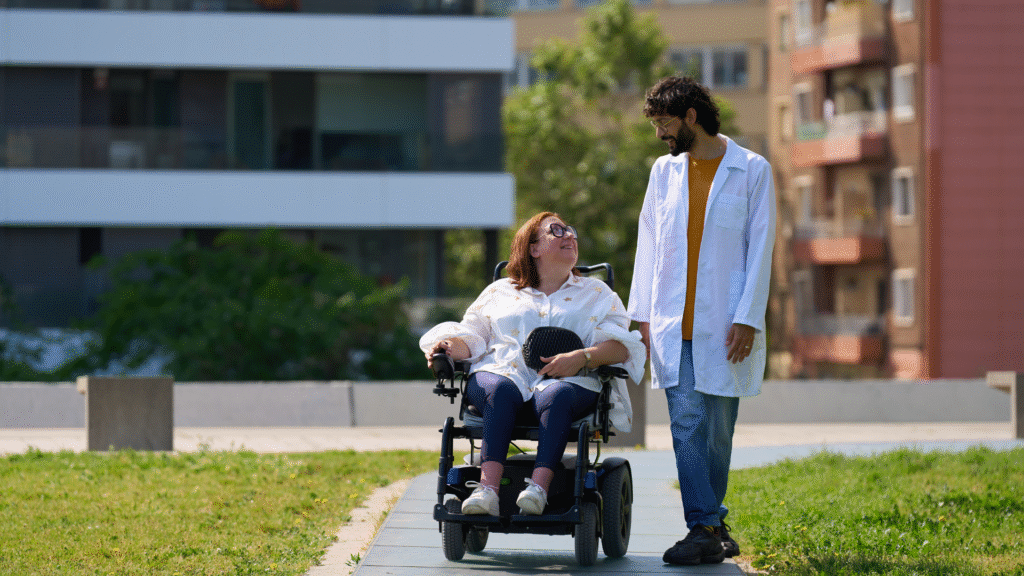
Making Mobility Aid Trials Accessible: Bringing Assistive Tech Closer to Customers

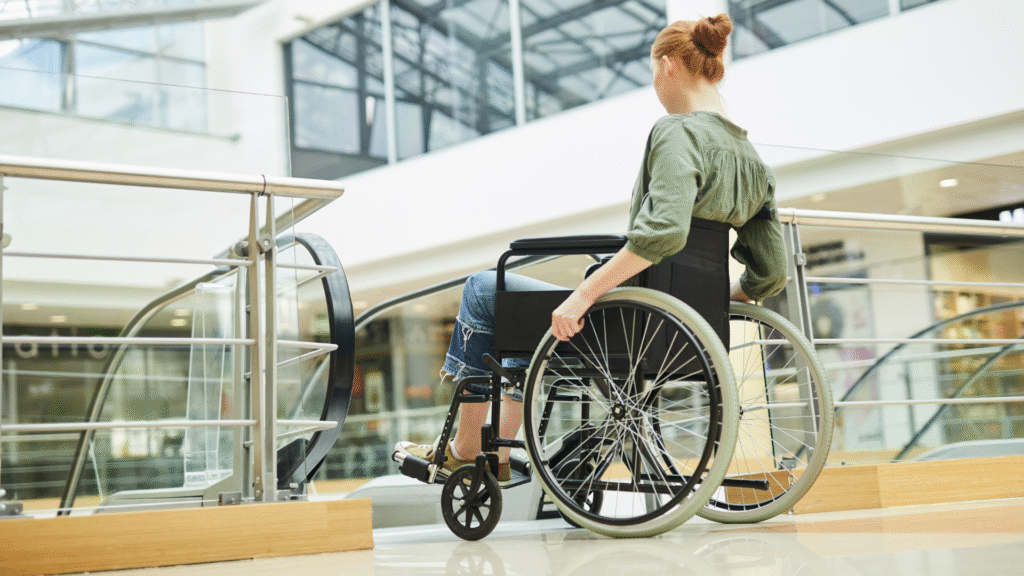
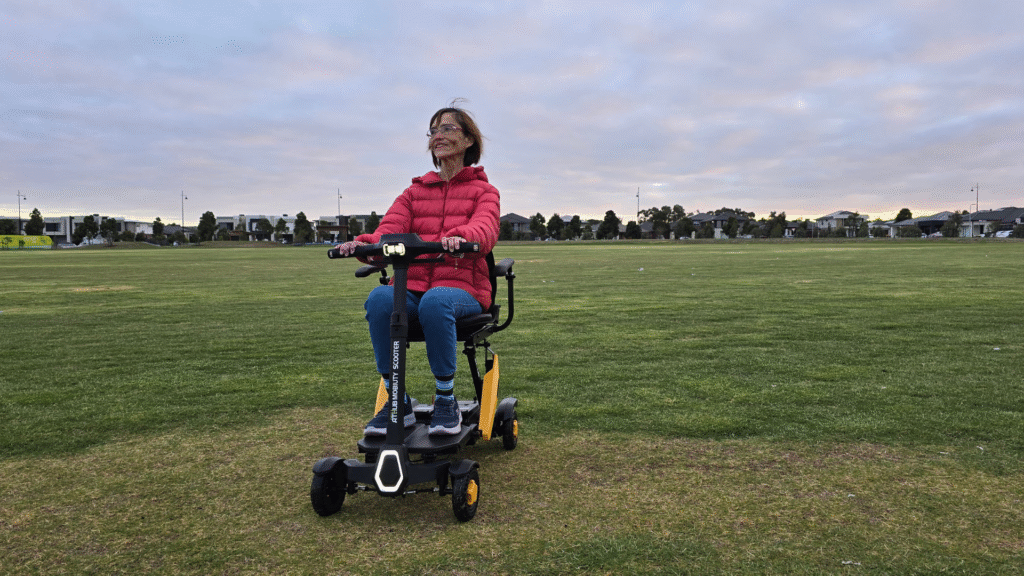
Introduction: The Need for Accessible Assistive Tech Trials Choosing the right mobility aid can make a world of difference in a person’s independence and comfort. But for many Australians, trying out mobility aids before purchase can be challenging — especially for those with limited transportation, health concerns, or who live far from assistive tech showrooms. That’s where accessible mobility aid trials come in. These trials bring assistive technology closer to patients, caregivers, and rehabilitation specialists — ensuring that every user gets the chance to see, test, and feel how a product fits into their daily life. Challenges in Traditional Mobility Aid Trials Travel Barriers for Patients For many patients and caregivers, the biggest challenge is simply getting to the showroom. Travelling with mobility equipment or without proper transportation can be exhausting and inconvenient. Some may even skip trials entirely and purchase devices online — only to find out later that they’re not suitable for their needs. Limited Access to Demonstration Equipment Another common issue is the lack of variety available for testing. Some clinics or suppliers only offer a few models, limiting a patient’s ability to compare and find the right fit. Without trying multiple options, users risk choosing a device that doesn’t match their height, condition, or home environment. Innovative Approaches to Bringing Trials Closer In-Clinic Demonstrations Some medical centres and rehabilitation clinics now partner with assistive tech providers like Assistive Tech Hub to conduct in-clinic demonstrations. Patients can try mobility aids during therapy or consultation sessions, with guidance from clinicians who understand their physical capabilities. This approach ensures that every trial is clinically supervised, improving safety and accuracy in selecting the most appropriate device — whether it’s a lightweight wheelchair, a powered mobility scooter, or a daily living aid. Mobile Trial Units and Home Visits To make trials even more accessible, mobile trial units and home-based demonstrations are becoming more common. These allow patients to test equipment right in their homes or communities — an environment where they’ll actually be using the device. This model removes transportation barriers and helps both users and therapists evaluate how a mobility aid performs on real-world surfaces, such as ramps, tiles, or grass. It’s a more personalised, realistic way of finding the perfect fit. Benefits of Accessible Mobility Aid Trials Improved Patient Confidence When users can physically test and understand how a mobility aid works, they gain confidence in their decision. They can evaluate comfort, ease of use, and manoeuvrability — factors that are difficult to judge from online descriptions alone. Accessible trials empower users to make informed, safe choices, reducing the frustration and cost of unsuitable purchases. Better Equipment Fit and Safety An accessible mobility trial ensures that devices are tailored to the user’s specific body measurements, lifestyle, and health needs. This not only enhances comfort but also promotes long-term safety and rehabilitation success. For example, a patient recovering from a stroke may need a different frame height or handle type than someone with arthritis. By testing equipment in advance, therapists can make precise adjustments and recommend the right features before purchase. How Assistive Tech Hub Facilitates Accessible Trials At Assistive Tech Hub, accessibility isn’t just a goal — it’s our standard. We understand that every individual deserves the chance to experience mobility aids first-hand before making a decision. We collaborate with clinics, rehabilitation centres, and care organisations to bring assistive technology closer to users through: In-clinic demonstrations guided by healthcare professionals. Home trial options that allow users to experience products in their everyday environment. A disability-friendly showroom for those who wish to visit in person. Whether you’re a patient, caregiver, or therapist, our team ensures a stress-free, hands-on experience so you can confidently select the best product for your mobility needs. Conclusion: Making Mobility Aid Trials Convenient Enhances Choice and Outcomes Accessible mobility aid trials redefine how assistive technology is chosen — making the process more inclusive, convenient, and personalised. When patients can test devices comfortably and safely, they’re more likely to find equipment that truly supports their lifestyle and recovery journey. At the end of the day, accessibility isn’t just about reaching more people — it’s about giving every individual the freedom to move, live, and choose confidently. Key Takeaways Accessible trials reduce barriers for patients. They improve confidence and ensure better equipment fit. They promote safer, more effective use of mobility aids. They encourage wider adoption of assistive technology in everyday life. Explore our store for trial-ready mobility aids: Assistive Tech Hub Store. Contact us to arrange an accessible trial near you: Get in Touch with Us,

Making Mobility Aid Trials Accessible: Bringing Assistive Tech Closer to Customers Read More »

A Complete Guide to Transporting Heavy Mobility Aids When Travelling by Air

Introduction: Challenges of Air Travel with Mobility Aids Travelling by air can be an exciting experience, but for people using heavy mobility aids such as electric wheelchairs, mobility scooters, or specialised walkers, it also brings unique challenges. Concerns about airline handling, damage during transport, and accessibility at airports can make travel feel stressful — especially for first-time flyers with assistive equipment. Fortunately, with the right preparation and understanding of airline policies, you can enjoy a smooth and worry-free journey. At Assistive Tech Hub, we understand how important your mobility device is to your independence. That’s why we’ve created this guide to help travellers, caregivers, and airline staff ensure that every mobility aid arrives safely at your destination. If you’re planning a trip soon, you can also browse our range of lightweight, travel-friendly mobility aids at the Assistive Tech Hub store, designed for easy folding, disassembly, and safe transport. Understanding Airline Policies for Mobility Equipment Each airline has its own guidelines on transporting mobility aids by air, including how they handle wheelchairs, scooters, and batteries. Being informed about these requirements will help prevent last-minute issues at check-in. Airline-Specific Requirements Most airlines in Australia — such as Qantas, Virgin Australia, and Jetstar — allow passengers to carry mobility equipment free of charge, provided it’s used for personal mobility. However, size and weight restrictions can vary. Electric or powered devices may require advance notice, especially if they contain lithium batteries. Before your flight, contact your airline or visit their accessibility page to confirm: Accepted battery types (dry cell, wet cell, or lithium-ion) Disconnection or packing procedures for batteries Weight or size limits for wheelchairs and scooters Whether the equipment will be carried in the cabin or cargo hold To make things easier, our Assistive Tech Hub team can help you identify airline-compatible mobility aids and provide specifications you can show during check-in. Documentation and Notifications Always inform your airline at least 48–72 hours before departure if you’re travelling with a large or powered mobility device. You may be asked to fill out a mobility aid transport form or provide equipment details such as: Make and model Dimensions (folded and unfolded) Battery type and wattage Keep a copy of your device’s manual or technical data sheet handy. This ensures smoother coordination with airline staff, especially during safety inspections or handling. Preparing Your Mobility Aid for Transport Proper preparation can make a huge difference in keeping your equipment safe and functional upon arrival. Disassembly and Packing Tips If your mobility aid can be partially dismantled, remove small detachable components such as footrests, cushions, or arm supports. Use labeled bags or containers to keep these parts secure. For foldable designs like travel mobility scooters or lightweight manual wheelchairs, lock any moving parts and wrap the frame in protective materials such as bubble wrap or foam padding. You can find foldable travel-ready mobility aids in our store, perfect for air transport and compact storage. Protective Measures and Safety Protect your device from potential bumps or scratches by: Wrapping control panels or joystick areas with padding Using a rigid case or protective cover for battery terminals Labeling your device clearly with your name and contact number If you use a powered wheelchair, disconnect and secure the battery according to airline and manufacturer safety instructions. Some airlines may request that you carry the battery in the cabin, especially for lithium models. You can always contact us at Assistive Tech Hub for guidance on safe packing and battery management before your flight. Airport Procedures and Assistance Knowing what to expect at the airport helps you stay organised and confident throughout your journey. Check-in and Gate Support Arrive early — at least two hours before domestic flights or three hours before international flights. When checking in, inform staff that you’re travelling with a mobility aid and whether it’s powered or manual. Airlines typically provide gate-to-gate assistance, allowing you to use your mobility aid until boarding time. You’ll then be transferred to an aisle wheelchair, and your equipment will be safely loaded by trained handlers. Some airports in Australia even offer pre-boarding services for passengers with accessibility needs — a great way to ensure your comfort. To make travel even easier, consider choosing air-travel-approved equipment from Assistive Tech Hub. Many of our models are lightweight, foldable, and easy to maneuver through busy terminals. Security Screening Considerations Security officers are trained to handle mobility aids respectfully, but you can request alternative screening methods if standing or walking is difficult. For example, a manual pat-down or hand-held detector screening can be done while you remain seated in your device. If your mobility aid must be inspected separately, ask staff to handle it carefully and explain any sensitive areas (e.g., controls or detachable parts). Keeping calm and communicative ensures both safety and respect. Upon Arrival: Retrieving and Reassembling Your Mobility Aid After landing, your mobility aid will typically be returned to you at the arrival gate or the oversized baggage area, depending on the airport. Inspect it immediately for any visible damage or loose parts.If something seems off, report it right away to the airline’s mobility assistance or baggage service team. Airlines are responsible for repair or replacement costs if the damage occurred during handling. Reassemble any removed parts and test your device before leaving the airport. If you need professional advice on post-flight adjustments or equipment servicing, the Assistive Tech Hub team can connect you with local repair partners and service providers. Conclusion: Ensuring Safe and Stress-Free Air Travel with Mobility Equipment Travelling with a mobility aid doesn’t have to be complicated. With proper preparation, airline coordination, and a reliable travel-ready device, you can enjoy your journey confidently — whether you’re flying interstate or overseas. At Assistive Tech Hub, we’re passionate about making accessible travel easier for everyone. Explore our wide range of mobility aids built for travel — from lightweight wheelchairs to foldable scooters and portable ramps — in our store. Need personalised guidance? Contact us to get expert advice on preparing

A Complete Guide to Transporting Heavy Mobility Aids When Travelling by Air Read More »

Compare Products

Scroll to Top