Assistive Tech Hub

5 Most Popular Mobility Scooters in Australia Right Now

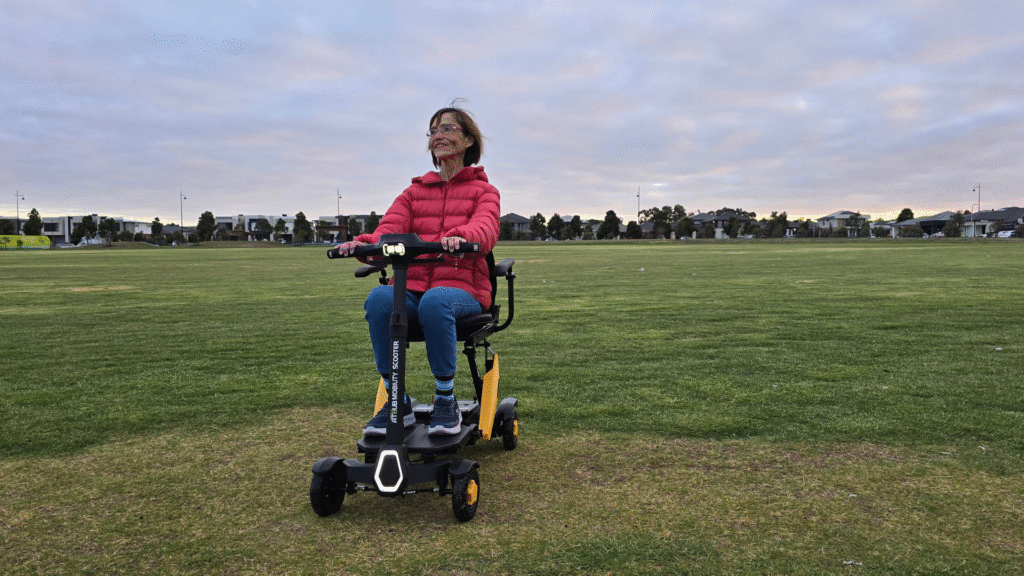
In a country as vast and diverse as Australia, mobility means freedom. For individuals facing mobility challenges, the right scooter isn’t just about getting from point A to B—it’s about regaining independence, confidence, and the ability to enjoy life on their terms. From lightweight, foldable models to heavy-duty, all-terrain machines, the demand for mobility scooters in Australia has grown rapidly in recent years. Today, Australians are seeking more than just functionality. They’re looking for comfort, design, portability, and long-term reliability. Whether you’re a city dweller needing something compact or someone exploring wide open spaces, there’s a scooter tailored to your needs. Based on customer preference, usability, and NDIS compatibility, here’s a closer look at the top mobility scooters in Australia right now. Foldable Freedom: Compact & Travel-Friendly Rides One of the biggest trends in 2025 is the rise of foldable mobility scooters. These lightweight devices are perfect for people who travel often or live in apartments where space is limited. Their design allows for easy transport in cars and public transport, making them ideal for urban users. With minimal setup and reliable battery life, foldable scooters have become the go-to choice for those who value flexibility and storage convenience. Many NDIS approved mobility scooters in Australia fall into this category, offering a perfect balance between functionality and affordability. They’re especially popular among older adults and part-time users who need occasional support for shopping, appointments, or short outings. Heavy-Duty Mobility Scooters: Built for Tougher Roads While foldables cater to convenience, those living in rural areas or with higher body weight requirements often turn to heavy duty mobility scooters. These models are engineered for power and endurance. With bigger wheels, stronger suspension, and longer battery range, they’re made to handle uneven terrain, steep paths, and extended travel without compromising on comfort. Australians with active lifestyles or specific medical conditions often choose heavy-duty options to keep pace with daily routines that lighter scooters may not support. These scooters tend to be more robust, and although they take up more space, they deliver unmatched reliability over long distances. Lightweight Options Gaining Popularity At the intersection of power and portability, lightweight mobility scooters in Australia are carving a strong niche. These models are easy to lift, store, and manoeuvre—without sacrificing core features like battery performance or seat comfort. They’re especially well-suited for indoor use, paved pathways, and smoother surfaces. Many buyers prefer them for their simplicity and low maintenance, making them a top pick for beginners or seniors who are new to using electric scooters. Electric Mobility for Everyday Life There’s been a clear shift toward electric mobility scooters as Australia continues to embrace smarter and more eco-conscious living. With rechargeable batteries, zero emissions, and low noise, electric scooters offer a quiet, clean, and efficient way to move through everyday environments. From shopping malls to seaside paths, they’ve become an everyday companion for thousands of users across the country. In fact, many affordable mobility scooters in Australia now come with electric systems that are both budget-friendly and energy-efficient. With added tech features like LED displays, USB ports, and regenerative braking, 2025 models are more intelligent and user-friendly than ever. What Makes a Scooter Truly Popular? Popularity in the mobility scooter space isn’t just about sales volume—it’s about real-world performance, user comfort, post-sale support, and NDIS compatibility. Many people now start their search with terms like “mobility scooters near me Australia” or browse through NDIS suppliers to compare product features and prices. The best mobility scooters in Australia right now offer a mix of style, comfort, easy handling, and long-term dependability. As more people qualify for mobility support through NDIS, the availability of quality scooters across Australia’s cities and towns continues to rise. Final Thoughts Choosing the right scooter depends on your personal lifestyle, travel habits, and physical needs. Whether you’re after a compact foldable option, a rugged heavy-duty machine, or a sleek electric model, Australia’s market in 2025 offers plenty of reliable choices. As awareness grows and technology evolves, popular mobility scooters in 2025 will continue to reflect what matters most to users—mobility without limits. So whether you’re searching for the best mobility scooters in Australia or browsing options near you, the perfect ride is out there waiting to get you moving again—with safety, ease, and confidence. FAQs – Mobility Scooters in Australia Answered by Assistive Tech Hub (assistivetechhub.com.au) 1. What is the best mobility scooter in Australia for everyday use? At Assistive Tech Hub, we understand that every user’s needs are different. For everyday use, we recommend scooters that are lightweight, easy to operate, and suitable for both indoor and outdoor environments. Our team can help you choose the best mobility scooters in Australia based on your lifestyle, terrain, and comfort preferences. 2. Do you offer NDIS-approved mobility scooters in Australia? Yes, absolutely. We provide a wide range of NDIS-approved mobility scooters in Australia. Whether you’re looking for a compact foldable model or a heavy-duty option, we can guide you through the selection and assist you in submitting all the necessary documents to get NDIS funding approval. 3. Can I buy a mobility scooter online through Assistive Tech Hub? Yes, you can. We make it easy to buy mobility scooters online in Australia through our website. Our process includes expert consultation, home delivery, and full customer support to make sure your scooter is a perfect fit for your mobility needs. 4. Do you offer foldable or portable scooters? We offer a wide variety of foldable mobility scooters that are compact, travel-friendly, and easy to store. These are ideal for users who need to transport their scooter in a car or have limited storage space at home. 5. What’s the difference between lightweight and heavy-duty scooters? Lightweight mobility scooters are easy to lift and maneuver, ideal for everyday errands and indoor use. Heavy-duty mobility scooters, on the other hand, are built for rougher terrain, longer travel ranges, and higher weight capacities. At Assistive Tech Hub, we help you choose the right one based on

5 Most Popular Mobility Scooters in Australia Right Now Read More »

10 Best Assistive Technology Devices for 2025

The landscape of assistive technology in 2025 is rapidly evolving, blending cutting-edge innovation with everyday practicality. As the world becomes more inclusive, seniors, people with disabilities, and caregivers are embracing smarter ways to lead safer and more independent lives. From intelligent mobility aids to user-friendly homecare devices, assistive technology in Australia is becoming not only more accessible but also more empowering. At Assistive Tech Hub, our mission is to connect you with the latest assistive technology of 2025, tested and trusted by real users. Whether you’re an NDIS participant, a senior aiming to age in place, or a family caregiver, this guide highlights the top tools making life easier, safer, and more independent. The Rise of Smart, Supportive Tech Assistive technology in 2025 goes far beyond traditional aids. Devices are now more compact, AI-powered, and tailored to personal needs. As our homes grow smarter and our expectations rise, assistive tools are catching up — offering seamless integration with daily routines and personalized support. Importantly, many of these devices are NDIS-approved, making them accessible to eligible Australians. With online platforms like Assistive Tech Hub, users can now buy assistive tech online in Australia with confidence and clarity. The 10 Best Assistive Technology Devices for 2025 Here’s a look at the most effective and innovative solutions making a difference this year. 1. Smart Fall Detection Wearables These aren’t just emergency alarms — today’s fall detection devices use AI to distinguish real falls from false alarms and notify carers or emergency services automatically. They offer peace of mind for both seniors and families. 2. Electric Folding Mobility Scooters Perfect for active seniors and NDIS participants, these scooters are lightweight, airline-approved, and foldable. They’re redefining independence for users with mobility challenges in 2025. 3. Voice-Controlled Home Assistants for Accessibility No more fiddling with switches or remote controls. Voice tech integrated into lighting, doors, and appliances helps those with limited dexterity or visual impairments control their home effortlessly. 4. Robotic Walking Aids These intelligent walkers adjust speed, provide real-time balance support, and can be used both indoors and outdoors. It’s one of the most promising mobility aids of 2025. 5. Smart Medication Dispensers Forget missed doses. These dispensers track medication times, lock between schedules, and alert users or caregivers. They’re especially helpful for dementia patients or those on multiple prescriptions. 6. Adjustable Pressure-Relief Beds Commonly used in hospitals, these beds are now available for home use. Ideal for individuals with limited mobility, they prevent bedsores and ensure proper posture. 7. Ergonomic Daily Living Aids From one-touch can openers to adaptive cutlery, these tools simplify routine tasks for people with arthritis, tremors, or reduced grip strength. Simple, but life-changing. 8. GPS-Enabled Smartwatches for Seniors Offering more than timekeeping, these smartwatches come with location tracking, heart monitoring, and SOS features. They’re ideal for seniors living independently or with memory concerns. 9. Digital Communication Tablets These aren’t just tablets — they’re designed specifically for people with speech or mobility difficulties. With customizable buttons and visual aids, communication becomes easier and more inclusive. 10. Wheelchair-Compatible Smart Umbrellas While simple in concept, these new additions offer hands-free weather protection — great for outings, independence, and overall comfort. Each of these products reflects a trend toward assistive technology for elderly and people with disabilities that is not only functional but also stylish, discreet, and easy to use. Assistive Technology in Australia: Why 2025 Is a Milestone Year Australia is at the forefront of innovation when it comes to inclusive tech. With increased funding from the NDIS and growing awareness among healthcare professionals and families, the assistive tech sector has matured. Online platforms like Assistive Tech Hub make it easier than ever to compare features, read real reviews, and buy assistive technology online in Australia — all with expert support and delivery options across the country. Moreover, most of the top assistive tech products of 2025 are eligible for funding, making them affordable for a wider population. Whether you’re managing post-surgical recovery, long-term mobility issues, or simply planning for independent aging, now is the time to explore your options. Final Thoughts 2025 is shaping up to be a breakthrough year for assistive technology. These tools are more than just devices — they’re enablers of freedom, connection, and dignity. From smart fall sensors to AI-driven walkers, assistive technology is no longer a “special need” — it’s a universal solution. At Assistive Tech Hub, we’re proud to offer a curated selection of these innovative tools with personalized consultation, NDIS support, and easy online ordering. Empower your independence, embrace safety, and take advantage of what technology now offers in everyday life. FAQs – Answered by Assistive Tech Hub Q1: Are all these assistive tech products available under NDIS in 2025?A: Many of the products we offer are NDIS assistive technology devices and can be claimed under your plan if they meet your goals and needs. We’re happy to guide you through the eligibility and application process. Q2: Can I try out the devices before I purchase them?A: We offer demo options for selected items and provide video consultations so you can better understand how each device works before making a purchase. Q3: I live in a regional area. Can I still buy assistive tech online in Australia?A: Absolutely. We ship Australia-wide, including to rural and remote areas, with full tracking and after-sale support. Q4: How do I know which product is right for me or my loved one?A: Our trained specialists at Assistive Tech Hub provide personalized recommendations based on your condition, daily needs, and budget. You can reach us via call or chat for a free consultation. Q5: Are these technologies difficult to use for seniors?A: Not at all. We prioritize user-friendly designs and offer onboarding guides. Most devices are plug-and-play or require minimal setup. Q6: Do I need a prescription or medical approval to order assistive tech?A: Some high-level equipment may need an OT or medical referral for NDIS funding, but many daily living aids and smart devices can be purchased directly

10 Best Assistive Technology Devices for 2025 Read More »

How Assistive Tech Can Help You Age in Place Comfortably

Aging is a natural process, but it doesn’t have to mean giving up comfort, independence, or the familiarity of your own home. Today, thanks to advancements in assistive technology for elderly people, growing older can be a smoother and safer experience. With the right solutions, seniors can confidently choose to “age in place” — staying in their homes instead of moving to assisted living facilities. At Assistive Tech Hub, we believe that independence and safety should go hand in hand. Our range of homecare assistive technology is designed to empower older Australians, especially those supported under the NDIS, to maintain their daily routines with dignity and ease. What Does It Mean to Age in Place? Aging in place means continuing to live in your own home as you grow older, rather than relocating due to physical limitations or safety concerns. It is a lifestyle choice that prioritizes familiarity, emotional well-being, and self-reliance. However, to make this choice feasible, the environment often needs to be adapted using appropriate aged care equipment and mobility aids. This is where assistive tech plays a vital role. How Assistive Tech Supports Comfortable Independent Living Assistive technology for seniors goes beyond medical devices. It includes practical, everyday tools that help with tasks such as walking, bathing, cooking, remembering medications, or staying connected to loved ones. These technologies reduce the physical and emotional burden on both seniors and caregivers. For example, an elderly person with arthritis may find it difficult to grip standard kitchen tools. A set of ergonomic utensils can instantly make meal preparation manageable again. Someone recovering from a fall may fear walking unassisted. A lightweight rollator can restore both mobility and confidence. When implemented thoughtfully, assistive devices do more than just support — they transform lives. Common Challenges Solved by Assistive Tech Many older Australians face common issues like reduced balance, limited mobility, forgetfulness, or chronic pain. These challenges can make routine activities difficult or even dangerous. That’s where daily living aids for seniors step in. Bathroom slips, a leading cause of injury in older adults, can be prevented with proper homecare assistive technology like grab rails, shower chairs, or raised toilet seats. For someone who forgets their medication, automated pill dispensers and reminder systems offer peace of mind for both them and their families. Even technology traditionally considered complex — like voice assistants or smart lighting — can be adapted to serve seniors. With voice commands, lights can be switched on or off without moving, while video doorbells let them see who’s at the door without getting up. Choosing the Right Aged Care Equipment in Australia Every individual has different needs. Some require simple solutions like non-slip footwear or bed rails. Others may need more advanced devices such as motorised wheelchairs, pressure-relief mattresses, or GPS-enabled fall detectors. When selecting aged care equipment in Australia, it’s essential to ensure that the product is: Designed for long-term use Easy to operate Covered under NDIS (where eligible) Supported by reliable customer service At Assistive Tech Hub, we provide not only products but also guidance. Whether you’re a senior, a caregiver, or a family member, our expert team helps match the right solution to the right person. Supporting NDIS Participants with the Right Tools If you or your loved one is supported under the National Disability Insurance Scheme (NDIS), you may be eligible for a wide range of NDIS home assistive products for seniors. This can cover everything from walking aids to home modifications. We help you navigate the process — from product selection to paperwork — so you can focus on what matters most: safety, comfort, and independence. Real-World Impact: More Than Just Devices The impact of assistive tech isn’t limited to physical comfort. It’s about restoring control, building confidence, and enhancing quality of life. Take the example of Harold, a retired teacher in Brisbane. After a minor stroke, he found himself needing help with daily activities. With the help of Assistive Tech Hub, Harold installed a smart monitoring system, mobility scooter, and bathroom aids. Within weeks, he was walking in the park again, joining community meetings online, and living independently — just as he wanted. This is the promise of assistive technology: not just to help people survive, but to help them thrive. Final Thoughts Aging in place should not be a struggle — it should be a supported choice. With the right assistive tech for seniors, living independently at home becomes more than just possible; it becomes comfortable, empowering, and dignified. At Assistive Tech Hub, we’re proud to offer a curated selection of mobility aids, homecare assistive technology, and NDIS-approved equipment tailored for Australia’s aging population. Whether you’re adapting a home for yourself or helping a loved one, we’re here to make the journey easier, safer, and more comfortable. FAQs – Answered by Assistive Tech Hub Q1: What are the best assistive devices for seniors living alone?A: Personal emergency alarms, smart lighting systems, and mobility aids like rollators or walking sticks are among the most valuable for seniors living independently. These provide both freedom and quick access to help if needed. Q2: Can I get financial support for assistive tech through the NDIS?A: Yes, many of our assistive devices are NDIS-approved. We assist in product selection and can guide you through the claim process. Q3: Are your products suitable for both urban and rural homes in Australia?A: Absolutely. We ship across Australia and offer remote consultations to ensure that even rural clients get access to the right tools and advice. Q4: I’m a caregiver—how can this tech reduce my workload?A: Assistive technology reduces the need for constant physical support. Devices like fall detectors, medication reminders, and automated lighting allow seniors to be more self-reliant, giving caregivers peace of mind and more flexibility. Q5: What if I’m unsure about what product is right for me or my parent?A: Our specialists are here to help. Simply reach out to Assistive Tech Hub for a free consultation, and we’ll guide you based on your specific needs

How Assistive Tech Can Help You Age in Place Comfortably Read More »

Funding Your Disability Equipment: What Are Your Options?

Purchasing disability equipment or mobility aids can be life-changing, but the cost can sometimes feel overwhelming. The good news is there are many funding options, government schemes, and support programs in Australia to help you or your loved one access the essential aids you need. In this guide, we’ll break down how to fund your disability equipment, what programs to look into, and tips to make the process easier — plus we’ll highlight how Assistive Tech Hub can help you find the right products for your budget and lifestyle. Why Funding Mobility Aids Matters For people living with disabilities, mobility aids like power wheelchairs, foldable mobility scooters, walkers, and daily living tools like grabbers aren’t luxuries — they’re essentials that support independence, safety, and quality of life. But depending on what you need, the cost can range from a few hundred to several thousand dollars. That’s why knowing your funding options is so important. 1. The National Disability Insurance Scheme (NDIS) For many Australians, the NDIS is the primary source of funding for disability equipment. If you’re eligible, the NDIS can cover reasonable and necessary supports, including mobility aids, home care beds, daily living aids, and assistive technology. How it works You need to be under 65 and meet eligibility requirements. You’ll work with a planner to create a plan that includes your goals and support needs. Approved funding can go toward products like a Voice Control Homecare Hi-Low Bed or a Powered Patient Lifter. Assistive Tech Hub can provide quotes and invoices to help you claim your supports under your plan. 2. My Aged Care and Home Care Packages For seniors over 65, the My Aged Care system can provide government funding for aids and equipment to help you stay safe at home. You may be eligible for a Home Care Package (HCP) which can cover items like: Rollator Walkers Foldable Shower Chairs Toilet Rails Speak to an Aged Care assessor or provider for help applying your funding to essential mobility aids. 3. State-Based Equipment Schemes Each Australian state and territory may have its own equipment funding program. For example: Victoria: The SWEP (State-wide Equipment Program) NSW: EnableNSW Queensland: Medical Aids Subsidy Scheme (MASS) WA: WA Equipment Program (WEP) These schemes often subsidise wheelchairs, scooters, beds, or bathroom aids for eligible residents. Check your state’s health department website or talk to your healthcare provider to see if you qualify. 4. Private Health Insurance Some private health insurance extras policies may provide limited cover for mobility aids and equipment, depending on your plan. Check with your insurer to see what’s included and whether a prescription or referral is required. 5. Charities and Community Grants Many charities and community organisations provide funding or equipment loans for people in need. Some examples include: The Lions Club and Rotary Clubs sometimes run local equipment banks. The Red Cross offers short-term equipment hire. Disease-specific charities (like MS Australia, MND associations) may offer grants for specialised equipment. Searching local community resources can uncover extra support you may not have known about. 6. Self-Funding and Payment Plans If you don’t qualify for government or community funding, some people choose to self-fund essential aids. To help make this more manageable: Shop around for affordable, reliable suppliers like Assistive Tech Hub. Look for flexible payment options — some equipment providers offer payment plans. Buy smart: choose durable products with warranties and aftercare support. At Assistive Tech Hub, we stock a wide range of affordable options, from foldable commode chairs to mobility scooter accessories that make daily life easier without breaking the bank. Tips for Applying for Funding Get a professional assessment. A healthcare professional’s recommendation is often needed for NDIS, My Aged Care, or state equipment schemes. Keep quotes and paperwork ready. Assistive Tech Hub can help you with detailed quotes and invoices for your plan manager or funding provider. Plan ahead. Some funding approvals can take weeks or months — start early and factor in any waiting times. Use trusted suppliers. Always buy from reputable providers who understand NDIS, HCPs, and other funding processes. How Assistive Tech Hub Can Help At Assistive Tech Hub, we’re more than just an online store. We help you find the right mobility aids — and we make the funding process simpler: We provide NDIS-ready quotes and invoices We stock trusted brands and quality products We offer friendly support to help you choose what works best for your needs and budget Whether you need a Gait Trainer Walker, Waterproof Mattress, or smaller daily aids like a Sock Holder or Multi-purpose Dressing Stick, we’re here to help. Key Takeaway Funding your mobility aids doesn’t have to feel overwhelming. With the right advice and a trusted supplier, you can access the support you need to stay independent, safe, and comfortable at home. Ready to find the right aid for your needs? Visit the Assistive Tech Hub Store today — and reach out if you need help with quotes or funding questions. We’re here to help you every step of the way. FAQs Can I use my NDIS plan to buy mobility aids? Yes. If your mobility aid is reasonable and necessary, your NDIS plan can cover it. Assistive Tech Hub can supply quotes to support your claim. What if I’m over 65 and not eligible for the NDIS? If you’re over 65, My Aged Care and Home Care Packages may help fund your mobility or daily living aids. Are there payment plans available for mobility aids? Some suppliers offer payment plans to spread out costs. Always ask your supplier — at Assistive Tech Hub, we’re happy to help you find the best option. What should I do if I can’t afford the equipment I need? Look into state schemes, community charities, or talk to your healthcare provider about local support services. Do I need a prescription to buy disability equipment? For some funding programs, you may need an assessment or prescription from a doctor or therapist — especially for more advanced equipment like

Funding Your Disability Equipment: What Are Your Options? Read More »

Top Disability Equipment for Kids: A Parent’s Guide

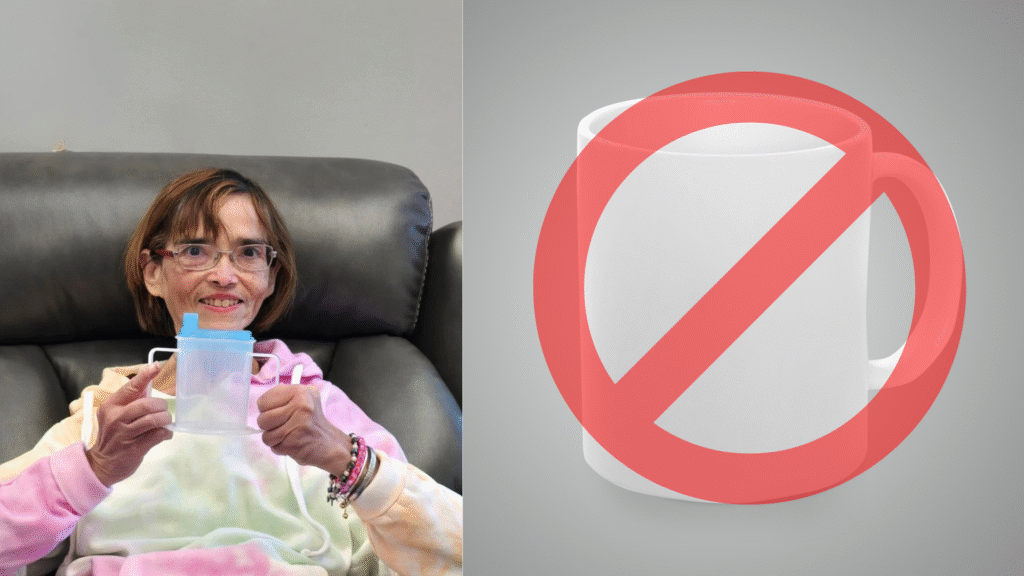
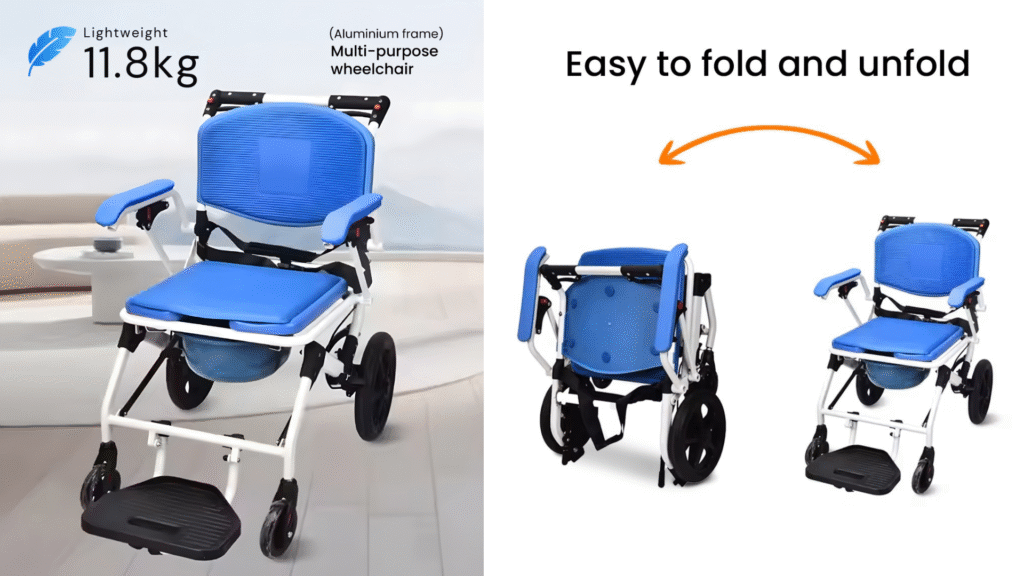
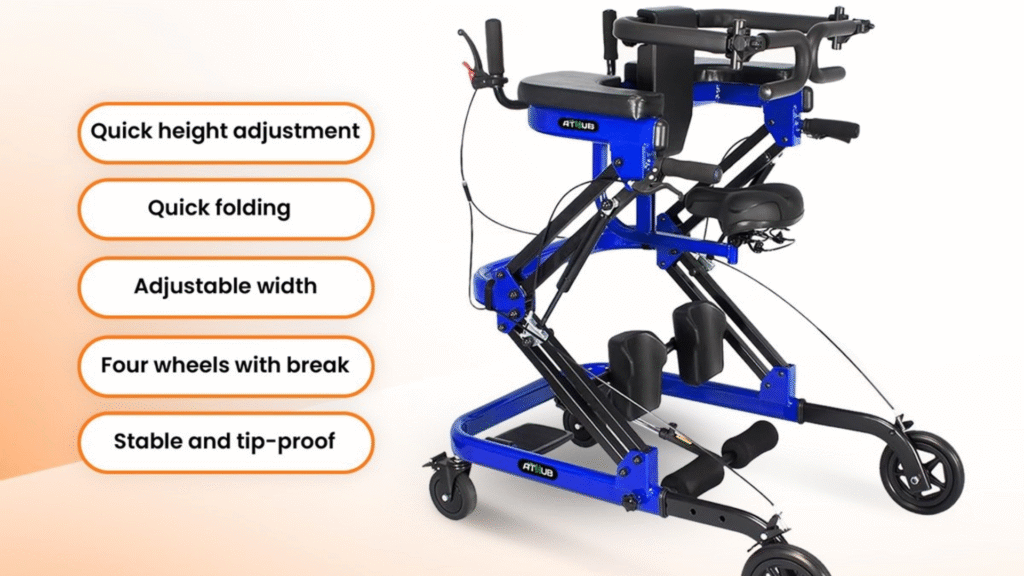
Caring for a child with mobility or developmental challenges comes with unique responsibilities — and choosing the right equipment can make a huge difference to your child’s comfort, independence, and happiness. The right disability equipment doesn’t just help your child move safely — it supports play, learning, and daily life. In this guide, we’ll share some of the top disability equipment for kids, what to look for, and how Assistive Tech Hub can help parents find trusted, kid-friendly solutions. Why the Right Equipment Matters For children, the right mobility or daily living aids mean freedom to play, learn, and participate more fully at home, school, or in the community. Good equipment grows with your child, adjusts to their changing needs, and keeps them safe and comfortable. Wheelchairs for Kids Many children with mobility challenges need a wheelchair for daily movement or longer outings. It’s important to choose a wheelchair that’s safe, lightweight, and easy for parents or caregivers to handle. The Growmate Paediatric Wheelchair at Assistive Tech Hub is designed specifically for children. It’s lightweight, easy to fold, and built with comfort in mind. When choosing a kids’ wheelchair, consider: Adjustable footrests and armrests Lightweight frames for easy transport Durable wheels for indoor and outdoor use Supportive seat cushions Walkers and Gait Trainers For children who can walk with support, a walker or gait trainer can build strength and confidence. These devices help kids move safely at home or school. A Gait Trainer Walker provides extra stability and can be adjusted as your child grows. Look for models with comfortable grips, padded harnesses, and easy maneuverability. Beds and Safety Rails Good sleep is essential for every child. Some children with mobility or developmental needs benefit from specialised beds that prevent falls and provide safe positioning. The Voice Control Homecare Hi-Low Bed is a smart option that adjusts height with voice control, helping parents or carers lift or position their child safely. Adding Side Rails helps prevent rolling out of bed. Pair it with a quality Waterproof Mattress to protect against spills and accidents. Bathroom and Toilet Aids For families caring for kids with limited mobility, bathroom time can be a challenge. Safe, supportive bathroom aids make life easier for kids and parents. A Foldable Shower Chair or 360° Rotation Shower Chair provides stability during bath time. For toileting, a Foldable Commode Chair or Toilet Rails can offer extra support. Daily Living Aids for Kids Daily activities like dressing, eating, or playing can be made easier with thoughtful tools. For example: A Foldable Grabber Reacher helps kids pick up items safely. Double Handled Cups, Nursing Cups with Straw, or Elderly Care Bowls are also handy for kids learning to feed themselves. A Multi-purpose Dressing Stick helps with putting on clothes independently. Little tools can make a big difference for children working on fine motor skills and independence. Safety and Monitoring Safety is every parent’s top priority. A simple Wireless Caregiver Pager can alert you if your child needs help. A Door Alarm adds peace of mind by preventing wandering. Travel Aids for Families Going out and about with your child should be stress-free. Compact, lightweight aids like foldable wheelchairs or scooters make family outings easier. Accessories such as a Portable Shopping Bag or Wheelchair Cup Holder add extra convenience on the go. What to Look for When Choosing Kids’ Equipment When shopping for disability equipment for kids, keep these tips in mind: Growth-Friendly Design: Look for equipment that adjusts as your child grows. Comfort and Support: Padded seats, harnesses, and cushions help prevent pressure sores and discomfort. Easy for Parents: Lightweight, foldable, and simple to clean. Safe Materials: Child-friendly and durable. Trusted Suppliers: Always buy from reputable suppliers like Assistive Tech Hub to ensure quality and warranty support. Funding Help for Kids’ Equipment Did you know your child’s equipment may be covered by the NDIS? If you have an NDIS plan, many items can be funded as reasonable and necessary supports. Assistive Tech Hub can help you with quotes and invoices to make claiming easier. Why Parents Trust Assistive Tech Hub At Assistive Tech Hub, we’re here to help parents find the right solutions for their kids. From safe wheelchairs and walkers to daily living aids and bathroom equipment, we’re committed to helping kids live, learn, and grow with confidence. Key Takeaway The right disability equipment supports your child’s mobility, safety, and independence — and gives parents peace of mind. Take your time, seek advice from your child’s healthcare team, and choose trusted, high-quality products designed for kids. Ready to find the best disability equipment for your child? Visit Assistive Tech Hub today and explore our range of safe, practical, kid-friendly aids. FAQs What is the best wheelchair for kids? A lightweight, adjustable wheelchair like the Growmate Paediatric Wheelchair is ideal for comfort and everyday use. Can I get kids’ disability equipment funded through the NDIS? Yes! Many mobility and daily living aids for kids can be funded under the NDIS. Assistive Tech Hub can provide quotes for your plan. Are gait trainers and walkers suitable for children? Absolutely — a Gait Trainer Walker can help children build strength, balance, and confidence while walking. What safety aids should I consider for my child? Items like Side Rails, Wireless Caregiver Pagers, and Door Alarms add peace of mind and extra security. Where can I buy trusted disability equipment for kids in Australia? Assistive Tech Hub offers a range of trusted, kid-friendly mobility aids and daily living equipment with helpful support for parents.

Top Disability Equipment for Kids: A Parent’s Guide Read More »

How to Choose the Best Mobility Scooter for Your Lifestyle

Why Choosing the Right Mobility Scooter Matters Finding the best mobility scooter for your lifestyle can dramatically enhance your independence, safety, and quality of life. Whether you’re a senior aiming to regain daily freedom, an NDIS participant looking for funded mobility solutions, or a carer supporting a loved one’s comfort, the right scooter makes a major difference. At Assistive Tech Hub, we offer a wide range of NDIS-approved mobility scooters suited for various needs—from portable travel scooters to automatic folding models with supportive accessories. Factors to Consider Before Choosing a Mobility Scooter When selecting a scooter, consider the following: Primary use: Indoor, outdoor, shopping centres, or travel Portability: Will it need to fold or disassemble? User weight and comfort: Choose scooters with appropriate weight capacity and ergonomic seating Accessories: Useful additions like the Portable Shopping Bag, Shopping Bag Hook, and Mobility Scooter Flag can enhance usability Explore our full collection of mobility aid accessories to tailor your experience. Types of Mobility Scooters: Folding, Lightweight, and Travel Folding Mobility Scooters Ideal for travellers and those with limited storage space. Our Automatic Folding Mobility Scooter offers push-button folding, making it perfect for car boots and public transport. Lightweight Foldable Scooters Great for mixed indoor/outdoor use. The Lightweight Foldable Mobility Scooter is compact, easy to manoeuvre, and NDIS-eligible. Key Features to Compare When comparing options, look for: Battery Range: How far can it travel per charge? Weight Capacity: Check if it suits your physical needs Portability: Can you lift or fold it easily? Comfort Add-ons: Padded seats, armrests, and customisable handles Assistive Accessories: Shopping Bag Hook Car Assist Handle Set Mobility Scooter Flag These items are also available in our mobility accessories range. Matching Scooters to Your Lifestyle For errands and shopping: Look for scooters with shopping bags and strong front storage options. For regular travel: Opt for the Automatic Folding Mobility Scooter, which folds easily and fits in a car boot. For seniors at home: A Lightweight Foldable Mobility Scooter offers balanced support indoors and in nearby surroundings. Want to try before buying? Book a home trial to test our scooters in your home or local area. NDIS Funding Support for Mobility Scooters NDIS participants can receive funding for mobility scooters under the Assistive Technology category. At Assistive Tech Hub, we help you: Get a formal quote for your NDIS plan Choose an NDIS-approved product Arrange delivery and setup Browse our full NDIS-friendly mobility scooter range or contact our support team for assistance with the funding process. Conclusion Choosing the best mobility scooter for your lifestyle means understanding your physical needs, living environment, and support options. Whether you’re travelling, doing errands, or just getting around at home, there’s a perfect scooter out there for you. Browse our mobility scooter collection Book a free home trial today Speak to our expert team for tailored recommendations FAQs 1. What’s the best mobility scooter for elderly Australians? For comfort, portability, and ease of use, we recommend the Lightweight Foldable Mobility Scooter, ideal for indoor/outdoor use. 2. Can I test a scooter before I purchase it? Yes, you can book a home trial to try scooters in your own environment. 3. Are these scooters funded by NDIS? Yes, our mobility scooters are NDIS-eligible with proper assessment and documentation. 4. What scooter accessories are useful for daily use? Accessories like the Shopping Bag Hook, Portable Shopping Bag, and Mobility Scooter Flag can enhance usability and visibility. 5. Where can I get help choosing a scooter? Contact us or book a trial with our expert support team.

How to Choose the Best Mobility Scooter for Your Lifestyle Read More »

Hospital Beds vs. Home Care Beds: What’s the Difference?

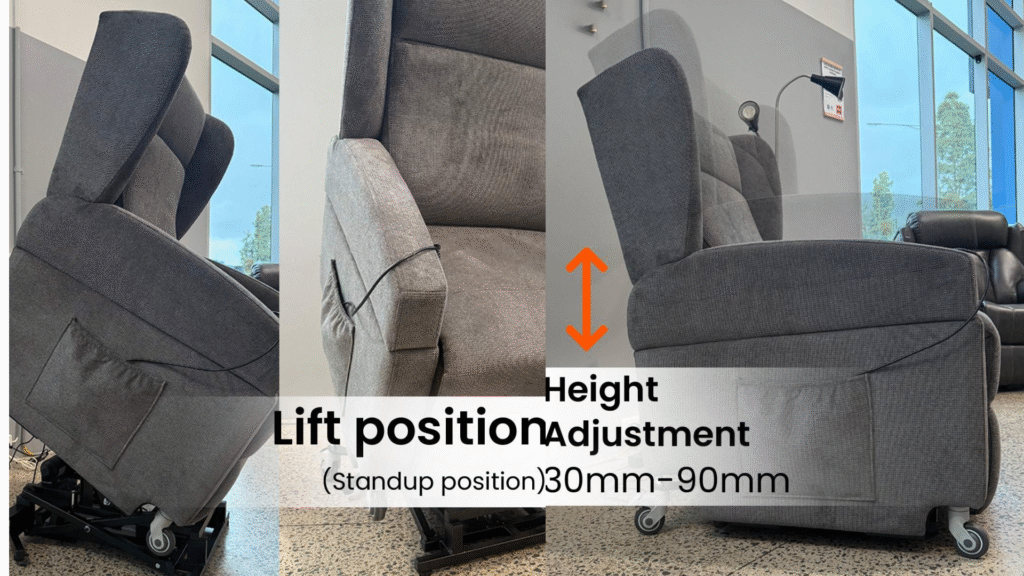
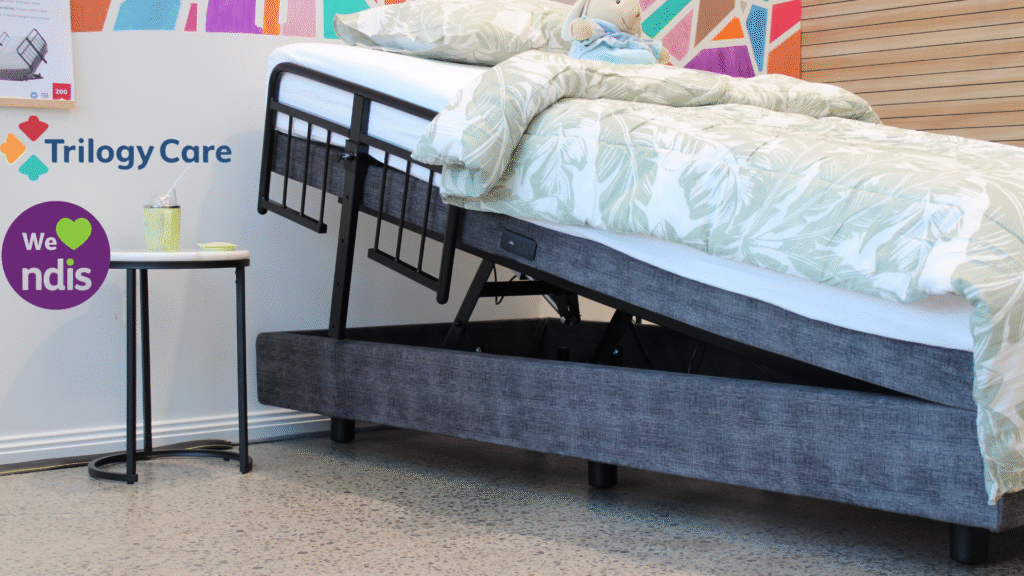
When mobility or health challenges mean you or a loved one needs extra support at home, choosing the right bed is one of the most important decisions you’ll make. But should you get a hospital bed or a home care bed? And what’s the difference between the two? In this guide, we’ll break down how hospital beds and home care beds compare, who needs them, and how to choose the best option for comfort, safety, and independence. Why the Right Bed Matters A good bed isn’t just for sleep — it helps with mobility, positioning, comfort, and care. For people recovering from surgery, managing long-term conditions, or ageing at home, an adjustable bed can make daily life safer and more comfortable for both the user and the caregiver. What is a Hospital Bed? A hospital bed is designed primarily for medical settings like hospitals, clinics, or nursing homes. It has features that make it easy for healthcare professionals to adjust a patient’s position for treatment, monitoring, or transfers. Key features include: Electric or manual adjustability for head and foot sections. Height adjustment for caregivers to work safely. Side rails for fall prevention. Wheels for easy movement. In a hospital, these beds must meet strict safety and infection-control standards. What is a Home Care Bed? A home care bed offers similar medical support but is designed for comfort, style, and easy use at home. It blends medical functionality with a more homely look and feel. Home care beds typically include: Electric or manual adjustability. Height adjustment to help with transfers. Optional side rails for added safety. A design that fits comfortably into a bedroom without looking clinical. At Assistive Tech Hub, we offer user-friendly options like the Voice Control Homecare Hi-Low Bed and Aged Homecare Hi-Low Bed, both designed for safety and everyday comfort. Key Differences Between Hospital Beds and Home Care Beds Feature Hospital Bed Home Care Bed Main Use Hospitals, clinics, nursing facilities Private homes, assisted living Design Clinical, functional, durable for heavy use Comfortable, stylish, blends with home decor Adjustability Highly adjustable for medical procedures Adjustable for comfort and daily care Side Rails Standard and often fixed Optional, removable or foldable Control Options Manual or remote Manual, remote, or voice-controlled Mobility Often on wheels for easy relocation Some have wheels, but mainly designed for static placement Mattresses Designed for medical-grade hygiene and support Comfortable, often waterproof and easy to clean Who Should Get a Hospital Bed? A hospital bed may be needed if: You require frequent medical treatment at home. Complex medical equipment must be used. Multiple caregivers need access from different sides. High positioning adjustments are needed for treatment. Who Should Get a Home Care Bed? A home care bed is ideal if: You want medical support at home in a comfortable, less clinical setting. You need help with sitting up, transferring, or repositioning. Safety is a concern (e.g., risk of falls at night). You or your carer need to adjust bed height to make care tasks easier. For example, the Voice Control Homecare Hi-Low Bed lets you adjust your bed with simple voice commands — a great feature for people with limited hand mobility. Must-Have Accessories for Home Care Beds Pair your home care bed with the right accessories for added safety and comfort: Side Rails: Foldable Steel Side Rails or Side Rails for Voice Control Bed help prevent falls. Quality Mattress: A Waterproof Mattress or Mattress for Voice Control Bed keeps the bed hygienic and comfortable. Backrests and Recliners: A Portable Power Backrest with Side Rails or Adjustable Headrest and Lumbar Support Recliner adds extra positioning support. Transfer Aids: A Powered Patient Lifter makes moving to and from the bed safer. How to Choose the Right Bed When deciding between a hospital bed and a home care bed: Talk to your healthcare team about your specific medical needs. Think about who will be providing care — and how easy it needs to be for them. Consider your bedroom space — home care beds look less clinical and can blend in better. Check if you qualify for funding through the NDIS, My Aged Care, or other supports. Funding Your Bed Many people are eligible for funding through: NDIS — covers “reasonable and necessary” supports like beds and rails. My Aged Care — Home Care Packages can fund mobility and home safety equipment. State equipment schemes — provide help for specific medical conditions. Private health insurance — may cover part of the cost. Assistive Tech Hub provides quotes and invoices to help you claim your funding easily. Why Choose Assistive Tech Hub At Assistive Tech Hub, we stock trusted home care beds, mattresses, and accessories designed for Australian homes. Our team can help you: Choose the best bed for your needs Provide easy quotes for your funding provider Arrange delivery to your home Australia-wide Whether you need voice control, foldable rails, or high-quality mattresses, we’re here to help you stay comfortable and safe at home. Key Takeaway When it comes to hospital beds vs. home care beds, the right choice depends on your medical needs and how you want your bedroom to feel. Home care beds offer the medical support you need with the comfort you want. Ready to make life more comfortable at home? Browse our range of home care beds and accessories at Assistive Tech Hub — and contact us for help finding the perfect fit. FAQs Can I use a hospital bed at home? Yes, you can, but many people prefer a home care bed because it looks less clinical and blends into your home better. Do I need side rails for my home care bed? Side rails add extra safety if there’s a fall risk or if you move a lot during sleep. Products like Foldable Steel Side Rails are a great option. Are home care beds covered by the NDIS? Yes! Many home care beds and accessories can be funded as reasonable and necessary supports under the NDIS. What is a hi-low

Hospital Beds vs. Home Care Beds: What’s the Difference? Read More »

Choosing the Right Shower Chair for Seniors

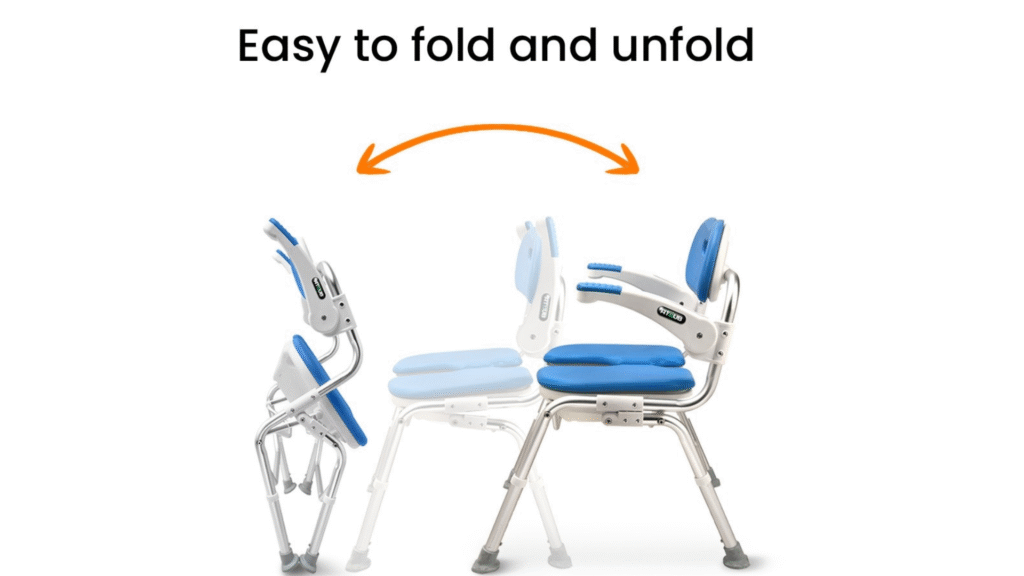
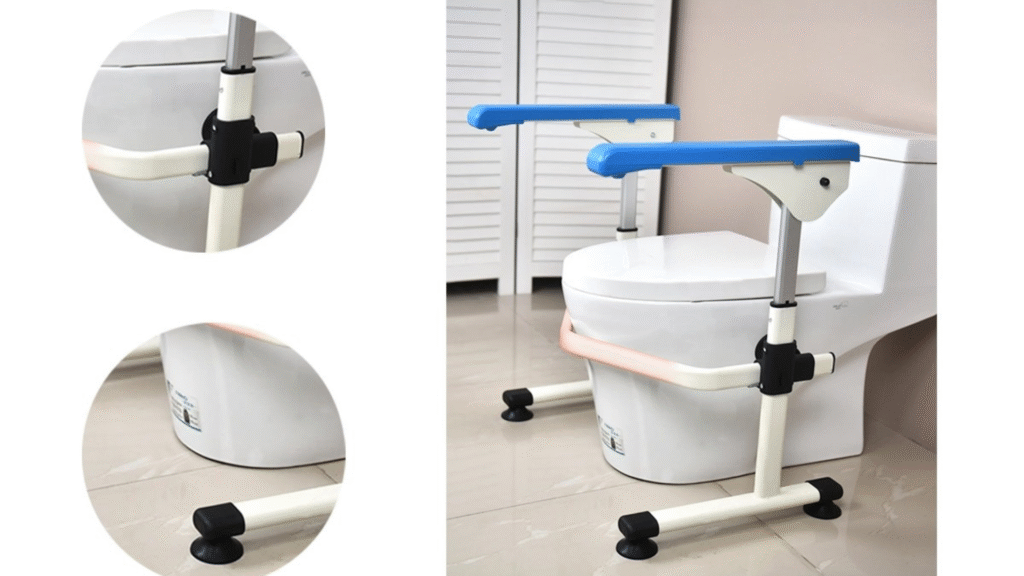
For many older Australians, maintaining safety and independence in the bathroom becomes more difficult with age. A shower chair for seniors is a simple yet highly effective solution that promotes stability, reduces fall risks, and enhances daily confidence during bathing. Whether you’re a family carer, NDIS participant, or aged care worker, the right chair makes all the difference. At Assistive Tech Hub, we offer a wide selection of shower chairs, including options like foldable and 360° rotating models tailored to suit different care needs and bathroom layouts. Why Shower Chairs Are Essential for Elderly Care Slippery bathroom surfaces combined with reduced mobility or balance issues can lead to serious injury among seniors. That’s where a properly fitted shower chair becomes essential.Benefits include: Improved balance and posture while bathing Reduced fatigue during showers Enhanced dignity and independence Safer support for carers during transfers Shower chairs are often recommended by OTs as part of aged care and NDIS assessments. Learn more in What Does an Occupational Therapist Actually Do? Key Features to Look For in a Shower Chair When selecting a shower chair for elderly users, focus on features that ensure comfort, stability, and adjustability: Non-slip feet for firm grip on wet floors Adjustable height legs to match user needs Backrest and armrests for safety during transfer Drainage holes to avoid water accumulation Corrosion-resistant frames for long-term use To view chairs with these features, visit our Shower Chair Category. Different Types of Shower Chairs and Their Benefits There is no one-size-fits-all solution. Selecting the correct chair depends on the individual’s mobility level, bathroom space, and whether a carer is present. 1. Standard Shower Chairs A basic option with back and arm support — ideal for semi-independent seniors. 2. Foldable Shower Chairs Designed for tight spaces or shared bathrooms. Lightweight and easy to store. View Product 3. 360° Rotating Shower Chairs Great for users who need assistance while showering. The seat rotates smoothly, reducing twisting strain. Explore Product For other essential bathroom aids, see our guide: Essential Mobility Aids Every Senior Should Have at Home Comparing: Foldable vs. Rotating Shower Chairs Feature Foldable Shower Chair 360° Rotating Shower Chair Storage Folds flat for compact spaces Requires more space Carer Assistance Limited Excellent for transfers Stability Moderate High Comfort Basic Padded, ergonomic Ideal Use Shared bathrooms, travel Carer-assisted bathing Tips to Match the Right Chair with Your Needs Ask the following before selecting: Is the user able to stand or need carer support? Will the chair stay in place or be moved regularly? Is bathroom space limited? Do you need portability or transfer support? You can book a home trial to try our recommended shower chairs in your bathroom space before committing. NDIS & Home Trial Support in Australia Most shower chairs for seniors are eligible for funding under NDIS Core or Capital supports.Assistive Tech Hub can help with: Access to NDIS-funded assistive technology Providing home trial options Support from our team to generate quotes for your plan Check out more on the NDIS and assistive technology process if you’re just starting. Conclusion A shower chair for seniors is a key piece of bathroom safety equipment that offers peace of mind to users and carers alike. By choosing the right style—standard, foldable, or rotating—and ensuring the chair fits your space and care requirements, you enhance comfort, safety, and independence. Browse and Trial Our Senior-Friendly Shower Chairs Shop Shower Chairs Book a Home Trial Contact Us for Guidance FAQs 1. Who should use a shower chair? Seniors, individuals with balance issues, those recovering from surgery, and anyone with mobility limitations should consider using a shower chair. 2. Are shower chairs covered by the NDIS? Yes. Most NDIS participants can get funding for shower chairs under assistive technology. Check out NDIS Equipment Coverage for more details. 3. Can I trial a shower chair before buying? Absolutely. You can book a home trial and try different shower chair models in your bathroom to find the best fit. 4. What’s the best type of shower chair for carers? The 360° rotating shower chair is ideal for carers as it simplifies transfers and offers stability. 5. Do I need a prescription or OT recommendation? While not always required, an occupational therapist can help assess needs and support NDIS funding applications.

Choosing the Right Shower Chair for Seniors Read More »

Choosing the Right Adjustable Bed for Home Care

When it comes to ensuring comfort, safety, and independence at home—especially for seniors or individuals with disability—an adjustable bed for home care is often essential. These beds are designed to meet a variety of physical, clinical, and care needs while improving rest and daily routines.Whether you’re a family caregiver, NDIS participant, or aged care professional, finding the right bed setup tailored to individual requirements can make all the difference. This guide outlines the types of beds available, what features to prioritise, and how to access NDIS funding for assistive technology. Why Adjustable Beds Are Essential for Home Support Adjustable beds offer much more than comfort—they assist with mobility, safe transfers, postural positioning, and pressure relief. For users with conditions like arthritis, limited mobility, or after surgery, an electric or hi-low home care bed can provide: Easier sitting and lying down Better circulation and breathing Reduced risk of pressure sores Greater independence for users Less strain on carers during repositioning or transfers If you’re managing care at home, consider the difference a home care bed can make for safety and dignity. Key Features to Look For in a Home Care Bed Before choosing an adjustable bed for elderly care or disability support, focus on features that suit the user’s needs and daily environment: Height Adjustability (Hi-Low Function) Makes transfers from bed to wheelchair or walking aid easier and safer for both user and carer. Backrest and Leg Lift Improves comfort while sitting up, reading, or eating in bed. Remote or Voice Control Options Some beds like the Voice-Controlled Hi-Low Bed enhance user independence with simple verbal commands. Compatibility with Safety Accessories Side rails, overbed tables, and pressure care mattresses all contribute to a secure care setting. Types of Adjustable Beds: Voice Control, Hi-Low, Electric Assistive Tech Hub offers several options tailored for various home care scenarios: 1. Electric Hi-Low Beds Ideal for NDIS-funded home environments, the Aged Homecare Hi-Low Bed is fully adjustable in height and recline. 2. Voice-Controlled Beds The Voice Control Homecare Hi-Low Bed enables users to adjust bed position hands-free. 3. Portable Power Beds with Side Rails Great for compact spaces and short-term recovery, the Portable Power Bed with Side Rails offers flexibility and mobility.Need help deciding which option is best? Contact our team for personalised product recommendations. Matching Beds to Specific Needs: Aged Care, Disability, NDIS Every individual’s health condition and lifestyle is unique. Consider these common needs: Aged care users may benefit from voice control, height adjustment, and a soft waterproof mattress like the Mattress for Voice Control Bed. NDIS participants often require OT assessments to justify funding for features such as side rails or hi-low motion. Users with disability may require a Portable Power Backrest with Side Rails to assist with posture and transfers. Read more about disability aids funded by NDIS or occupational therapist roles in assistive technology. Don’t Forget the Accessories: Mattresses, Side Rails & More The effectiveness of any adjustable bed is improved with the right accessories: Waterproof Mattress for Aged Homecare Bed Foldable Steel Side Rails Side Rails for Voice Control Bed These additions improve pressure relief, ensure bed safety, and offer peace of mind to carers and users alike. Funding and NDIS Support for Home Care Beds Many adjustable beds for home care are eligible under NDIS assistive technology funding, especially when prescribed by an occupational therapist. You may need: A formal assessment by an OT A written quote from a supplier Documentation outlining the bed’s functional benefits At Assistive Tech Hub, we support NDIS participants with assessments, quote preparation, and direct product supply. You can also book a home trial to test the equipment in your space before committing. Conclusion Choosing the right adjustable bed for home care depends on the user’s needs, the available features, and the level of support required from carers or allied health professionals. From voice-controlled options to NDIS-funded hi-low beds, the right setup can improve comfort, independence, and overall care quality. Quick Links View All Adjustable Beds in Our Store Book a Home Trial to Test Equipment Contact Us for Help Choosing the Right Bed FAQs 1. What is the best adjustable bed for elderly home care? The Aged Homecare Hi-Low Bed is a top-rated choice, offering height adjustability and electric reclining with NDIS eligibility. 2. Can I get NDIS funding for an adjustable bed? Yes, many NDIS participants are eligible for funding if the bed is clinically justified and aligns with support goals. 3. What accessories are essential with a home care bed? Essential items include a waterproof mattress, side rails, and adjustable backrests. 4. How do I try a bed before purchase? Use our free home trial service to experience the bed at home before making a decision. 5. Are voice-controlled adjustable beds available? Yes, check out the Voice-Control Homecare Hi-Low Bed for full adjustability using verbal commands.

Choosing the Right Adjustable Bed for Home Care Read More »

How to Find Disability Services Near You

Why Local Services Matter When you search for disability services near me, you’re likely looking for support that is accessible, personalised, and responsive. Whether you need daily care, allied health assistance, or assistive technology, working with a local NDIS provider ensures quicker access, in-person support, and equipment trials tailored to your needs. For NDIS participants, families, and support coordinators, understanding how to find and assess local service providers is key to maximising your NDIS plan and achieving long-term goals. Know What Type of Disability Support You Need Before searching for providers, clarify the kind of services you require. This helps filter options and focus on organisations that match your needs. Common disability support services include Personal and in-home care Allied health (occupational therapy, physiotherapy, speech pathology) Support coordination NDIS plan management Assistive technology and mobility equipment Home modifications Community access support If you’re looking for NDIS-funded mobility and living aids, visit our Assistive Tech Hub store for a wide selection of equipment suited for in-home support. Use Trusted Tools to Locate NDIS Services Finding reliable providers begins with using the right tools: 1. NDIS Provider Finder Tool Available on the NDIS website, this tool allows you to search for NDIS-registered providers by postcode, service category, and name. It’s especially helpful for checking if providers are eligible to deliver certain funded supports. 2. Local Area Coordinators (LACs) LACs help NDIS participants navigate services and may provide a shortlist of nearby providers that align with your plan goals. 3. Word of Mouth & Reviews Ask other participants, families, or allied health professionals for recommendations. Verified Google or Facebook reviews can also provide insights into service quality. Finding Local Assistive Technology and Equipment Suppliers If you’re looking for mobility equipment near you, focus on providers who offer both products and support services such as: NDIS funding quotes Equipment recommendations by OTs Setup and adjustment help Free home trials for eligible devices We recommend booking a home trial to try essential products like walkers, wheelchairs, or lift chairs before committing to a purchase. For more on what assistive devices may be funded, read: What Disability Equipment is Covered by the NDIS. What to Ask Before Choosing a Disability Service Provider Not all disability service providers are the same. It’s important to ask questions before signing any service agreement: Are you an NDIS-registered provider? Do you offer in-home services or equipment delivery in my area? What is your process for assessments and quotes? Can you support plan-managed or self-managed participants? Do you work with allied health professionals or therapists? For assistive equipment and support, our team is happy to guide you. Contact us to get tailored product advice or NDIS help. Try Before You Buy: The Value of Equipment Trials Before investing in new mobility aids or daily living supports, it’s worth testing the equipment in your home environment. This ensures: Comfort and suitability Proper fit and usability Compatibility with home layout or transfers At Assistive Tech Hub, we offer free home trials on a range of products including shower chairs, overbed tables, walkers, and hospital beds—especially useful for elderly clients or people with post-surgery needs. Conclusion Finding disability services near me doesn’t have to be overwhelming. Whether you’re an NDIS participant, a carer, or a support coordinator, choosing a local provider ensures timely, personalised, and practical support. Use trusted tools like the NDIS Provider Finder, define your support goals, and choose providers who offer end-to-end assistance—from product selection to NDIS paperwork and post-purchase care. Quick Links for Local Support Explore assistive technology in our online store Book a home trial for mobility aids near you Get in touch with our friendly support team FAQs 1. How do I find disability services near me that are NDIS-approved? You can use the official NDIS Provider Finder tool to search by service category, postcode, or provider name. 2. Can I get a home trial for equipment before buying? Yes. Assistive Tech Hub offers free home trials for eligible NDIS participants. Book your trial online or call our team for more information. 3. What types of local services can I access under NDIS? Depending on your plan, you can access local services including personal care, therapy, support coordination, and assistive equipment supply. 4. Do I have to use a registered NDIS provider? For certain supports like high-risk assistive technology, you must use a registered NDIS provider. Always check provider status and services offered before proceeding. 5. How do I know if a provider suits my needs? Review their services, ask questions, request referrals from your OT or LAC, and consider their experience with similar participants.

How to Find Disability Services Near You Read More »

Compare Products

Scroll to Top