Assistive Tech Hub

Try Before You Buy: Rental-to-Own Power Wheelchairs

Why Rental-to-Own Power Wheelchairs Are a Smart Choice Getting a power wheelchair is not really an easy decision to make. It is no longer just getting from point A to point B, but actually living your life just as you want it. But here’s the problem: power wheelchairs are costly, and choosing the wrong one can be frustrating, uncomfortable, and a waste of money. That’s where rental-to-own programs come in. Here, you will test-drive the wheelchair before making a long-term commitment; you will be paying a monthly charge while taking it for a spin, and if it suits your needs well, you may actually call those payments “buying” it. If it doesn’t suit you, you will just stop or switch. It’s smarter, safer, especially for those who shy away from gearing up for a major life decision. What Is a Rental-to-Own Power Wheelchair Program? Think of it like test driving a car before actually buying it, except that it is so much more flexible. You rent a power wheelchair for a fixed amount per month. Over time, you accumulate those payments to use for owning the wheelchair. And here’s how it works: Find the right wheelchair to fit your needs. Make the monthly rental payments. Use the chair as if it is your own. Decide if you want to purchase, exchange, or discontinue using it. No need to commit from day one. You actually experience using the chair in real life before committing. Perfect for: Older adults who want to try out different styles before making a decision. People who are recovering after surgery or an injury. NDIS participants who have changing needs. Anyone living with a tight budget or in a temporary home. Someone traveling who doesn’t want to haul around a giant chair they may not even like. Rental-to-own time, option, and flexibility for all those. Advantages of Renting Before Buying 1. Test Comfort & Performance Everyone’s body is different, and so is every chair. Renting gives you time to figure out what actually works for you-not just in the store but in your everyday life. You can: Check how it is after a few hours of use. Test it for movement on footpath, carpet, or rough wilderness. Test it for use in public: on a bus, in shops, and even at the beach. And the best thing? If one model doesn’t suit-try another! There is no long-term risk! 2. Cost-Effective & Flexible Power wheelchairs are not cheap. A good one can cost thousands. That’s a lot to spend upfront. With rental-to-own: Pay smaller, manageable amounts each month. Do not need to take out loans or use credit cards. Return or swap the chair if your needs change. Perfect for short-term injuries or anyone with conditions still in flux. From day one, you’re not saddled with a long-term financial burden. 3. Access to Latest Models Technology moves pretty fast even in the mobility world. Rental programs will usually grant you access to the latest models, which may provide: Fully automatic reclining systems Joystick control Bluetooth features Lightweight carbon-fiber frame You can try top-end features without paying the full price right away. And should something better come along in a matter of months? Easy, upgrade. Key Features to Look for in a Rental-to-Own Power Wheelchair 1. Battery Life & Performance Battery life can contribute or can take away your enjoyment of the day. You’d want a chair that: At least I can go 10-15km on a full charge. Don’t run out of juice halfway through your errands. Charges nicely and easily overnight. If you find yourself always on the run, then look for a model that comes with dual battery packs or extended range. Always consider its power performance while trying to climb inclines or when traversing rough terrains. Some cost-effective options slow down or stall under such conditions. 2. Portability & Weight Not every chair is designed to be travel-friendly. If you intend to carry it in a car or make use of public transit, then portability shall come into play. Look for: Foldable frames Quick-release batteries Lightweight materials like carbon fibre Folding models fit nicely into car boots and are easy to shepherd around by carers. They are the perfect companion for those short school runs, trips to the shops, or short small holidays. A compact frame will help make things easy. Especially if storage is an issue at home. 3. Comfort & Adjustability You will be sitting in this chair a lot-comfort is very important. Key features to check: Adjustable footrests and armrests Soft cushion that won’t go flat over time Reclining back support will alleviate pressure. The Fully Automatic Reclining Power Wheelchair is a great example. It lets you reposition with the push of a button. That means less back pain and more freedom to sit however you want. A good fit will prevent joint injuries and fatigue-especially if you depend on your chair throughout the day. 4. Durability & Load Capacity Power wheelchairs need to be strong. They should be able to withstand normal use, bumpy roads, and all weather conditions. When comparing wheelchairs, here are some of the things to consider: Max weight capacity Strength of frame Quality of wheels and suspension The Carbon Fibre Power Wheelchair is on top of the list. It is strong yet very light, ideally suited for indoor and outdoor use. Furthermore, carbon fibre does not rust, which is perfect for the Aussie weather. Where to Find Rental-to-Own Power Wheelchairs? 1. Online Mobility Equipment Stores The easiest option. Browse online, pick a model and the Mobility Equipment will be delivered to the customer home. Many sites offer: Fast shipping across the country of Australia Video guides and support Flexible rental plan options Assistive Tech Hub is a reputable name that offers a wide range of rental-to-own chairs. 2. Local Medical Equipment Providers Prefer to see before renting? Local stores provide: In-store fittings Product demonstrations Support from mobility experts Also, walking into local stores might just fetch you

Try Before You Buy: Rental-to-Own Power Wheelchairs Read More »

Where to Buy a Power Wheelchair?

The Best Places to Buy a Power Wheelchair Power wheelchairs redefined mobility for people who require assistance moving. They empower independent movement, whether at home, work, or outside. But while many wonder about purchasing one, they always ask the same: Where do I start? You may have asked yourself, “Where can I find a power wheelchair that suits me, my lifestyle, and my budget?” Well, that’s what this guide is all about. We’ll address several important considerations as you go through this guide: from types to where you could get it. If you are thinking of buying for yourself, for a loved one, or someone you care for, you’ll be better prepared by the end of this blog. Why Invest in a Power Wheelchair? Simply buying a power wheelchair is not about getting from A to B. It involves independence, having a comfort zone, and enjoying peace of mind. Let’s see how owning a power wheelchair is usually a better option than renting one. More freedom. You don’t need anyone to push you or help you move around. Long term savings. Rent can cost a lot quite soon. If you will likely need a wheelchair for a long time, then it is wiser to purchase it. Built for your comfort. Many chairs can be personalised according to your height, weight, and seating requirements. A good power wheelchair becomes part of your daily life. It is like choosing a car, wanting it to be reliable, comfortable, and safe. Most importantly, you are likely to use it every day, and in that case, you should spend on something that is rightly fitted. Key Factors to Consider Before Buying 1. Types of Power Wheelchairs There are types of power wheelchairs. Some have been built for outdoor activity with slim indoors flexibility. The main types include: Standard power wheelchair: This is the most. Standard power wheelchairs were built to serve outside purposes just as readily indoors. Lightweight, travel-type models: They are good for folding and lifting. It will be useful when travelling ideally if you need to put it in a car or an aircraft. Reclining or tilt-in-space wheelchairs: For those people whose postures need to shift regularly, they give extra support and comfort. Also, consider: Will it be mainly indoors or outdoors? Should it go through narrow hallways or doors? Do you need it to turn tightly in small spaces? 2. Features to Look For Choosing the right chair is more than looking at its appearance. The features are really important. Battery life and charge time: Look for a model whose battery stays alive longer than your type of activity. Some have a 15km range, others up to 30 km or more. Weight capacity: Ensure that the chair can safely carry your weight. Most models can carry weights varying between 100-150 kg. Traveling laws: If you travel often, look for foldable or demountable models. Adjustable seats and backrests: It’s very important to be comfortable. Reclining options could save long-standing pains. Check for ease of control, as joystick position, speed setting, and stability all contribute to comfort and safety. 3. Cost & Financing Options Indeed, buying a power wheelchair involves a pocket pinch. Still, you can create ways to make it pocket-friendly to purchase. Prices range from $2,000, though, to well above $10,000. Depending on features, brand, and build, this is. NDIS: If you qualify, then NDIS could cover part or full cost. National Disability Insurance Scheme. There are stores that provide payment plans for monthly payment options. Very useful, especially for people with a tight budget. Price comparisons can also be made from quite a number of sellers. Online stores usually run sales or have clearance items that meet those same quality standards for a lower cost. Where to Buy a Power Wheelchair? 1. Online Stores Shopping over the Internet is the quickest and easiest and, most of the time, even cheaper. Online shopping gives you huge options in models. Most stores ship free and accept easy returns. You can check reviews and compare specifications before choosing one. Assistive Tech Hub is a good example, lots of quality options and they’re all over Australia with deliveries. 2. Medical Equipment Retailers In-person assistance and demo options. Visit Assistive Tech Hub Wholesale for bulk purchases. Shopping in a store is the way to go if you want to test the chair before buying it. You can try the chair, feel the controls, and ask for advice from the staff. Some places will give you a trial period or a demo. If you’re purchasing for an institution or an aged care home, see Assistive Tech Hub Wholesale for bulk buys. It’s much easier to talk about adjustments, add-ons, and maintenance when you’re directly talking with someone. 3. Direct from Manufacturers While buying directly from the actual manufacturer has its benefits. Generally, you’ll often get the latest models with custom add-ons. Some manufacturers also offer deals or extended warranties exclusive to direct buyers. In some instances, these deals help you save cash by bypassing retail stores. However, you should always price-check—as sometimes, resellers have the better offer than the manufacturer. 4. Second-Hand & Refurbished Power Wheelchairs Looking to save a bit of cash? Go for a second-hand chair. This might provide a lower range of prices for some high-end chairs. Some refurbished ones are cleaned, tested, and backed with a warranty. Do your homework, though: Examine the chair for damage and general wear or tear. Inquire into battery age and if parts will be hard to source. Buy from trusted sources that will assist with service or repair. Top Power Wheelchair Models to Consider 1. Fully Automatic Reclining Power Wheelchair If you require sturdy support during the days, this is it. Reclines at the touch of a button. Good posture, comfort, and circulation. Ideal for people who spend several hours a day in their chairs. [View details here] 2. Carbon Fibre Power Wheelchair Need something lightweight and strong? This is your model to travel with. So

Where to Buy a Power Wheelchair? Read More »

Where to Rent a Power Wheelchair?

The Best Places to Rent a Power Wheelchair Why Rent a Power Wheelchair? Ideal for short-term mobility needs. Once in a while, life deals with some injuries, surgery, or provisional medical conditions. Then for a little while, you might need a wheelchair, not forever. You can rent for these scenarios: After a surgical procedure (typically knee or hip replacement) While taking care of an injured area When elderly relatives come to visit and need some sort of assistance Any child who has sustained an athletic injury Thousands of dollars do not need to be spent. You just need help getting around until you recover. Cost-effective solution for travel or temporary recovery. Airport. Theme parks. Cruises. Vacation. These are some places where walking a distance can be difficult-or impossible-for some. Nothing excludes a power wheelchair from consideration here, but lugging your own onto a plane or stuffing it into your car might not be practical. Renting for travel provides: No hassle Lower baggage fees (because you leave your chair at home) Peace of mind knowing the equipment is maintained You can also rent once you reach your destination so that the chair is waiting for you. Access to high-quality, well-maintained models. Access to the latest models of power chairs, very often high-end variants, in good working condition. Every rental provider ensures that the units are inspected and cleaned before they reach you, ensuring that you receive: No broken parts Fresh batteries Safe and reliable use Better than picking up something on Facebook Marketplace in the hopes that it’ll work for you. Key Factors to Consider When Renting 1. Rental Duration How long will you need the chair? That is the first question that must be answered. Daily rentals are good for events, theme parks, or appointments scheduled for one day. A weekly rental…best for vacations, short-term injuries, or visiting relatives. Monthly benefit when someone is recovering for weeks. Tip: The longer you rent, the cheaper the price. For example: $25/day could turn into $75/week or $200/month. Always check if extended rentals get a discount. Other things to ask about: Weekend returns (some places are closed Sundays) Any late-return fees? Are you charged for each day vs. monthly? 2. Power Wheelchair Features Not all powered chairs are created equal. Some basic ones exist, while others come with every bell and whistle. What to consider when you decide: – Battery life: How far can it go after needing to be charged? – Weight capacity: Is it able to support your body weight in a safe manner? – Portability: Is it foldable? Does it fit into your trunk? – Control system: joystick vs. alternative controls (for very limited hand use); – Type of seat: padded? adjustable? reclinable? Also, think about the terrain you will visit. If it will just be for indoors, one is looking for something light in weight. But if it will be for outdoor parks or that rough sidewalk, that is going to be heavy-duty. If you are unsure, ask your provider for an explanation of the models. 3. Rental Costs & Insurance Always compare rates before confirming. Some places charge more for the very same model. Be sure to ask: Is the delivery included? Is repair covered in case of malfunction? What if, during your trip, the chair stops functioning? Also, check your insurance policy. Some pay for rentals if a doctor provides a note, and even if an insurance policy doesn’t cover this, some flexible-spending accounts allow using pre-tax dollars for mobility aids. If not sure, call the insurance agent. It may save you hundreds. Where to Rent a Power Wheelchair? 1. Online Rental Providers These are definitely the easiest ways to rent. Simply go online, pick a chair, select your delivery/pickup times, and you are done. No need to actually visit a store. Assistive Tech Hub is a first choice. They have offered: Free delivery in some areas Service across the country Easy online checkout Friendly phone support if you need help deciding Great if you are booking for a trip or someone else. Other examples of popular online options include: Scootaround Mobility Rentals and Sales Rent It Today Look for: Reviews Cancellation policy Availability of support when something breaks 2. Local Medical Equipment Stores This is for those who prefer to speak to someone face-to-face. Walk in, talk to a rep, sit in a few chairs, and rent on the spot. Why this is helpful: Models can be tested Explaining features by the staff Fast pick-up-no shipping delays Use the Assistive Tech Hub Store to find a local rental partner near you. You might even find a store 5 minutes away. Tip: Call ahead to check availability. 3. Wholesale & Bulk Rentals If you’re organizing an event, find that you’ve got a clinic or care home, or setting up a retreat center, you will probably need more than one chair. Some companies offer: Bulk rates Multi-unit service contracts On-site support for events Great for nursing homes, assisted living centers, or healthcare events. Just make sure the company delivers and collects as per your schedule. 4. Theme Parks & Travel Destinations Most of these well-known places have on-site power wheelchair rentals. For example: Disney World Universal Studios Some zoos and national parks Cruise ships All large airports Most of these have: First come, first served Available at the park entrance Limited in number If you can reserve ahead, do it. It saves the hassle of getting there and finding everything’s already rented. Also, make sure the power wheelchair type fits your needs. Some theme parks offer only standard models, so if you need something specific (like reclining or joystick controls), renting off-site and bringing your own might be better. Top Power Wheelchair Rental Models Available 1. Fully Automatic Reclining Power Wheelchair For complete comfort. Reclines at the push of a button Adjusts for footrest and headrest Nice for long-term use or those requiring support This is basically a recliner on wheels with power. For more details on

Where to Rent a Power Wheelchair? Read More »

Who Should Buy a Power Wheelchair?

Is Buying a Power Wheelchair the Right Choice for You? Understanding Power Wheelchairs A power wheelchair is an electrically powered chair adjusted with joysticks or buttons. It has a battery inside and performs almost all tasks of moving. It does not require muscles of the upper body even if it involves pushing by another person. It travels forwards, backward, wheels turns, as well as over the small bumps. But some models can also climb ramps or adjust heights for maximum comfort. Most come with an outdoor and indoor mode. There are those that are extremely basic but some are very high-tech including reclining seats, headrests, footrests, and suspension meant for rough terrain. Manual wheelchairs are lighter and much cheaper than power ones, but they are hard to use if the user has no upper body strength or stamina. In such cases, however, you either push yourself or get someone to do it for you. Power wheelchairs are: Easier to use Controlled with one hand Better for long distances Less tiring They offer more independence, especially for people with chronic pain, fatigue, or balance issues. It is all about being realistic: mobility equals freedom. When you can move without help and have no need to plan according to your energy level, life gets better. Buying a power wheelchair isn’t merely a convenience; it’s really about living well. You can shop again without draining yourself. You can stop by a friend’s house or travel around your neighborhood and just get outside, getting some fresh air. You regain confidence and peace of mind. It’s much more profound than simply making a purchase. It’s a lifestyle upgrade. Who Should Consider Buying a Power Wheelchair? 1. Individuals with Long-Term Mobility Challenges Permanent conditions relating to people include: Multiple sclerosis Spinal cord injuries Muscular dystrophy Cerebral palsy They are usually burdened by fatigue, pain, or weakness. Short distances can feel impossible. A power wheelchair gives Day-to-day independence Energy savings (not using strength to get from one room to the next) Improved mental health- needing less help feels empowering This isn’t just about mobility. It’s about dignity and control. 2. Seniors Needing Reliable Mobility Assistance Ageing with our growth makes walking a little bit more difficult. Arthritis, osteoporosis, or general muscle loss can render every simple trip to the kitchen risky. Powered wheelchairs can change the game for seniors who wish to: Remain independent at home Minimizing the chance for falls Not to need others for support of every move These types of power-connected equipment help the elderly be able to move safely—from answering the door to getting fresh air outside to going from bed to the bathroom with no assistance. Also, most power chairs do come with pretty easy-to-understand manuals that even people who are first-time use will not have problems operating. 3. Active Individuals Who Need a Mobility Solution Not all power wheelchair users are homebound; many of them are on the go. Love to travel? Want to go to parks, malls, or events? Something to fold up and toss into your car? The Carbon Fibre Power Wheelchair is just right for that. Lightweight, very compact, built for active people but not as mobile as they used to be. It fits easily into a trunk or plane storage and is not a ton-heavy; it is designed for users who want to keep up with the world’s activities. 4. People Looking for a Long-Term Cost-Effective Solution When you rent a wheelchair, it seems cheaper upfront-but it stacks on quickly. Rental charges stack monthly. Sneaky additional charges. Since you don’t own the chair, you can’t make changes to it. Needless to say, buying a power wheelchair is the wise financially long-term investment. For them, it saves hundreds or sometimes thousands of dollars. 5. Those Who Need a Customizable Wheelchair Sometimes basic isn’t going to cut it. Do you need: Reclining backrest? Adjustable arm or footrests? Head support? Extra cushioning or tilt features? Custom power wheelchairs allow one to select comforts and functions that suit you. The Fully Automatic Reclining Power Wheelchair is one example. It adjusts to your body, relieves pressure points, and gives you better posture support. Comfort and care are what matter in most cases, and customisation can really make a difference. Benefits of Buying a Power Wheelchair 1. Full Ownership and Customization Having your chair is: No restriction on its use in time or way Upgrades, repairs or accessories, just as you wish Total personalisation You are in charge. No rental company. 2. Reliable and Always Available Waiting for a rental to arrive? Not fun. Returning it before a holiday trip? Frustrating. Owning your chair means: It’s ready when you are No shipping delays Peace of mind—especially for emergencies or last-minute outings It’s always within reach. No waiting, no hassle. 3. Long-Term Savings We mentioned it earlier, but it’s worth repeating: Rentals cost more over time Ownership eliminates surprise charges Repairs or batteries? They’re your choice, not rental conditions One purchase. Years of use. Where to Buy a Power Wheelchair? You can explore our full range of power wheelchair rental options directly on the Assistive Tech Hub website. We’ve made it easy to find exactly what you need, whether it’s for a weekend trip or a few weeks of recovery. For a closer look at available models and features, visit the Assistive Tech Hub Store. It’s quick to browse, and you can reserve your wheelchair online in just a few steps. If you’re looking to buy multiple wheelchairs for an event, facility, or group, we’ve got you covered with flexible bulk rental solutions at Assistive Tech Hub Wholesale. We’ll work with you to make sure everything runs smoothly. Have questions or need help deciding? Reach out to us through our contact page — our team is always happy to assist and walk you through the best options. Final Thoughts: Is Buying the Right Choice for You? A power wheelchair is more than just a way to get around—it’s a long-term solution that can

Who Should Buy a Power Wheelchair? Read More »

Who Should Rent a Power Wheelchair?

Is Renting a Power Wheelchair the Right Choice for You? Understanding Power Wheelchair Rentals What is power wheelchair rental? Power wheelchair rental services are straightforward. You borrow the chair without purchasing it or committing to its care for a long time. You use it for a short time, return it to the rental company, and go on. These are all the great features you get: There is no purchase commitment. You get to decide from a couple of different models. Usually the rental charge includes delivery and pick-up. Power wheelchairs are battery-operated vehicles controlled by a joystick and may offer optional features including reclining backrests and adjustable footrests. Wheelchairs are built for comfort and ease of operation, especially when manual operation may not be an option. How does renting differ from buying a wheelchair? Renting and buying are completely different approaches.. With renting: Short term No maintenance No storage hassles Lower initial investment When you’re buying: A long-term commitment You own the equipment You’re responsible for servicing and repairs If you are uncertain about what to get or if you know your need for the wheelchair is temporary, step number one is renting. Short-term vs. long-term usage considerations Think about how long you really need the chair. If it is for: A week-long trip Some recovery time (like after surgery) Single events like a graduation or wedding It makes complete sense to rent. But if it’s every day — for work, errands, or just moving around the house — buying might prove cheaper in the long run. It all depends on your circumstances and on your budget. Who Should Consider Renting a Power Wheelchair? 1. Travelers & Tourists While travelling can be enjoyable, it can also be tiring, especially for persons with any difficulty in walking or standing. Renting a power wheelchair for touring: Eases site-seeing Lets you bypass long lines and walks that would tire you out Keeps you comfortable in big parks or museums You will not have to deal with hauling your own chair between the airports or cramming it into a car. Most tourist-friendly destinations offer local rental services that deliver right to your hotel or rental property. Example: Disneyland? Better to rent a power wheelchair for the day than to try to push a manual chair or walk. Enjoy each ride and every show without pain. 2. Individuals Recovering from Injuries or Surgery Healing takes time. If you’re recovering from a broken bone, joint surgery, or a severe fall, it may not be safe to walk. A power wheelchair can: Assist mobility during recovery Minimise the risk of another fall Prevent pressure on an injured bone or joint Instead of spending over thousands to buy one, you can rent one for the time you actually need it. It’s the economical solution while you heal at your own pace. 3. Seniors Testing Mobility Solutions As one gets older, mobility becomes ever so hard. But this doesn’t mean they will hurry to buy expensive equipment. Renting gives seniors the opportunity to: Try various models for mobility devices Determine individual comfort and practicality Work with a less hurried decision-making process You can try recliners, high-back options, or compact chairs that turn easily in tiny spaces. All this will help you when making a final decision if you go ahead with the purchase. 4. Event Attendees & Temporary Users Big events = long hours on your feet. Whether it is: A wedding A work conference A graduation An outdoor festival …you will be standing and walking more than usual. A power wheelchair rental assures you can now be free from any stress. Comfort and independence throughout the event will be the order of the day, and after the last applause, you simply return the chair. 5. Budget-Conscious Users Let us be straightforward. Buying a power wheelchair accommodates heavy expenses. Not every soul can afford it. Renting enables: Lower upfront costs No long-term payments No worries about repairs and maintenance This makes renting, especially for people on a tight budget, a viable option for mobility. You get all the comfort and freedom but for way less money. Benefits of Renting a Power Wheelchair 1. No Long-Term Commitment Rental offers you flexibility. Use the chair for a week, a month, or just a weekend, and return it when you are done. That is all. This is perfect for times when mobility requirements change frequently or if you were just not ready to be buying anything. 2. Access to the Latest Models Rental companies usually keep new technology. Chairs usually come with: reclining backs adjustable footrest comfortably padded seats smoothly maneuverable wheels longer-lasting batteries For example, a fully automatic reclining power wheelchair can be provided with full support and leaning back makes it comfortable-wonderful for lower back pain. 3. Hassle-Free Maintenance If ever it breaks, you will not be having a stuck situation. Rental companies handle repair and, if it’s a total write-off, provide a replacement on the spot, so very quickly, with technical support available to call if problems arise. Let us just say, less hassle, more peace of mind. 4. Convenient Delivery & Pickup Options Most of the companies deliver right to you: Home Hotel Airport Medical Facility And pick it up when you are done. Transport and store worrying are the last things on your mind. Where to Rent a Power Wheelchair? You can explore our full range of power wheelchair rental options directly on the Assistive Tech Hub website. We’ve made it easy to find exactly what you need, whether it’s for a weekend trip or a few weeks of recovery. For a closer look at available models and features, visit the Assistive Tech Hub Store. It’s quick to browse, and you can reserve your wheelchair online in just a few steps. If you’re looking to rent multiple wheelchairs for an event, facility, or group, we’ve got you covered with flexible bulk rental solutions at Assistive Tech Hub Wholesale. We’ll work with you to make sure everything

Who Should Rent a Power Wheelchair? Read More »

Pros and Cons of Buying a Power Wheelchair

Should You Buy a Power Wheelchair? Pros & Cons Explained Understanding Power Wheelchair Ownership Owning a power wheelchair means having full control over a really important part in your daily life. Unlike a rented chair, you can’t lend it for someone else to try out; it’s yours. You don’t have to return it or make monthly payments for renting it; you don’t have to call to check availability. It’s always there when you need it. You learn pretty much the ins-and-outs of how it is supposed to work. Sometimes people give it names; it becomes part of life. Not everyone needs to buy a power wheelchair, but definitely people who rely on it daily or most of the days would simply benefit from having one in their homes. It’s the ideal setup for: Permanent or progressive mobility disabilities Specific customization or upgrades Long-term users Such heavy users, who travel frequently, like to take their chair wherever they go. After surgery or in need of a chair for just a few weeks or months, it usually makes sense to rent, but is this your everyday ride? You’ll probably spend less money and less stress by owning it. Pros of Buying a Power Wheelchair 1. Long-Term Cost Savings At first glance, renting seems less expensive than buying, but those payments tend to accrue every single month. Surely, purchasing a power wheelchair incurs a hefty upfront cost. However, over time, in the long run, it is usually a wiser financial arrangement. You do not incur costs of continued dues to rent it yearly. No surprise bills. It pays one a one-time fee that expenses for what lasts for years. For example, if you are renting, it is $300 a month rent. So that’s over $3,600 a year. After two years, you are standing with over $7,000-and still do not own the chair. Meanwhile, you could have bought a top-quality model at a far lesser price and retained it forever. 2. Full Customization & Comfort You get what is available when you rent. When you purchase, you get what suits you. Adjustable seat height and backrest Personalized controls (joysticks, touchpads, or even chin-controlled) Enhanced foot support, armrests, and cushion types Example: The Fully Automatic Reclining Power Wheelchair allows you to recline fully with a remote or button—great for pressure relief, rest, or long outings. Most rental chairs are not comfortable to this level. 3. Always Available for Use Rentals sometimes end up keeping you waiting for an electric wheelchair. Then during peak times of the year, rental electric wheelchairs can be unavailable. Other emergencies such as trips that come up suddenly may leave you without a wheelchair for such occasions. To repair or replace, you may have to wait days, and sometimes even weeks. Having one’s own charger enables the electric wheelchair to always be charged and ready for use. That is peace of mind. 4. More Control Over Maintenance You have to wait for the company to get it fixed, so time gets lost on your end. But when you own it: You choose the parts and service provider. Maintenance is then scheduled at your discretion. You could do an upgrade like a better battery or joystick. There are many people using a rental chair, which can cause wear and tear. On the other hand, chairs that are owned can last longer with proper care. 5. Greater Independence & Mobility Having your own power wheelchair means you don’t need to wait on anyone. You can go where you want, when you want. It’s freedom, plain and simple. Leave your house whenever you feel like it Join friends or family on short notice Travel with fewer limits Example: The Carbon Fibre Power Wheelchair is super lightweight, folds easily, and fits into most car trunks. That’s huge for people who are always on the go. Cons of Buying a Power Wheelchair 1. High Upfront Cost Power wheelchairs are quite expensive. That is one of their biggest disadvantages. They usually cost from about $1,500 to more than $10,000 Insurance does not cover the entire cost Financing may be needed If it doesn’t get you long-term, that can be a huge expense. Because for short-term needs, it just doesn’t make sense to buy. 2. Ongoing Maintenance & Repairs Sure, owning gives you more freedom, but it also makes you more responsible for it. Batteries need to be replaced every 1-2 years Tires get worn out Joysticks or electronics may malfunction Repairs can cost anywhere from $100 to more than $1,000 depending on the issue. This becomes stressful when you aren’t handy or don’t have a nearby technician. 3. Storage & Transport Challenges Not all power wheelchairs are small and easy to move. Bulky and hard-to-handle models take up a lot of space It can be hard to store in tight apartments or houses A ramp or lift may be necessary to get it into a vehicle If you are an avid traveler, keep in mind to select a lightweight or foldable model. Your wheelchair might become more restrictive than enabling. 4. Technology Can Become Outdated Tech changes fast. And getting better power wheelchairs every year. The latest ones have longer battery lives Smoother rides and smarter riding features Increased suspension, foldability, or mobile app controls When you rent, you can switch at any time for a newer model. When you buy, you’re stuck unless you’re ready to invest again. When Should You Buy a Power Wheelchair? You should consider buying if: You use a wheelchair daily or most days of the week You have a long-term or permanent mobility need You want better features and comfort You’re tired of renting and want more control You’re looking to save money long-term If this sounds like you, buying is a smart choice. It’s not just a purchase—it’s an upgrade to your life. Where to Buy a Power Wheelchair? You can explore all our available models over at Assistive Tech Hub. We’ve got something for every need and budget.

Pros and Cons of Buying a Power Wheelchair Read More »

Pros and Cons of Renting a Power Wheelchair

Is Renting a Power Wheelchair Right for You? Pros & Cons Explained Not sure whether a power wheelchair rental is the answer for you? You are certainly not alone. Many people need a wheelchair for only a short time; while others rely on it on an everyday basis for a period beyond that. There is no one-size-fits-all answer. But the pros and cons of renting a power wheelchair can be very helpful in making the best choice for your life. Understanding Power Wheelchair Rentals What does it mean to rent a power wheelchair? To rent a power wheelchair, as in the case of renting a car for the weekend, you are lent a powered mobility device without any obligation to buy it. That is, take it to use whenever you need it, and take it back when you are done with it—and there will be no long-term obligation to upkeep or store it besides that. For the most part, you can rent on a weekly or monthly basis for most rental facilities. Some also have daily rentals, which are ideal for vacations or special events. Who typically benefits from renting instead of buying? Renting is great for people who: Recover from injury or surgery Visit a city, exploring without the danger of tiring out their legs Are waiting for an insurance claim to be permanent chair approved Want to try out a few models before finally committing to buy Those who do not want to own and maintain a device For instance, someone who broke their leg and is unable to walk comfortably for 6 weeks will not want to buy a chair which he will be using for a short time only. Pros of Renting a Power Wheelchair 1. Cost-Effective for Short-Term Use Power wheelchairs range anywhere from $1,500 to $10,000-plus. That is quite an investment. If you only need one for a few weeks or months, it is much cheaper to rent. – Weekly rentals can cost somewhere from $75-$150 – Monthly rentals may cost around $200-$400 So rather than shelling out several thousand dollars all at once, you just pay for the time you use it. Plus, many insurance plans cover short-term rentals, especially after surgery. This is one more reason renting is a good financial decision for short-term requirements. 2. No Long-Term Maintenance Worries When you own a power wheelchair, it is all about wear and tear, breakdowns, and batteries. But when you rent: – The provider takes care of all repairs – They will often offer a replacement should yours stop working – You do not need to search for a repair shop and procure parts Most of us really do not want to deal with fixing a power wheelchair after it is broken. With rentals, you don’t have to. That peace of mind is priceless. 3. Access to the Latest Models Renting gives you the benefit of trying out current technology without committing to a major purchase. Want a joystick chair that operates with one hand? Want the lightest of folding chairs to slip into a small car trunk? Rentals often include: – Carbon fiber powered wheelchairs – Folding, travel-sized models – Fully automated reclining chairs Instead of getting stuck with one chair, you can trial different options to find one that best meets your needs. 4. Ideal for Travel & Temporary Use It can be hard to travel with your own power chair. Airlines do tend to damage them. Heavy and bulky. Renting gives you the option to: – Pick up a chair from your destination – Avoid the stress of airline travel – Choose a model that simulates uneven sidewalks, cobblestones, or other climates Going to Disneyland? Visiting grandma in the other state? Easy to rent a chair when you arrive instead of lugging yours around. Cons of Renting a Power Wheelchair 1. Long-Term Costs Can Add Up Renting can be very cost-effective in the short run. Long-term, rents stack up against the walls: Let’s do the math. Rent a chair at $250 a month After 6 months, it has ruined you by costing you $1,500 Up to 12 months, it takes you to $3,000 About then, you could have easily bought one really nice chair of your own, with plenty of cash leftover for accessories. So, if you need this chair every day, for quite some time to come, it is going to be a wise investment. 2. Limited Customization & Comfort Rental chairs are usually generic ones made for most people—and not for you. What this means is: You’ll probably not get the right seat size or cushion you require You may not be able to adjust armrests or the joystick Controls may not be in very convenient locations This matters a lot if you’ll be using the chair every day. Small discomforts add up fast and can affect your posture, back, or even pressure sores. 3. Availability Issues Rental companies can run out of stock—especially during busy seasons like summer vacations or holidays. And sometimes: The model you want isn’t there Only the most basic ones are stocked You might have to wait days or weeks Not all rental providers offer high-end models like the Fully Automatic Reclining Power Wheelchair Some users have reported calling several companies just to find one available unit. Others had to settle for a model that didn’t fit their needs well. 4. Rental Policies & Restrictions Basically, each rental company has a different rule. Some things to watch: The security deposit (which can be over $100) Charges per day for late return Strict times for return Little damage fees Read the rental agreement thoroughly. Some companies may charge for delivering or setting up the piece, so be sure to have the full picture. When Should You Rent vs. Buy a Power Wheelchair? Renting is best when: You’re recovering from surgery or injury You want to try before you buy You’re going on a short trip Your need is temporary Buying is better when:

Pros and Cons of Renting a Power Wheelchair Read More »

Traveling with a Power Wheelchair

The Ultimate Guide to Traveling with a Power Wheelchair Why Travel with a Power Wheelchair? Travel is filled with adventure. New countries, new people, new experiences. But when you ride a power wheelchair, things can feel overwhelming. But do not let your wheels dull down that wanderlust. Mobility is freedom, and freedom counts for a weekend trip as well as for an odyssey. A power wheelchair allows you to explore freely without any need for constant assistance. Talk about empowering! But it is not easy. Sometimes, with just one small step or no ramp, your entire day can be completely ruined. The good news? Most days, it is just about the planning. Common Issues Faced by Users of Wheelchairs: Mishandling of your chair by the airline staff. Hotels that advertise accessible services, but really? Not so. Public transport that has no lifts or ramps. The rules regarding batteries that make for annoying flying. These challenges may sound familiar to you. But they are not unbeatable. Let us get down to some tips to smooth the way for travelling. Preparing for Your Trip 1. Choosing the Right Power Wheelchair for Travel Not every chair is appropriate for every journey. Some are built like tanks – solid yet heavy. Others are lightweight and foldable like a backpack. So how do you choose? Travel often? Choose a lightweight folding chair. Long travels require comfort? Opt for the reclining model. Limited to space in cars or planes? Compact is the best. Best choice: Carbon Fiber Power Wheelchair Ultra Light (approx 16 kg). Fold in less than 5 seconds. Goes into a trunk or airplane storage. Having the right chair makes travel less stressful-and way more fun. 2. Checking Airline & Transportation Policies Every airline has its regulations. Not knowing them might risk any time, money, or worse yard of your chair. Here are what to ask airlines before booking: Will they allow your battery type (mostly lithium-ion)? Will they want your chair stored inside the cabin or the cargo? Do they require upfront size and weight details? For the ground transport: Do trains or buses have ramps or lifts? Can you stay seated in your wheelchair during the ride? Is the city providing wheel-accessible rideshare or taxis? Some airports have very good staff. Others, yeah, not so much. Call ahead, so they know you’re arriving. And do not forget: Assistance when booking should be asked at all times. Bring printed documents about your chair and battery. Label everything using your name and number. 3. Packing Essentials for Wheelchair Travel When you are travelling with a power wheelchair you should pack like a scout-be prepared. Things to bring: Basic Repair Tools: You never know when a screw will fall loose. Charger or spare battery: If allowed on the flights. Chair manual & doctor’s note: Very helpful at airports. Duct tape and zip ties: For quick fixes. Travel insurance: Double check it covers your chair! Try to keep your tools in your carry-on. You’ll want them close if something goes wrong during a layover. Navigating Airports & Flights with a Power Wheelchair 1. Airport Check-in & Security Procedures Airports can be so intense. Crowds. Delays. Noise. Add a power wheelchair to that, and it can get complicated. Here is how to get in time: Early Arrival. Give yourself enough time for check-in and security. Assistance Request. Most airports give assistance-but you have to request it. Use the Right Words. It should be called: “traveling with a power wheelchair” so it’s serious. You will likely get a manual screening at TSA. It’s not fun, but it’s normal. If it gets uncomfortable or unclear, speak up. You have rights. Pro tip: Have a printout or phone note explaining how your chair works. Some staff will have no clue how to move it without damage. 2. Storing & Handling a Power Wheelchair on a Plane You don’t want your chair shipped like luggage. To avoid that: Turn it off and take out any detachable parts Zip wire ties to secure wires and loose controls. Stick a clear label with your contact info, battery type, and handling instructions. Show the staff how to push it safely-or better still record a video and show it with your phone. And take pictures of the chair before each flight. Those photographs can help you make a claim if it turns up damaged. Getting Around at Your Destination 1. Booking Accessible Accommodations Not every “accessible” hotel is truly accessible. Some places think that a wide door is just enough to call themselves accessible. It isn’t so. Before you book: Ask pictures of the bathroom, entryway, and bed height. Ask about ramps, elevators, and space to move around. If it is a house or Airbnb, ask if there are stairs to get inside. Want to be sure? Call and ask such questions as: Can I roll straight into the shower? Is the bed height appropriate to transfers? Can I turn my chair around in the bathroom? Don’t hesitate to ask. It is your comfort that counts. 2. Using Public Transportation & Rental Services Every city is different. Some cities, however, tend to treat accessible travel very well. Others… definitely less so. What to look for: Buses or trains with low floors or wheelchair lifts. Access options on apps like Uber or Lyft. Scooter or chair rentals for tourists (especially at beaches or parks). Don’t know where to look? Search “accessible transport in [city]” before you travel. Travel blogs on local cities are a good source. Best Power Wheelchairs for Travel 1. Lightweight & Portable Options Carbon Fibre Power Wheelchair Exactly compact and super light Excellent for a flight Easily to be stowed in one of the hotels or cars 2. Fully Reclining Options for Comfort Fully Automatic Reclining Power Wheelchair Reclines for maximum rest, which would be enough for prolonged trip Its position would be comfortable to sit on for long hours More support to those who need it for posture Travelling is an

Traveling with a Power Wheelchair Read More »

Power Wheelchair Laws & Regulations

Power Wheelchair Laws & Regulations – What You Need to Know For anyone who uses or knows people that use power wheelchairs will tell you that those who use it really need to know about the associated laws. These laws ensure that people move freely, safely and without getting into trouble with the law. Rules governing power wheelchairs are not clearly spelt out. Most importantly, they do not follow the same pattern as traffic laws, and they vary from state to state. Why Understanding Power Wheelchair Laws is Important Most people think that power wheelchairs are like bikes or scooters. Some would say that they are really medical aids or devices, and the laws govern them differently from the latter two. Here is why understanding laws is so important: Safety: The laws are there to guard users and non-users alike on the street. When one follows them, he avoids accidents. Avoid legal trouble: A violation may bring an injury even without the individual’s knowledge. He may be fined or barred from certain areas. Fighting for your rights:: When you know your rights, no one can deny you access to use them. Imagine getting told you can’t ride the bus with your wheelchair. Or being turned away from a store ramp. Knowing the rules gives you power to respond. General Laws & Regulations for Power Wheelchairs 1. Classification of Power Wheelchairs To clarify first, power wheelchairs are not vehicles; they are mobility aids, making them fall in a completely different category. This means: Use of one does not require a driver’s license. They are protected under disability access laws in most countries. In other words, power wheelchairs are not the same as electric scooters or mobility scooters. Scooters are designed for more general-purpose transport, and under some jurisdictions, they may be treated analogously to motor vehicles. Power wheelchairs, in contrast, are designed for use by people with physical disabilities, and that gives them extra legal protection. 2. Road & Footpath Regulations So where can you ride your power wheelchair? It all depends, but there are some general rules to follow: As much as possible, keep to the footpath. Avoid using the road unless you can have no choice and there is no sidewalk available or safe alternative route. No use of the bicycling lane unless sidewalks are blocked or made unsafe. Using all public areas: Keep your speed under 10 km/h, which is pretty close to a fast walking pace. Always give way to pedestrians. They have the right of way, even if you’re faster. Obey the traffic lights when crossing the same way you would on foot. 3. Public Transport Accessibility The good news is that almost every jurisdiction, including Australia, has mandates for accessible public transport for power wheelchair users. This generally means the following: Buses and trains must provide ramps, lifts, or have low floors. Seats can be flipped up to allow for wheelchairs. The driver or staff should be able to provide assistance if needed. Verify any possible size and weight limits for your wheelchair with local transport providers before you leave; they may vary among different transport providers. Power Wheelchair Laws in Australia In Australia, laws exist to support users of power Wheelchairs. These come under Federal laws, such as the Disability Discrimination Act, various guidelines on power wheelchairs issued by the National Disability Insurance Scheme (NDIS), and State transport agencies. 1. Registration & Licensing Requirements There is no obligatory license for operations provided power wheelchairs are concerned in most Australian states: You have no obligation to register your power wheelchair. There is no obligation to obtain a license for operating it. There are few exceptions. As for example: If your wheelchair can travel faster than 10 km/h in Queensland, it may have to be registered with Transport and Main Roads. 2. Safety Standards & Compliance Safety standards have to be complied with if power wheelchairs are to operate in public places. These usually include: Weight: Not more than 110 kg (excluding the user). Speed: Maximum is 10 km/h. Essential elements-safety components: Brakes in good working order Reflector Horns or bells Front and rear lights for night use Some high-tech wheelchairs come with added accessories; however, the essentials must meet the safety and legal criteria for use. 3. Rights & Accessibility Protections Power wheelchair users are entitled to many protections under our rights. That is: The right to access public buildings, shops, and events. There should be ramps, wide doors, and lifts available. They may lodge a complaint against the offender if one discriminates or refuses one entry. Any organisation is legally bound to make “reasonable adjustments” to accommodate disabled persons. Safety Guidelines for Power Wheelchair Users 1. Navigating Public Spaces Being safe in public means much more than merely following rules. Here are some tips: Use ramps and crossings wherever possible. Don’t even try to “jump” over curbs or take unsafe shortcuts. Be alert when another person will be around your foot or when crowds are present. In busy areas, slow down and be sure to show yourself. Look at the pedestrians and drivers when crossing, as you would while walking. 2. Battery & Maintenance Compliance This is because this wheelchair’s battery is the heart. If it fails, then you’re stuck. Thus: Charge regularly, and run the supplied charger with your chair. Do not overdo it, or it may damage the battery. If the battery leaks or swells, it has to be changed at once. Note that maintenance is more than cleaning: Condition wheels and brakes well. Have your occasional checkup every 6-12 months either via your provider or your NDIS plan. Write a history of issues, just as you would a car service book. 3. Insurance & Liability Considerations Is insurance required? Not usually—but it’s smart. You might be interested in: Public liability insurance in the event that you bump into someone or cause damage. Household insurance that covers your chair if stolen or damaged. Some people add wheelchair cover to their NDIS

Power Wheelchair Laws & Regulations Read More »

Renting vs. Buying a Power Wheelchair

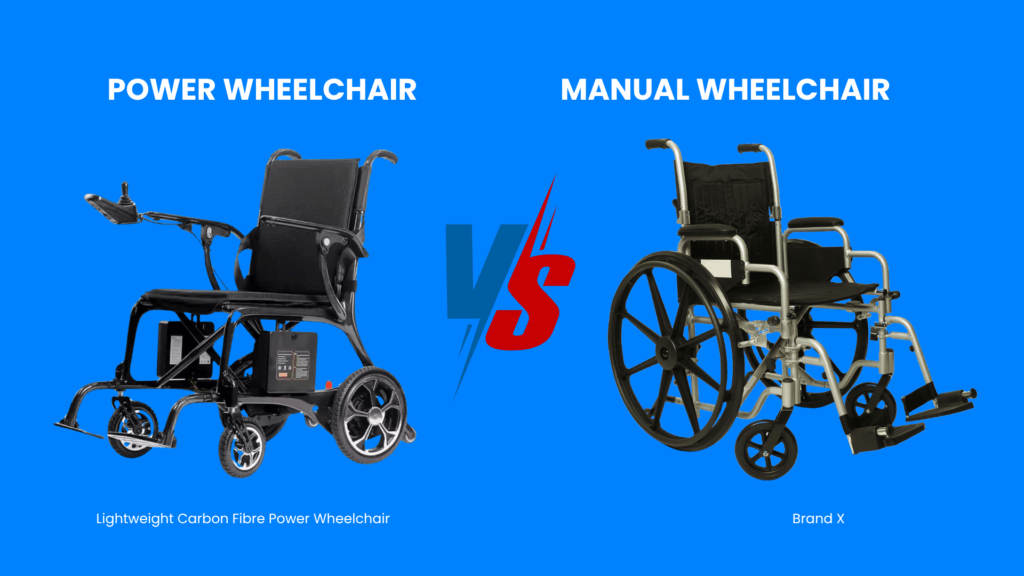
Renting vs. Buying a Power Wheelchair – Which is Right for You? Getting around shouldn’t be a tough task. For many people, a power wheelchair means the ability to move and not be stuck. But there comes the big question: To rent or to buy? That choice depends on few considerations: Your needs and requirements, your budget, and how long you intend to use it. This guide is here to help you decide what weighs heavier in your life. Understanding the Need for a Power Wheelchair Who benefits from using a power wheelchair? Older persons who cannot walk long distances in a quest for independence A person whose body slowly becomes weaker due to surgery or is recovering from an accident or injury A person with chronic diseases such as MS, Parkinson’s, or extremely disabled due to arthritis Children or adults with disabilities that restrict them from walking or standing Any individual needing assistance and yet wants that control in their lives. A power wheelchair provides you with support, safety, and freedom. You have the independence to experience mobility without the constant need for someone else to help you. Common reasons for needing mobility assistance. There are many reasons why one would need a wheelchair. Some are temporary while others can be permanent and they include: Knee, hip, or spinal surgery Healing from broken bones or sprains Waiting for a long-term diagnosis with functional support Travel Persistent disability that would need this as a daily solution The dilemma: Should you rent or buy? This then brings the big question. If you find yourself in one of those situations, the following might be on your mind: Is it cheaper from a financial perspective to rent rather than buy a power wheelchair? All depends on the duration and kind of features most important to you. Renting a Power Wheelchair – Pros & Cons Pros of Renting Renting might make a lot of sense for people who need the item for a shorter period. Less amount to invest in advance – You don’t need a huge budget for renting. No worries about maintenance – It will probably be repaired or replaced by the rental company. Ideal for short-term requirement needs – like vacations, some recovery from surgery, or visiting relatives. More comfortable to upgrade or switch models – You’re not stuck with one chair. If you’re unsure which model would fit you best, renting lets you experiment with different ones. Cons of Renting Renting can be really good, but it has some downsides. Monthly fees even accumulate on the fast end – If you keep on renting for many months, increased accumulation could cost a bit much. Some limitations in its variety – You may not get the very same model you wish to have. Just basic features – Rented chairs most of the time do not have custom add-ons or advanced features. Not always available – Popular models take stock during busy seasons. If you want to be perfect for your body or require special tech features, it may feel limiting for you. Buying a Power Wheelchair – Pros & Cons Pros of Buying When you need a power wheelchair every day, owning one starts to make more sense. The long-term investment – You pay once and it is yours. You get to customise it – Seat padding, joystick placement, headrests—whatever works best for you. In the long run, it becomes more economical-simply put, if you will use it every day. You become familiar with it-that makes you feel its comfort and control. Owning a wheelchair gives you a constant and very reliable setup. You know exactly how it handles and feels. Cons of Buying Of course, it’s not everyone’s style to buy. Here are the reasons: Higher initial cost – Prices range from 2000 to 15000 dollars depending on features. Your repairs and maintenance responsibilities – You take care of anything that breaks as it all falls back on you. Not meant for a short-term user. It wouldn’t be worth it considering that you only need it for a few weeks. Buying a power wheelchair makes the most sense if you use it every day and need something that’s built just for you. Key Factors to Consider When Choosing 1. Duration of Use How long will I need the chair? Short-term use for a few weeks or a few months → easy and cheaper with rent. Long-term daily use → with time, this becomes a cheaper option. If there are chances of extending for some reason, it may be better to buy. 2. Budget & Cost Comparison Money matters here. Renting has low initial expenditure but recurring monthly costs. Buying implies high initial expenditure but then all the burden rests on your shoulders free of any monthly payment obligations. For example: Rent for 6 months at $250/month = $1,500. But buying a fairly good chair could set you back $2,000–$3,000. So, after a certain point, buying saves money. 3. Customization & Comfort Now that’s a big deal. Comfort really matters when you sit for hours every day. Buying your chair means buying: seat size, cushioning, backrest, controls, leg supports, and all. While in the rental market, they typically offer you a standard setup that may not feel good after prolonged use. The longer you intend to keep it, the more comfort will count. Best Power Wheelchair Options for Renting & Buying Renting a Lightweight & Portable Model Example: Carbon Fibre Power Wheelchair This is a top recommendation for travelers. It is lightweight, folds easily, and fits into cars or planes. Ideal for: Weekend Trips Cruise Vacations Short-Term Recovery You get mobility without bulk. Buying a Fully Featured Power Wheelchair Fully Automatic Reclining Power Wheelchair This is a chair entirely meant for relaxation and land usage. Its features include: Total reclining backrest Adjustable leg rests Padded seat; and head support Controls the joystick. It is for an individual every day having perfect reliable mobility built-in comfort. Where to Rent or Buy

Renting vs. Buying a Power Wheelchair Read More »

Compare Products

Scroll to Top