Assistive Tech Hub

Top Features to Look for in a Power Backrest with Side Rails [2025 Buyer’s Guide]

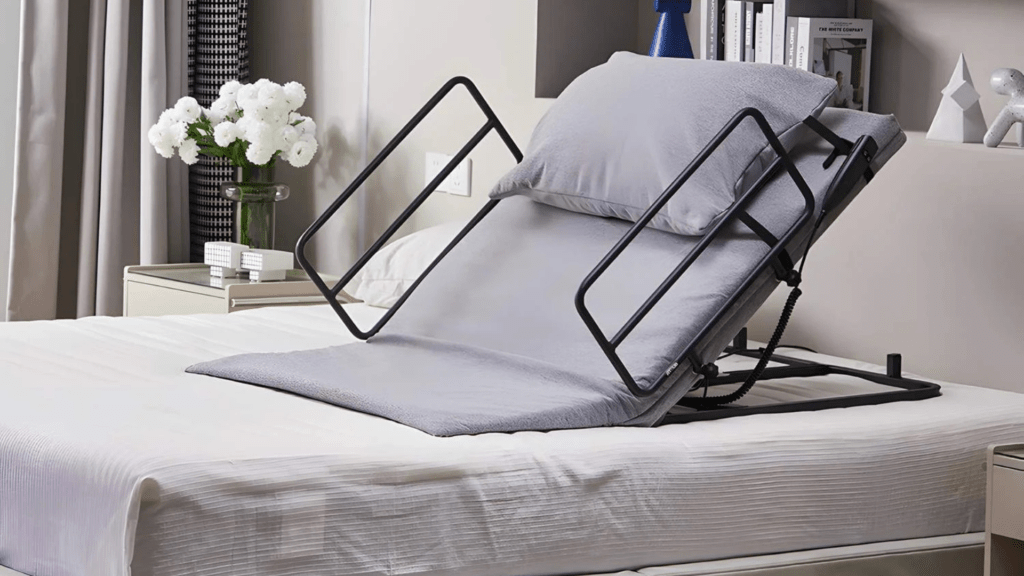
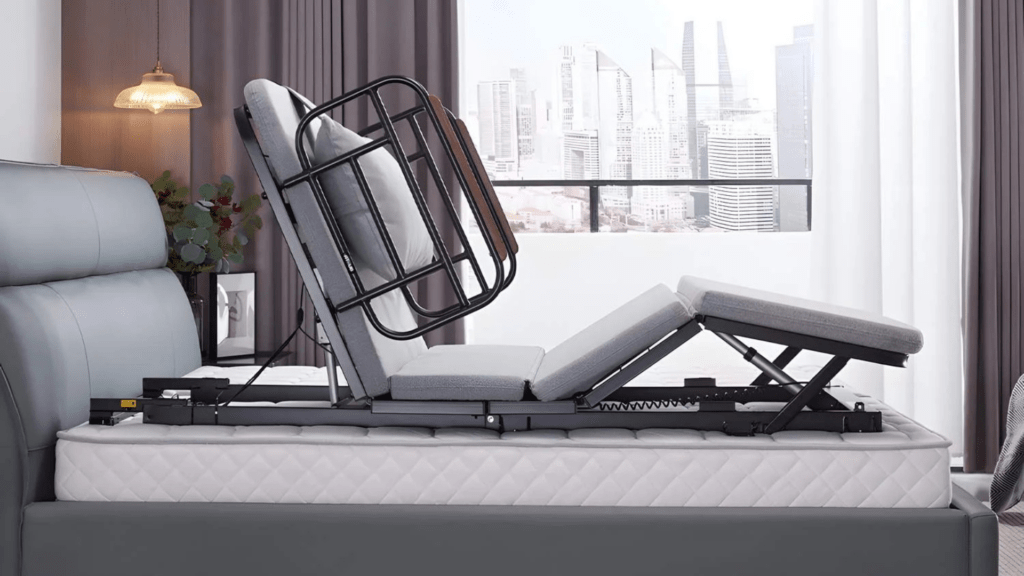
If you’re caring for someone recovering at home or managing a mobility issue, choosing the right power backrest with side rails can make a big difference. In 2025, there are more options than ever, so knowing what features matter will help you pick the best one for your needs. This guide will walk you through the top features to look for when buying or hiring a power backrest with side rails — simple, clear, and tailored for Australians. What Is a Power Backrest with Side Rails? A power backrest with side rails is a device that attaches to a bed to help adjust the backrest electronically. This means the user can sit up or recline smoothly by pressing a button. The side rails provide extra safety, stopping falls and helping with movement in bed. For a reliable, portable option, check out the Portable Power Backrest with Side Rails, which fits most beds and is easy to use. Why Choosing the Right Features Matters Not all power backrests are the same. Picking one with the right features can: Keep the user safer and more comfortable Make life easier for carers and family Save money by avoiding poor quality or unsuitable products Ensure the device lasts longer Top Features to Look for in 2025 1. Electric Power Adjustment The main advantage of a power backrest is that it uses an electric motor to raise and lower the backrest smoothly. This means: No manual effort needed — perfect for users with limited strength Multiple positions possible — sit up, recline, or lie flat easily Often controlled by a simple remote or buttons on the side Electric adjustment beats manual backrests for ease, precision, and comfort. 2. Sturdy, Well-Designed Side Rails Side rails are critical for safety, especially for those at risk of falling out of bed. Good side rails should: Be strong and stable, supporting weight if the user pushes on them Have a comfortable height to prevent slipping out but easy enough to hold onto Include features like padding or easy-release locks for quick access Strong side rails also help users reposition or get in and out of bed more confidently. 3. Compatibility with Existing Beds Many people want a power backrest that fits their current bed. Look for: Adjustable clamps or fittings that suit standard bed frames Options that work with hospital beds or homecare beds Portable backrests that can be moved between beds, like the portable backrest A compatible backrest means less hassle and expense upgrading the whole bed. 4. Quiet and Reliable Motor You want a motor that runs quietly — especially important if the user sleeps nearby when adjusting positions at night. Reliability is just as important: A durable motor won’t break down after months of use Look for devices with proven performance and good reviews 5. Ease of Installation and Portability A device that’s easy to install saves time and avoids costly professional help. Features to look for: No special tools required Clear instructions or videos from the supplier Lightweight design for easy movement or transport Portable models allow users to take the backrest on holidays or between homes. 6. Battery Backup and Safety Features Power outages happen, and it’s important the backrest still works or can be lowered safely if the power fails. Look for: Battery backup options or manual overrides Emergency stop or reset functions for added safety These features give peace of mind for carers and users. 7. Adjustable Height and Angle Range Different users need different support angles. Some common benefits of good adjustment range include: Raising the head for better breathing or digestion Reclining fully for rest or sleep Helping carers with patient positioning Check the product specs to make sure the backrest offers enough flexibility. 8. Durability and Quality Materials Choose a power backrest made from sturdy, easy-to-clean materials: Powder-coated metal frames for rust resistance Plastic parts that resist cracking or wear Cushioned or padded side rails for comfort Durable products save money by lasting longer and requiring less maintenance. 9. User-Friendly Controls The controls should be easy to understand and operate: Large buttons or a simple remote Clear icons or labels Sometimes additional safety locks on controls to avoid accidental operation User-friendly controls increase independence and reduce frustration. 10. Warranty and Support A good warranty protects your investment. Look for: At least 12 months warranty on parts and labour Local Australian customer support for quick help Spare parts availability Assistive Tech Hub offers solid warranties and expert support for Australian customers. Additional Considerations Hospital bed for sale vs. hospital bed hire If you need a power backrest short-term (e.g. after surgery), consider hiring a hospital bed or backrest from Assistive Tech Hub. For long-term or permanent care, purchasing might be better — explore hospital beds for sale. Trialing equipment before purchase Some suppliers offer disability equipment trials, letting you test the backrest at home to ensure it suits your needs. Budget and funding Look into government programs like NDIS or My Aged Care, which might assist with funding for power backrests or hospital beds. Where to Buy or Hire Power Backrests with Side Rails in Australia Assistive Tech Hub is a trusted source for homecare equipment across Australia. They provide: A wide range of aged and home care beds Portable and easy-to-use backrests like the power backrest with side rails Flexible hire options Excellent customer service and advice (contact) Choosing the right power backrest with side rails means looking for features that improve safety, comfort, and ease of use. Focus on electric adjustment, strong side rails, compatibility, quiet motors, portability, and good support. If you’re planning homecare or post-surgery recovery, these features will help you make the best choice in 2025. For personalised advice, trials, and purchasing, visit Assistive Tech Hub or get in touch via their contact page.

Top Features to Look for in a Power Backrest with Side Rails [2025 Buyer’s Guide] Read More »
Power Beds with Side Rails: A Safer, More Comfortable Solution for Home and Aged Care

When it comes to caring for yourself or a loved one at home, safety and comfort are at the top of the list. This is especially true for older Australians or anyone recovering from surgery, illness, or living with a disability. That’s where Power Beds with Side Rails come in — a practical, smart, and life-enhancing solution for home and aged care. Let’s explore how these modern medical beds make everyday life easier and safer in Australian households. Why Power Beds with Side Rails Are Gaining Popularity in Australian Homes With Australia’s ageing population and growing preference for in-home aged care, more people are choosing medical beds for home use. These beds aren’t just hospital-style anymore — they’re stylish, practical, and designed with the user’s comfort in mind. Powerbeds combine motorised adjustment with side rails to deliver both comfort and safety. Whether it’s helping someone sit up with the press of a button or providing a secure edge to prevent falls, they’re becoming essential in many Aussie homes. Benefits of Power Beds in Home and Aged Care Enhanced Comfort with Adjustable Bed Power One of the biggest advantages of a bed power system is customisation. A powerbed can adjust the head, foot, and overall height of the bed, improving comfort throughout the day. This helps users: Sit up easily to eat or read Reduce snoring or sleep apnoea Elevate legs to improve circulation Pressure Relief and Posture Support Unlike regular beds, a powerbed reduces pressure on sensitive areas like hips, shoulders, and back. This can help prevent pressure sores and discomfort — especially for people who spend long hours in bed. Independence for Users and Ease for Carers Being able to control bed positioning via remote gives users more independence, reducing the need for constant carer assistance. At the same time, carers can easily adjust the bed to provide support or help with transfers. How Side Rails Improve Safety and Confidence Fall Prevention for Peace of Mind Side rails are a must for preventing falls, particularly during the night. For many families, installing removable bed side rails means less stress about night-time accidents. Support During Repositioning Portable rails give users something to hold onto when shifting positions, helping them move more confidently and safely. Family Confidence and User Dignity Knowing that the bed has secure side beds with rails gives family members peace of mind. For the user, it adds a sense of dignity and independence. Portable and Removable Bed Side Rails: What You Need to Know Modern powerbeds often come with portable rails that are easy to attach or remove. This flexibility is ideal if: You need temporary use post-surgery You share the bed with a partner and only need one rail You want to adjust based on daily needs Check out our best-selling Portable Power Bed with Side Rails for a closer look at this practical solution. What to Look for in a Quality Powerbed for Home Use Size and Mattress Support Make sure the powerbed matches the room layout and the user’s body size. Consider a model with a supportive mattress that evenly distributes pressure. Bed Power Features and Controls Look for a bed with: Easy-to-use remote Quiet motor operation Smooth, stable movement Safety lock functions Australian Standards and Safety Only purchase medical beds that meet Australian safety and electrical standards. This ensures long-term durability and peace of mind. Who Can Benefit from a Medical Bed for Home Use? Powerbeds are ideal for: Seniors who want to stay independent at home People with mobility challenges or neurological conditions NDIS participants needing accessible sleep solutions Post-surgery patients recovering at home They’re especially helpful in preventing hospital readmissions by improving sleep, mobility, and comfort. Choosing the Right Side Bed for Your Loved One When choosing a bed, don’t just think hospital-style — many powerbeds now have modern finishes that suit any home. Look for: Space-saving side beds for smaller rooms Removable rails for flexibility Accessories like overbed tables or IV poles Explore our full range of beds for home use to find the right fit. Why Adjustable Beds Are a Worthwhile Investment While a powerbed may cost more upfront than a standard bed, the benefits are long-term: Better quality of life for users Reduced injury risk for carers More restful sleep Fewer emergency room visits due to falls For those on a budget or needing a short-term solution, we offer bed hire options and disability equipment trials. Assistive Tech Hub: Supporting Safer Sleep at Home At Assistive Tech Hub, we understand that choosing the right bed is a big decision. That’s why we offer: Free trials: Try before you buy Short-term rental options: Hire beds and more Wholesale support for aged care providers: Wholesale enquiries Easy online shopping: Browse our full store Helpful advice: Contact our friendly team Our Portable Power Bed with Side Rails is one of the most versatile solutions available — easy to install, reliable, and designed with Australian home care in mind. Final Thoughts: Empowering Australians with the Right Sleep Solutions Everyone deserves a good night’s rest — especially those facing health challenges. A Power Bed with Side Rails offers far more than just sleep; it offers freedom, safety, and dignity. Whether you’re caring for an elderly parent, supporting a family member post-surgery, or just planning ahead, choosing a powerbed can make all the difference. At Assistive Tech Hub, we’re here to help Australians live comfortably and safely — one bed at a time. FAQs Can I try a powerbed before buying it? Yes! We offer trials so you can see if it suits your needs before purchasing. Do I need a prescription to buy a medical bed for home use? No prescription is needed for most products. However, some NDIS plans may require a letter from your healthcare provider. Are the side rails removable? Yes. Most models come with removable bed side rails or optional rail kits that can be attached and detached easily. Can I rent a powerbed temporarily? Absolutely. Check our hire page for availability

Power Beds with Side Rails: A Safer, More Comfortable Solution for Home and Aged Care Read More »

How a Power Backrest with Side Rails Enhances Comfort and Safety for Homecare Patients

Caring for a loved one at home can be a deeply rewarding experience, but it also comes with challenges—especially when it comes to safety, comfort, and mobility. One product that’s making a big difference in Australian households is the Portable Power Backrest with Side Rails. This assistive device is designed to improve the daily experience of homecare patients and reduce the burden on carers. In this guide, we’ll explain how a power backrest with side rails works, who it’s for, and why it’s a smart investment for both patient safety and overall well-being. We’ll also explore your options if you’re looking for a hospital bed for sale or need a hospital bed hire solution for short-term care. 1. What Is a Power Backrest with Side Rails? A power backrest with side rails is a device that transforms a standard bed into a safer and more supportive surface for patients with mobility or medical needs. It’s portable, easy to use, and can be adjusted with a remote control. The side rails help prevent falls, offering peace of mind for carers and loved ones. If you’re not ready to invest in a full hospital bed, this portable backrest is a fantastic middle-ground solution. 2. Why Comfort Matters in Homecare Settings Patients who spend long periods in bed due to illness, injury, or ageing deserve to be comfortable. Lack of proper support can cause: Back pain Pressure sores Poor sleep Reduced mobility A power backrest allows users to sit up, eat, read, or watch TV comfortably—without relying on carers to prop them up with pillows. 3. The Role of Side Rails in Patient Safety Side rails are often overlooked but are incredibly important for patient safety. They: Prevent falls, especially for patients with dementia or limited mobility Provide support when repositioning or getting in/out of bed Offer reassurance to patients who may feel insecure or unsteady For families managing homecare, this added layer of protection is invaluable. 4. Key Benefits of Using a Power Backrest at Home Easy Adjustability The powered remote lets patients adjust their sitting or lying angle without needing assistance. Enhanced Independence Patients can sit up and lie down on their own, reducing the physical strain on carers. Improved Hygiene and Care Tasks Easier to sit up for meals, personal hygiene, or medication time. Less Carer Fatigue Carers no longer have to manually adjust pillows or strain their backs helping patients sit up. Portable Design You don’t need a full hospital bed—this device works with most existing mattresses and frames. 5. Who Should Use a Portable Power Backrest? This device is ideal for: Elderly Australians who want to age comfortably at home Post-surgery patients recovering in bed People with chronic conditions such as arthritis or MS NDIS participants requiring safer sleep setups Hospice patients receiving palliative care at home If you’re not sure if it’s suitable for your needs, consider booking a disability equipment trial to test it out. 6. How It Compares to a Full Hospital Bed A hospital bed offers more features, such as adjustable height and full tilt functions. However, many families find a portable backrest a more affordable and flexible option, especially for short-term or light-duty use. Feature Portable Power Backrest Hospital Bed Adjustable Back Support Yes Yes Side Rails Yes Yes Portability Yes No Full Height Adjustment No Yes Cost Affordable More Expensive 7. When to Buy vs Hire: Cost-Effective Options Not every family needs to buy medical equipment outright. That’s why hospital bed hire and backrest hire are popular in Australia. Consider Hiring If: You need it for post-op recovery You’re trialling homecare arrangements You’re waiting for NDIS approval Consider Buying If: You care long-term for an ageing loved one You want to improve daily comfort and independence You manage chronic or progressive conditions You can explore our full range of hospital beds for sale or speak to our team for advice on your situation. 8. Real-Life Scenarios: How Families Are Using It Scenario 1: Caring for Mum at Home Julie from Melbourne uses a power backrest for her 82-year-old mum who has arthritis. “Mum can sit up and watch TV or eat without me adjusting pillows every hour. It’s been a lifesaver,” she says. Scenario 2: Temporary Recovery Ben hired a backrest after his father had hip surgery. “It helped Dad stay comfortable and made wound care so much easier.” 9. Tips for Setting Up Your Backrest Safely Place it on a firm mattress or base Ensure the power cord is safely tucked away Adjust the side rails to the proper height Teach the patient how to use the remote Always supervise the first few uses Still unsure? Get in touch via our Contact Page for personalised setup tips. 10. Where to Buy or Hire in Australia You can purchase or hire the Portable Power Backrest with Side Rails directly from Assistive Tech Hub, a trusted provider of disability aids and homecare equipment. Buy from our store Explore wholesale options Learn about trials Hire equipment 11. Why Choose Assistive Tech Hub? Australian-owned and operated Specialises in mobility aids and disability equipment Transparent pricing with NDIS-friendly options Local support and delivery across Australia Offers hire, trial, and purchase flexibility 12. FAQs Can I use the backrest on any bed? Yes, as long as the bed has a firm base and enough space for the frame. Is it covered by the NDIS? Yes, many NDIS participants use their funds to purchase or hire this equipment. Ask our team for help. Can side rails be removed? Yes, they are optional and can be detached if not needed. 13. Final Thoughts A power backrest with side rails is more than just a comfort upgrade—it’s a tool that promotes safety, dignity, and independence for homecare patients. Whether you’re caring for an elderly parent, recovering from surgery, or managing a long-term condition, this simple addition can make daily life easier for both patients and carers. Visit Assistive Tech Hub today to learn more or contact us for a tailored recommendation.

How a Power Backrest with Side Rails Enhances Comfort and Safety for Homecare Patients Read More »

5 Ways a Portable Power Bed with Side Rails Improves Safety and Comfort for Elderly Australians

As we get older, safety and comfort become more important than ever—especially when it comes to how and where we sleep. Many elderly Australians face mobility challenges, medical conditions, or general frailty that make getting in and out of bed a daily struggle. That’s where a Portable Power Bed with Side Rails comes in. In this article, we’ll explore 5 ways a portable powerbed improves safety and comfort for elderly Australians, with clear, easy-to-understand examples. Whether you’re a senior looking for more independence or a family member caring for a loved one, this guide is for you. Shop our power beds with side rails Browse all medical beds for home use 1. Safer Transfers In and Out of Bed One of the biggest challenges for older Australians is getting in and out of bed safely. Traditional beds can be too low, too soft, or simply not supportive enough. A powerbed, like the one with side rails, solves this problem with adjustable height and head/lower leg positions. How It Helps: Bed power controls let the user raise or lower the bed to the perfect height—reducing the risk of falls or needing help. Portable rails give users something sturdy to hold onto when getting in or out of bed. For carers, it also means less lifting, reducing the chance of injury. “My mum lives alone in Melbourne. Since getting her a portable power bed, she can get in and out without calling me every night. It’s been life-changing.” – Leah, VIC Book a free disability equipment trial 2. Better Sleep Through Customised Comfort Comfort is not just about a soft mattress—it’s about proper support for your back, hips, and legs. Elderly Australians often suffer from arthritis, back pain, or conditions like sleep apnoea. A medical bed for home use with full adjustability offers targeted relief. Features That Improve Comfort: Head elevation reduces snoring and helps with breathing. Foot elevation can improve circulation and reduce swelling. Custom positioning helps relieve pressure on joints. Plus, side beds with removable bed side rails provide added comfort without making the user feel “trapped” or restricted. Explore our range of adjustable medical beds 3. Greater Independence for Seniors For many older Australians, needing help from others for basic tasks can affect their confidence. Having a powerbed means more independence—and more dignity. Here’s Why: Users can operate the bed with a remote control, adjusting it themselves anytime they want to sit up or lie down. Portable rails help them safely shift or reposition in bed without help. It reduces the need to rely on carers for minor adjustments or transfers. “We’ve seen an increase in independence and mobility for seniors who switch to adjustable power beds. It makes them feel more in control.” – Physio from Sydney Aged Care Centre Contact our team 4. Built-In Safety for Peace of Mind Falls in the bedroom are a serious concern. According to Safe Work Australia, falls are one of the leading causes of injury in people over 65. A portable power bed with side rails helps prevent these accidents. Safety Benefits: Removable bed side rails can be used when needed and taken off when not. Strong portable rails prevent the user from accidentally rolling off. The bed’s adjustable height reduces the risk of injury when entering or exiting. Additionally, beds designed for home use often come with safety certification and are designed with Australian standards in mind. Check out our most popular powerbed with rails 5. Ideal for Home, Aged Care, or Short-Term Recovery Whether you’re recovering from surgery, receiving aged care at home, or simply need a more supportive bed, a portable powerbed is a great solution. Flexible for Any Situation: Lightweight and portable, making it easy to move or store. Ideal for homecare environments, aged care residences, or even short-term recovery setups. Can be hired short-term, so you don’t have to purchase upfront. Check our bed hire service Buy in bulk from our wholesale store Key Features of the Portable Power Bed with Side Rails Let’s take a closer look at the bed itself: Remote-controlled head and leg adjustments Sturdy steel frame and motorised lift system Removable side rails for safety and convenience Compact and foldable for easy transport Suitable for both home use and aged care settings View full product specs and pricing Real Stories from Australian Families “My dad’s recovery after his hip surgery was so much smoother because of this bed. The power adjustments and rails gave us peace of mind.” – Tina, Geelong “We hired the bed at first for mum’s stroke recovery, but ended up buying it. She’s sleeping better and feels safer.” – Marcus, Brisbane Why Choose Assistive Tech Hub? At Assistive Tech Hub, we specialise in medical beds for home use, mobility aids, and aged care solutions designed for Australians. We only stock products that are safe, comfortable, and meet the highest quality standards. Browse all store products Try before you buy Speak to a product specialist Hire or buy powerbeds A portable power bed with side rails is more than just a bed—it’s a tool that promotes safety, independence, and comfort for elderly Australians. Whether you’re looking to make your home safer, support a loved one’s recovery, or upgrade a bedroom for aged care, this bed is a smart, reliable solution. Now is the time to invest in your comfort and wellbeing. Explore our full range of side beds and medical beds for home use Enquire about product trials or rental

5 Ways a Portable Power Bed with Side Rails Improves Safety and Comfort for Elderly Australians Read More »

Is a Portable Power Bed with Side Rails Right for Your Homecare Needs? Here’s What to Know

Caring for someone at home can be rewarding, but it also comes with many challenges—especially when it comes to ensuring their safety, comfort, and independence. If you’ve been searching for a solution that makes life easier for both you and your loved one, you might have come across a portable power bed with side rails. But… Is a Portable Power Bed with Side Rails Right for Your Homecare Needs? Here’s What to Know. This guide will walk you through everything—from features and benefits to safety, pricing, and real-life experiences from other Aussies. By the end, you’ll have a clear idea of whether this type of bed is right for your home. What Is a Portable Power Bed with Side Rails? A portable powerbed is an adjustable medical bed designed for home use. It uses electric bed power controls that let the user raise or lower the head, legs, or whole bed with the touch of a button. The side rails, which can be removable or fixed, offer extra protection against falls and make getting in and out of bed safer. These medical beds for home use are popular in aged care, post-surgery recovery, disability care, and palliative care. View our featured Portable Power Bed with Side Rails Who Can Benefit from a Powerbed? This type of bed is not just for hospitals. In fact, it’s become a go-to solution for families across Australia. You might benefit from a powerbed if: You’re caring for an elderly parent at home You or a loved one has mobility issues or a disability Someone is recovering from surgery or injury You’re looking for more comfort and safety during sleep “We got a powerbed for my dad after his stroke. It gave him back his independence, and it helped us as carers too.” – Melanie, Sydney Top Features That Make These Beds Ideal for Homecare Let’s look at what sets these beds apart from regular ones. 1. Bed Power Control No need to manually lift the head or foot of the bed. With the press of a button, the user can: Sit up to read or eat Elevate legs to reduce swelling Adjust to the perfect sleeping angle This helps with comfort, pain relief, and even breathing issues like sleep apnoea. 2. Portable Rails for Safety The portable rails offer firm support when getting in or out of bed. They’re strong but not bulky and are perfect for anyone who needs extra stability or protection from falls. 3. Removable Bed Side Rails Not everyone wants the rails on all the time. These beds offer removable bed side rails, so you can attach or detach them easily based on your needs or room layout. 4. Compact and Mobile Unlike heavy hospital beds, these side beds are often lightweight and can be moved or stored. That makes them a great fit for Australian homes, where space can be limited. Want to try one first? Book a free disability equipment trial Safety First: Why Side Rails Matter in Homecare Falls are one of the top causes of injury in elderly Australians. A bed with side rails helps prevent those accidents. Here’s how: Keeps the user safely in bed at night Provides a steady grip when shifting positions Reduces stress for carers worried about nighttime falls For families caring for loved ones with dementia, Parkinson’s, or poor mobility, side rails are a must-have. Comfort and Support: Better Sleep at Home Let’s face it—traditional beds weren’t made for people with health issues. A medical bed for home use provides the right balance of comfort and support. Benefits for the user: Customisable positions relieve pressure and pain Raised head helps with digestion, breathing, and snoring Reduced need to call for help during the night Benefits for carers: Less strain from lifting or adjusting someone manually Easier nighttime checks Less risk of injury when helping with transfers Browse more adjustable medical beds for home Should You Buy or Hire? Buying a bed is a great long-term investment—but it’s not always necessary. If you only need the bed temporarily (e.g., during recovery), hiring might be the way to go. When to Hire: Post-surgery recovery (4–12 weeks) Palliative care Trial before committing to buy Check our bed hire options When to Buy: Long-term care for chronic conditions Home modifications for ageing in place Frequent carer support needed For ongoing use, purchasing often works out cheaper over time. Want advice? Speak to our team Questions to Ask Before Getting One Before choosing a powerbed for your home, consider these: Does the bedroom have enough space? Some beds are wider or longer than standard ones. What are the user’s medical needs? Do they need frequent position changes? Are falls a risk? Will a carer be using the bed too? If yes, adjustable height is important for safe transfers. Is it needed long-term or short-term? This will affect whether you should buy or hire. Still not sure? Book a trial or ask us Real Stories from Australian Families “After mum’s hip surgery, the portable power bed was the only thing that helped her sleep comfortably. She could adjust it herself, and I didn’t have to wake up to help.” – Claire, Melbourne “We hired one first and loved it so much we bought it. It’s helped my husband recover with dignity after his accident.” – John, Perth “I run a care home in NSW. We now use these beds in two of our client rooms. The feedback from families and staff has been great.” – Linda, aged care manager Where to Get a Portable Power Bed with Side Rails If you’re ready to make life safer and easier at home, here’s how you can take the next step: Buy now: Portable Power Bed with Side Rails – Product Page Hire short-term: Disability Bed Hire Options Book a trial: Try Before You Buy – Equipment Trial View full store: All Products Wholesale available: Bulk Pricing for Providers So—Is a Portable Power Bed with Side Rails Right for Your Homecare Needs?

Is a Portable Power Bed with Side Rails Right for Your Homecare Needs? Here’s What to Know Read More »

How to Choose the Right Hi-Low Bed for Elderly Homecare: A Buyer’s Guide for Australian Families

Caring for an elderly loved one at home comes with a lot of responsibility—but it also offers the comfort of familiarity, safety, and family connection. One of the most important decisions you’ll make is choosing the right hi-low bed. These beds aren’t just about comfort; they’re about safety, support, and ease of care. In this guide, we’ll help you understand everything you need to know to confidently choose the best hi-low bed for homecare in Australia. Whether you’re new to aged care or upgrading from a standard bed, this guide covers the must-know features, benefits, and where to buy hi low beds for home across Australia. What Is a Hi-Low Bed? A hi-low bed—sometimes written as hi lo bed—is a fully adjustable bed designed for people who need extra care and support at home. The bed can be raised or lowered at both the head, foot, and overall height using electric controls. This makes it much easier for elderly Australians to: Get in and out of bed safely Sit up for meals or reading Be cared for without strain on family or carers Hi-low beds are often used in hospitals, aged care facilities, and increasingly in private homes thanks to NDIS funding and aged care support. Why a Hi-Low Bed Matters in Elderly Homecare The right hi-low adjustable bed can make a huge difference in the quality of life for seniors. Here’s why: Prevents falls – Beds can be lowered close to the ground at night. Makes caregiving easier – Carers don’t need to bend down to assist. Improves comfort – Electric adjustment allows for personalised sleeping and resting positions. Promotes independence – Seniors can control bed positions with remote functions. If you’re caring for a loved one at home, a quality hi low hospital bed can reduce risk, increase comfort, and support safer home living. Top Features to Look for in a Hi-Low Bed Not all hi lo beds are created equal. Here are essential features to look out for: Electric height adjustment – Smooth up/down movement to reduce lifting risk. Adjustable back and leg rests – Supports sitting and leg elevation. Side rails – Optional for fall prevention and security. Lockable castors – Helps with cleaning and mobility while staying stable. Remote control access – Easy operation for users and carers. Weight capacity – Standard beds may hold 180kg, bariatric beds support more. Mattress compatibility – Some beds work only with specialised pressure-relief mattresses. You can explore high-quality options like the Aged & Homecare Hi-Low Bed available at Assistive Tech Hub. Types of Hi-Low Beds Available in Australia Hi-low beds come in various configurations depending on care needs and room sizes. 1. Standard Hi-Low Beds for Home These are perfect for general aged care at home. Sleek and functional. 2. Hi-Low Hospital Beds Feature advanced safety and clinical-grade support—ideal for higher care needs. 3. Bariatric Hi-Low Beds Wider and with higher weight capacities—used for users over 180kg. 4. Split Beds or Partner Beds Useful when one partner needs a hi-lo bed and the other doesn’t. Keeps you sleeping together! Explore all types on our Aged & Home Care Beds page. Electric vs Manual Hi-Low Beds In the past, some beds had manual cranks, but modern electric hi low beds are far more common. Electric Hi-Low Beds Pros: Easy to use with a remote Quieter operation Less physical effort Better positioning and posture Unless you’re in a rural area with no access to electricity, an electric model is usually the best choice. Choosing the Right Size and Mattress Hi-low beds typically come in: Single King Single Long Single Double (for some models) Queen or Split Queen (for couples) When it comes to mattresses, it’s important to choose one designed for adjustable beds. These often include: Pressure-relieving foam Waterproof covers Antimicrobial surfaces Your supplier can help with suitable mattress options. You can view available models at our store. Safety Considerations for Home Use When setting up a hi lo bed for home, always think safety first: Position the bed where there’s space to lower all the way. Use side rails if there’s a risk of rolling out. Make sure the cords are tucked away from trip hazards. Test the lockable wheels to prevent sliding. At Assistive Tech Hub, our team ensures all beds are delivered, installed, and safety checked before use. Budget and Where to Buy Hi-Low Beds in Australia Hi-low beds range in price depending on features, size, and brand. Entry-level models: $1,800 to $2,500 Mid-range with full electric features: $2,500–$4,000 Premium or hospital-grade beds: $5,000+ Looking for a hi low bed for sale? You can check current pricing and specials on our product page. And yes, we provide hi lo beds Melbourne-wide and ship across Australia. Trial, Hire, and NDIS Options Not ready to commit to buying? Try before you buy with our Disability Equipment Trial Short-term or long-term options available via our hire program We support NDIS participants and aged care clients. Our team can guide you through the process so your family gets the support you need quickly and affordably. Why Choose Assistive Tech Hub We’re an Australian-owned provider of mobility and aged care equipment with a focus on quality, service, and personalised support. NDIS registeredAustralia-wide deliveryTrusted by carers and familiesExperts in hi lo hospital beds, electric hi low beds, and home solutions Need help choosing the right bed? Contact us at Assistive Tech Hub. Or explore our full range of products and wholesale pricing if you’re a care provider or facility. Choosing the right hi-low bed for elderly homecare doesn’t have to be overwhelming. With the right guidance, your loved one can rest easier—and so can you. These beds are more than furniture—they’re life-changing tools that promote independence, safety, and dignity. Explore your options, ask questions, and don’t hesitate to reach out to experts who care. Whether you’re looking for a hi lo hospital bed, electric hi low bed, or simply comparing models, we’re here to help Australian families make the best decision. Visit

How to Choose the Right Hi-Low Bed for Elderly Homecare: A Buyer’s Guide for Australian Families Read More »

NDIS-Funded Portable Power Beds: What You Need to Know About Eligibility and Benefits

If you or a loved one are living with a disability or mobility challenge in Australia, having the right bed at home can make a world of difference. Portable power beds — also known as powerbeds or side beds — offer added comfort, safety, and independence. The great news? Many of these beds can be funded by the NDIS (National Disability Insurance Scheme) if they meet certain criteria. This guide explains everything you need to know about NDIS-Funded Portable Power Beds, including eligibility, benefits, application tips, and how to find the right solution for your needs. What Is a Portable Power Bed? A portable power bed is an electric medical bed designed to support people with limited mobility. These beds come with built-in bed power functions, allowing users to adjust the bed height and angles for comfort and safety — all with a remote or button press. Most medical beds for home use come with: Removable bed side rails for extra safety Portable rails for easier access in and out of bed Multiple reclining and elevation features Smooth, hospital-grade wheels for portability Unlike standard hospital beds, portable powerbeds are designed to suit a home environment — both functionally and aesthetically. How Portable Power Beds Improve Daily Life Here’s how a powerbed can help improve day-to-day life for Australians living with mobility issues: Increased independence: Adjust your position without needing help. Better sleep quality: Find the most comfortable angle for your condition. Reduced carer strain: Carers can adjust bed height to prevent injury. Support for recovery: Ideal for people recovering from surgery or chronic conditions. Example: John, a 68-year-old from Melbourne living with Parkinson’s, found it difficult to move in and out of bed. His NDIS-funded powerbed now allows him to sit up comfortably and sleep safely, reducing falls and making life easier for his wife, who is his main carer. What NDIS Covers: An Overview The NDIS provides funding for assistive technology that’s considered reasonable and necessary to support your disability. Powerbeds often fall under the Capital Support Budget, specifically under the Assistive Technology category. To qualify, the bed must: Directly relate to your disability Help you achieve a goal in your NDIS plan (like improved mobility or independence) Be value for money compared to other solutions Eligibility Criteria for NDIS-Funded Powerbeds To access an NDIS-funded powerbed, you must: Be an NDIS participant with an approved plan Show that the powerbed is necessary due to your disability Get an Occupational Therapist (OT) assessment Demonstrate how the bed will help with your daily activities or reduce carer burden The NDIS will likely ask for: A written OT report Quotes from providers Photographs of your current bed and home setup How to Apply for NDIS-Funded Portable Power Beds Here’s how to get started: Talk to your Support Coordinator or Plan Manager Book an OT assessment Request a quote for the powerbed from a registered provider like Assistive Tech Hub Submit a Change of Supports request to the NDIS (if not already in your plan) Await NDIS approval Need help trialling a product before you decide? Try our Disability Equipment Trial service — so you know it suits your needs. Benefits of Using a Powerbed at Home Powerbeds offer many practical and health benefits: Adjustable positions reduce pressure sores and improve circulation Electric lift function makes it easier to get in and out Side rails and bed power features prevent falls Reduces need for physical support during transfers Supports ageing in place Why Choose a Bed With Portable Rails and Removable Side Rails? Safety is key in home care. That’s why many Australians opt for powerbeds with: Removable bed side rails – Adjust them as needed without compromising safety Portable rails – Move them when transferring from bed to wheelchair or walker Custom positioning – Supports proper sleeping posture and therapy goals These features are especially useful for: Seniors at risk of falls People with neurological or physical conditions Post-surgical recovery at home Hiring vs Buying a Powerbed Through NDIS If you’re unsure whether to commit to a powerbed straight away, consider hiring one first. Hiring option: Short-term solution for recovery or trial Equipment trial: See if it fits your needs before buying Buying: Long-term investment and may be more cost-effective with NDIS funding Where to Find NDIS-Approved Powerbeds Looking for a trusted Australian supplier? Visit Assistive Tech Hub — your local specialist for disability beds and equipment. Check out the Portable Power Bed with Side Rails, a top-rated option with: Easy-to-use controls Removable rails Strong, hospital-grade build Stylish design for home use For bulk purchases or custom requests, visit our wholesale page. Getting Support and Advice Need help choosing the right bed or understanding your NDIS options? Reach out to our team. We work with NDIS participants, OTs, and plan managers across Australia. We can help you: Choose the best bed for your needs Provide detailed quotes Assist with trials and setup NDIS-funded portable powerbeds are a game-changer for Australians living with disability or mobility challenges. From improving comfort and safety to supporting carers and recovery, these beds make a big difference in everyday life. If you’re eligible under the NDIS, don’t miss the opportunity to improve your home care setup. Whether you’re looking to hire, trial, or purchase — Assistive Tech Hub is here to help. Contact us today or speak to your support coordinator to get started!

NDIS-Funded Portable Power Beds: What You Need to Know About Eligibility and Benefits Read More »

Why Aged & Homecare Hi-Low Beds Are a Game-Changer for Seniors in Australia

As Australians age, more families are looking for ways to help their loved ones stay safe, independent, and comfortable at home. One of the biggest changes in home care over the last few years is the rise of aged and homecare hi-low beds. If you’ve never heard of them, don’t worry—you’re not alone. But these beds are quietly becoming one of the most important pieces of equipment in aged care. In this article, we’ll explore why aged & homecare hi-low beds are a game-changer for seniors in Australia, and how they can make a real difference for both users and carers. 1. What Are Hi-Low Beds? A hi-low bed, also called a hi-lo bed, is a special type of adjustable bed designed for people who need more support at home or in care facilities. The key feature? You can raise or lower the whole bed frame at the push of a button. Unlike a standard bed, hi-lo beds can: Lower close to the floor to reduce fall risks Raise up to make it easier for carers to assist Adjust the head and foot sections for comfort There are both manual and electric hi-low beds, but most Australians prefer electric models for ease of use. 2. Key Benefits of Hi-Low Beds for Seniors These beds offer more than just a comfy place to sleep. They improve daily life in several ways: Easier to get in and out of bedWith adjustable heights, seniors can swing their legs in and out with less effort. Better mobility supportIdeal for people with arthritis, stroke recovery, or general weakness. Pain relief and comfortAdjustable angles help with circulation, breathing, and joint pressure. Peace of mind for familiesLoved ones know their parents or grandparents are safer at night. 3. Safety First: Fall Prevention & Injury Reduction Falls are a leading cause of injury for Australians over 65. According to the AIHW, over 132,000 older Australians were hospitalised due to falls in 2021–22. Hi-low hospital beds help prevent these accidents by: Lowering closer to the ground at night Using side rails for added support Offering stable, slip-resistant frames For families caring for someone with dementia or balance issues, hi low beds for home are essential safety tools. 4. Enhancing Independence and Dignity at Home Many seniors fear losing independence more than anything else. With a hi-lo bed, they can stay at home longer, with less need for daily assistance. These beds support: Independent repositioning using electric controls Private rest and sleep without constant supervision Comfort and dignity during personal care This makes hi-lo beds a key part of the “ageing in place” movement across Australia. 5. Carer Benefits: Less Strain, Better Care Caring for someone at home or in aged care can be physically demanding. Hi lo adjustable beds take some of the load off carers by: Raising the bed to a suitable height for care tasks Reducing the need for bending or lifting Making transfers safer and smoother This results in better care and fewer injuries for professional and family carers alike. 6. Electric Hi-Low Beds vs Manual Options While manual beds still exist, the switch to electric hi lo beds is happening fast—and for good reason. Feature Manual Beds Electric Hi-Lo Beds Ease of Use Harder to adjust Push-button operation Speed Slower Quick and smooth Independence Needs help Seniors can adjust bed themselves Price Cheaper upfront More value in long term Modern hi lo electric beds come with remote controls and whisper-quiet motors—perfect for home use. 7. Choosing the Right Hi-Low Bed for Home Not all hi-low beds are the same. Here are a few tips when looking for the right one: Check the size (Single, King Single, or Double)Consider the motor type – quieter is better for home settingsThink about mattress compatibility – will you need a pressure care mattress? Need help deciding? Check out our Aged Homecare Hi-Low Bed—it’s one of our most recommended models for seniors across Australia. 8. Hi-Lo Beds for Sale in Melbourne and Beyond Whether you’re in Melbourne, Sydney, or regional Australia, hi low beds for sale are easier to access than ever. At Assistive Tech Hub, we offer: Fast delivery across Australia Options to hire before you buy Friendly local support in Melbourne Browse our full store to see what’s in stock. 9. Try Before You Buy: Disability Equipment Trial Not sure if a hi-lo bed is right for your loved one? You can book a trial through our Disability Equipment Trial service. This lets you: Test the bed at home See how it fits the space Get advice from our care team A quick trial can help you make the best decision with confidence. 10. Wholesale & NDIS Support Are you a facility manager or healthcare provider? We offer wholesale options for aged care, rehab, and hospitals. For NDIS participants, we can help guide you through funding for your equipment. Visit our contact page to speak with our team. Conclusion Hi-low beds may not sound exciting at first—but for thousands of Australian seniors and carers, they’re a life-changer. From safer transfers and better sleep to greater independence and comfort, aged & homecare hi-low beds truly make a difference. If you’re considering a hi-lo hospital bed, don’t wait. Explore our full range at Assistive Tech Hub and see how the right bed can transform care at home.

Why Aged & Homecare Hi-Low Beds Are a Game-Changer for Seniors in Australia Read More »

NDIS and Hi-Low Beds: What You Need to Know About Eligibility and Funding

For many Australians living with disability or mobility challenges, a suitable bed can make a huge difference to both comfort and independence. Hi-low beds, also known as hi-lo beds, are electric beds that raise and lower to make getting in and out of bed safer and easier. They are especially important for aged care and people supported under the National Disability Insurance Scheme (NDIS). In this guide, we’ll explain how hi-low beds can be funded through the NDIS, who is eligible, what features matter most, and how to go about choosing and buying the right one. What Are Hi-Low Beds? Hi-low beds are electric adjustable beds designed for aged care and people with mobility issues. These beds can: Move up and down to make transfers safer Adjust the head and foot of the bed for comfort Reduce strain for carers and family members Whether you’re after a hi low bed for home, hi lo hospital beds, or electric hi low beds, they offer both practical and health benefits. Internal link: Explore our Aged Homecare Hi-Low Bed Why Are Hi-Low Beds Important for NDIS Participants? For people with disabilities, getting in and out of bed can be difficult or even unsafe. Hi-low beds reduce the risk of falls, support better sleep, and help carers avoid injury. If you’re an NDIS participant, you may be able to include a hi low adjustable bed in your plan if it supports your functional needs or independence. NDIS can fund hi-low beds when: They’re considered “reasonable and necessary” A qualified therapist (usually an Occupational Therapist) has assessed the need The bed helps you pursue your goals in your NDIS plan Who Is Eligible for NDIS Funding for Hi-Low Beds? To get a hi-lo bed funded, you must be: A current NDIS participant Living with a disability that affects mobility, transfers, or sleep safety You’ll also need to: Have a plan review or be preparing a new plan Work with an OT or physiotherapist who will recommend a bed and provide a detailed report The report must outline why the hi low hospital bed is necessary and how it supports your daily needs. Steps to Get a Hi-Low Bed Through NDIS Step 1: Talk to Your Therapist Your first step is to speak with your OT. They will assess your condition and home environment. Step 2: Choose the Right Hi-Low Bed Not all hi-low beds are the same. Look for options like: Electric height adjustment Back and leg raise functions Easy-to-use remote control Safety side rails (if required) You can view our range of hi-lo beds and discuss your options with your therapist. Step 3: Get a Quote and Product Recommendation Your therapist will request a quote from a supplier. We offer personalised quotes at Assistive Tech Hub. Step 4: Submit to the NDIS The therapist’s report and quote are submitted to the NDIS for approval. Step 5: Purchase or Hire the Bed Once approved, you can proceed to buy a hi low bed for sale or consider a hire option while waiting for funding. Key Features to Look for in an NDIS-Funded Hi-Low Bed 1. Electric Height Adjustment Helps with transfers and reduces carer strain. 2. Back and Knee Elevation Improves comfort, sleep quality, and circulation. 3. Safety Side Rails Essential for those at risk of falls or rolling out of bed. 4. Easy Remote Control A user-friendly remote makes the bed easier to use independently. 5. Durability and Warranty A good hi lo electric bed should come with a solid warranty and be built to last. Internal link:Try Before You Buy – Disability Equipment Trial What Bed Types Qualify for NDIS? NDIS typically funds beds that are designed to meet medical or therapeutic needs. This can include: Hi lo hospital beds with side rails and head/leg movement Hi low beds for home that support comfort and safety Hi low adjustable bed options with advanced electric features You can view our most popular Aged & Homecare Hi-Low Bed for more information. Can You Hire a Hi-Low Bed Under NDIS? Yes, in some cases NDIS funding can be used for short-term equipment hire. If you’re waiting for a plan review or funding approval, a hire solution can provide an immediate solution. You can speak to our team about hiring a bed while your plan is updated. Buying a Hi-Low Bed With or Without NDIS Even if you are not eligible for NDIS or are waiting for approval, you can still buy hi-low beds from trusted Australian suppliers like Assistive Tech Hub. We support both private and funded customers and can work with your OT or support coordinator. For bulk purchases, check our wholesale options. Where to Find Hi-Low Beds in Melbourne and Across Australia Assistive Tech Hub proudly supports families and care providers across the country. Whether you’re looking for hi lo beds in Melbourne, Sydney, Brisbane, or regional towns, we can help. Our beds are: NDIS-compatible Delivered Australia-wide Backed by expert advice and support Contact us here: Assistive Tech Hub Contact FAQs About NDIS and Hi-Low Beds Can I get more than one hi-low bed funded? Usually, no. NDIS typically funds one main bed per person unless your needs change. How long does approval take? It depends on your plan and the urgency, but approvals can take weeks. Always plan ahead. Do I need a new OT report each time? If your needs change or you’re applying for a new item, yes. OTs help ensure your equipment is still meeting your goals. Final Thoughts Getting the right hi-lo bed can make a big difference in your safety, independence, and comfort. Whether you’re a carer or a person living with a disability, understanding the NDIS and hi-low bed funding process is the first step. We’re here to help. If you have questions or need support, contact Assistive Tech Hub for personalised help. Internal Links Recap Home Shop Beds Aged Homecare Beds Aged & Homecare Hi-Low Bed Product Disability Equipment Trial Hire Options Wholesale Contact Us

NDIS and Hi-Low Beds: What You Need to Know About Eligibility and Funding Read More »

How Aged & Homecare Hi-Low Beds Reduce Caregiver Strain and Improve Safety

Caring for an elderly or disabled loved one at home can be deeply rewarding, but it’s not without its challenges. One of the biggest physical challenges caregivers face is helping individuals move in and out of bed safely. This is where Aged & Homecare Hi-Low Beds come in. These specially designed beds can significantly reduce caregiver strain while improving safety for both the carer and the person receiving care. In this guide, we’ll explore the key features, safety benefits, and advantages of hi low beds for home use and how they support Australian families. What Are Hi-Low Beds? A hi-low bed (also called a hi-lo bed) is an adjustable bed that can be raised or lowered vertically with the help of an electric motor. These beds are often used in hospitals, aged care, and now increasingly in Australian homes. They differ from standard beds in that their entire frame can move up and down, allowing caregivers to position the bed at a comfortable working height. Related terms: Hi low adjustable bed Hi lo hospital beds Electric hi low beds Learn more about our bed options: Aged & Homecare Hi-Low Bed Common Challenges for Home Caregivers Many Australians caring for family members at home face similar issues: Back strain from bending over to lift or support a person Falls and injuries while assisting with transfers in/out of bed Fatigue and stress from frequent night-time assistance Limited mobility of the person receiving care Without proper equipment like a hi lo electric bed, caregivers risk injuring themselves, especially when performing repetitive lifting tasks. How Hi-Low Beds Help Caregivers 1. Reducing Physical Strain Hi-low beds can be adjusted to a suitable height for the caregiver, so they can assist the person in bed without needing to bend awkwardly or strain their back. “Using a hi-lo bed has made it easier to help Mum out of bed without hurting my back. It’s a game-changer for home care.” – Sandra, Melbourne 2. Making Transfers Safer Whether using a wheelchair, walker, or hoist, a hi lo bed can be lowered to an accessible level for the person and raised to a safe height for transferring with minimal effort. 3. Promoting Better Sleep Positioning Electric controls allow easy adjustments to head and leg positions, helping relieve pressure points and improve comfort. Safety Benefits for Elderly and Disabled Individuals Safety is a top concern when it comes to at-home aged care. Hi low hospital beds can make a big difference. Fall Prevention Lowering the bed close to the floor at night reduces the risk of injury if the person rolls out of bed. You can also attach side rails for added security. Increased Independence Individuals who are partially mobile can use the bed’s functions to adjust their position or get out of bed without assistance. Better Monitoring Caregivers can easily inspect and care for bedsores or wounds when the bed is raised to a higher position. Explore our range of hi lo beds for home use. Key Features to Look For in a Hi-Low Bed 1. Electric Controls Most modern hi-lo beds are electrically powered. Check for remote controls that adjust: Height Head section Leg section 2. Adjustable Height Range Look for beds that lower close to the ground and can rise high enough for easy caregiver access. 3. Safety Side Rails Optional side rails can prevent falls and improve peace of mind, especially at night. 4. Smooth, Silent Operation Quiet motors are essential in a shared household to avoid disruption during nighttime use. 5. Strong Frame and Weight Capacity Ensure the bed is sturdy and supports the user’s weight comfortably. 6. Wheels with Locking Mechanism For safety and mobility, wheels are ideal — just make sure they can lock in place. Who Should Use a Hi-Low Adjustable Bed? Hi low adjustable beds are ideal for: Seniors with reduced mobility Disabled individuals requiring assistance Post-surgery patients Palliative care at home Caregivers needing ergonomic support Choosing the Right Hi-Lo Bed in Australia When buying a hi-lo bed in Australia, consider: Your loved one’s mobility level Caregiver height and needs Room layout and space Budget and payment options If you’re located in Melbourne, check out hi lo beds Melbourne Store and get local support. Where to Buy Hi-Low Beds in Australia You can buy hi low beds directly from Assistive Tech Hub, your trusted provider for aged care equipment. We offer: Fast delivery across Australia Support for NDIS participants Expert advice to match your care needs Visit our online shop or contact us for personalised help. Trial, Hire and Wholesale Options Not sure if a hi-lo bed is right for you? Try it first: Book an equipment trial Hire a hi-lo bed for short-term care Wholesale pricing for aged care facilities and providers We’re here to support individuals, carers, and health professionals. How Aged & Homecare Hi-Low Beds Reduce Caregiver Strain and Improve Safety is more than a headline — it’s a reality for thousands of Australians. Whether you’re a family carer or a professional, investing in a reliable hi lo electric bed can ease physical demands and enhance the safety and comfort of everyone involved. Explore our full range of hi low hospital beds and take the next step toward safer, more comfortable care at home. Helpful Links: Assistive Tech Hub Home Buy Aged & Homecare Hi-Low Bed Store Trial Equipment Hire Equipment Contact Us Wholesale

How Aged & Homecare Hi-Low Beds Reduce Caregiver Strain and Improve Safety Read More »

Compare Products

Scroll to Top