
Assistive Tech Hub

Is the Carbon Fibre Power Wheelchair Suitable for Older Australians?

As we grow older, maintaining independence and comfort becomes more important than ever. For many older Australians, mobility can start to become a challenge—and that’s where the right wheelchair can make all the difference. If you’re wondering whether a Carbon Fibre Power Wheelchair is the right fit for you or your loved one, you’re not alone. Let’s explore what makes this modern mobility aid so appealing, especially for older Australians. What is a Carbon Fibre Power Wheelchair? A carbon fibre power wheelchair is an electric mobility device made from ultra-light, super-strong carbon fibre material. Unlike traditional metal-framed chairs, carbon fibre wheelchairs combine power and portability with a sleek, user-friendly design. Take a look at our featured model here: Carbon Fibre Power Wheelchair Why Older Australians Are Considering Carbon Fibre 1. Lightweight and Easy to Manage One of the biggest challenges for older adults is lifting or moving heavy equipment. A Carbon Fibre Power Wheelchair. Whether you’re a user or a carer, the lightweight design means: Easier folding and lifting Less strain on the back and arms Simple transport in and out of cars Compared to traditional powered wheelchairs, carbon fibre models are significantly lighter and easier to handle. 2. Comfort-Focused Design Comfort is crucial for everyday use. Our Carbon Fibre Power Wheelchair is designed with seniors in mind, featuring: Soft, padded seating Adjustable back and armrests Smooth ride suspension Easy-to-use joystick controls This means a more enjoyable, pain-free experience whether you’re heading to the shops or taking a stroll through the park. 3. Battery-Powered Freedom Gone are the days of needing to push a manual wheelchair or rely entirely on a carer. With a Carbon Fibre Power Wheelchair, older adults can enjoy: Powered movement with minimal effort Longer battery life Reliable performance indoors and outdoors It brings independence back into everyday life. 4. Stylish and Modern While comfort and function come first, it’s always a bonus when something looks good too. Our carbon fibre wheelchair Australia users love the sleek, modern design that doesn’t scream “medical equipment.” It’s subtle, stylish, and gives confidence to the user. 5. Trial Before You Commit Still unsure? You’re welcome to book a carbon fibre wheelchairs trial and try one out in your own home. At Assistive Tech Hub, we understand how important it is to find the right fit. Learn more about booking a trial here: Disability Equipment Trial Is it Safe for Seniors? Absolutely. Our Carbon Fibre Power Wheelchair are built to be: Sturdy and stable Easy to control, even for beginners Safe for use both indoors and outdoors They come equipped with anti-tip wheels, seat belts, and intuitive controls—making safety a top priority. How Does It Compare to Other Wheelchairs? Feature Carbon Fibre Power Wheelchair Traditional Power Wheelchair Weight Extremely light Often heavy and bulky Design Sleek and modern Standard medical style Portability Foldable, easy to transport Requires more effort Comfort High with ergonomic support Varies greatly Travel Friendly Yes Not always You can view the full range of power wheelchairs to compare. Perfect for NDIS Participants and Families If you or your loved one is an NDIS participant, this model may be eligible for funding. Our team can help with paperwork and quotes. Simply visit our Contact Page or browse the store for options. We also support wholesale purchases for aged care providers and clinics. FAQs Is the carbon fibre power wheelchair difficult to control? No. The joystick is designed to be simple and intuitive—even for those with limited hand strength or arthritis. Is this wheelchair suitable for indoor use? Yes, it has a tight turning radius and is slim enough to fit through standard doorways. It also works well outdoors. Can older adults lift or transport it themselves? Many older Australians can lift it with minimal effort, especially when folded. It’s a game-changer for independent living. Can I get assistance with NDIS? Absolutely. Our team is here to help you navigate the NDIS process and see if you’re eligible for funding. Learn more or contact us. Final Thoughts So, is the carbon fibre power wheelchair suitable for older Australians? Yes. It’s lightweight, safe, easy to use, and designed with comfort and convenience in mind. Whether you’re ageing at home, staying active in retirement, or supporting a loved one, this chair helps make daily life easier and more enjoyable. Try it today Explore more options Contact our team for support Because ageing shouldn’t mean slowing down—it should mean living smarter, with the right tools at your side.

Is the Carbon Fibre Power Wheelchair Suitable for Older Australians? Read More »

Carbon Fibre vs Traditional Wheelchairs: What’s the Real Difference?

Choosing the right wheelchair can completely change your day-to-day life. With technology advancing rapidly, many Australians are now asking the big question: “Should I stick with a traditional wheelchair, or switch to a carbon fibre one?” The answer depends on your lifestyle, your needs, and how much value you place on weight, portability, and performance. Let’s break it down. What Are Carbon Fibre Wheelchairs? Carbon fibre wheelchairs are made from a high-tech material known for being lightweight and incredibly strong. Carbon fibre is already used in aircraft, racing cars, and bicycles—and now it’s being used in mobility equipment to deliver more freedom and function. Our carbon fibre power wheelchair is a great example of this innovation in action. But what makes it stand out from traditional designs? Carbon Fibre vs Traditional Materials: The Key Differences 1. Weight Carbon fibre lightweight wheelchairs often weigh less than 20kg. Traditional wheelchairs, especially powered ones, can weigh double that or more. For users or carers who regularly lift the chair into a car or store it at home, this makes a massive difference. A carbon fibre wheelchair Australia users can rely on is one that’s easy to move—no heavy lifting required. 2. Strength and Durability Carbon fibre is not just light—it’s tough. It resists dents, cracks, and long-term wear better than many metals. Traditional wheelchairs are often made from steel or aluminium. While these are sturdy, they may corrode over time or lose structural integrity with regular travel or rough terrain use. If you’re someone who’s always on the go, a carbon fibre power wheelchair offers strength without sacrificing portability. 3. Design and Aesthetics Let’s be honest: carbon fibre just looks cooler. Sleek, modern, and minimal, it feels more like a high-end tech device than medical equipment. Traditional chairs tend to be more functional than stylish. That’s not a bad thing—but if you value both form and function, the carbon fibre option wins. 4. Portability and Travel Foldable, compact, and lightweight—carbon fibre chairs are clearly made with travellers in mind. A carbon fibre power wheelchair is easier to: Fit into vehicles Check in at airports Carry on public transport Store in smaller homes or apartments Not sure if it suits your lifestyle? Book a carbon fibre wheelchair trial and see for yourself. 5. Battery Efficiency In electric models, a lighter frame means less energy is needed to move the chair—translating into better battery life and longer trips between charges. So, if you’re using a carbon fibre power wheelchair, expect more time exploring and less time recharging. 6. Cost Carbon fibre chairs can be more expensive upfront than traditional models due to the high-end materials and tech involved. But for many, the benefits—ease of use, longevity, and lifestyle flexibility—make it a worthwhile investment. At Assistive Tech Hub, we offer competitive pricing and wholesale deals to help make high-quality mobility more accessible. What About Comfort? Comfort matters. While traditional wheelchairs often come with more padding or optional features, many carbon fibre wheelchairs are designed with ergonomics in mind. Our model includes: Padded seating Adjustable armrests Easy joystick control Shock-absorbing wheels for smoother rides Who Should Choose Carbon Fibre? Ideal for: Travellers Active users Carers who do a lot of lifting NDIS participants seeking a durable, modern option Users needing daily convenience and long-term reliability If any of these sound like you, it might be time to consider switching. Not sure? Speak to our friendly team on the contact page or browse the full collection of powered mobility aids. Why Buy from Assistive Tech Hub? At Assistive Tech Hub, we combine trusted customer support with the latest mobility tech. Here’s what you get when you choose us: Try before you buy with our equipment trial service Friendly guidance to choose what’s right for you A reliable Australian store with fast delivery High-quality, NDIS-friendly products Contact us anytime for personalised support FAQs Are carbon fibre wheelchairs safe? Absolutely. In fact, carbon fibre is more impact-resistant and less prone to rust or damage than many traditional materials. What’s the main difference between carbon fibre and aluminium wheelchairs? Carbon fibre is lighter and stronger. Aluminium is more affordable, but heavier and less durable over time. Can I trial a carbon fibre wheelchair before buying? Yes! We offer a carbon fibre wheelchairs trial so you can see if it fits your needs before you commit. Are carbon fibre power wheelchairs covered by the NDIS? They may be! Every plan is different, so it’s best to speak to your planner. We can help with quotes and documents—just get in touch. The Verdict: Is Carbon Fibre Worth It? If you want freedom, style, and practicality, a carbon fibre power wheelchair is a clear winner over traditional models. Lighter. Stronger. Easier to travel with. It’s mobility designed for modern life—and we’re here to help you make the switch. Browse our carbon fibre wheelchair, explore our store, or book a trial today. You’ve got places to be—and we’ll help you get there in style.

Carbon Fibre vs Traditional Wheelchairs: What’s the Real Difference? Read More »

Taking Your Wheelchair on the Road: Why Carbon Fibre Is the Travel-Friendly Choice

Travelling with a wheelchair doesn’t need to be a hassle. Whether you’re heading to the beach, catching a flight, or exploring a new city, your wheelchair should support your lifestyle—not limit it. That’s where a Carbon Fibre Power Wheelchair comes in. Lightweight, strong, and built for life on the go, it’s the perfect travel companion for Australians who want more freedom and less fuss. The Travel Problem: Heavy, Bulky Wheelchairs Traditional power chairs can be bulky and difficult to transport. They’re often too heavy to lift, hard to fit into vehicles, and not ideal for trips involving planes, trains, or even taxis. If you’ve ever struggled with packing up your mobility equipment, you’re not alone. Many users report that heavy wheelchairs can make travelling feel more like a chore than an adventure. Meet the Solution: Carbon Fibre Power Wheelchairs A Carbon Fibre Power Wheelchair residents can rely on is one that’s made for real-world use—every day, everywhere. Carbon fibre is an ultra-light yet strong material that’s been used in aircraft and sports cars. Now, it’s changing the game in mobility equipment. At Assistive Tech Hub, we offer high-performance carbon fibre power wheelchairs that are designed with travel in mind. Why Carbon Fibre Is the Ideal Travel Companion 1. Lightweight = Less Lifting No one wants to struggle lifting a wheelchair into a car or up a few steps. Carbon fibre lightweight wheelchairs weigh far less than traditional frames, often around 15–20kg without the battery. That means you or your carer can fold it up and load it into a car boot or luggage compartment without breaking a sweat. Ready to experience it yourself? Book a carbon fibre wheelchair trial today. 2. Foldable and Compact When you’re travelling, space is everything. A Carbon Fibre Power Wheelchair folds neatly, taking up less room in vehicles or accommodation. It’s perfect for road trips, flights, or day-to-day commuting. Planning your next adventure? Our range of power wheelchairs fits neatly into most car boots and storage areas. 3. Airline-Friendly Travel Many Carbon Fibre Power Wheelchair meet airline size and weight limits. If you’re flying interstate or overseas, it’s essential to have a chair that’s accepted by major airlines and doesn’t cost extra to check in. We recommend always checking with your airline first, but a carbon fiber power wheelchair is often a great option for frequent flyers. 4. Longer Battery Life on the Go A lighter chair uses less energy to move—so your battery lasts longer between charges. That means fewer worries about running out of power while you’re out exploring a new place. Less weight + smarter design = more freedom. 5. Durable for All Types of Travel From city pavements to bumpy rural tracks, Carbon Fibre Power Wheelchair are built to handle the wear and tear of life on the move. The material is not only light but incredibly strong, making it ideal for various terrains and unpredictable conditions. Who Should Travel With a Carbon Fibre Wheelchair? A carbon fibre wheelchair is great for: Active users and travellers NDIS participants who go out regularly Carers who need to lift and transport the chair Families taking road trips or plane rides Anyone wanting a modern, stylish, and low-fuss option Not sure if it’s right for you? Reach out via our contact page or speak to our team about a trial. Our Carbon Fibre Power Wheelchair Model Our Carbon Fibre Power Wheelchair is designed for Australian users who want convenience and quality in one package. Key features include: Ultra-lightweight frame Foldable and compact design Comfortable padded seating Long battery range Easy-to-use joystick controls It’s perfect for everyday life and occasional travel—so you don’t need two different chairs. Why Buy from Assistive Tech Hub? We make mobility easy. At Assistive Tech Hub, we’re proud to support Australians with high-quality, trial-tested products backed by expert support. Here’s what we offer: Free trials to test before you buy Friendly customer support and advice Competitive prices and wholesale options Fast delivery and easy online shopping When it comes to carbon fibre power wheelchairs, you’re in good hands with us. FAQs Is a carbon fibre wheelchair really strong enough for travel? Yes. Carbon fibre is one of the strongest materials available. It can handle rough terrain and daily use without wearing down easily. Can I take my carbon fibre wheelchair on an aeroplane? Many models are airline-approved. Always check with your airline in advance, but the lightweight and foldable design makes flying much easier. What’s the benefit of a wheelchair trial? A carbon fibre wheelchairs trial lets you see if the chair fits your lifestyle. You’ll know how it handles, how it feels, and whether it works for your travel plans—all before committing to a purchase. How long does the battery last? Battery life varies depending on use, but carbon fibre wheelchairs often offer longer range due to reduced weight. Our model can last all day with regular use. Travel Light, Live Fully Travelling with a wheelchair shouldn’t feel like hard work. With a carbon fibre power wheelchair, you’ll enjoy more freedom, less hassle, and a better travel experience—whether it’s around the block or across the country. Explore our full store, or check out our carbon fibre model here. Need help or want to try it out first? Get in touch or book a trial today. Let’s get you on the road—your way.

Taking Your Wheelchair on the Road: Why Carbon Fibre Is the Travel-Friendly Choice Read More »

Why Lightweight Matters: The Benefits of a Carbon Fibre Power Wheelchair

 When it comes to choosing the right powered mobility aid, weight matters more than you might think. A carbon fibre power wheelchair isn’t just about sleek looks – it offers a real improvement to everyday comfort, independence, and lifestyle. At Assistive Tech Hub, we know that life shouldn’t be held back by heavy equipment. That’s why we offer carbon fibre power wheelchairs designed with modern Australian users in mind. What Is a Carbon Fibre Power Wheelchair? A Carbon Fibre Power Wheelchair is a battery-powered wheelchair made with carbon fibre – a strong, lightweight material often used in aerospace and sports cars. It’s built to be tough but light, which makes it much easier to handle, transport, and use daily. Unlike traditional models, a Carbon Fibre Power Wheelchair combines performance with portability. It’s the smarter choice for people who are always on the go. Explore our full range of power wheelchairs here. The Key Benefits of Carbon Fibre Lightweight Wheelchairs 1. Lightweight Means Easier Transport Let’s face it: no one wants to lug around a heavy wheelchair. The beauty of Carbon Fibre Power Wheelchair is how easy they are to fold, lift, and store – even in the boot of a small car. Whether you’re going away for the weekend or popping out to the shops, a lightweight frame makes travel simpler for both the user and their carer. Want to see it for yourself? Book a carbon fibre wheelchair trial today. 2. Less Strain, More Freedom A carbon fibre wheelchair Australia users can rely on needs to be comfortable and practical. Heavier chairs can cause strain on your arms, shoulders, and back – especially if you need to assist in moving or adjusting it. Carbon fibre reduces that effort. It’s the difference between independence and relying on someone else for basic tasks. 3. Improved Battery Life and Efficiency Carbon fibre isn’t just lighter – it’s smarter. Because the chair itself weighs less, the battery works more efficiently. That means longer trips between charges and more freedom to go about your day without worry. So not only are Carbon Fibre Power Wheelchair more portable, but they also help you stay out and about longer. 4. Sleek, Modern Design Functionality aside, there’s something to be said for aesthetics. Carbon fibre power wheelchairs look modern, streamlined, and professional. If you value style as much as substance, these chairs deliver both. Visit our website for our Carbon Fibre Power Wheelchair in-store and see the difference for yourself. 5. Built to Last Despite being incredibly light, carbon fibre is known for its strength and durability. It can handle daily wear and tear, bumps, and weather conditions without breaking down easily. A Carbon Fibre Power Wheelchair is an investment in long-term quality and performance. You’ll spend less time on repairs and replacements and more time doing what you love. Who Should Use a Carbon Fibre Power Wheelchair? While a carbon fibre lightweight wheelchair can benefit just about anyone, it’s especially helpful for: Travellers and active users who need easy transport Elderly individuals who need a lighter option Carers looking to reduce lifting strain People with limited strength or mobility Anyone who values modern design and tech If you’re still unsure, contact our friendly team for support or head over to our contact page. Why Buy From Assistive Tech Hub? At Assistive Tech Hub, we’re more than just a shop – we’re a dedicated team committed to making life easier for individuals with disabilities. Our products are hand-picked for comfort, durability, and value. We also offer: Trials across Australia so you can test before you buy – Book a trial today Competitive pricing with wholesale options Expert advice tailored to your lifestyle Fast local support and delivery Browse our online store to find the best carbon fibre power wheelchair for your needs. Frequently Asked Questions How much does a carbon fibre power wheelchair weigh? Most carbon fibre wheelchairs weigh between 15 to 20kg (without battery), making them much lighter than traditional powered chairs. Can I try the wheelchair before buying? Absolutely. You can book a free carbon fibre wheelchairs trial with our team anywhere in Australia. Are carbon fibre power wheelchairs safe? Yes – carbon fibre is extremely strong and reliable. These chairs are rigorously tested to meet Australian standards for safety and quality. Can I travel on planes with a carbon fibre wheelchair? Many models are airline-friendly, but it’s best to check with the airline beforehand. The lightweight design makes travel much easier either way. Ready to Make the Switch? Don’t settle for heavy, outdated models. Discover the freedom of a carbon fibre power wheelchair and enjoy a smarter, lighter, and more independent lifestyle. Visit Assistive Tech Hub to explore our full range or contact us for expert advice. Let’s get you moving with ease!

Why Lightweight Matters: The Benefits of a Carbon Fibre Power Wheelchair Read More »

Comparing Voice Control Platforms: Alexa vs. Google Assistant

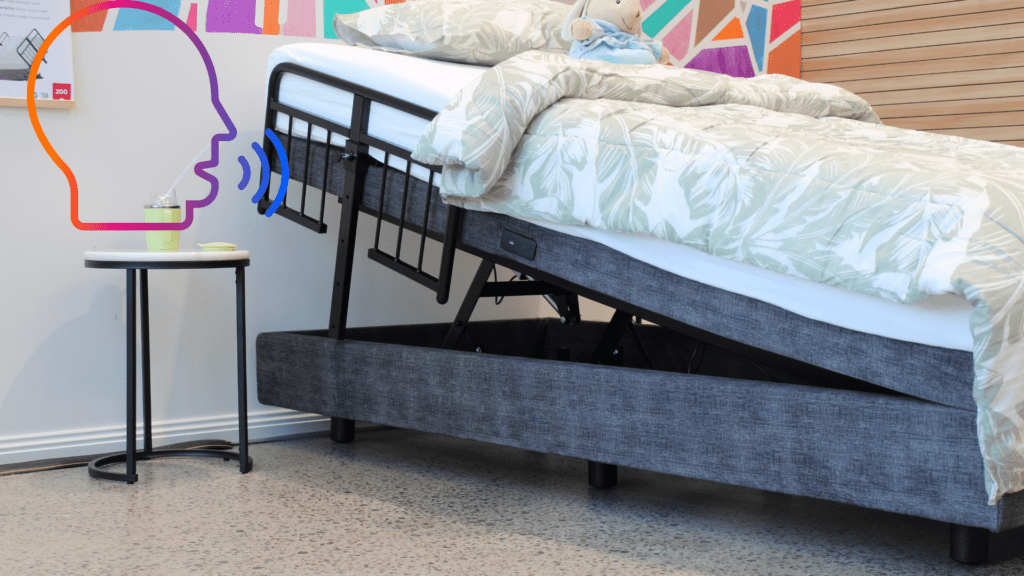
Choosing between Alexa and Google Assistant for voice-controlled smart devices can be a thoughtful decision, especially when considering factors like compatibility, ease of use, smart home integration, and voice recognition. Both platforms are popular for their advanced features and can revolutionize the way we manage our homes, blending convenience with innovation.  One exciting application of voice control lies in medical and homecare technology, such as the Voice-Control Homecare Hi-Low Bed. These smart beds can be effortlessly managed using Alexa or Google Assistant, allowing users to adjust settings hands-free. From raising the bed for comfort to lowering it for safer transfers, voice control has made these tasks more accessible for users with limited mobility.  Voice control has transformed home automation, making it easy to perform everyday tasks like managing lighting, adjusting the thermostat, or even controlling specialized health equipment. Platforms like Alexa and Google Assistant bring compatibility and innovation to such devices, ensuring they integrate seamlessly into modern homes.  1. Overview of Alexa and Google Assistant  Alexa  Alexa, Amazon’s voice assistant, is renowned for its wide reach in the smart home ecosystem. From controlling smart lighting to managing security systems, Alexa integrates with a vast array of devices, ensuring compatibility with countless third-party providers. Its ecosystem includes Amazon devices like Echo, Echo Show, and Fire TV, creating a versatile smart home network tailored to user needs.  Google Assistant  Developed by Google, Google Assistant is celebrated for its advanced search capabilities and thoughtful integration with Google’s ecosystem. Whether syncing with Google Calendar for reminders or using Google Maps for navigation assistance, its seamless connectivity ensures a smooth user experience. Google Assistant also supports integrations with many third-party smart devices, enabling extensive functionality in the home.  For additional insights into how these platforms can enhance your smart home setup, check out the resources at Assistive Tech Hub.  2. Compatibility and Integration with Devices  Alexa’s Device Compatibility  Alexa boasts exceptional compatibility with a wide range of third-party smart devices, including lighting, thermostats, and health care tools. Amazon’s devices, such as Echo, Echo Dot, and Fire TV, operate as central hubs for managing your smart home. With Alexa, users can easily control innovative health solutions like the Voice-Control Homecare Hi-Low Bed, linking independence with accessibility.  Google Assistant’s Device Compatibility  Google Assistant excels in its integration with Google Home devices, Nest technology, and Android platforms. Its strong connectivity to Google services, such as Calendar and Maps, ensures a streamlined smart home experience. Additionally, it supports third-party device compatibility, making it a flexible option for managing modern smart home setups.  When comparing Alexa and Google Assistant for compatibility with specific smart home technology like the Voice-Control Homecare Hi-Low Bed, both platforms offer reliable integration and smooth user experiences. For details on smart home solutions, explore more via the Assistive Tech Hub Store.  3. Voice Recognition and Accuracy  Alexa’s Voice Recognition  Alexa’s voice recognition system has evolved significantly, offering technologies like multi-user voice recognition and customizable voice profiles. These features ensure that Alexa can adapt to different speakers in a household, maintaining accuracy while providing personalized responses.  Google Assistant’s Voice Recognition  On the other hand, Google Assistant leverages Google’s vast search technology to interpret complex, natural language commands. This means it excels in understanding nuanced user requests and provides highly accurate responses.  When controlling smart equipment such as the Voice-Control Homecare Hi-Low Bed, both platforms demonstrate reliable recognition of commands. However, Google Assistant’s superior natural language processing offers an advantage in tackling more detailed requests.  4. Smart Home Features and Control  Alexa’s Smart Home Control  Alexa provides robust smart home control, making it easy to manage elements like lighting, thermostats, security devices, and even specific health aids. Its intuitive routine-building feature is ideal for users who want automation in daily tasks. For example, Alexa can be set to adjust the position of a smart bed at specific times, giving users convenience and customization.  Google Assistant’s Smart Home Control  Google Assistant, while similar in function, excels in integrating with Google Nest devices and utilizing powerful features to streamline the smart home ecosystem. It also supports integration with mobility aids and health-focused devices, such as providing easy control over smart beds like the Voice-Control Homecare Hi-Low Bed.  For further guidance with device setup or troubleshooting, visit the Assistive Tech Hub Contact Us page.

Comparing Voice Control Platforms: Alexa vs. Google Assistant Read More »

Installation and Setup of Voice-Controlled Hi-Low Beds

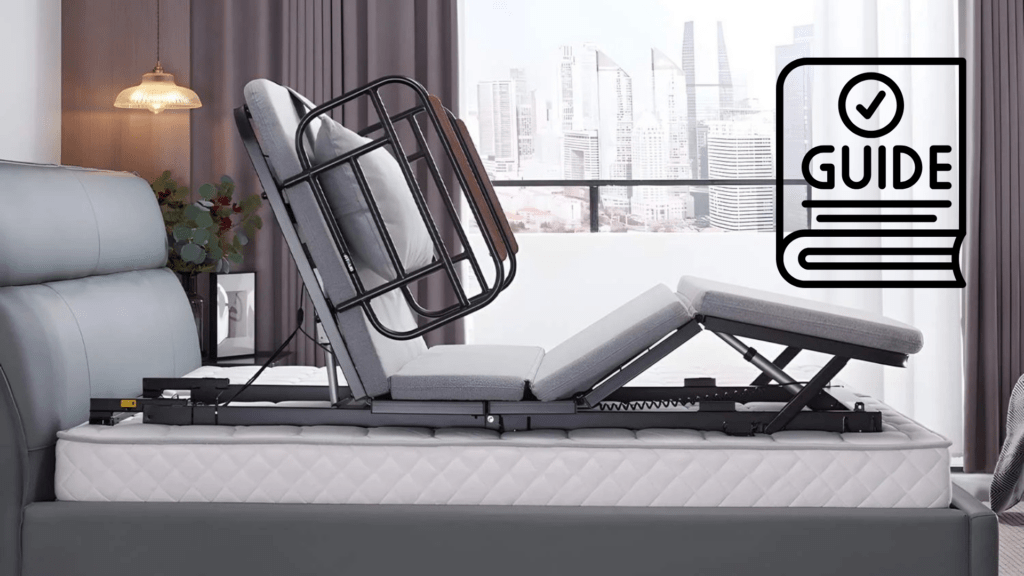
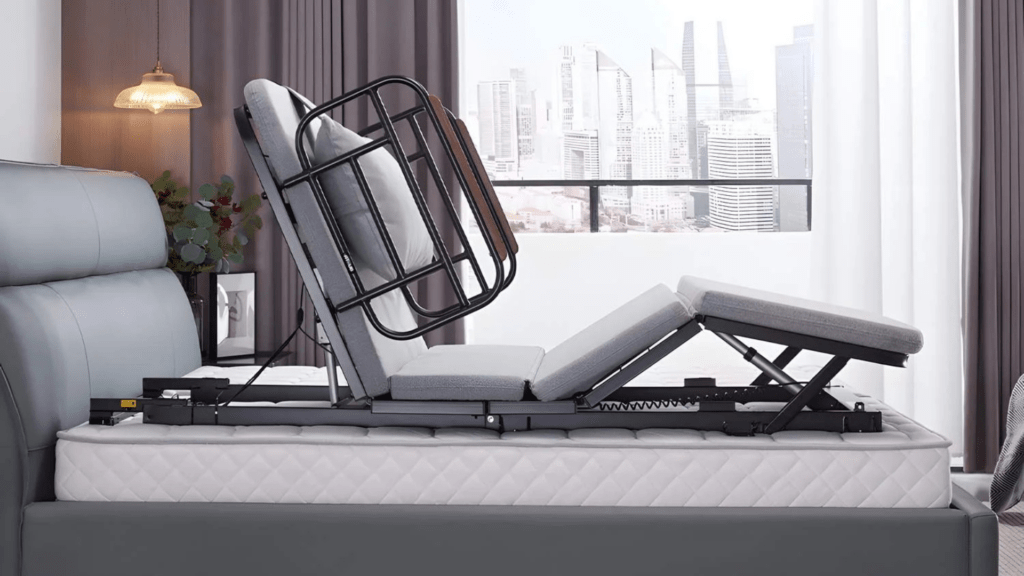
Installing and setting up a voice-controlled Hi-Low bed can be a straightforward process, but it requires careful attention to detail to ensure safety, comfort, and full functionality. Designed especially to assist individuals with limited mobility, these advanced beds offer convenience and improved quality of life through features like adjustable positioning and easy voice-operated controls. For example, the Voice Control Homecare Hi-Low Bed provides exceptional comfort and ease of use. This guide outlines the steps to properly unbox, assemble, and configure a Hi-Low bed with voice control functionality, ensuring a smooth setup process. 1. Unboxing and Preparing the Bed for Installation Step-by-Step Unboxing Begin by unboxing the bed carefully and inspecting all the components for any damages or missing parts. The package should include: Bed frame Motor Voice control system Remote control (if applicable) Assembly tools Safety Checks Before Installation Set up the bed on a solid, flat surface, ensuring there are no obstructions. It’s important to follow any power-related safety precautions during this step. Additional installation tips can be found at the Assistive Tech Hub. 2. Assembling the Bed Frame Step 1: Attaching the Base Frame Start with attaching the base frame. Ensure all parts align correctly and securely for stability. Pay close attention to the frame’s locking mechanisms during assembly. Step 2: Installing the Legs Fix the legs to the base frame, ensuring they are securely fastened to support the weight of the user. Depending on the model, you may choose adjustable or fixed legs. Step 3: Assembling the Head and Foot Sections Connect the head and foot sections to the base frame. Follow the manufacturer’s instructions to ensure proper alignment. For compatible parts and accessories, visit the Assistive Tech Hub Store. 3. Setting Up the Motor and Lift Mechanism Installing the Motor System Attach the motor mechanism securely to the bed frame in the designated spots. Proper placement prevents malfunctions. Checking the Lift Mechanism Manually test the lift mechanism to confirm smooth functionality before proceeding with voice control setup. Powering the System Plug the motor system into a power source, ensuring all electrical connections are secure. For further setup details, refer to Assistive Tech Hub. 4. Connecting the Voice-Controlled System Step 1: Setting Up the Voice Recognition System Configure the voice control system by following the manufacturer’s instructions. This typically involves pairing the system with a mobile app or smart device. Step 2: Testing the Voice Control System Verify the system responds correctly to commands for adjusting the bed height and positioning. If issues arise, check for troubleshooting tips on Assistive Tech Hub. Step 3: Calibration of the Voice-Controlled System Personalize the system by calibrating it for user-specific preferences, including adjustments for height and angle. 5. Setting Up the Remote Control (If Applicable) Step 1: Syncing the Remote with the Bed Pair the remote control with the system and ensure it works seamlessly alongside the voice control. Step 2: Configuring Remote Settings Set up preset positions on the remote for quick adjustments based on user needs. Step 3: Ensuring Backup Functionality Confirm that the remote serves as a reliable backup in case of any voice control issues. For additional remotes, visit the Assistive Tech Hub Store. 6. Adjusting and Calibrating the Bed for Optimal Comfort Personalize the bed’s settings to ensure maximum comfort. Adjustments for height, angle, and firmness support health considerations such as pressure relief and spine alignment. For model-specific calibration techniques, refer to the Voice Control Homecare Hi-Low Bed. 7. Testing the Full Setup Conduct a thorough functional test to ensure all movements are smooth and responsive to both voice and remote controls. Test safety features such as emergency stops and locking mechanisms. For additional assistance, visit the Contact Us page. 8. Routine Maintenance and Troubleshooting Basic Maintenance Tips Regularly clean the bed frame, check motor connections, and ensure the voice control system functions properly. Troubleshooting Common Issues For common problems like unresponsive voice control or motor malfunctions, visit Assistive Tech Hub for resources or professional support. 9. Safety and User Instructions Safety Guidelines Use the bed on stable flooring and keep power cables secure and out of the way. Take special precautions if children or pets are near the bed. User Manual and Support Always refer to the user manual for model-specific guidance. For professional installation or support, reach out via the Contact Us page. Conclusion By following this guide, you can easily install and set up your voice-controlled Hi-Low bed. From unboxing to testing, each step ensures safety and usability. For further guidance or troubleshooting, explore the comprehensive resources available at Assistive Tech Hub or reach out via their Contact Us page. Make your setup experience as smooth as possible and enjoy the ease and comfort of your new Hi-Low bed!

Installation and Setup of Voice-Controlled Hi-Low Beds Read More »

Safety Features in Voice-Controlled Hi-Low Beds

Voice-controlled Hi-Low beds offer impressive safety features designed to help Australians with mobility issues feel secure, comfortable, and independent. These smart beds can change position or height using just your voice—no need to push buttons or grab remotes. They’re especially useful in aged care, home care, or hospital settings where comfort and safety are top priorities. One great example is the Voice Control Homecare Hi-Low Bed available at Assistive Tech Hub. Let’s take a closer look at the safety features that make these beds a smart and secure option. 1. What Are Voice-Controlled Hi-Low Beds? A Hi-Low bed is an adjustable bed that can raise or lower the head, feet, or entire bed height. This makes it easier for people to get in and out of bed or find a comfortable position for sleeping or resting. Voice-controlled Hi-Low beds do all this with just a voice command. You can say things like “raise the head” or “lower the bed,” and it responds straight away. For more information on smart adjustable beds, visit Assistive Tech Hub. 2. Voice-Control Safety Features Hands-Free Control You don’t need to reach for a remote or press buttons—just speak! This is helpful if you have limited hand movement or arthritis. Safety Benefit: Reduces the risk of falls from reaching or awkward movements. Voice Feedback These beds often speak back to confirm they understood your command. Safety Benefit: You know exactly what the bed is doing, which lowers the risk of incorrect adjustments. Check out more safety benefits of smart beds. 3. Automatic Locking Mechanism Once your bed is in position, it automatically locks into place. This means no accidental movement or shifting while you’re resting. Safety Benefit: Keeps the bed steady and avoids unwanted motion. To explore adjustable beds with locking features, visit our online store. 4. Pressure Sensing Technology Some beds come with pressure sensors that detect if weight is uneven or unsafe before making adjustments. Safety Benefit: Prevents injuries caused by sudden or unsafe movements—ideal for both users and carers. See more advanced bed tech at Assistive Tech Hub. 5. Motion-Detection Sensors These sensors monitor your movement and stop the bed from adjusting when you’re shifting around. Safety Benefit: Prevents injuries by pausing adjustments when you’re getting in or out of bed. Learn more about this feature in the Voice Control Homecare Hi-Low Bed. 6. Emergency Stop Feature If something doesn’t feel right, just say “stop,” and the bed will instantly pause. Safety Benefit: Gives full control to the user and quickly stops any motion for immediate safety. Need help setting this up? Contact us for friendly support. 7. Child and Pet Safety Features Voice-controlled beds often include child locks and pet detection sensors to stop bed movement when kids or pets are around. Safety Benefit: Prevents accidents caused by unintentional adjustments. Browse our range of safety accessories to enhance your setup. 8. Wireless Connectivity and Remote Monitoring These beds often connect to Wi-Fi or Bluetooth, letting carers monitor or adjust the bed remotely using a phone or tablet. Safety Benefit: Carers can make adjustments without entering the room, which is helpful in emergencies or at night. See more on wireless features here. 9. Enhanced Stability and Durability Voice-controlled Hi-Low beds are built with reinforced frames and strong motors. Safety Benefit: Keeps the bed steady during height changes and ensures long-term safety with reliable parts. Explore our durable range in the Assistive Tech Hub store. 10. User Customisation for Safety You can often set limits on how high or low the bed goes, or customise angles that suit your personal comfort and health needs. Safety Benefit: Keeps the bed within safe settings, reducing the chance of injury or strain. Ask us how to customise your bed at Assistive Tech Hub. Conclusion Voice-controlled Hi-Low beds combine advanced technology with safety-first design, offering a better sleeping and caregiving experience. Key safety features include: Hands-free control Voice feedback Auto-locking mechanisms Pressure and motion sensors Emergency stop Remote access for carers Child and pet protection Strong, stable build Customisable safety settings Choosing the right bed is about more than comfort—it’s about safety, independence, and peace of mind. Contact us for help choosing the best Hi-Low bed for you or your loved one.

Safety Features in Voice-Controlled Hi-Low Beds Read More »

Comparing Voice-Controlled and Traditional Adjustable Beds

Looking for a bed that adjusts to your comfort? Adjustable beds are a great option—whether it’s for medical reasons, improving sleep, or just making life a little easier. But today, we’re seeing a big shift: voice-controlled beds are becoming more popular. So, how do they compare to traditional adjustable beds? If you’re curious about how voice-controlled beds actually work, check out our Voice Control Homecare Hi-Low Bed to see it in action. 1. Overview of Adjustable Beds What Are Adjustable Beds? Adjustable beds let you raise or lower the head, foot, or the whole bed to find the perfect position. They’re often used for comfort, better sleep, or to help with health problems like circulation or back pain. Traditional Adjustable Beds These beds usually come with a remote control—either wired or wireless—that lets you move the bed. They work well, but you’ll need to press buttons and hold the remote to make changes. Voice-Controlled Adjustable Beds These modern beds use voice commands. Instead of pressing buttons, you simply say things like “Raise the head” or “Lower the bed” and it happens. It’s all hands-free. Want to explore more products like this? Head to Assistive Tech Hub for a full range of adjustable beds and smart tech. 2. Control Mechanisms: Voice-Control vs. Traditional Traditional Bed Controls Most traditional adjustable beds use physical remotes or switches. It’s easy to use, but not always ideal—especially if you drop the remote or can’t reach it. Voice-Controlled Beds Voice-controlled beds connect with smart assistants like Amazon Alexa or Google Assistant. You just speak a command, and the bed moves. This is great for people who have trouble with hand movement or want extra convenience. Comparison While both types get the job done, voice control offers a smoother, hands-free experience—especially handy in the middle of the night. Looking for other voice-activated products? Visit our online store to browse smart mobility and comfort aids. 3. User Experience: Comfort, Accessibility, and Convenience Comfort Both types offer excellent comfort by adjusting positions. But with voice control, you can make changes quicker without fumbling for buttons. Accessibility and Independence Voice-controlled beds are a game-changer for people with disabilities or limited mobility. You don’t need to rely on anyone or reach for remotes—just speak. Convenience Being able to adjust your bed hands-free is incredibly convenient. It’s especially helpful for elderly Australians or people with health issues. Need help finding what suits you best? Contact us for personalised support. 4. Technology Integration Smart Home Integration (Voice-Control) Voice-controlled beds can connect to your smart home system. You can control your bed, lights, and even temperature all by voice—making life easier and smarter. Traditional Bed Technology Some traditional beds now come with Bluetooth or app support, but they still don’t match the seamless smart home integration voice-controlled beds offer. Comparison For tech-savvy users or those wanting a smarter home, voice-controlled beds are the clear winner. Learn more about smart assistive devices on Assistive Tech Hub. 5. Safety Considerations Traditional Bed Safety These beds are safe, but they rely on touch—so accidents can happen if you press the wrong button or move too quickly. Voice-Controlled Bed Safety Voice-controlled beds often have built-in safety features like voice feedback or movement locks. You can even set limits to avoid over-adjusting. Comparison Both are safe, but voice control can offer extra peace of mind—especially if you’re adjusting positions alone. Explore more safety-focused products in our store. 6. Maintenance and Durability Maintenance of Traditional Beds You’ll need to check remotes, buttons, and motor parts from time to time. Physical components may wear out with regular use. Maintenance of Voice-Controlled Beds These beds need both tech and mechanical checks—making sure the voice system responds well and that everything is still connected to your smart home setup. Comparison Both types are durable with proper care, but voice-controlled beds may need extra attention for the tech parts. Looking for spare parts or servicing? Visit our Store for support and accessories. 7. Cost Comparison Traditional Adjustable Beds These usually cost less upfront. Prices can go up if you add features like massage settings or advanced remotes. Voice-Controlled Adjustable Beds These beds cost more because of the built-in smart tech and voice compatibility. But they offer extra convenience and independence. Long-Term Value If you value independence and ease, the extra cost of a voice-controlled bed can be worth it in the long run. Want to explore pricing options? Check out Assistive Tech Hub or get in touch for wholesale pricing options. 8. Which Bed Is Right for You? Based on Mobility Needs If you have limited mobility or trouble using your hands, voice control could make your life a lot easier. If you’re more mobile, a traditional bed might do the job. Lifestyle Considerations Love smart tech and convenience? Voice-controlled beds are perfect. Prefer to keep things simple? Traditional beds are more budget-friendly and straightforward. Still unsure? Contact us for expert advice tailored to your situation. Conclusion Both voice-controlled and traditional adjustable beds offer great comfort. But if you’re after hands-free control, more independence, and smart tech integration, voice-controlled beds have the edge. Ready to upgrade your sleep setup? Explore our Voice Control Homecare Hi-Low Bed or browse the full range at Assistive Tech Hub today.

Comparing Voice-Controlled and Traditional Adjustable Beds Read More »

What to Look For in a Reclining Power Wheelchair And Why Ours Has It All

Choosing the right reclining power wheelchair is more than just picking something comfortable. It’s about investing in your mobility, your independence, and your ability to move through life with ease. Whether you’re navigating daily errands, attending events, or exploring new places, the right chair can make a world of difference. At Assistive Tech Hub, we understand how much this decision matters. That’s why our fully automatic electric wheelchair isn’t just packed with features — it’s built around what users actually need. Key Features to Look For in a Reclining Power Wheelchair Every person’s needs are different, but there are essential features that make a reclining power wheelchair more than just “good enough.” Here’s what to look out for: Reclining and Tilt Capabilities A power tilt and recline wheelchair allows for frequent posture changes, preventing pressure sores and improving circulation. Look for easy-to-use controls that let you recline or tilt at different angles without any manual adjustments. Fully Automatic Functionality A fully automatic wheelchair should offer one-touch operation for reclining, leg rest adjustments, and other positions. Whether you’re in need of a quick recline or a full lie-back mode, it should feel seamless. Lightweight and Portable Design Travel and storage are major concerns. A compact, foldable electric automatic wheelchair can make transport easier — especially if you’re on the move or rely on car travel. Strong Battery Life A long-lasting wheel chair with battery ensures you stay mobile all day. High-quality models offer a range of 15–25 km per charge and support convenient, quick charging. Adjustable Features From headrests to armrests to seat height, the more adjustability a reclining electric wheelchair offers, the more personalised your support. The best models feature an electric wheelchair with adjustable seat height for comfort and accessibility. Drive and Performance Not all drive power wheelchairs are equal. Ensure yours handles a range of surfaces and inclines without compromising speed or stability. Our Reclining Power Wheelchair: Built With You in Mind At Assistive Tech Hub, we didn’t just follow a checklist — we built our reclining power wheelchair to solve real-life challenges and support you every step of the way. Effortless Adjustments Our model is a true automated wheelchair, giving you full reclining, leg support, and tilt functionality through an easy control system. Whether you want to rest or reset your posture, it’s just a button away. Airline-Approved and Travel-Ready Worried about flights or car transport? Our auto wheelchair is foldable, lightweight, and includes a removable battery system that complies with airline safety standards. Unmatched Comfort We’ve included padding, breathable materials, and ergonomic design to keep you comfortable all day. It’s more than a chair — it’s a daily support system. Smart Power and Speed As a fast power wheelchair, it delivers smooth control, responsive drive, and a quiet motor. Whether you’re indoors or outdoors, the experience is seamless. Built-In Assistive Technology This is not your basic electric wheelchair assistive technology. Ours includes smart controls, automatic braking, and intuitive navigation — making it safer and smarter. Explore the full product here: Fully Automatic Reclining Power Wheelchair Why Choose Assistive Tech Hub? We don’t believe in one-size-fits-all mobility. At Assistive Tech Hub, we: Offer flexible trial sessions with our Disability Equipment Trial Provide expert guidance from people who understand accessibility Stock only the highest-quality reclining power wheelchairs Make purchasing simple through our store or wholesale partners Support you with personalised service — reach out any time We’re not just here to sell you a product — we’re here to improve your everyday life. FAQs Is a reclining motorized wheelchair better for long-term use?Yes. Reclining options allow for posture variation and improved comfort, especially for extended use throughout the day. Can I use a reclining electric wheelchair in tight indoor spaces?Absolutely. Our fully automatic wheelchair is designed to handle both indoor and outdoor navigation smoothly. How long does the battery last?On a full charge, most models — including ours — can last 15–25 km depending on the terrain and speed settings. Can I adjust the seat height?Yes. Our electric wheelchair with adjustable seat height allows you to tailor your seating position to suit your environment. How can I try before I buy?Book a session through our Disability Equipment Trial and experience it for yourself before making a commitment. Final Thoughts Not all power chairs are created equal. A reclining power wheelchair should do more than just move — it should support, comfort, and empower you in every part of your day. At Assistive Tech Hub, we’ve taken the guesswork out of choosing. Our chairs combine essential features, smart tech, and real-world reliability — so you can live, travel, and move with confidence. Ready to upgrade your mobility?View Our Reclining Power WheelchairExplore All ModelsContact Us for Expert Support

What to Look For in a Reclining Power Wheelchair And Why Ours Has It All Read More »

Travelling Around Australia in Comfort: Is a Reclining Power Wheelchair Travel-Friendly?

Australia is a big, beautiful country made for adventure — from outback road trips and coastal getaways to bustling city tours and bushland hikes. But if you rely on a wheelchair, you might be wondering: Can I travel with a reclining power wheelchair? The short answer? Yes — with the right features. At Assistive Tech Hub, we believe travel should be for everyone — and with today’s advanced reclining power wheelchairs, exploring Australia has never been more accessible. Why Travel-Friendliness Matters in a Power Wheelchair Travelling with a power wheelchair presents different challenges than manual options. You’re dealing with battery systems, motorised parts, and transport compatibility. But if you’ve ever spent hours sitting upright on a long journey, you’ll know why reclining features can make a world of difference. A Fully Automatic Reclining Power Wheelchair allows you to shift your position, avoid pressure sores, and stay comfortable during long stretches — whether you’re flying, driving, or rolling through local markets. What Makes a Reclining Power Wheelchair Travel-Friendly? Not all reclining power chairs are built the same. The best automatic wheelchair for travel needs to offer more than just comfort — it has to be practical, portable, and ready for the real world. 1. Lightweight Yet Durable Frame While electric automatic wheelchairs can be heavier than manual models, modern tech now allows for compact folding and lighter frames without sacrificing performance. 2. Long-Lasting Battery Look for a wheelchair with a battery capable of handling long days out. Most high-quality chairs offer 15–25 km per charge, with some offering fast-charge capabilities. 3. Easy Recline and Tilt A power tilt and recline wheelchair enables smoother posture changes, which are crucial during long flights or drives. No manual levers — just a button or joystick. 4. Airline-Approved Design Some fully automatic electric wheelchairs now meet airline transport standards, thanks to detachable lithium batteries and foldable parts. Always check with your airline beforehand. 5. Versatility and Terrain Handling Australia has it all — sandy beaches, paved walkways, rocky terrain. Your reclining motorized wheelchair should handle both indoor malls and outdoor parks with equal ease. Pros of Using a Reclining Power Wheelchair for Travel Travelling with a fully automatic wheelchair might seem daunting at first, but here are some reasons many users won’t leave home without it: Unmatched comfort: Recline when you’re tired, tilt when you need pressure relief Greater independence: No need to rely on assistance or change chairs during the day Advanced assistive technology: Smart controls, adjustable seats, and suspension make for a smooth ride Custom fit: Adjustable leg rests, seat height, and back angles tailored to your body Accessibility: Enjoy Australia’s accessible public transport, attractions, and accessible hotels — all without sacrificing mobility At Assistive Tech Hub, we offer models like our Fully Automatic Reclining Power Wheelchair that are designed with both comfort and travel in mind. Things to Consider Before You Hit the Road A few quick tips to ensure your trip is stress-free: Charging Know how to charge your automated wheelchair on the go. Carry an adapter for power points, and keep a backup charger handy. Airline Rules Each airline has rules around electric wheelchair assistive technology. Notify them early and provide details on the battery and chair specs. Transport Compatibility Check if your ride (car, taxi, van) supports a drive power wheelchair or requires transfer. You may need a ramp or lift system. Maintenance Kit Pack a mini toolkit and learn the basics of resetting or adjusting your tech 4 wheelchair just in case. Best Places in Australia to Explore in a Power Wheelchair Here are just a few ideas for your next adventure: Melbourne’s laneways & galleries — smooth terrain, excellent accessibility Sydney’s Circular Quay — roll your way from the Opera House to The Rocks Gold Coast beaches — many are wheelchair-accessible with beach matting Tasmania’s MONA or Hobart Waterfront — modern, accessible, and unique Uluru Viewing Areas — some of the most inclusive in remote Australia At Assistive Tech Hub, we’re passionate about helping you explore all these destinations with the right reclining wheelchair electric model for your lifestyle. Try Before You Travel Still unsure if a reclining electric wheelchair is right for your next trip? You can book a session through our Disability Equipment Trial and test how our top models handle before you commit. Explore our full collection of power wheelchairs, or reach out to our team for personalised advice. Final Thoughts Yes — a travel-friendly reclining power wheelchair is possible. With advanced features, adjustable comfort, and smart design, these chairs are ready to help you experience Australia in all its beauty and diversity. At Assistive Tech Hub, we’re proud to support your journey — whether you’re rolling through art festivals, cruising down boardwalks, or flying across the country. A reclining wheelchair electric model from us can help you do it all in comfort and style. Shop Fully Automatic Reclining Power Wheelchair Browse All Power Wheelchairs Talk to Us FAQs Can I bring a reclining electric wheelchair on a plane?  Yes, many models with lithium batteries are airline-approved. Always notify the airline in advance. How heavy are automatic reclining power wheelchairs?  Weights vary, but modern models are much lighter and easier to transport, especially those built for travel. Can I adjust my seat height and recline during travel?  Absolutely. Models like the electric wheelchair with adjustable seat height allow full control for maximum comfort. Is it safe to use a reclining motorised wheelchair on rough terrain?  Yes — many fast power wheelchairs and tech 4 wheelchair models have suspension and sturdy wheels perfect for light off-road use. What if I need help choosing the right travel chair?  We’re here to help. Contact us or book a Disability Equipment Trial.

Travelling Around Australia in Comfort: Is a Reclining Power Wheelchair Travel-Friendly? Read More »

Compare Products

Scroll to Top