
Booking a Flight with a Carbon Fibre Power Wheelchair
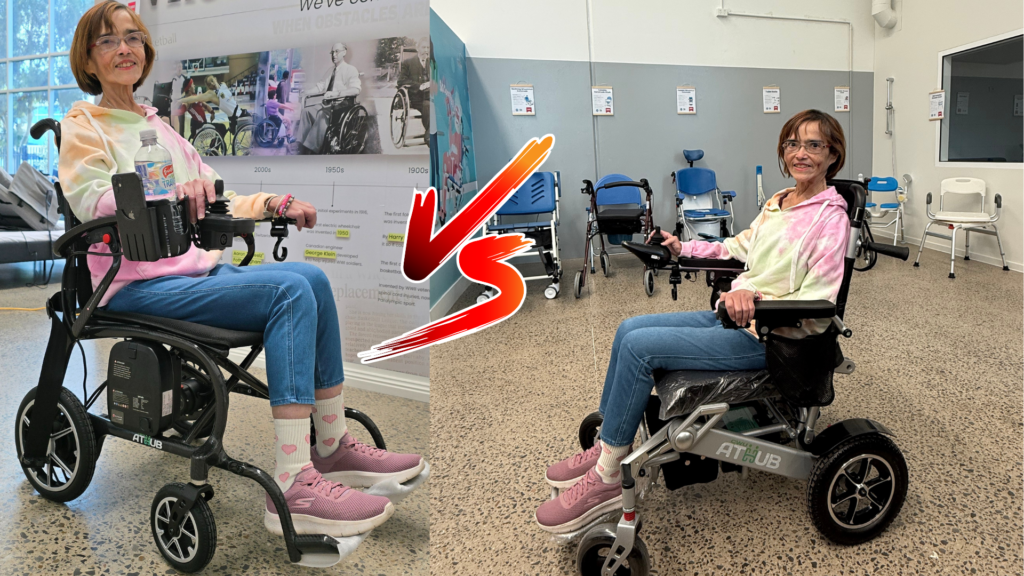
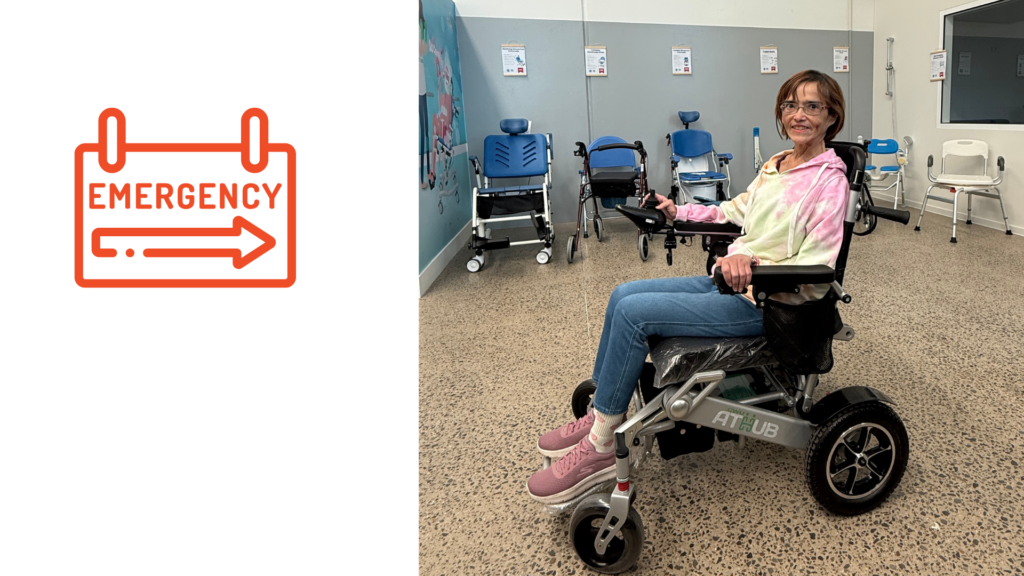
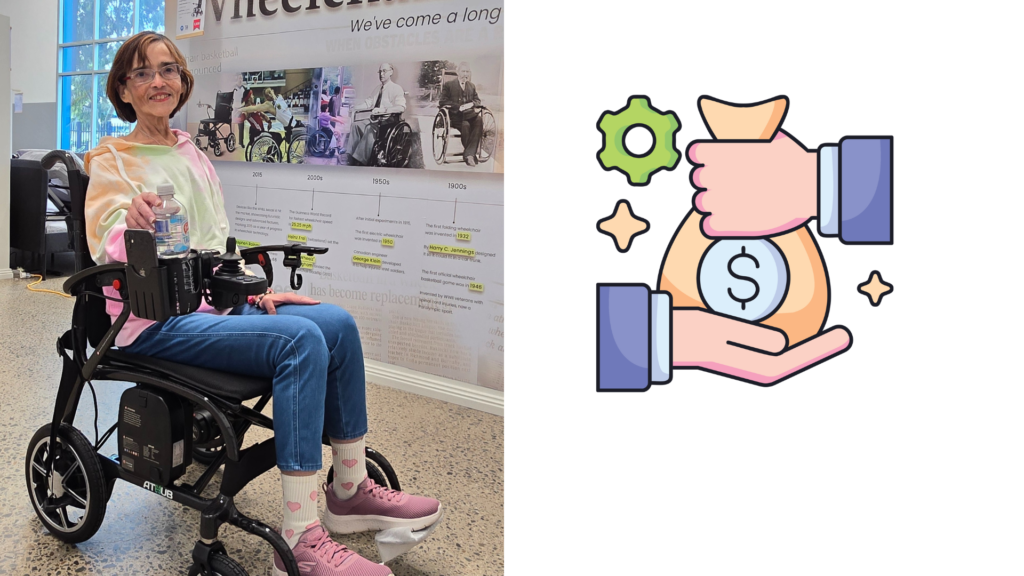
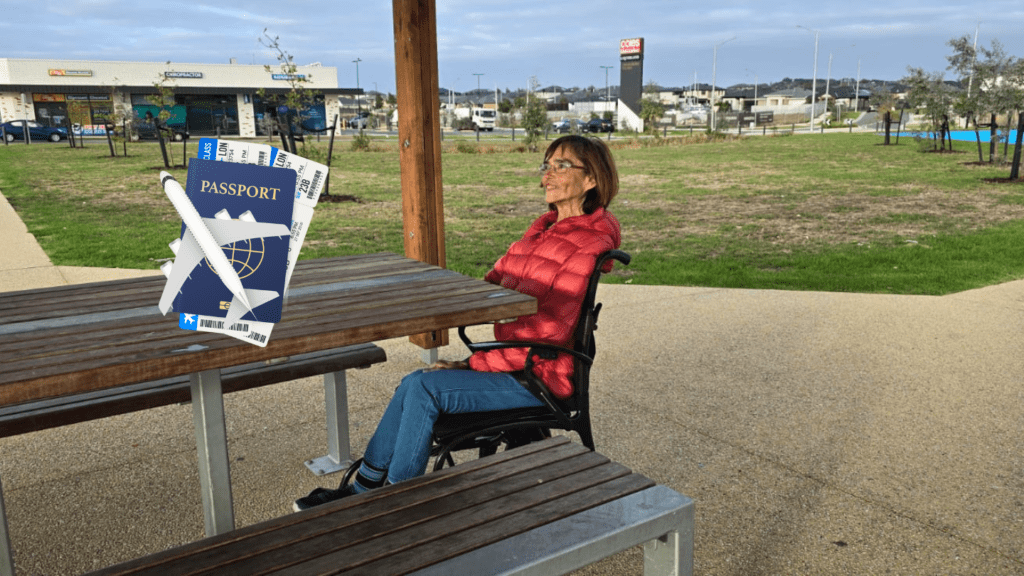
https://www.youtube.com/watch?v=JmVoz0j5Swg Flying should be an exciting experience, but for wheelchair users, air travel often comes with challenges that most travellers don’t face. From checking in mobility aids to navigating tight cabin spaces, ensuring accessibility requires thoughtful planning. Thankfully, airlines are becoming increasingly wheelchair-friendly, and with advanced assistive technologies like carbon fibre power wheelchairs, travelling is made smoother and more convenient. This blog will guide you through: Key factors to consider when travelling with wheelchairs. The best airlines in Australia for wheelchair accessibility. How the Assistive Tech Hub can assist you with everything from wheelchair options to travel-friendly mobility equipment. Whether you’re a wheelchair user, a frequent air traveller, or a family member coordinating travel plans, you’ll find valuable insights here to make your next flight stress-free. Why Wheelchair Accessibility Matters in Air Travel Accessibility isn’t just a luxury; for millions of Australians with disabilities, it’s a necessity. Challenges faced by wheelchair users during flights include: Navigating airport terminals without proper assistance. Gaps in pre-boarding or in-flight support. Difficulty finding suitable storage for power wheelchairs or other mobility devices. Improved accessibility not only enhances inclusivity but creates a frictionless travel experience. That said, understanding which airlines prioritise accessibility can save you time and energy. Key Considerations for Travelling with a Wheelchair Assistance at All Stages: Choose airlines that offer seamless support from check-in to boarding and disembarking. Pre-notify airlines about your mobility requirements to allow them to make the necessary arrangements. Seating Layout and Cabin Accessibility: Some airlines design their cabins with larger aisles, priority-access seating, and accessible lavatories for improved convenience. Wheelchair Storage and Handling: The best airlines have policies in place to ensure special care is given to power wheelchairs, scooters, and other mobility aids, including storage during the flight. Dependable Assistive Technology: Advanced solutions like the Carbon Fibre Power Wheelchair from Assistive Tech Hub are lightweight, durable, and easier to handle when travelling. These features minimise damage risks while enhancing personal mobility. Now, let’s assess the top airlines for wheelchair-friendly travel in Australia. 1. Qantas Airways: Leading the Way in Accessibility Accessible Services and Facilities Qantas has set a gold standard for wheelchair accessibility. Offering comprehensive assistance at check-in, boarding, and disembarking, the airline ensures passengers with mobility needs are well cared for. With features such as: Priority boarding for comfortable and stress-free seating arrangements. Specially trained staff to assist with mobility devices and passenger support. Qantas also accommodates a variety of mobility aids, including power wheelchairs like the Carbon Fibre Power Wheelchair, making it simpler to travel safely with advanced assistive tech. Cabin Accessibility and Storage Fly comfortably with Qantas’ wheelchair-friendly cabin layouts. Features include: Spacious aisles. Adjustable armrests for easy transfers. Dedicated storage for power wheelchairs, ensuring safety during transport. Explore travel-friendly options for your next trip at the Assistive Tech Hub Store. 2. Virgin Australia: Excellent Wheelchair Support Services Support and Assistance Virgin Australia ensures a seamless experience for its passengers with disabilities. Their services include: Assistance from entry to exit, including help through security screening. A dedicated disability support line to address special requirements tailored to wheelchair users. Aircraft Features Virgin’s aircraft are designed with inclusivity in mind, offering: Priority seating with extra legroom. Accessibility features such as nearby placement of wheelchairs during every flight. Passengers are encouraged to leverage Virgin’s services by pre-booking assistance as early as possible. Need guidance on selecting mobility aids? Visit Assistive Tech Hub for expert-curated solutions. 3. Jetstar Airways: Affordable Accessibility Options Accessible Features for Budget Travellers Jetstar stands out for pairing affordability with accessibility. This airline provides: Complimentary assistance, from check-in through boarding and disembarking. User-friendly online booking systems, making it easier to reserve necessary services ahead of time. Wheelchair Storage Jetstar recognises the importance of careful handling. Special arrangements can be made to ensure secure storage of power wheelchairs, including lightweight folding models like this. Explore budget-friendly solutions for accessible travel at Assistive Tech Hub. 4. Rex Airlines: Tailored Service for Smaller Carrier Flyers Personalised Support for Wheelchair Users Despite its smaller scale, Rex Airlines provides exceptional personalised support. Passengers can pre-book: Boarding assistance. Help with navigating narrow aisles. Space and Storage Considerations While Rex Airlines has limited cabin space compared to larger carriers, they make every effort to store mobility devices securely in the cargo hold. Their staff is attentive to passengers’ requirements, ensuring a comfortable flight. Consider compact and foldable power wheelchairs like the Carbon Fibre Power Wheelchair for smoother experiences on more compact aircrafts. Top Tips for Travelling with a Carbon Fibre Power Wheelchair 1. Book Assistance in Advance All airlines require advance notice of special needs. Inform them of the dimensions and features of your wheelchair to ensure it meets their policies. 2. Protect Your Wheelchair Use protective covers or storage bags to safeguard motors and batteries, especially for check-in. For example, the Carbon Fibre Power Wheelchair was designed with air travel in mind, offering durability and ease of folding to reduce handling risks. 3. Equip Yourself with Comprehensive Information Consult airlines directly for up-to-date accessibility policies. Additionally, check out Assistive Tech Hub for travel-specific mobility solutions and accessories. 4. Utilise Airport Services Leverage airport-provided services such as trained guides or wheelchairs specific for terminal navigation. For even more guidance on preparing for your next trip, connect with Assistive Tech Hub for expert advice on accessible travel gear. Build Confidence for Your Next Accessible Trip Australia’s airlines are taking significant steps to improve wheelchair accessibility, ensuring air travel is inclusive and stress-free. By researching their offerings, booking ahead, and using travel-friendly technology like the Carbon Fibre Power Wheelchair, you can make your flying experience simpler and more enjoyable. Never travel unprepared! Visit the Assistive Tech Hub Store to browse advanced mobility solutions or contact Assistive Tech Hub for personalised recommendations. Fly smarter, travel independently, and explore the skies without limits!
Booking a Flight with a Carbon Fibre Power Wheelchair Read More »