Assistive Tech Hub

How Voice-Control Helps Reduce Carer Manual Handling in Australian Homes

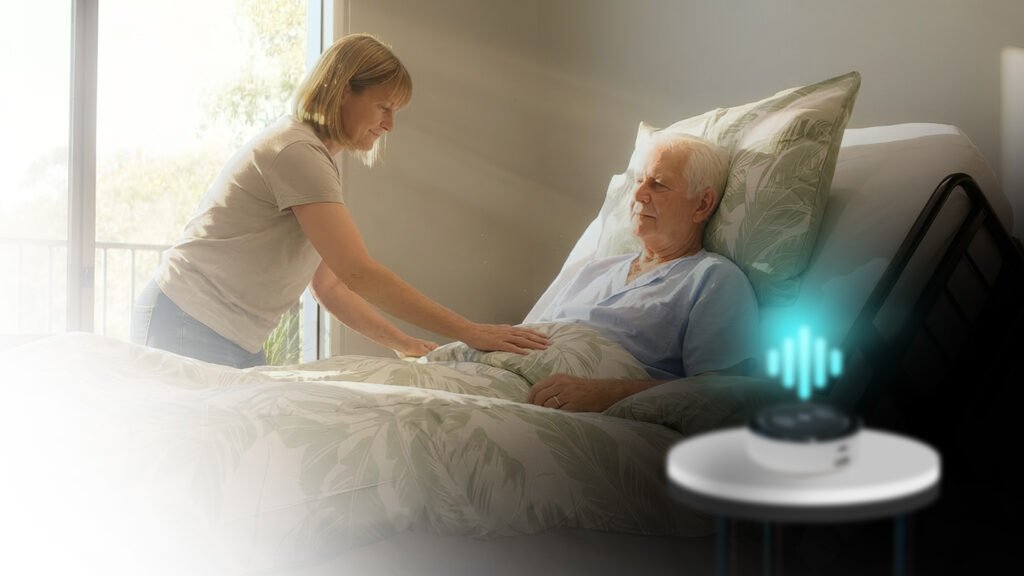
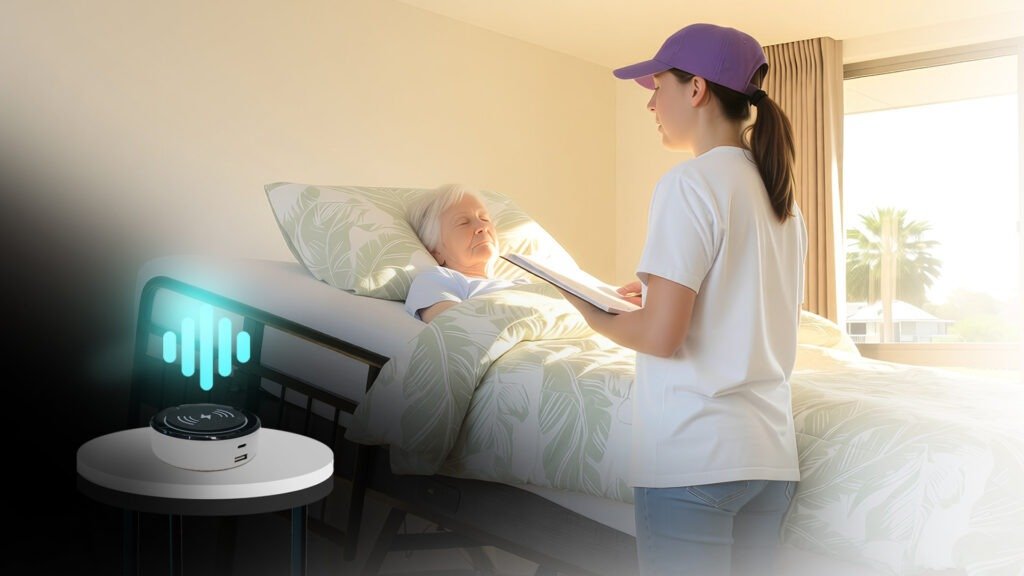
Caring for elderly or disabled Australians at home often involves physical tasks that can put strain on carers. Lifting, repositioning, and adjusting patients manually increases the risk of injury, fatigue, and discomfort. A voice control adjustable bed provides a hands-free solution that reduces carer strain while supporting safe and independent positioning for patients. Introduction: The Challenges of Carer Manual Handling Carers and family members face numerous challenges during homecare: Repeated lifting or repositioning of patients Risk of back strain, shoulder injuries, or fatigue Difficulty adjusting bed positions for comfort, pain management, or clinical needs Dependence on physical strength rather than safe, ergonomic solutions These challenges are especially relevant for carers supporting older Australians or NDIS participants in homecare settings. Using a bed with voice-controlled functionality can significantly reduce these risks. Understanding Voice-Controlled Adjustable Beds A voice control adjustable bed allows patients or carers to adjust bed positions using simple voice commands. Key features include: Hi-low height adjustments for safe transfers Backrest and leg elevation for comfort and clinical support Smooth, quiet motion for repositioning without physical effort Hands-free operation to support both patient independence and carer wellbeing Check the Voice-Control Homecare Hi-Low Bed for an example of a bed designed specifically for Australian homecare environments. Benefits for Carers and Families Voice-controlled beds offer multiple advantages that help reduce manual handling injuries: Reduced physical strain and injury risk: No need to lift, push, or twist patients Easier repositioning of patients: Adjustments can be made safely while the patient remains in bed Supports mobility beds for elderly in Victoria: Improves safety for older adults or those with limited mobility Improves patient independence: Patients can make small adjustments themselves, reducing reliance on carers These benefits create a safer and more comfortable homecare environment for both patients and carers. Health and Safety Compliance Voice-controlled beds align with clinical and regulatory guidelines: NDIS and SWEP-approved assistive beds: Eligible for funded support programs for NDIS participants Occupational therapist recommended beds: Designed to reduce manual handling risks and promote safe transfers Enhanced safety features: Lockable castors, side rails, and controlled movement reduce fall risks Using these beds ensures carers comply with best practice for health and safety while delivering homecare support. Hire or Purchase Options Australian families and carers can access voice-controlled beds in flexible ways: Hire: Ideal for temporary care or post-surgery recovery. View hire options Rental enquiry: Test beds before committing to long-term use. Submit rental enquiry Purchase: For permanent use at home or in aged care settings. Explore product page These options make assistive technology beds accessible to families and carers across Australia. Practical Tips for Home Use Encourage patients to use voice commands when possible to promote independence Position the bed for optimal safety during transfers Combine bed adjustments with light mobility exercises recommended by physiotherapists or occupational therapists Use hands-free operation to reduce carer fatigue during night-time repositioning or frequent adjustments These practices maximize the benefits of voice-controlled beds while maintaining safety for carers and patients. Conclusion A voice control adjustable bed is an effective tool for reducing manual handling risks for carers in Australian homes. By enabling hands-free, safe, and independent repositioning, these beds protect carers from strain while improving patient comfort and wellbeing. With NDIS/SWEP-approved options, and flexible hire or purchase solutions, families and homecare providers can access practical support tailored to their needs.

How Voice-Control Helps Reduce Carer Manual Handling in Australian Homes Read More »
Why Older Australians Prefer Voice-Controlled Beds Over Small, Hard-to-Use Remotes

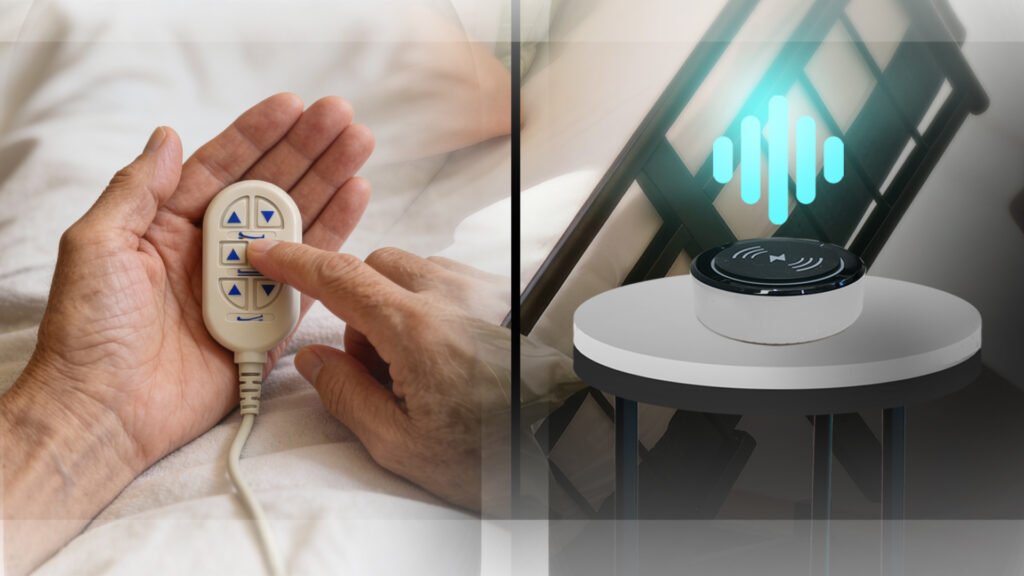
For many older Australians, traditional bed remotes can be frustrating. Small buttons, complicated functions, and the need for hand strength or dexterity make adjusting a bed a challenging task. A voice control adjustable bed offers a hands-free alternative that promotes independence, safety, and comfort in homecare and aged care settings. Introduction: Challenges of Traditional Bed Remotes Older adults often face difficulty with conventional bed controls due to: Arthritis or joint stiffness Weak grip or reduced hand strength Cognitive challenges remembering functions Frustration when trying to reach or handle small remotes These issues can lead to unsafe movements, caregiver reliance, and reduced quality of rest. How Voice-Controlled Beds Work A voice control adjustable bed uses simple spoken commands to adjust positions: Headrest and leg rest elevation with minimal effort Hi-low bed height adjustment for safe transfers Smooth, quiet motion for comfortable repositioning Hands-free operation to reduce strain and support independence Beds like the Voice-Control Homecare Hi-Low Bed are designed specifically for older adults and people with mobility limitations. Benefits for Older Australians Voice-controlled beds offer multiple advantages over traditional remotes: Reduced strain and effort: No need to reach, twist, or press small buttons Supports limited hand/arm mobility: Ideal for arthritis or post-surgery patients Improves independence and safety: Users can adjust positions without assistance Perfect for aged care and homecare: Supports carers and families by reducing the need for manual intervention These features make everyday activities, such as reading, watching TV, or sleeping, much easier and more comfortable. Clinical and Allied Health Advantages Occupational therapists and other allied health professionals often recommend voice-controlled beds for older Australians because they: Encourage safe positioning and reduce fall risks Are NDIS and SWEP-approved assistive beds, making them accessible through funded programs Support mobility beds for elderly in Victoria, assisting both homecare and allied health interventions Hands-free control aligns with clinical guidelines for maintaining safety and comfort for elderly users. Hire vs Purchase Options Families and care providers in Australia can access voice-controlled beds in flexible ways: Hire: Ideal for temporary care, rehabilitation, or trial periods. View hire options Rental enquiry: Test the bed before committing. Submit rental enquiry Purchase: For long-term use at home or aged care facilities. Explore product page These options make assistive technology beds accessible to a wide range of users. Tips for Families and Carers Encourage the older adult to practice voice commands in a calm, supportive environment Monitor for safe transfers when adjusting bed height Pair bed adjustments with light mobility exercises if recommended by physiotherapists Use hands-free operation to reduce carer strain during night-time assistance By adopting voice-controlled beds, families can support independence and safety while reducing daily caregiving demands. Conclusion For older Australians, voice control adjustable beds offer a safe, convenient alternative to small, difficult-to-use remotes. They reduce physical strain, promote independence, and align with OT recommendations and NDIS/SWEP funding pathways. Whether hiring for short-term support or purchasing for long-term use, these beds provide practical solutions for homecare and aged care settings in Australia.

Why Older Australians Prefer Voice-Controlled Beds Over Small, Hard-to-Use Remotes Read More »

Using Voice-Control to Improve Blood Circulation Through Regular Position Changes

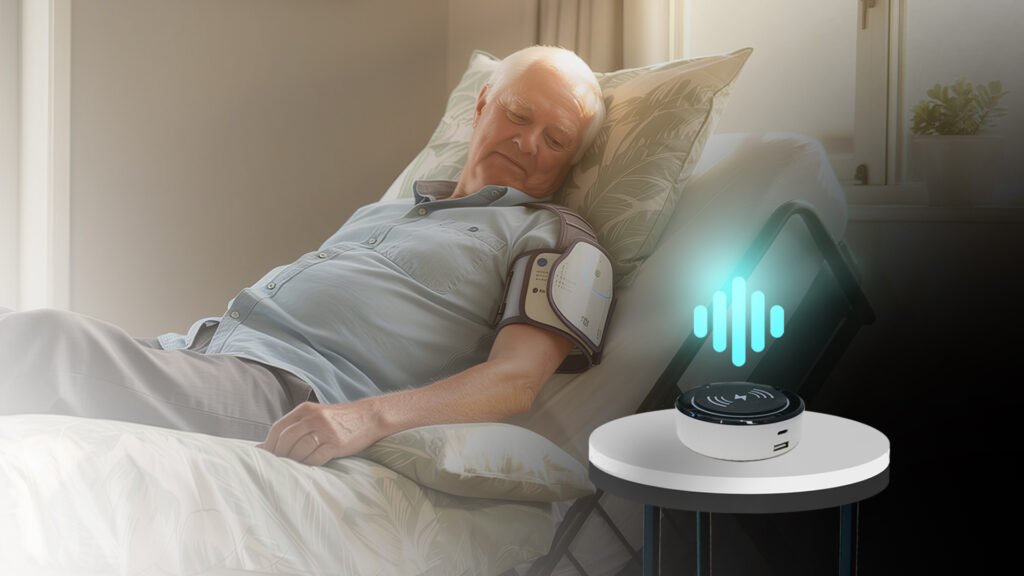
Maintaining healthy blood circulation is essential for older Australians, postoperative patients, and people with limited mobility. Regular repositioning helps prevent pressure injuries, reduces swelling, and supports overall recovery. A voice control adjustable bed makes it easier to change positions safely and frequently, improving circulation without adding strain to patients or carers. Introduction: Why Blood Circulation Matters in Recovery and Aged Care Proper blood flow is critical for: Delivering oxygen and nutrients to tissues Preventing swelling and edema Reducing the risk of pressure sores Supporting healing and recovery after surgery Older adults and patients with restricted mobility are particularly vulnerable to circulation issues, making regular position changes essential. Risks of Prolonged Immobility When a patient stays in one position for too long, they may experience: Pressure sores or skin breakdown Swelling in the legs and feet Reduced venous return, increasing clot risk Muscle stiffness and discomfort These complications can slow recovery and increase the need for caregiver intervention. How Voice-Controlled Adjustable Beds Work A voice control adjustable bed allows users to reposition themselves without manual effort: Hands-free operation via voice commands Adjustable backrest, leg rest, and hi-low height functions Smooth, quiet articulation to reduce discomfort during movement Beds like the Voice-Control Homecare Hi-Low Bed are designed for safe, frequent position changes in homecare settings. Benefits for Blood Circulation Using voice commands to change positions regularly offers multiple health advantages: Easy position changes without exertion or carer assistance Reduced risk of pressure sores due to movement at regular intervals Enhanced venous return and decreased edema in the legs and feet Supports mobility needs for elderly or disabled users Frequent, small adjustments can make a significant difference in overall circulation and comfort. Clinical and NDIS Advantages Voice-controlled beds are often recommended by occupational therapists because they: Align with OT-recommended positioning guidelines Are SWEP and NDIS-approved, allowing access through homecare programs Support allied health interventions for safe transfers and rehabilitation This ensures both safety and compliance with clinical standards while reducing career workload. Hire vs Purchase Options Australian families and homecare providers can access voice-controlled beds through flexible options: Hire: Perfect for short-term recovery or temporary home care. View hire options Rental enquiry: Allows families to trial beds before committing. Submit rental enquiry Purchase: Ideal for long-term or permanent use. Explore product page These options make assistive technology beds accessible to a range of users. Tips for Families and Carers to Maximise Circulation Benefits Encourage small, frequent position changes throughout the day Use voice commands to gently elevate legs or tilt backrest to improve blood flow Combine with light mobility exercises if recommended by physiotherapists Monitor for signs of swelling or pressure areas to prevent complications With proper use, voice-controlled beds can enhance patient comfort and circulation with minimal effort. Conclusion Maintaining healthy blood circulation is vital for recovery, comfort, and preventing complications in older Australians and homecare patients. A voice control adjustable bed makes regular repositioning easy, safe, and hands-free, supporting both independence and career wellbeing. With hire, rental, and purchase options, families across Australia can access practical solutions for improved circulation and homecare outcomes.

Using Voice-Control to Improve Blood Circulation Through Regular Position Changes Read More »

Australian Families Supporting Postoperative Patients With Hands-Free Bed Adjustments

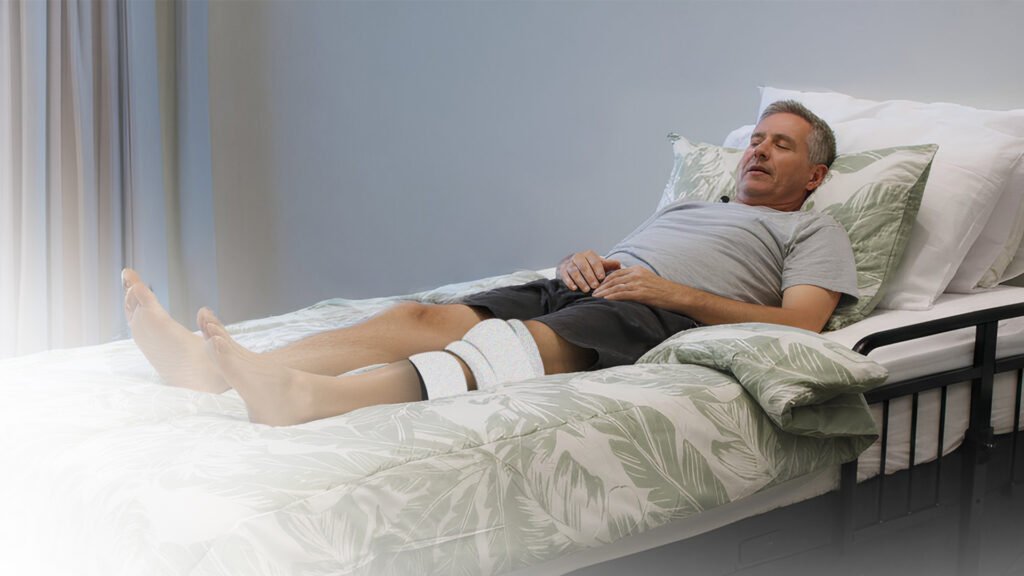
Recovering at home after surgery can be challenging for both patients and their families. Limited mobility, pain, and fatigue make daily movements and repositioning difficult. A voice control adjustable bed offers hands-free support, helping patients stay comfortable while reducing the physical strain on family carers. Introduction: Challenges in Postoperative Home Care Postoperative recovery often requires: Frequent position changes to reduce pain and prevent pressure sores Assistance with sitting up, lying down, or elevating legs and torso Caregiver support for safe transfers, especially for older adults For families, these tasks can be physically demanding, particularly when patients have restricted movement or weakness. The Role of Bed Positioning in Recovery Proper bed positioning is critical to: Reduce swelling and improve circulation Support breathing and digestion Protect surgical sites from strain or injury Facilitate safe transfers and mobility Small adjustments in head, back, or leg elevation can significantly improve comfort and recovery outcomes. What Are Voice-Controlled Adjustable Beds? A voice control adjustable bed allows patients or carers to reposition the bed without manual effort. Key features include: Hands-free operation via voice commands Hi-low height adjustment for safer entry and exit Smooth backrest and leg articulation for comfort NDIS and SWEP-approved options for homecare support The Voice-Control Homecare Hi-Low Bed is designed to meet the needs of postoperative patients and their families. Benefits for Postoperative Patients and Families Voice-controlled beds support recovery in practical ways: Hands-free repositioning reduces strain on patients with limited strength Safer mobility for patients, lowering the risk of falls or injury Reduced caregiver effort, allowing families to assist without physical overexertion Supports independence, letting patients adjust their position safely without waiting for assistance These advantages improve both comfort and wellbeing during the critical recovery phase. Clinical and NDIS Advantages Occupational therapists and allied health professionals often recommend voice-controlled beds because they: Follow OT-recommended positioning guidelines Include features that are NDIS and SWEP-approved for homecare Support safe transfers and allied health interventions in the home This ensures compliance with clinical best practices while easing family responsibilities. Hire or Purchase Options for Families Australian families have flexible options to access voice-controlled beds: Hire: Ideal for short-term post-surgery support. View hire options Rental enquiry: Allows trial or temporary use. Submit rental enquiry Purchase: Best for long-term recovery or permanent home use. Explore product page These options make assistive technology accessible for families managing home recovery. Choosing the Right Bed for Home Recovery When selecting a bed, consider: Smooth head, back, and leg articulation Hi-low height adjustment for safer patient entry and exit Hands-free voice control for energy conservation and independence Quiet operation to minimize sleep disruption Optional safety rails for added stability Selecting the right features ensures both patient comfort and caregiver safety. Conclusion Home recovery after surgery can be stressful for both patients and their families. A provides hands-free support, reduces strain, and encourages patient independence. With hire, rental, and purchase options available, Australian families can access safe and practical solutions for postoperative care.

Australian Families Supporting Postoperative Patients With Hands-Free Bed Adjustments Read More »

Managing Nocturnal Respiratory Issues with Voice-Controlled Bed Lift Options

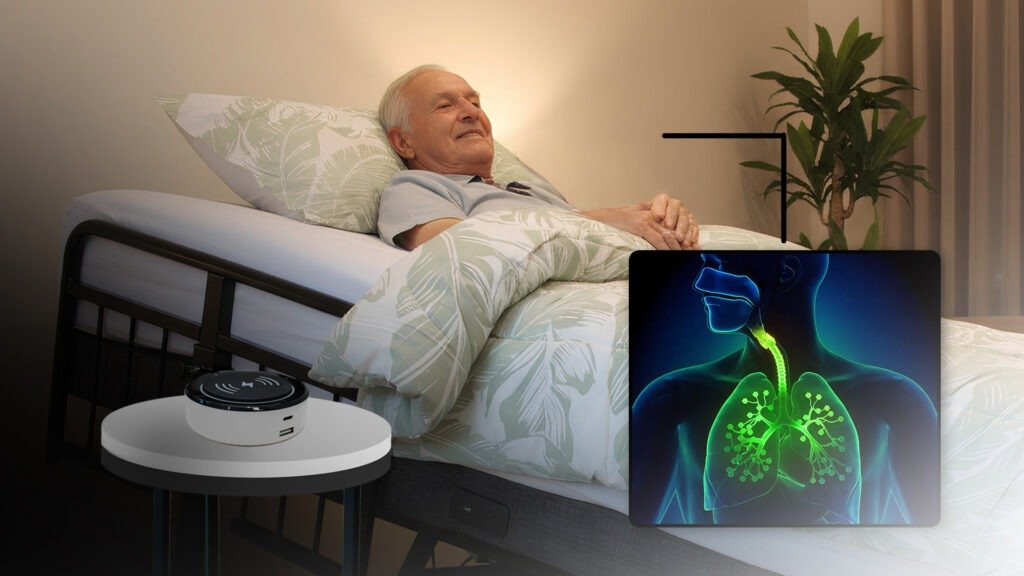
For many older Australians living with respiratory conditions such as COPD, asthma, or sleep apnoea, nighttime can bring significant challenges. Shortness of breath, frequent awakenings, and disrupted sleep are common. A voice control adjustable bed can provide hands-free, precise positioning to improve breathing, reduce strain, and support restful sleep. Introduction: Sleep Challenges in Australians with Respiratory Conditions Respiratory conditions can make lying flat uncomfortable or unsafe. Individuals may experience: Difficulty breathing while lying down Nighttime coughing or wheezing Disrupted sleep leading to fatigue and reduced daytime functioning Proper bed positioning is critical to alleviate these symptoms and support overall health. How Bed Positioning Affects Breathing at Night Elevating the upper body can: Reduce airway obstruction Improve oxygen intake Minimise episodes of nocturnal hypoxia Reduce strain on the diaphragm and lungs Even slight adjustments in head and torso position can make a significant difference, especially for those with limited stamina or mobility. What Are Voice-Controlled Adjustable Beds? A voice control adjustable bed allows users to adjust head, back, and leg positions without using their arms or remote controls. Features include: Hi-low height adjustment for safe entry and exit Smooth, quiet articulation for minimal sleep disruption Hands-free operation, ideal for people with fatigue or mobility limitations NDIS and SWEP-approved options for homecare support The Voice-Control Homecare Hi-Low Bed is specifically designed to support older Australians and NDIS participants with health and mobility needs. Benefits of Voice Commands for Respiratory Health Using voice commands provides immediate advantages for individuals with breathing difficulties: Quick head elevation without strain: Adjust position instantly during sudden breathlessness Fine-tuned upper body positioning: Optimize angle for comfort and oxygenation Minimises nocturnal hypoxia and breathlessness: Supports safer sleep for those with COPD or sleep apnoea Hands-free adjustments to prevent sleep disruption: No need to reach, twist, or exert energy during the night These features improve both comfort and safety, reducing caregiver intervention. Who Can Benefit Most? Voice-controlled beds are particularly useful for: Individuals with COPD, asthma, or sleep apnoea Older adults experiencing mobility restrictions NDIS participants requiring safe homecare solutions Patients recovering from respiratory infections or post-surgery with breathing limitations Even short-term users benefit from easier nighttime positioning and reduced fatigue. Clinical and Safety Advantages Occupational therapists often recommend voice-controlled beds because they: Enable OT-recommended positioning for respiratory conditions Reduce fall risk by supporting safe hi-low transitions Minimise caregiver strain, particularly during night-time adjustments Provide access to NDIS and SWEP-approved assistive beds, making funding pathways available for eligible Australians Voice control enhances both independence and clinical compliance in homecare settings. Hiring vs Buying a Voice-Controlled Bed Options are flexible depending on needs: Hire: Suitable for short-term support or temporary respiratory flare-ups. View hire options Rental enquiry: Allows users to trial the bed or adapt to changing needs. Submit rental enquiry Purchase: Ideal for long-term management and permanent home use. Explore product page These choices make it easier for Australians with respiratory conditions to access appropriate assistive technology. Choosing the Right Bed for Nighttime Respiratory Support Key features to consider for respiratory comfort include: Smooth head and torso elevation Hi-low height adjustment for safe bed entry and exit Hands-free voice control for energy and effort conservation Quiet operation to avoid sleep disruption Safety rails if needed for additional stability Selecting the right bed ensures optimal sleep quality and respiratory support. Conclusion Nocturnal respiratory challenges can significantly impact sleep and overall health. A voice control adjustable bed provides safe, hands-free positioning that improves breathing, reduces fatigue, and enhances independence for older Australians and NDIS participants. Whether hiring, trialling, or purchasing, voice-controlled beds are a practical solution for safe, effective homecare. For personalised guidance, contact Assistive Tech Hub today.

Managing Nocturnal Respiratory Issues with Voice-Controlled Bed Lift Options Read More »

How Voice-Control Helps Australians with Chronic Fatigue Syndrome Save Energy

For Australians living with Chronic Fatigue Syndrome (CFS/ME), conserving energy is a daily priority. Even small tasks like adjusting a bed can trigger fatigue, muscle aches, or post-exertional malaise (PEM). A voice control adjustable bed provides a practical solution, allowing hands-free adjustments that reduce physical effort, support independence, and align with clinical fatigue management strategies. Introduction: Why Energy Conservation Matters for Australians with CFS/ME People with CFS often experience severe, unpredictable fatigue. Everyday activities that seem simple for most—sitting up, lifting a blanket, or reaching for a remote—can require disproportionate energy. Conserving energy is essential to prevent PEM, maintain daily function, and support overall well-being. Voice-controlled beds allow users to manage sleep and positioning without using extra energy, helping maintain their “energy envelope”, a key principle in CFS management. Understanding Fatigue Flare-Ups and Limited Physical Capacity CFS is characterized by: Chronic, persistent fatigue that is not alleviated by rest Reduced physical and cognitive capacity Post-exertional malaise triggered by minimal effort Sleep disturbances and unrefreshing sleep These factors make independent movement in bed challenging. Using a traditional adjustable bed or manual repositioning can quickly deplete energy reserves, making nights longer and recovery slower. What Is a Voice-Control Adjustable Bed? A voice control adjustable bed responds to spoken commands, enabling precise adjustments without physical effort. Features commonly include: Independent head, back, and leg elevation Hi-low height adjustment for safe transfers Quiet, smooth operation suitable for night-time use Hands-free control to reduce strain on muscles and joints The Voice-Control Homecare Hi-Low Bed is a practical example designed for older Australians, NDIS participants, and anyone with mobility limitations. How Voice Commands Reduce Energy Use Voice-controlled beds help conserve energy by: Eliminating the need to lift arms, reach, or handle remotes Allowing comfortable repositioning without engaging fatigued muscles Supporting the energy envelope approach, which balances activity with rest Preventing post-exertional malaise triggered by unnecessary movement With voice commands, users can adjust head elevation for comfort, lift legs to reduce swelling, or lower the bed for safe transfers—all without exerting extra energy. Real Benefits for People Living with Chronic Fatigue Syndrome Using a voice-controlled bed can result in: Improved sleep quality through effortless nighttime adjustments Reduced morning exhaustion by conserving energy throughout the night Greater independence, reducing reliance on carers or family Enhanced safety and reduced strain when moving or repositioning These advantages are especially valuable for Australians managing chronic fatigue and related conditions like fibromyalgia or post-viral syndromes. Clinical & NDIS Advantages of Voice-Controlled Hi-Low Beds Occupational therapists often recommend voice-enabled assistive beds for CFS management because they: Reduce energy expenditure for daily repositioning Allow safe transfers with hi-low height adjustments Include NDIS and SWEP-approved features, making them accessible through funding pathways Serve as both homecare and mobility beds for elderly in Victoria, enhancing independence This makes the beds clinically and practically suitable for long-term home support. Hire or Buy: Which Option Is Best for CFS Management? Choosing between hiring and purchasing depends on individual needs: Hire: Ideal for short-term support during flare-ups or transitional periods. View hire options Rental enquiry: Enables trial and flexible use without committing to purchase. Submit a rental enquiry Purchase: Suitable for long-term management, offering permanent access to energy-saving technology. Explore product page All options ensure Australians with CFS can maintain independence while managing energy carefully. Choosing the Right Assistive Bed for Fatigue Management When selecting a bed for energy conservation, look for: Hands-free voice control for effortless adjustments Quiet and smooth articulation suitable for night use Hi-low adjustment for safe entry and exit Independent head, back, and leg elevation Clinical endorsement or OT guidance for optimal support These features help prevent unnecessary exertion and make daily routines more manageable for people with chronic fatigue. Conclusion For Australians living with Chronic Fatigue Syndrome, conserving energy is essential. A voice control adjustable bed allows safe, hands-free repositioning, reduces strain, and supports independence—all critical for managing fatigue, preventing PEM, and improving quality of life. Whether through hiring, trialling, or purchasing, voice-controlled beds are an effective tool for energy management in homecare and aged care settings. For personalised advice and OT-supported guidance, contact Assistive Tech Hub today.

How Voice-Control Helps Australians with Chronic Fatigue Syndrome Save Energy Read More »

Voice-Controlled Articulation for Australians Struggling with Night Pain

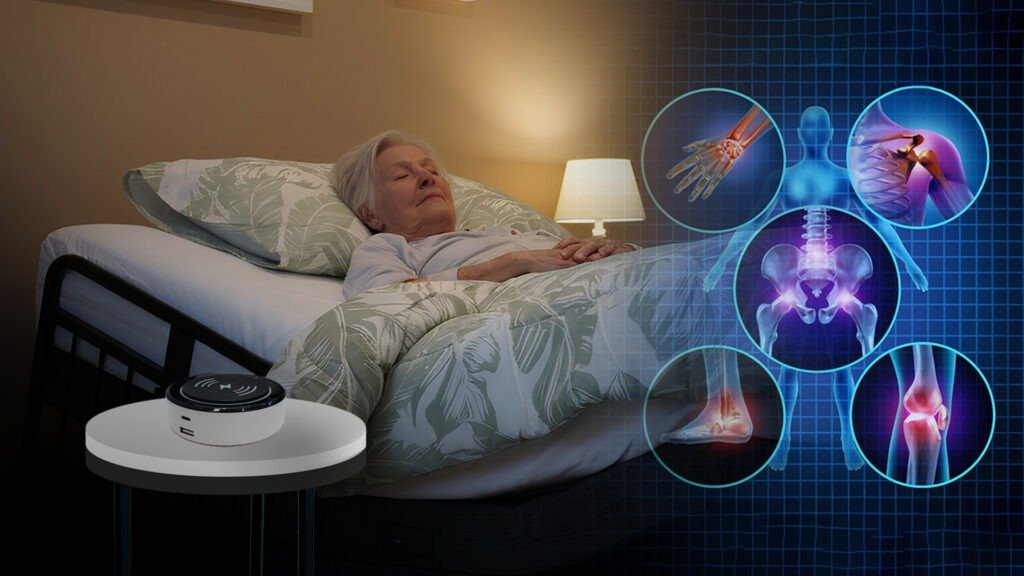
Night pain is a common issue for older Australians and people living with chronic or musculoskeletal conditions. Pain often becomes more noticeable at night due to prolonged stillness, reduced circulation, and difficulty finding a comfortable sleeping position. For many, the simple act of adjusting in bed can cause discomfort or require assistance. A voice control adjustable bed offers a practical and supportive solution by allowing hands-free articulation that improves comfort, safety, and independence throughout the night. Introduction: Why Night Pain Affects Sleep Quality in Older Australians Night pain frequently affects people with arthritis, spinal conditions, post-surgical stiffness, and nerve-related pain. As the body remains in one position for long periods, pressure builds in sensitive areas such as the lower back, hips, knees, and shoulders. For older adults or people with limited mobility, repositioning at night can be challenging. Reaching for a remote, sitting upright, or twisting the body may worsen pain or increase the risk of falls. The Role of Bed Positioning in Managing Night Pain Proper bed positioning plays a significant role in reducing night pain by: Supporting the spine in a neutral position Reducing pressure on joints and soft tissues Improving circulation and reducing stiffness Allowing gentle adjustments without sudden movement This is why electric adjustable beds for elderly users are commonly recommended in both homecare and aged care environments. What Is Voice-Controlled Bed Articulation? Voice-controlled bed articulation allows users to adjust bed positions using spoken commands rather than physical controls. These beds respond smoothly and gradually, helping users change positions without strain. A well-designed example is the Voice-Control Homecare Hi-Low Bed, which includes: Independent head, back, and knee elevation Hi-low height adjustment for safer entry and exit Quiet operation suitable for night use Hands-free voice control for people with pain or weakness These beds are widely used across assistive technology beds in Victoria and home-based disability care. How Voice Commands Help Reduce Night Pain Voice-controlled articulation supports night pain management by enabling: Adjusting head elevation without strain, helping neck, shoulder, and upper back pain Fine-tuning knee and leg support during flare-ups, easing hip and lower back discomfort Eliminating twisting, bending, or handling remotes that can trigger pain Making fast, precise adjustments at night without fully waking or calling for help These small adjustments can significantly improve comfort and sleep quality. Conditions That Benefit from Voice-Controlled Beds Voice-controlled beds are particularly helpful for people managing: Osteoarthritis and inflammatory arthritis Spinal pain and disc-related conditions Hip or knee stiffness Post-surgery recovery pain Neuropathic pain Fibromyalgia and widespread pain Because of their versatility, they are commonly used as mobility beds for elderly in Victoria and as disability care beds for home use. Safety Benefits of Hands-Free Adjustments at Night Night-time movement is one of the highest-risk periods for falls. Voice-controlled beds improve safety by: Reducing the need to get out of bed unnecessarily Allowing repositioning without sudden sitting or standing Supporting circulation and swelling management Reducing carer strain during overnight assistance These features make them suitable as electric beds for aged care and homecare settings. Why Voice-Controlled Hi-Low Beds Are Recommended by OTs Occupational therapists often recommend hi low adjustable beds with voice control because they: Support safe transfers and bed access Allow gradual position changes without pain spikes Meet functional requirements for NDIS approved adjustable beds Align with clinical goals for independence and safety Many options are also recognised as SWEP approved assistive beds, depending on eligibility and assessment. Providers such as Assistive Tech Hub work closely with OTs and allied health professionals to ensure correct matching. Hiring vs Buying a Voice-Controlled Bed Night pain can be short-term, fluctuating, or progressive. Flexible access options are important. People can choose: Short-term support through bed hire Medium-term use via a rental enquiry Purchasing a bed for long-term pain management or ageing in place Hiring is often helpful during recovery periods or when trialling equipment before committing. How to Choose the Right Bed for Night Pain Support When selecting a bed for night pain, look for: Smooth and quiet articulation for night-time use Independent head and knee elevation Hi-low height adjustment for safety Stable frame with optional side rails Hands-free voice control for pain-free repositioning These features are commonly found in smart homecare beds designed for Australian homes. Conclusion Night pain does not have to mean poor sleep or loss of independence. A voice control adjustable bed allows Australians to reposition safely, comfortably, and independently throughout the night—without aggravating pain or relying heavily on carers. For people managing chronic pain, mobility limitations, or age-related discomfort, voice-controlled articulation provides a practical and clinically supported solution. For personalised advice or OT-supported recommendations, you can contact Assistive Tech Hub for guidance.

Voice-Controlled Articulation for Australians Struggling with Night Pain Read More »

Using Voice Commands to Reduce Strain After Hip or Knee Replacement Surgery

Hip and knee replacement surgery can significantly improve mobility and quality of life, but the recovery phase requires careful movement and protection of the surgical site. Simple actions such as sitting up, changing leg position, or adjusting the bed can place unnecessary strain on healing joints. For many older Australians, a voice control adjustable bed provides a safer and more practical way to manage recovery at home—especially during the early weeks when bending, twisting, and weight-bearing are restricted. Introduction: Recovery Challenges After Hip & Knee Replacement After hip or knee replacement surgery, patients are often advised to: Avoid deep bending or twisting Limit sudden or unsupported movements Elevate the legs to manage swelling Maintain safe alignment of the operated joint These restrictions can make standard beds difficult and sometimes unsafe to use, particularly at night or when carers are not immediately available. Why Movement Control Matters During Early Recovery In the early recovery phase, uncontrolled movement can: Increase pain and inflammation Stress the surgical joint or surrounding tissues Delay healing Increase the risk of falls or re-injury Controlled, gradual bed adjustments allow patients to change position while keeping joints supported and aligned—an important factor in successful rehabilitation. What Are Voice-Controlled Adjustable Beds? A voice control adjustable bed allows users to adjust bed positions using spoken commands instead of physical effort. This removes the need to push, pull, or twist the body when repositioning. Modern homecare beds often include: Backrest elevation for safe sitting Leg elevation to support circulation Hi-low height adjustment for easier transfers Smooth, motorised movement for controlled positioning The Voice-Control Homecare Hi-Low Bed is designed specifically for recovery, disability care, and aged care use in Australian homes. How Voice Commands Reduce Physical Strain Voice-controlled beds reduce strain in several important ways: Reduced bending and twisting, protecting the hip or knee joint Safe transitions from lying to sitting without pushing through the legs Hands-free leg elevation to help manage post-surgical swelling Protection of surgical sites by minimising abrupt or unsupported movement This hands-free control is particularly useful during night-time adjustments, when pain and stiffness are often worse. Clinical Benefits for Post-Surgery Patients From a clinical perspective, voice-controlled beds support recovery by: Reducing pain associated with movement Supporting proper joint alignment Encouraging independence without compromising safety Decreasing reliance on carers for basic repositioning These benefits are why electric hi-low beds for allied health use are commonly recommended by physiotherapists and occupational therapists following joint replacement surgery. Who Benefits the Most? Voice-controlled adjustable beds are especially helpful for: Older Australians recovering from hip or knee replacement NDIS participants with mobility limitations People with joint stiffness, arthritis, or obesity Patients with reduced strength or balance confidence Individuals recovering at home without full-time care These beds are widely used in mobility beds for elderly in Victoria and home-based rehabilitation settings. Voice-Controlled Hi-Low Beds Used in Australia In Victoria, access to voice-controlled beds may be supported through: NDIS approved adjustable beds, following OT assessment SWEP approved assistive beds for short-term or transitional recovery Aged care and post-acute homecare programs Providers such as Assistive Tech Hub work closely with therapists to ensure beds meet clinical and funding requirements. Hiring vs Buying a Voice-Controlled Bed During Recovery Hip and knee replacement recovery timelines vary. Some patients need support for weeks, others for several months. Options include: Short-term recovery support through bed hire Extended trials or medium-term use via rental enquiry Purchasing a bed for long-term mobility or ongoing joint conditions Hiring can be a cost-effective option when the bed is only needed during recovery. How to Choose the Right Bed: An OT’s Recommendations Occupational therapists often recommend looking for: Hi-low height adjustment for safer transfers Smooth backrest and leg elevation Stable frame with lockable castors Hands-free voice control for pain-free adjustments Optional side rails if balance is a concern These features are common in electric adjustable beds for elderly and post-surgical homecare use. Conclusion: A Safer, Easier Recovery Path for Australians Recovering from hip or knee replacement surgery requires support that protects healing joints while promoting independence. A voice control adjustable bed allows Australians to reposition safely, manage swelling, and reduce strain without relying on painful movements. For post-surgical recovery at home, voice-controlled beds offer a practical, clinically supported solution that benefits both patients and carers. For personalised advice or OT-supported recommendations, you can contact Assistive Tech Hub for guidance.

Using Voice Commands to Reduce Strain After Hip or Knee Replacement Surgery Read More »

Why Voice-Controlled Beds Are Safer for Australians with Neck or Shoulder Injuries

Neck and shoulder injuries can make even simple movements painful and risky. Tasks most people take for granted—sitting up in bed, adjusting pillows, or reaching for a remote—can place strain on healing muscles and joints. For Australians recovering at home, a voice control adjustable bed offers a safer way to reposition, rest, and recover without aggravating injuries. These beds are increasingly recommended in homecare, aged care, and NDIS-supported environments across Victoria. Introduction: Why Neck and Shoulder Injuries Limit Everyday Movement Neck and shoulder injuries often cause: Pain with lifting or reaching Muscle guarding and stiffness Reduced arm strength or range of motion Difficulty supporting body weight during movement Conditions such as rotator cuff injuries, cervical spine issues, post-surgical restrictions, and accident-related trauma can make bed mobility particularly challenging. Without the right support, repeated strain can slow recovery and increase reliance on carers. The Problem: Standard Beds Force Painful Movements Most standard beds are not designed for injury recovery. They often require users to: Push through the arms or shoulders to sit up Twist the torso to adjust pillows or position Reach repeatedly for remotes or bed controls Rely on carers for simple repositioning These movements can aggravate neck and shoulder injuries, increase pain levels, and heighten the risk of setbacks during recovery. What Is a Voice-Control Adjustable Bed? A voice control adjustable bed allows users to change bed positions using spoken commands rather than physical effort. This removes the need for reaching, pushing, or twisting. Features commonly include: Backrest elevation for supported sitting Leg elevation for circulation and comfort Hi-low height adjustment for safer transfers Smooth, controlled movement to avoid sudden strain The Voice-Control Homecare Hi-Low Bed is designed for injury recovery, disability care, and aged care use in Australian homes. How Voice-Controlled Beds Reduce Strain on the Neck and Shoulders Voice-controlled beds reduce physical stress in several key ways: No reaching for remotes or controls No bending, twisting, or pushing through painful joints Hands-free adjustments during pain flare-ups Smooth transitions from lying to sitting positions Safer entry and exit using hi-low height positioning By removing these high-risk movements, users can reposition themselves without compromising healing tissues. Clinical Benefits for Injury Recovery From a clinical perspective, appropriate bed positioning supports recovery by: Reducing muscle tension in the neck and shoulders Improving circulation to injured areas Supporting neutral spinal alignment Minimising swelling through controlled elevation Allowing frequent micro-adjustments without strain Physiotherapists and occupational therapists often recommend electric hi-low beds for allied health use when neck or shoulder movement is restricted. Benefits for Elderly Users and Carers Older Australians with neck or shoulder injuries often face additional challenges such as reduced balance or strength. Voice-controlled beds help by: Reducing the need for carers to manually reposition users Supporting predictable, stable movements Lowering fall risk during transfers Making night-time care safer and less physically demanding These benefits are particularly valuable in aged care beds Victoria and home-based recovery settings. NDIS, SWEP, and Aged Care Funding Pathways In Victoria, access to voice-controlled beds may be supported through: NDIS approved adjustable beds with OT assessment SWEP approved assistive beds for short-term or transitional needs Aged care and homecare equipment programs Assistive Tech Hub works with therapists and funding bodies to help match the right equipment to individual recovery needs. Hire, Trial, or Buy Voice-Controlled Beds in Victoria Neck and shoulder injuries may require temporary or long-term support. Flexible options include: Short-term recovery support through bed hire Trial or extended use via rental enquiry Purchase for ongoing injury management or chronic conditions This flexibility allows users and families to choose what suits their recovery timeline. Key Features That Improve Safety for Neck and Shoulder Injury Patients When selecting a bed for neck or shoulder injuries, look for: Touch-free voice commands to avoid reaching Adjustable height for safer transfers Backrest elevation to reduce neck strain Smooth, quiet motors for controlled movement Optional side rails for added stability Beds designed for electric beds for aged care and disability use often include these safety-focused features. Conclusion Neck and shoulder injuries require careful movement and proper support. A voice control adjustable bed reduces strain, improves safety, and allows people to reposition without triggering pain or risking further injury. For injury recovery, elderly care, or NDIS-supported home use, voice-controlled beds provide a practical solution that supports independence while protecting vulnerable joints. For personalised guidance or OT-supported recommendations, you can contact Assistive Tech Hub for assistance.

Why Voice-Controlled Beds Are Safer for Australians with Neck or Shoulder Injuries Read More »

Post-Surgery Home Recovery: How Voice-Controlled Beds Support Restricted Movement

Recovering at home after surgery can be physically demanding, especially when movement is limited and pain levels fluctuate throughout the day and night. For many Australians, the bed becomes the main recovery space — where comfort, safety, and correct positioning play a major role in healing. A voice control adjustable bed can support safer, more independent recovery by allowing hands-free positioning without straining the body or relying on constant carer assistance. For people in Victoria, these beds are now widely used in post-surgery homecare, aged care, and NDIS-supported recovery. Introduction: Why Post-Surgery Recovery at Home Requires the Right Support After surgery, the body needs time, stability, and correct positioning to heal properly. Many people experience: Pain and stiffness Fatigue and weakness Reduced ability to sit up, turn, or reposition Temporary or long-term movement restrictions Without the right support, simple tasks like sitting up in bed or adjusting leg position can cause discomfort, delay healing, or increase fall risk. Home recovery solutions that reduce physical strain are essential — particularly for older adults and people living alone. The Challenge: Restricted Movement After Surgery Restricted movement is common following procedures such as: Hip or knee replacements Spine or back surgery Abdominal surgery Cardiac or thoracic surgery Doctors often advise patients to avoid bending, twisting, pushing, or lifting during early recovery. Even using arms to pull up from bed can place stress on healing tissues. For many patients, this leads to increased dependence on carers, especially at night. Why Bed Positioning Is Critical for Recovery Correct bed positioning supports recovery in several important ways: Reduces swelling by elevating legs when needed Improves breathing and lung expansion after surgery Helps manage pain through supported posture Prevents pressure injuries from prolonged immobility Makes transitions from lying to sitting safer and smoother A bed that adjusts smoothly and holds stable positions can significantly improve comfort and confidence during recovery. What Is a Voice-Control Adjustable Bed? A voice control adjustable bed allows users to change bed positions using spoken commands rather than buttons or remotes. This is particularly helpful when arm strength or coordination is limited. Key functions typically include: Backrest elevation for sitting and breathing support Hi-low height adjustment for safe transfers Leg elevation to reduce swelling Smooth, quiet movement to avoid sudden strain The Voice-Control Homecare Hi-Low Bed is designed for post-surgery recovery, aged care, and disability support in Australian homes. How Voice-Controlled Beds Support People with Limited Mobility Voice-controlled beds offer practical, everyday support during recovery: No need to use arm or core strength to sit up Safer transitions from lying to sitting positions Reduced reliance on carers for repositioning Easy night-time adjustments without fully waking or moving abruptly Supports surgeon- and therapist-recommended recovery positions This level of control helps patients feel more independent while staying within safe movement limits. Benefits for Carers During Post-Surgery Support Supporting someone after surgery can be physically demanding. Voice-controlled beds help carers by: Reducing manual lifting and repositioning Supporting safer transfers in and out of bed Minimising strain on the back, shoulders, and wrists Allowing carers to assist with confidence, even during night care These benefits are especially important in aged care settings and home environments where one carer provides most of the support. NDIS and Aged Care Options for Post-Surgery Recovery Beds In Victoria, post-surgery recovery beds may be accessed through: NDIS approved adjustable beds (with OT assessment) SWEP approved assistive beds for short-term or transitional needs Aged care beds Victoria for home or facility use Occupational therapists and physiotherapists often recommend electric hi-low beds for allied health use to support safe recovery and reduce risk during transfers. Assistive Tech Hub works closely with allied health professionals to support suitable equipment selection. Hire, Trial, or Purchase Options in Victoria Not all recovery needs are long-term. Flexible options are available depending on the length of recovery: Short-term recovery support through bed hire Trial or extended rental options via rental enquiry Long-term purchase for ongoing mobility or chronic conditions These options allow families to choose what works best without unnecessary financial pressure. Key Features to Look for in a Post-Surgery Recovery Bed When choosing a recovery bed, look for features that support healing and safety: Adjustable backrest for supported sitting and breathing Leg elevation to manage swelling and circulation Hi-low height adjustment for safer transfers Voice-control operation for hands-free positioning Optional safety rails for stability Lockable castors to prevent unwanted movement Beds designed for electric beds for aged care and disability use typically include these features. Conclusion Post-surgery recovery is easier and safer when the right support is in place. A voice control adjustable bed allows individuals with restricted movement to reposition comfortably, maintain recommended postures, and recover with greater independence. For carers, these beds reduce physical strain and improve safety. For patients, they provide confidence, comfort, and control during a critical healing period. To explore suitable options or receive OT-supported guidance, you can contact Assistive Tech Hub for personalised advice.

Post-Surgery Home Recovery: How Voice-Controlled Beds Support Restricted Movement Read More »

Compare Products

Scroll to Top